Ford Fairmont classic cars for sale
The Ford Fairmont, produced between 1978 and 1982 in the USA and Canada, stands out with its practical five-seat layout and varied body styles. Positioned between the Ford Maverick and Escort, the Fairmont is a notable cornerstone of Ford’s compact segment, especially for collectors seeking originality and value in American saloon and estate classics.
Suchergebnisse
Zur Zeit sind keine passenden Inserate zu Ihrer Suche veröffentlicht.
Create search alert
Let yourself be notified as soon as a listing is published that matches your search filters.
Create listing
Do you have a Ford Fairmont that you want to sell? Then create a listing now.
Create listingFord Fairmont listing references from Classic Trader
Below you will find listings related to your search that are no longer available on Classic Trader. Use this information to gain insight into availability, value trends, and current pricing for a "Ford Fairmont" to make a more informed purchasing decision.
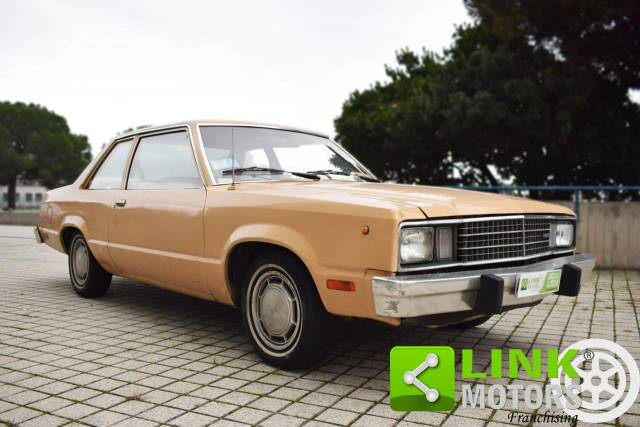
1978 | Ford Fairmont
FORD FAIRMONT
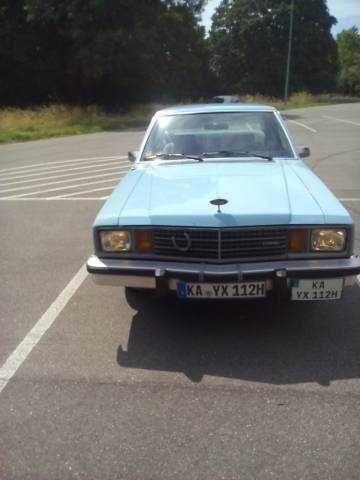
1978 | Ford Fairmont
4-door base sedan 54B, manufactured by Ford Motor Co. of Canada Ltd.
Create search alert
Let yourself be notified as soon as a listing is published that matches your search filters.
Create listing
Do you have a Ford Fairmont that you want to sell? Then create a listing now.
Create listingFord Fairmont Classic Cars: Prices & Market Values
History of the Ford Fairmont
Ford introduced the Fairmont in 1978 to replace the Maverick, setting a new standard for compact sedans within its line-up. The model responded to demand for versatile, family-friendly cars in North America, offered as saloon, coupé, and estate variants. Designed with an emphasis on spaciousness and suitability for long distances, the Fairmont could seat up to five people comfortably, directly addressing customer needs of the late 1970s and early 1980s. Its production was synchronised with Mercury’s Zephyr, sharing much of its engineering but retaining unique visual and brand identity for Ford.
Model Evolution and Legacy
The Fairmont debuted as the third generation of Ford’s compact class, filling the space between the more basic Pinto and the mid-sized Granada. Over its run up to 1982, the range expanded from two- and four-door saloons to a five-door estate, accommodating changing family and commuter needs. The Fairmont was succeeded in Ford’s compact offering by the Ford LTD and was marketed alongside the Ford Escort. Approximately 250,000 units were manufactured, predominantly for North America, ensuring a strong presence in its segment during its production years.
Highlights and Production Facts
The Ford Fairmont distinguished itself with its modular body concept, allowing buyers to choose from multiple body types that could serve as commuting cars or practical long-range family vehicles. Notably, all Fairmont listings in our supply statistics belong to this specific model series—Fairmont constitutes 100% of Ford listings in this category, indicating focused interest and an exclusive place within our classic car inventory.
Technical Data
Special Editions and Collectible Models
While the Fairmont did not receive high-profile special editions, its chassis versatility led to varied trim and equipment offerings—especially when comparing coupe, saloon, and estate formats. The highest levels of collectability often align with original, well-kept estate versions or rare configurations with factory options.
Weak Spots and Maintenance Considerations
No specific weak spots are documented in the available data. As with most late 1970s and early 1980s American saloons, areas to watch include rust protection, especially on estate versions, and routine wear on suspension and drivetrain components due to age and usage.
Engine, Transmission, and Driving Dynamics
Typical for American compacts of the era, driving the Fairmont emphasises comfort over sporting performance. Its suspension was tuned for long highway distances, making it ideal for extended journeys. Engine choices ranged from economical inline-fours to smooth-running six-cylinders, both paired with manual or automatic transmissions. Rear-wheel drive contributed to balanced weight distribution.
Popular models included the station wagon with its practical boot space and the four-door saloon for family transport. The Mercury Zephyr twin, though not a Ford, shares chassis and components, creating parts interchangeability. undefined
Interior, Comfort, and Design
The Fairmont features a classic late-1970s Ford aesthetic, marked by clear lines, robust switchgear, and a straightforward dashboard layout. Interior trims were durable, with cloth and vinyl seats commonly available. The estate version offered generous cargo capacity, while higher specs sometimes included special colours or wood-effect dash appliqués. Optional extras included air conditioning, upgraded radio units, and rear window defrosters, catering to North American climates and comfort expectations.
Additional Noteworthy Features
The Fairmont’s production in both the USA and Canada ensured broad North American market appeal. As it shared a platform with the Mercury Zephyr, parts support is generally good. Its mechanical simplicity makes it attractive for enthusiasts looking for straightforward restoration projects.
Summary
The Ford Fairmont blends everyday usability with classic American design and robust engineering. Its position as a dedicated, versatile family vehicle is reflected in full supply and demand shares in our listings. Whether you are searching for a saloon, coupe, or estate, the Fairmont delivers period-correct practicality from a significant phase in Ford history.