Ford Eifel classic cars for sale
The Ford Eifel, produced by Ford Germany from 1935 to 1940, stands out as a milestone in German automotive engineering of the 1930s. With its varied body styles, technical innovation and roots in the iconic Eifel mountains, the Ford Eifel is a prized discovery for enthusiasts fascinated by pre-war vehicles.
Search results
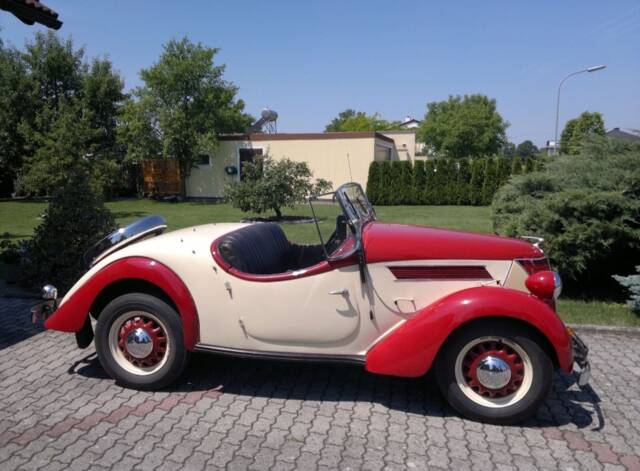
1938 | Ford Eifel
FORD EIFEL CABRIOLET BJ 1938

Ford Eifel listing references from Classic Trader
Below you will find listings related to your search that are no longer available on Classic Trader. Use this information to gain insight into availability, value trends, and current pricing for a "Ford Eifel" to make a more informed purchasing decision.
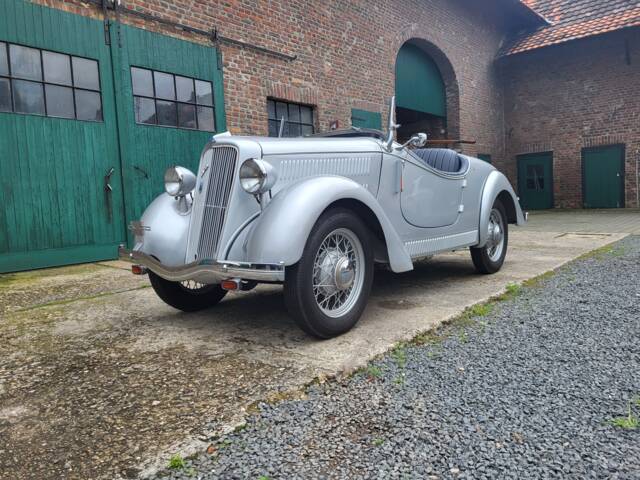
1936 | Ford Eifel
Ford Eifel Hebmüller Roadster 1936

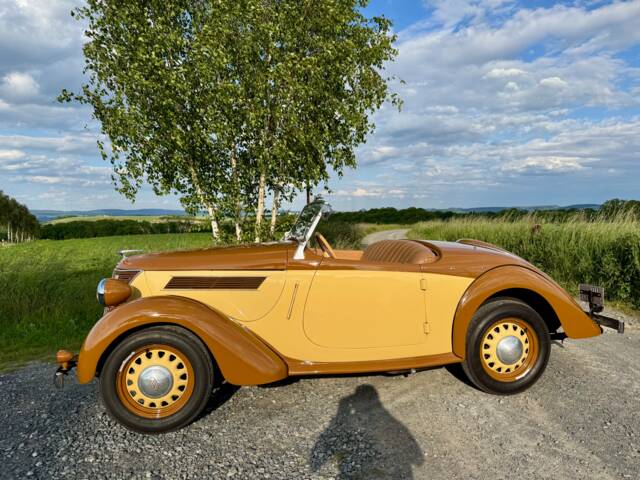
1939 | Ford Eifel
KARMANN SPORT ROADSTER 1939
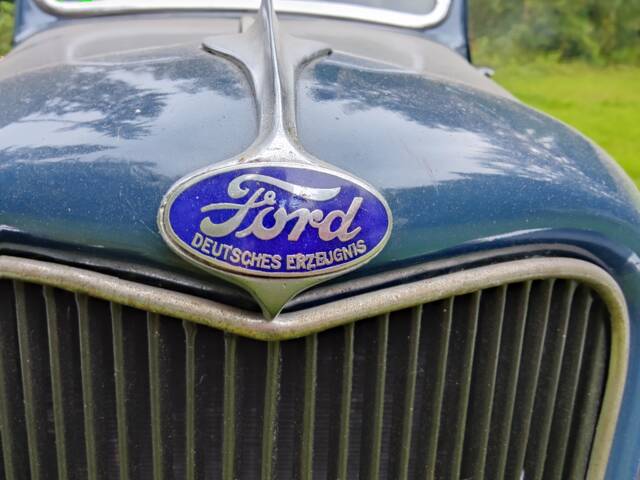
1935 | Ford Eifel

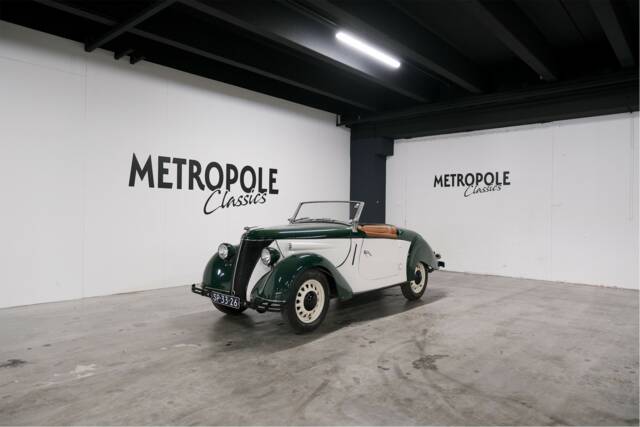
1939 | Ford Eifel
Ford Eifel Karmann . 1939. M0258

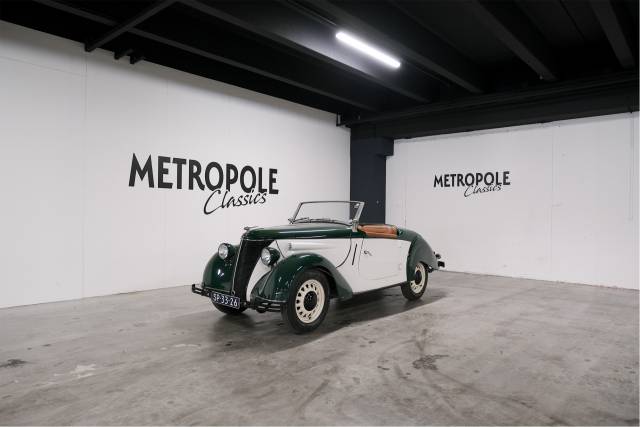
1939 | Ford Eifel
Ford Eifel Karmann M0258
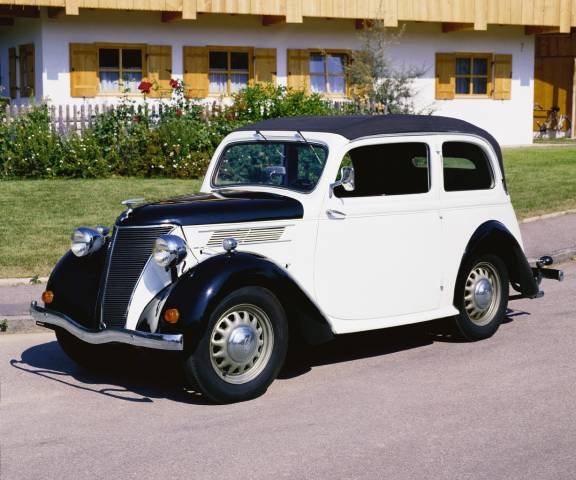
1938 | Ford Eifel
1939 | Ford Eifel
1936 | Ford Eifel
1937 | Ford Eifel
Oldtimer Ford Eifel ,,Sport-Roadster" v.Karmann
1937 | Ford Eifel
Ford Eifel
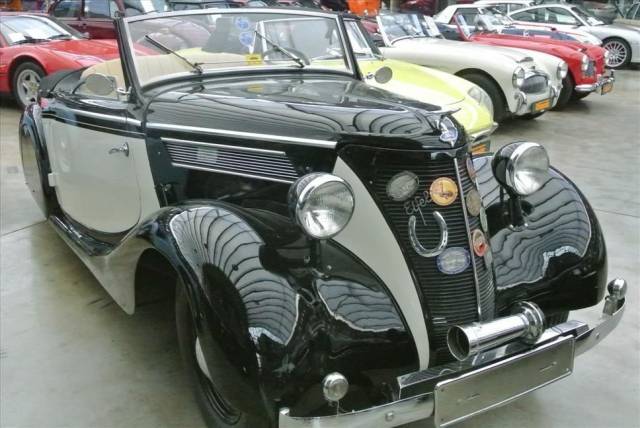
1937 | Ford Eifel
Ford Eifel
Ford Eifel Classic Cars: Prices & Market Values
Introduction and history of the Ford Eifel
Launched in 1935 by Ford Germany, the Ford Eifel was designed to fulfill the growing demand for modern, affordable, and robust cars in pre-war Germany. Initially complementing the Ford Köln, the Eifel quickly established itself as the mainstay of Ford's German range and ultimately replaced its predecessor. Its production continued until 1940, a span that included assembly in Hungary and Denmark between 1937 and 1939. Notably, the Eifel's underpinnings were adapted from the European Ford Model C, reflecting Ford's strategy of regional adaptation of core designs. Named after the Eifel mountain range in western Germany, the car embodied a spirit of German innovation during a dynamic era. The Eifel was succeeded by the Ford Taunus, marking another evolution in Ford's European portfolio.
Model history
The Ford Eifel's roots can be traced to the Ford Model C (Europe), introduced in 1934. The Eifel itself entered production the next year and soon stood out through its extensive customization and adaptability. Early models, particularly those from 1935, can be identified by their lower serial numbers and build-specific features. After outpacing the Ford Köln, the Eifel's run concluded with the 1940 model year, when the Ford Taunus took its place. The Eifel also shares technical and conceptual ties with British-developed siblings like the 1938 Dagenham-built Ford Prefect and the 1939 Ford Anglia, highlighting Ford's cross-European engineering strategy.
Highlights of the Ford Eifel
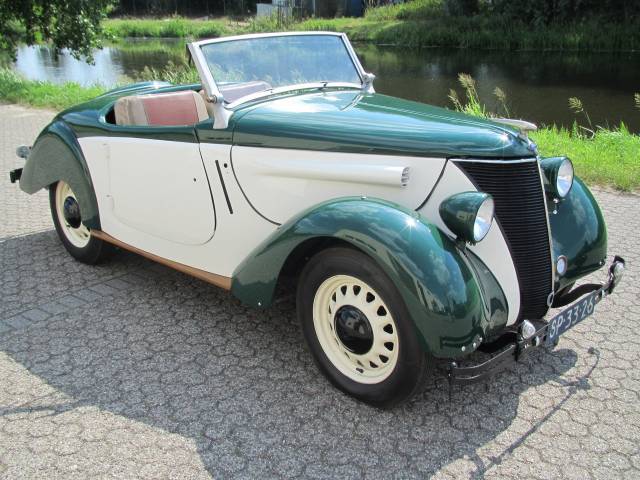
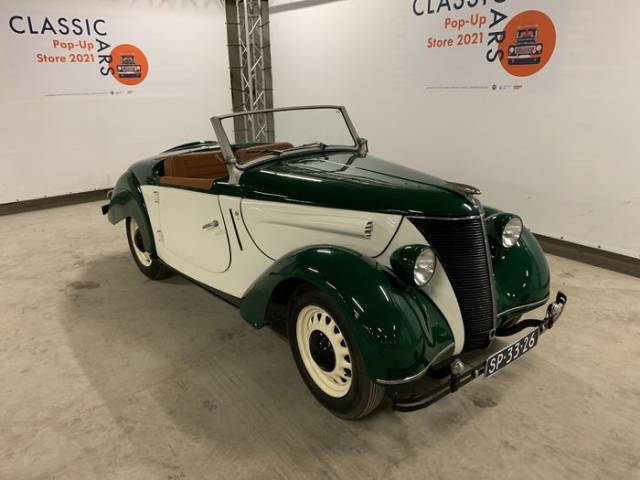
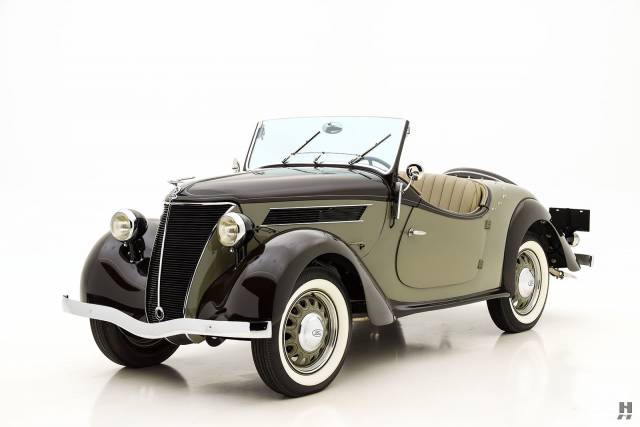
The Ford Eifel is notable for its diverse range of body styles, including the sought-after Hebmüller Roadster—a two-seater open car crafted through collaboration between coachbuilder Hebmüller and Ford in 1936. These Roadsters, with their sporty, aerodynamic lines, are highly valued due to their extreme rarity. Ambi-Budd bodies were also available. Original models showcase German-made components such as starter, dynamo, ignition, carburettor and dashboard instruments, offering authentic period detail. The Eifel, especially in original or well-restored condition, is regarded as an important part of German car history from the 1930s.
Statistical Perspective: According to supply and demand statistics, the Ford Eifel represents 100% of both listings and interest within its Ford classic segment, meaning all Ford classic cars in this category on Classic Trader are Eifel models—underlining their distinctive presence in the market.
Technical data
Special Editions and Collectible Models
The Hebmüller Roadster, introduced in 1936, stands out as the most notable special edition of the Eifel. Crafted in limited quantities and featuring an open two-seater design, this version embodies a rare blend of German engineering and bespoke coachbuilding, making it highly desirable among connoisseurs of pre-war classics. Its high market value today is a testament to its rarity and unique status.
Weak Spots and Common Issues
No specific known weaknesses or recurring mechanical issues have been documented for the Ford Eifel based on currently available data. However, as with most vehicles from the 1930s, preservation of original mechanical components and attention to age-related wear are central concerns. Prospective buyers often encounter Eifels in restoration-ready condition, emphasising the importance of sourcing original German parts for an authentic rebuild.
Engine and Performance, Transmission and Handling
The Ford Eifel's 1.2-litre, four-cylinder engine delivers robust performance for its era, complemented by a responsive three-speed manual transmission. Particularly in the lightweight Hebmüller Roadster variant, handling benefits from a sporting, aerodynamic body, while sedans offer dependable everyday driveability by the pre-war standards. Practice in period-correct driving techniques enhances the experience, with mechanical controls and analog instrumentation dominating the interaction.
Popular Models:
- 1935 Ford Eifel saloon: Representative original features, often with low serial numbers and typical design elements of early production.
- 1936 Hebmüller Roadster: Rare, highly valued, characterised by lightweight construction and open-top driving. undefined
Interior, comfort, exterior and design
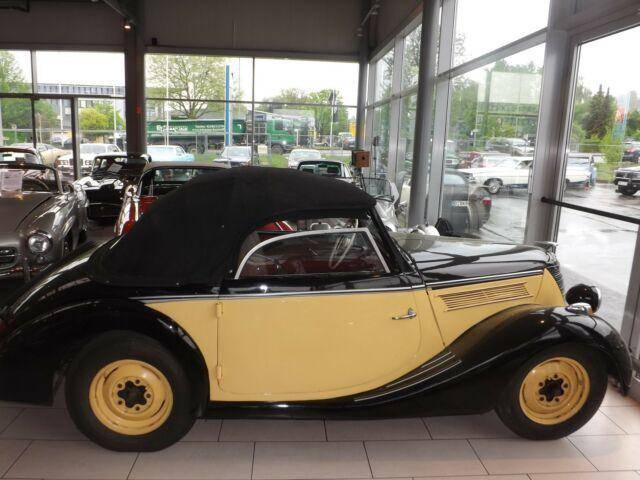
The Ford Eifel was available in several body styles, including sedan, cabriolet, and roadster. Notable are the Ambi-Budd steel bodies and the exclusive Hebmüller coachwork, both of which reflect period German craftsmanship and the design trends of the late 1930s. Instrumentation is typically analog, with well-preserved specimens retaining their original German dashboard details and badges. For collectors, originality in upholstery, dashboard instruments, badges, and German-supplied accessories is often a key selling point. Special colours and materials may be found, especially on coachbuilt variants, and the sporty lines of the Roadster have a recognisable aerodynamic flair that sets it apart from its contemporaries.
Other relevant features
The Ford Eifel also saw limited production outside Germany, notably in Hungary and Denmark from 1937 to 1939—a fact which increases the international interest and provenance of surviving examples. Restoration projects often surface on the market, presenting the opportunity for enthusiasts to return these pre-war classics to their former glory using original or period-correct parts.
Summary
With production spanning just five years, from 1935 to 1940, the Ford Eifel remains a sound representative of 1930s German automotive progress. It stands out for its authentic historical significance, mechanical solidity, and the glow of exclusivity over rare versions like the Hebmüller Roadster. For those with a passion for pre-war engineering, craftsmanship and design, the Eifel offers direct contact with a pivotal era in automobile history.