Ford Country Squire classic cars for sale
The Ford Country Squire combines the unmistakable flair of American full-size wagons with distinctive woodgrain trim and powerful V8 engines. Spanning eight generations from 1950 to 1991, the Country Squire stands out for its mix of practicality, Americana, and unique details like rare windshield washer options.
Search results
Currently, there are no matching listings for your search.
Create search alert
Let yourself be notified as soon as a listing is published that matches your search filters.
Create listing
Do you have a Ford Country Squire that you want to sell? Then create a listing now.
Create listingFord Country Squire listing references from Classic Trader
Below you will find listings related to your search that are no longer available on Classic Trader. Use this information to gain insight into availability, value trends, and current pricing for a "Ford Country Squire" to make a more informed purchasing decision.
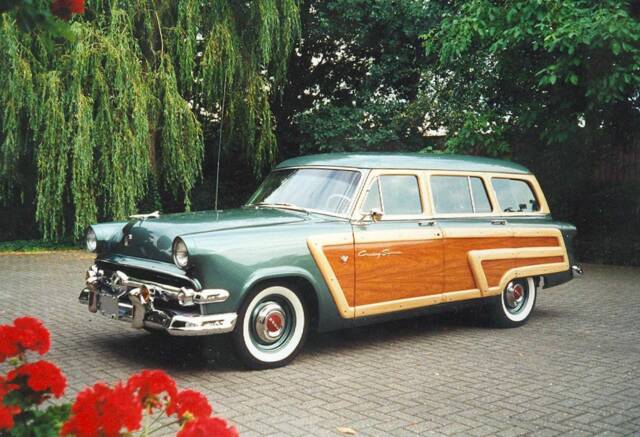
1954 | Ford Custom DeLuxe Country Squire
Ford Country Squire | 1954 | Route 66 Auctions - For sale by auction. Estimate 26500 EUR
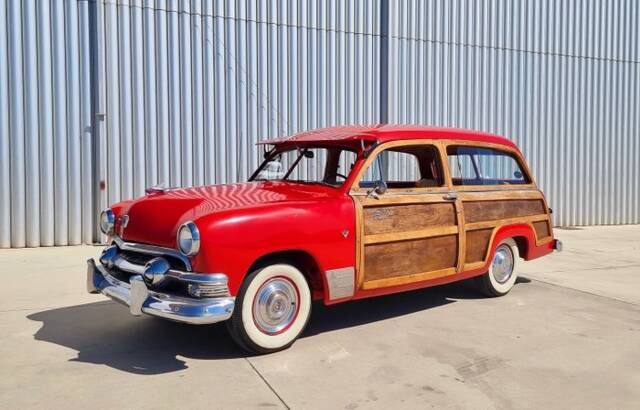
1951 | Ford Custom DeLuxe Country Squire
Ford - Country Squire Station Wagon - 1951
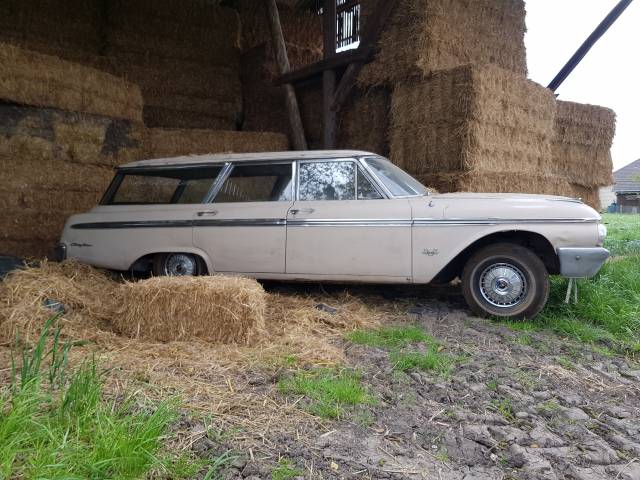
1961 | Ford Country Squire Station Wagon
Ford Galaxy Country Sedan Station Wagon 390 Kombi
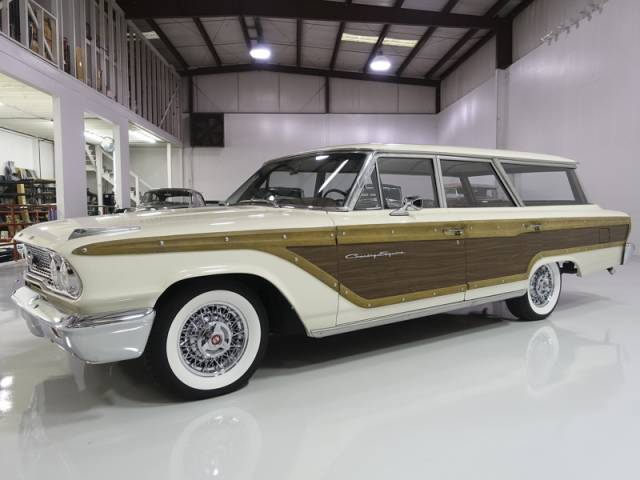
1963 | Ford Country Squire Station Wagon
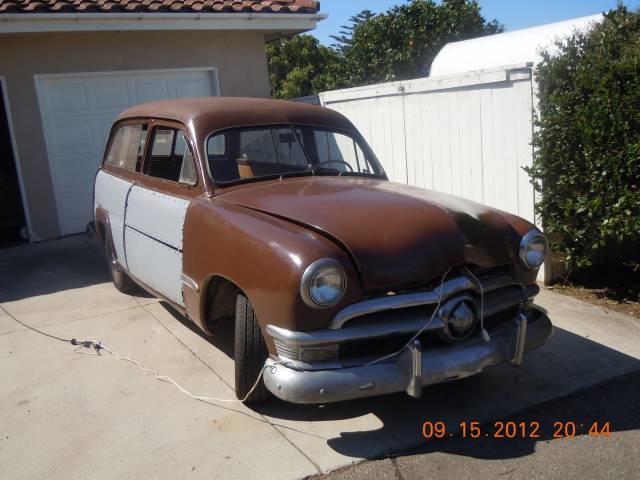
1951 | Ford Custom DeLuxe Country Squire
Interesting restauration project
Create search alert
Let yourself be notified as soon as a listing is published that matches your search filters.
Create listing
Do you have a Ford Country Squire that you want to sell? Then create a listing now.
Create listingFord Country Squire Classic Cars: Prices & Market Values
History of the Ford Country Squire
In 1950, Ford introduced the Country Squire as the flagship station wagon within its line-up. The model made its mark with wood-effect steel panels—a response to criticism that real wood required intensive care and hurt resale value. As the Korean War drove material changes, Ford briefly abandoned the wood-style steel, reverting to genuine wood panels by late 1951, continuing the legacy of the classic 'Woodie'. Throughout its run, the Country Squire served as Ford’s showcase family wagon and became a staple in American automotive culture, evolving through eight generations and paralleling the rise of the post-war family lifestyle.
Model History of the Country Squire
The Country Squire’s roots began with Ford’s postwar expansion into family-friendly vehicles. The eight generations produced between 1950 and 1991 chart an evolution from real wood to simulated panels, echoing changes in consumer taste, materials technology, and production requirements. The model repeatedly updated its design and technology, yet maintained its practical station wagon form. The primary Mercury counterpart, the Mercury Colony Park, closely shared bodywork and trim with the Country Squire, though the Mercury was positioned higher with added standard features.
Country Squire Highlights & Market Insights
The signature woodgrain trim—sometimes genuine, sometimes simulated—instantly defines the Country Squire. Buyers searching for rare features will note options like the Mason Jar windshield washer system, a rarely-seen period extra, and deluxe interior trimmings such as integrated ashtrays in door armrests. The Country Squire was almost exclusively fitted with the robust Ford Flathead V8 in its early years, giving it lively performance for a station wagon of its time.
Technical Data
Special Editions and Collectible Models
Short production runs of simulated woodgrain steel panels in 1950 stand out as one of the rarest and most sought-after configurations, lasting just three months before being halted due to the Korean War. Additionally, Country Squire models fitted with rare accessories such as the Mason Jar windshield washer or deluxe trim command particular attention from collectors.
Weak Spots and Common Issues
No specific known weaknesses have been reported for the Country Squire from available data. When considering early models, buyers should inspect wood or simulated wood trim for authenticity and restoration quality, as well as verify the proper function of unique features such as the windshield washer system.
Engine and Performance, Transmission and Handling
The early Country Squire models ran on Ford's Flathead V8, which delivered robust and reliable performance for its class. The big-frame layout ensured a comfortable ride, though handling remained typical of large American wagons—more focused on cruising than agile driving. Transmission options varied through the years, with manual setups in earlier models and automatics becoming standard as the series developed. Among Ford Country Squires listed, Serie IV dominates in desirability, drawing almost 95% of listing interest, likely reflecting more accessible maintenance, performance upgrades, or stylistic preferences in this generation.
Interior, Comfort, Exterior and Design
The Country Squire distinguishes itself with its bold woodgrain panels—whether genuine or simulated—that wrap the exterior, making it instantly recognisable. Interior appointments could be surprisingly refined for a family wagon, such as the inclusion of deluxe armrests with integrated ashtrays. Unusual features, like the Mason Jar windshield washer, underline Ford’s flair for functional innovation. Fabrics, colour choices, and exterior motifs changed across generations, with certain paint and trim combinations being rarely seen today.
Other Noteworthy Features
A unique period option for early models was the windshield washer system using a glass jar as the reservoir—something now fascinating for restorers and enthusiasts alike. This attention to detail illustrates Ford’s pursuit of comfort and convenience in a family vehicle during the 1950s.
Summary
The Ford Country Squire endures as an unforgettable chapter in American wagon history—blending woodgrain design, powerful V8 mechanics, and roomy practicality. Especially in Serie IV, buyer demand remains significant, making these wagons sought-after by those who appreciate distinctive design paired with classic American engineering.