Ford Anglia classic cars for sale
The Ford Anglia stands out among British small cars, especially the 105E and 100E models from the 1960s, as an agile, lightweight classic. Its rear-wheel drive and charming design make it a sought-after veteran, with surviving examples often kept ready to drive and maintained using original spare parts. Many Anglias are cherished as seasonal classics, providing driving pleasure year after year.
Search results
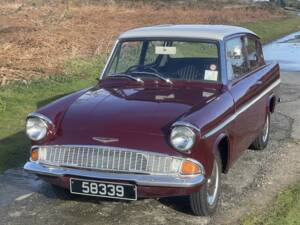
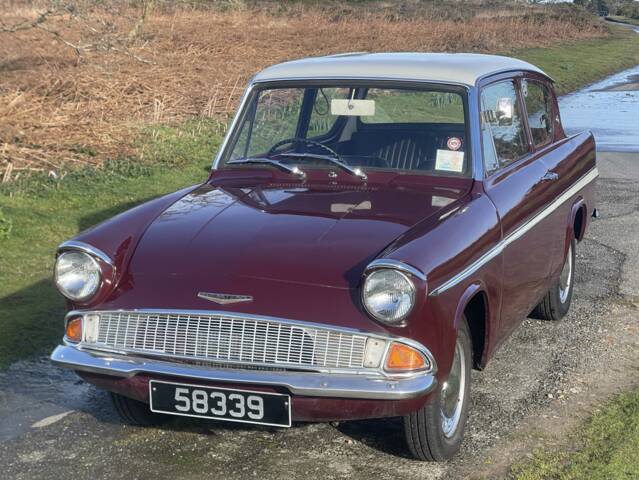
1966 | Ford Anglia Super
A smart, tidy and usable example

Ford Anglia listing references from Classic Trader
Below you will find listings related to your search that are no longer available on Classic Trader. Use this information to gain insight into availability, value trends, and current pricing for a "Ford Anglia" to make a more informed purchasing decision.
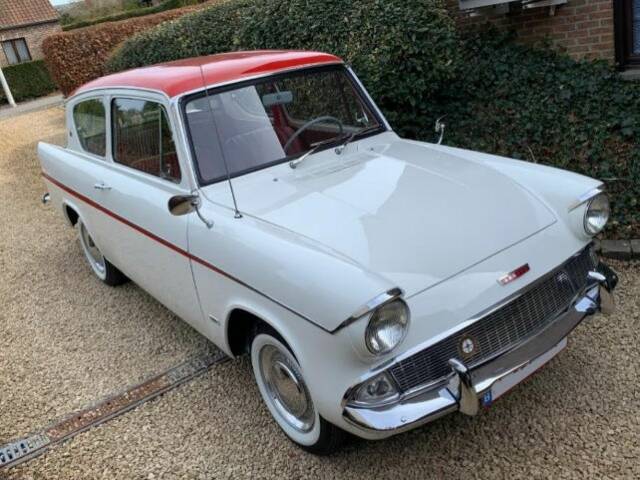
1962 | Ford Anglia
Ford Anglia Sportsman | 1962 | Route 66 Auctions - For sale by auction. Estimate 7500 EUR

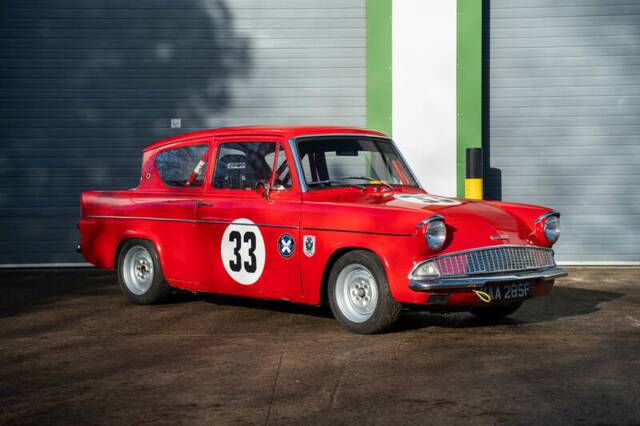
1968 | Ford Anglia Super
1968 Ford Anglia Super 1200 (123E) Race Car
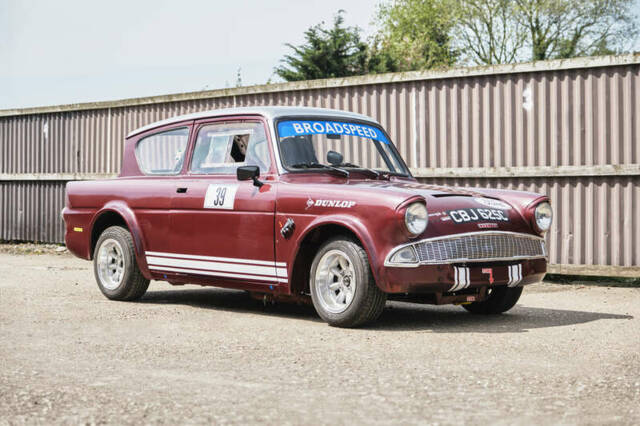
1965 | Ford Anglia
1965 Ford Anglia 105E Broadspeed Race Car
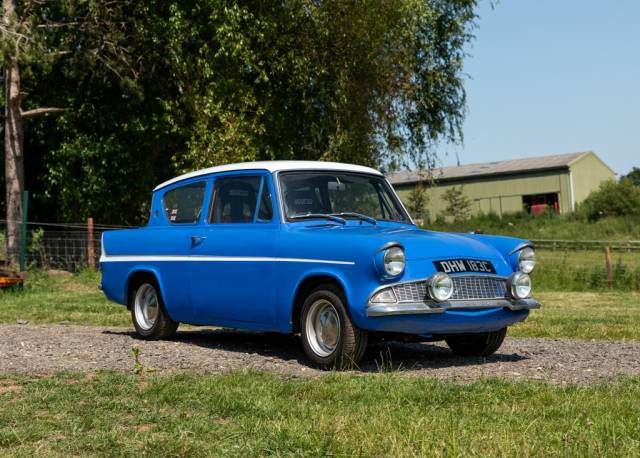
1965 | Ford Anglia
Ford Anglia 105E Rally Car
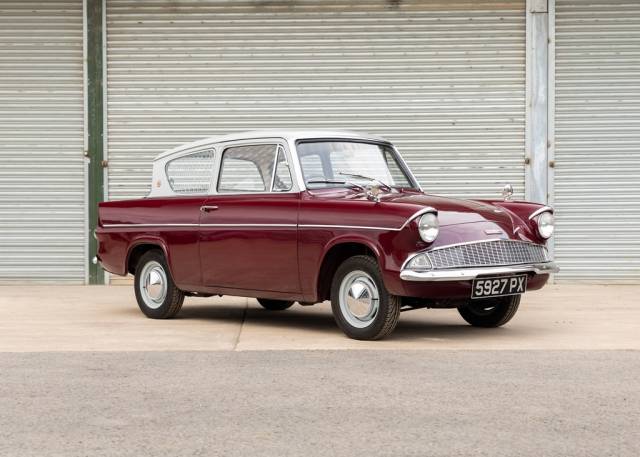
1960 | Ford Anglia
Ford Anglia
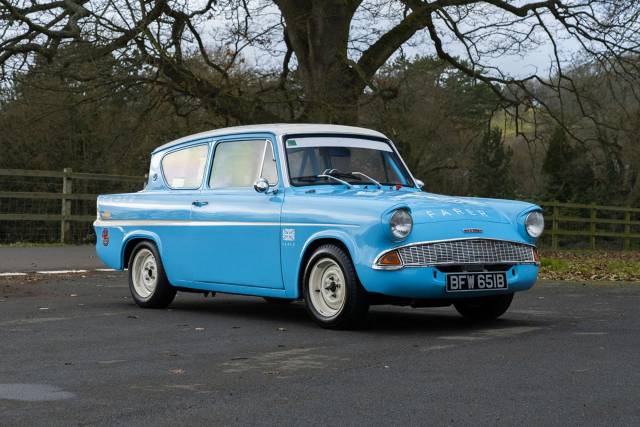
1964 | Ford Anglia Super
1964 Ford Anglia 1200 Super
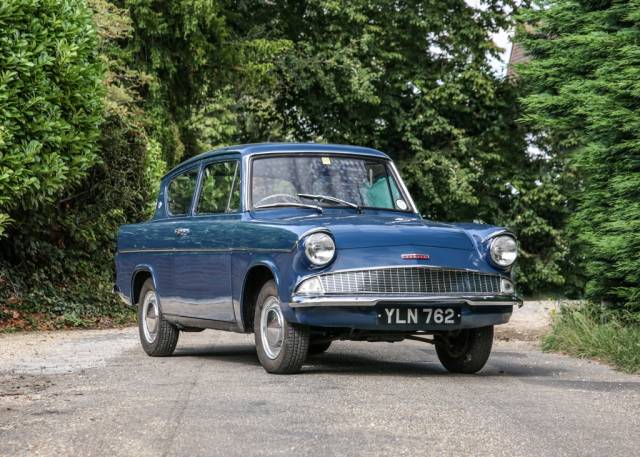
1960 | Ford Anglia
Ford Anglia 997cc
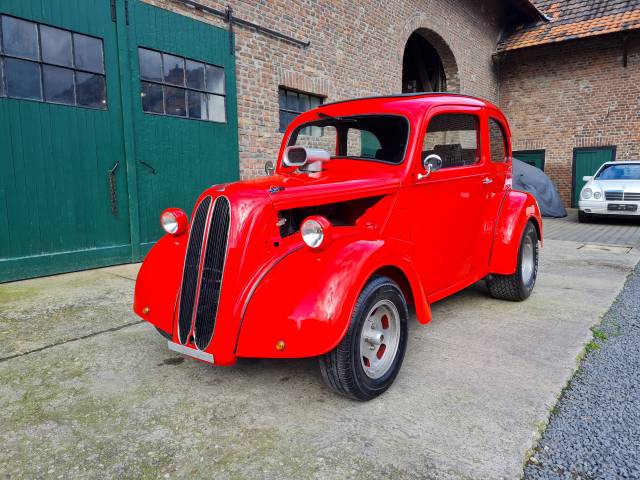
1949 | Ford Anglia
Ford Popular Hot Rod 3,0 V6 Essex Anglia Hotrod

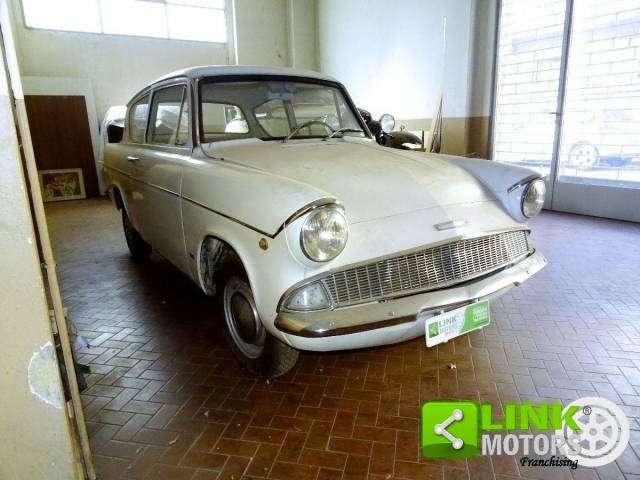
1967 | Ford Anglia
FORD ANGLIA DELUXE ANNO 1967 | CONSERVATA |

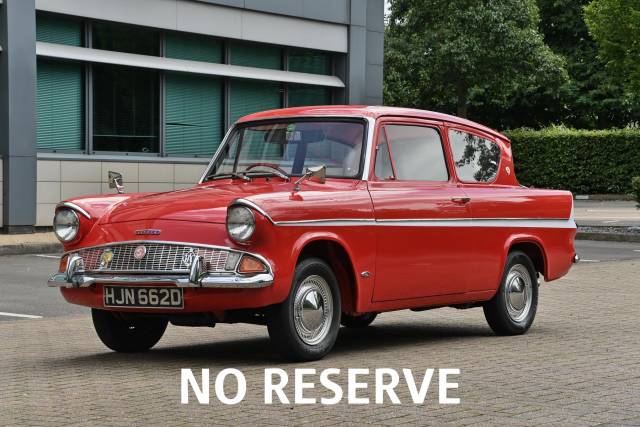
1966 | Ford Anglia
Full Restoration - Stunning - No Reserve
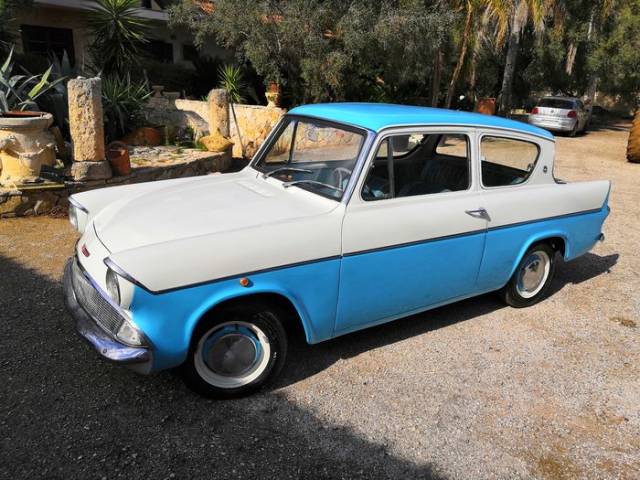
1963 | Ford Anglia
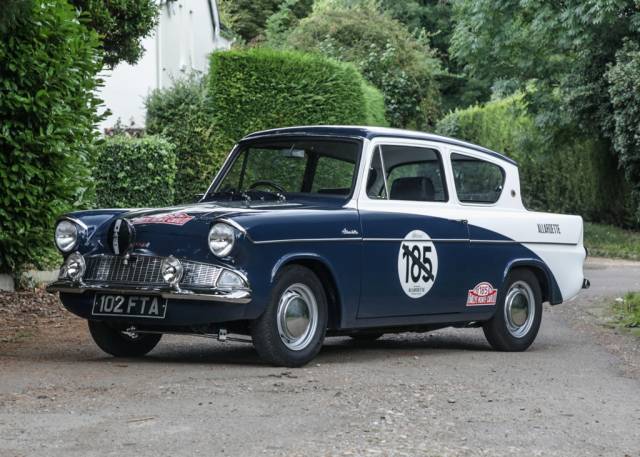
1960 | Ford Anglia
Ford Anglia ‘Allardette’
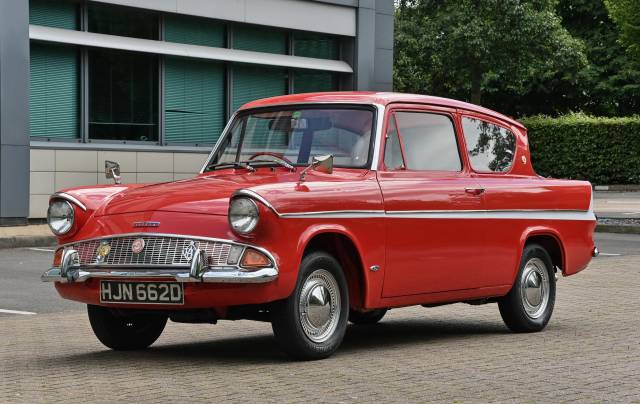
1966 | Ford Anglia
Restored - Stunning Condition
Ford Anglia Classic Cars: Prices & Market Values
History of the Ford Anglia
The Ford Anglia was launched in 1939 and ran through four major generations until 1967. Designed and built by Ford UK, it had familial ties to the Ford Prefect and later the Ford Popular. In total, more than 1.59 million Anglias were produced, a testament to its status as a household name in British automotive history. Its reputation as an affordable family car grew rapidly during the post-war years, with each evolution enhancing practicality and mechanical simplicity to suit the needs of everyday British motoring. After almost three decades of production, the Anglia was succeeded by the Ford Escort, marking the end of an era.
Model History
Throughout its production run, 'Anglia' adorned a range of distinctively different Fords. The early E04A set the tone for no-nonsense utility from 1939, succeeded after the war by the E494A. The 100E brought a more modern, unitary body from 1953, while the later 105E, introduced in 1959, stood out for its unique reverse-slant rear window. The 123E closed the chapter in 1967, all leading up to the more modern Ford Escort. The Anglia’s closest relatives were the Prefect and Popular, sharing many components and a mechanical design philosophy, but the Anglia’s style, especially the 105E, made it the best-remembered today.
Highlights of the Ford Anglia
One of the most recognisable features of the Anglia—especially the 105E—is its backward-slanted rear window and distinctive styling, which set it apart from its contemporaries. Durability and simple mechanics mean spare parts availability remains good. Many cars are reported as rust-free survivors and are regularly presented for inspection. Originality is highly valued, with examples often fitted with period-correct parts. The Anglia is also praised for its low weight (around 750 kg), contributing to lively handling for its class.
Technical data
Special Editions and Collectible Models
While the Anglia line was generally mass-produced, certain late and early versions, such as the E04A and E494A, are sought after by collectors due to their low numbers and historical significance. Furthermore, cars equipped with original factory accessories, colour schemes or special equipment fetch particular attention among enthusiasts.
Weak Spots and Common Issues
As with most classics of this era, the biggest challenge is often rust, although many advertised cars are described as rust-free. Components for the powertrain and body are typically available thanks to the car’s robust fan base and compatibility with the Popular and Prefect lines. Cars that have sat idle for years may require recommissioning, but their mechanical simplicity means most get back on the road without major issues. Multiple previous ownerships are common; focus on thorough documentation and evidence of diligent upkeep when inspecting any potential purchase.
Engine and Performance, Transmission and Handling
The Anglia's modest engine output is balanced by a very low curb weight, making it lively compared to rivals in its class. A 4-speed manual gearbox delivers reliable power to the rear wheels, providing an authentic driving experience typical of small 1960s British saloons. The rear-wheel drive configuration and simple suspension keep handling nimble, which translates into that distinctive driving pleasure so often described by experienced owners. - Anglia 105E: The most recognised variant, combining a 997 cc engine with the unique flat-top styling and reverse-angle rear window.
- 100E: Known for its strong construction and utility, making it a practical choice for restoration projects.
- E494A/E04A: The early post-war and immediate post-war models appeal due to their rarity and classic charm.
Interior, Comfort, Exterior and Design
The Anglia’s design stands out not merely for its famous rear window on the 105E but also for its clean, simple dashboard and minimalistic trim. Interiors are generally basic, with hard-wearing seat fabrics and straightforward instrumentation. Options for special colours and trim levels were available on some models, and accessories such as sun visors, period radios and heater units can add both comfort and historical flavour. The exterior benefits from bold paint colours typical of 1960s Britain, and two-tone paint schemes appear on many well-kept examples. Characteristic steel wheels and chrome detailing, especially on later 105Es and 123Es, complete the picture.
Other relevant features
Anglias are popular for seasonal use, such as summer outings and classic car events. Many are still on original registration plates, and personal inspections as part of the buying process remain common. Their enduring popularity, even after decades, rests on the car's simplicity and usability, particularly on British roads where their footprint fits well.
Summary
The Ford Anglia combines British small car practicality with charming design features, especially in later 105E and 123E models. With solid numbers produced and strong market interest, especially for the 105E, the Anglia delivers straightforward ownership and quintessential post-war motoring spirit. Its low running weight, easy maintenance, and accessibility make it a favourite among classic car enthusiasts looking for a distinctly British classic with personality and road presence.