Chevrolet 210 classic cars for sale
The Chevrolet 210, also known as the Two-Ten, is a midrange model produced from 1953 to 1957 that bridged basic practicality with a touch of comfort. Distinguished by its variety of body styles, solid engineering, and sensible pricing, this car replaced the Styleline Deluxe and was eventually succeeded by the Biscayne. Discover why the 210 stands out among cars of the 1950s.
Search results
Currently, there are no matching listings for your search.
Create search alert
Let yourself be notified as soon as a listing is published that matches your search filters.
Create listing
Do you have a Chevrolet 210 that you want to sell? Then create a listing now.
Create listingChevrolet 210 listing references from Classic Trader
Below you will find listings related to your search that are no longer available on Classic Trader. Use this information to gain insight into availability, value trends, and current pricing for a "Chevrolet 210" to make a more informed purchasing decision.
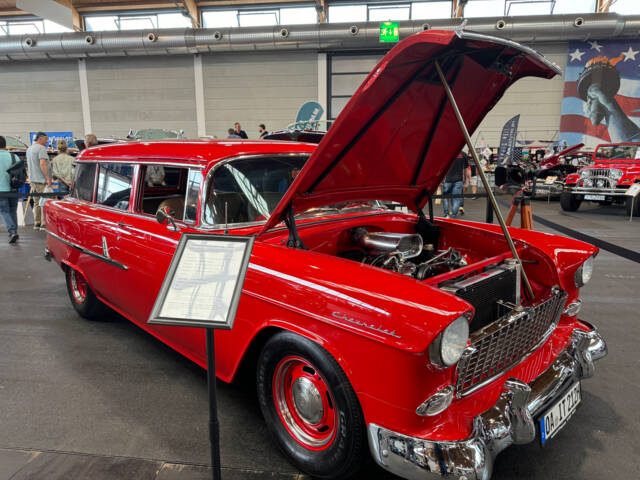
1955 | Chevrolet 210 Townsman
"A Wolf in Sheep's Clothing"

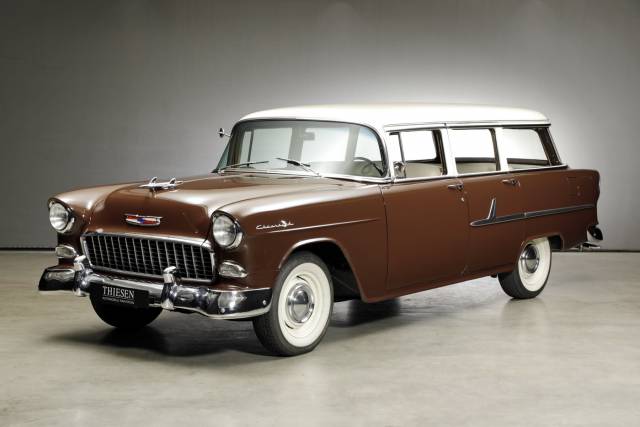
1955 | Chevrolet 210 Townsman
Belair 4D Townsman 210
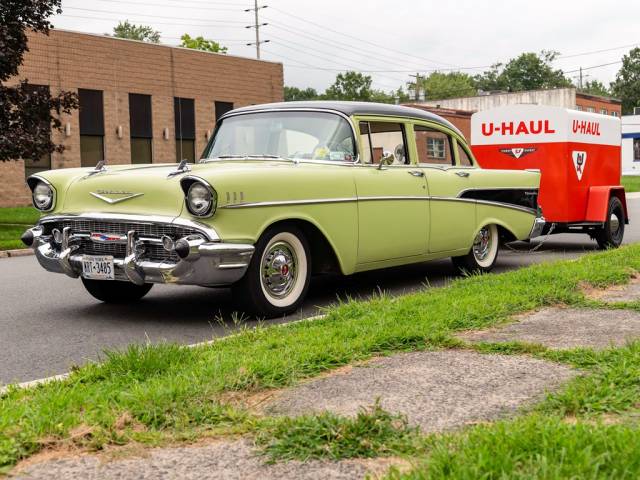
1957 | Chevrolet 210 Sedan
1957 Chevrolet 210 Four-Door Sedan with Trailer

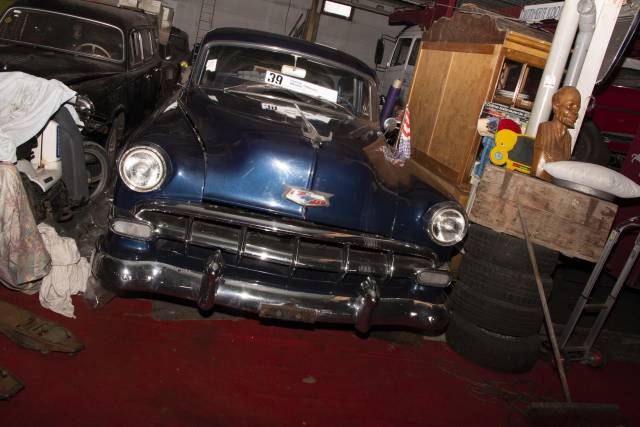
1954 | Chevrolet 210
Chevrolet Power glide 1954

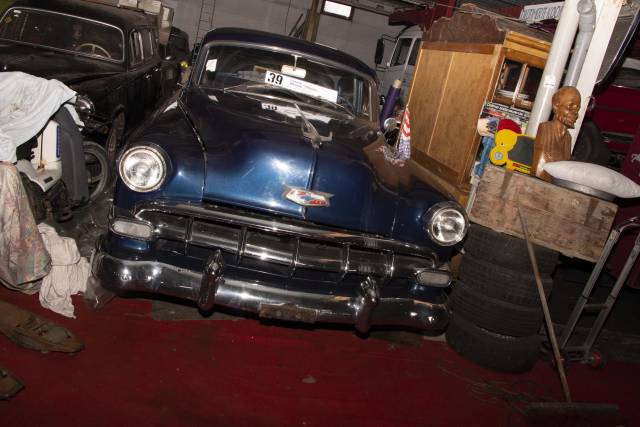
1955 | Chevrolet 210
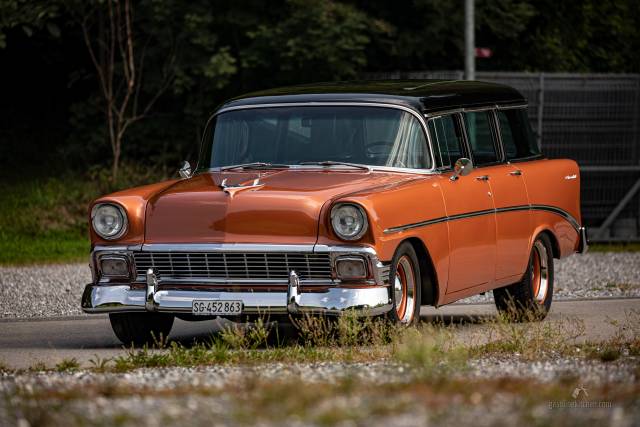
1956 | Chevrolet 210 Townsman
V8 Eye-Candy-Kombi.

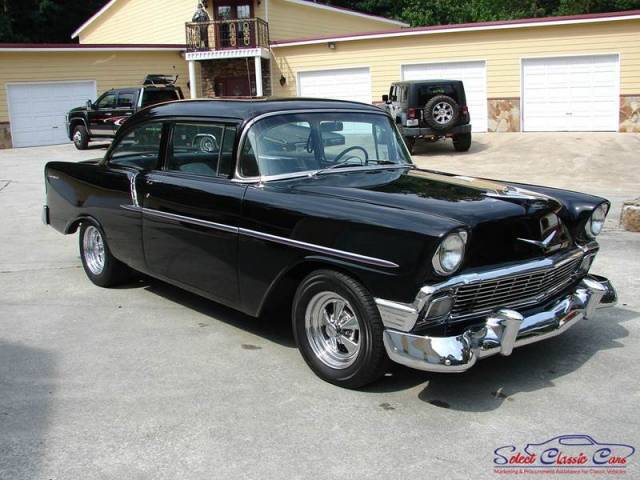
1956 | Chevrolet 210
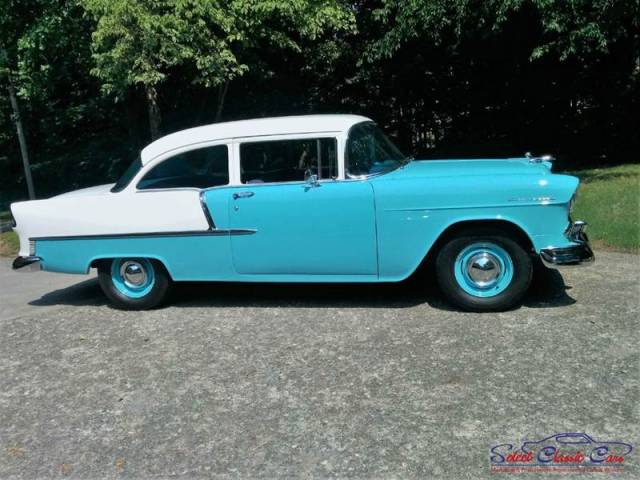
1955 | Chevrolet 210
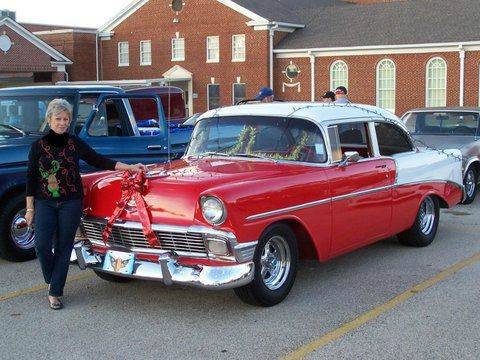
1956 | Chevrolet 210
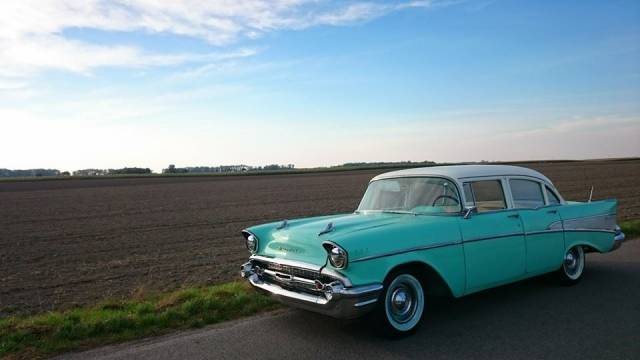
1957 | Chevrolet 210 Sedan
Bel Air - - Turn Key car - UsTitle

Create search alert
Let yourself be notified as soon as a listing is published that matches your search filters.
Create listing
Do you have a Chevrolet 210 that you want to sell? Then create a listing now.
Create listingChevrolet 210 Classic Cars: Prices & Market Values
History of the Chevrolet 210
The Chevrolet 210, introduced in 1953, marked a significant evolution for Chevrolet’s lineup, succeeding the Styleline Deluxe. At a time when American tastes leaned toward modernity and refined styling, the 210 fulfilled this demand. Chevrolet leveraged several assembly plants, such as those in Oakland, Flint, North Tarrytown, and Oshawa, to meet high consumer interest. The car’s designation reflects the trend of the 1950s favouring numeric names, with '210' derived from the original series number 2100. The 210 ran until 1957, after which it was replaced by the Biscayne, continuing Chevrolet’s momentum in the midrange segment.
Model Series Evolution
The 210 series was conceived as a step above Chevrolet’s budget 150 series, but just below the luxurious Bel Air range. Buyers could select from an extensive variety of body types: four- and two-door sedans, station wagons, hardtop coupés, and convertibles. Across its four-year production run, model iterations introduced further refinements and more advanced features, such as the 210 Sport Sedan in 1956. Production ended after the 1957 model year, with the Biscayne taking over as Chevrolet’s volume midrange offering.
Series Highlights and Market Position
Unique among cars of its class, the Chevrolet 210 balanced cost with comfort. It introduced features such as automatic transmissions, power windows, and adjustable seats—equipment not universally found in competitors' midrange models. Engine choices varied year to year and included both the reliable inline-six and more performance-oriented V8 engines. Buyers appreciated the ability to select specific trim and option packages tailored to individual preferences. Distinguishing the 210’s market position, nearly 86% of Chevrolet listings in our supply data are for models with this manufacturer code, while around 14% are specified as 'Serie 210', demonstrating a solid representation among classic Chevrolets. On the demand side, vehicles with this manufacturer code account for over 99% of all Chevrolet listing views, clearly reflecting a continuing, focused interest among enthusiasts.
Technical Data
Special Editions and Collectible Models
Although the core 210 range was produced in large numbers, there were limited availability configurations, particularly the sport sedans introduced in 1956. V8-equipped 210s—especially those combining high-output engines and optional trim—have become sought after due to their power and limited surviving numbers. Unique body styles like the two-door hardtop and station wagon variants also stand out among collectors for their relative rarity and period-correct features.
Engine, Transmission, and Road Performance
Across its production run, the Chevrolet 210 benefited from a steady evolution in engine and chassis technology. The available 140 hp inline-six engine delivered smooth, reliable operation, suitable for everyday cruising. Later models with V8 engines offered a significant bump in straight-line performance without compromising dependability. The transition from column-shifted manual gearboxes to Powerglide automatic transmissions marked an advance in ease of use, benefiting stop-go city driving. The suspension setup prioritised comfort and stability, particularly in the longer station wagon variants. Braking remained drum-based, requiring regular maintenance for optimal effectiveness. - Chevrolet 210 (1953-1957) 2-Door Sedan: Popular with customisers and originalists alike due to its balance of style and simplicity.
- Chevrolet 210 Sport Sedan (1956): Recognised for its higher output engines and additional comfort features.
- Station Wagon variant: Favoured for period-correct practicality and its role in American family motoring history.
Interior, Comfort, Exterior and Design
The Chevrolet 210 captured the evolving American car design ethos of the 1950s, pairing understated chrome with well-proportioned bodywork. Interiors delivered practical comfort, using durable cloth and vinyl materials on seats and door panels, with more elaborate options upon request. Hardtops and convertibles came equipped with unique windshield treatments, while the station wagons featured functional cargo space for families. Special paint colours and contrasting roof combinations were available, underscoring the era’s embrace of customised appearance. Factory accessories frequently included wheel covers, bumper guards, and optional radios, allowing buyers to tailor their vehicles to taste.
Other Relevant Details
The Chevrolet 210’s assembly spanned several North American factories including Oakland, Flint, North Tarrytown, and Oshawa, evidencing its broad popularity across markets. The series consistently retained stable values within the classic car market; according to Classic Data Germany, condition-1 to -3 models are valued between €32,000 and €12,000, a reflection of the model’s steady standing among 1950s American vehicles.
Summary
Produced between 1953 and 1957, the Chevrolet 210 earned a place in automotive history through its blend of affordable comfort, durability, and wide-ranging body styles. Engine options spanned reliable inline-six to potent V8 units, while options for transmission and factory equipment allowed significant buyer choice. Appreciated for solid engineering and a stable price trend in the collector market, the 210 remains a noteworthy example of 1950s U.S. midrange car design and manufacturing.