Buick Skyhawk classic cars for sale
The Buick Skyhawk stands out as a compact coupe from Buick's portfolio, produced over two generations between 1975 and 1989. Well recognised for its distinctive style and unique positioning in the American car landscape, the Skyhawk offers an interesting alternative in the world of classic compact cars. Interested in more details about the heritage and features of this model?
Suchergebnisse
Zur Zeit sind keine passenden Inserate zu Ihrer Suche veröffentlicht.
Create search alert
Let yourself be notified as soon as a listing is published that matches your search filters.
Create listing
Do you have a Buick Skyhawk that you want to sell? Then create a listing now.
Create listingBuick Skyhawk listing references from Classic Trader
Below you will find listings related to your search that are no longer available on Classic Trader. Use this information to gain insight into availability, value trends, and current pricing for a "Buick Skyhawk" to make a more informed purchasing decision.
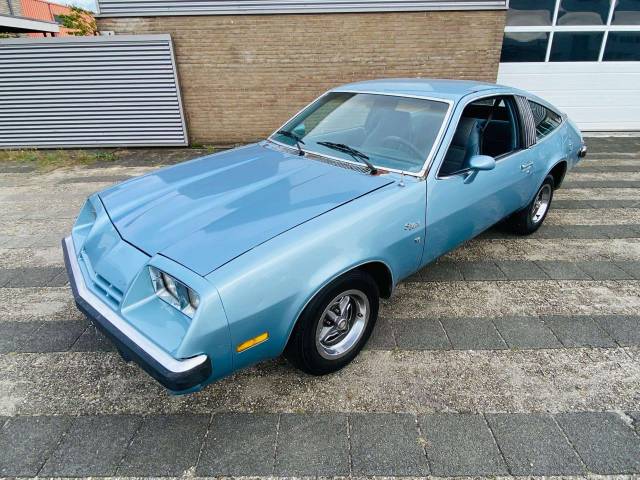
1976 | Buick Skyhawk
Buick Skyhawk 4 HS 07 1976 6 cil opknapper / project aut
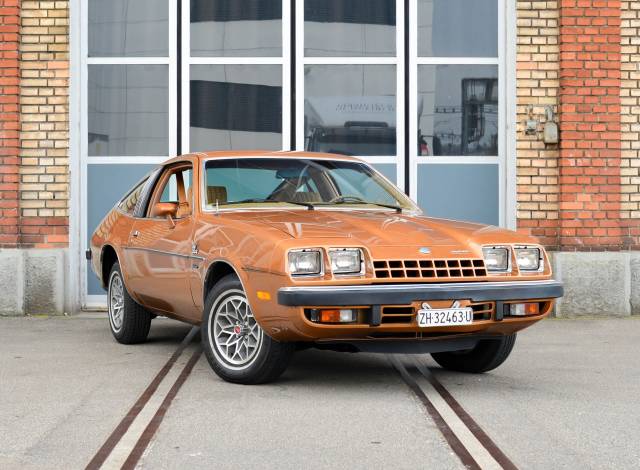
1978 | Buick Skyhawk
1. Hand, garantierte Kilometer
Create search alert
Let yourself be notified as soon as a listing is published that matches your search filters.
Create listing
Do you have a Buick Skyhawk that you want to sell? Then create a listing now.
Create listingBuick Skyhawk Classic Cars: Prices & Market Values
History of the Buick Skyhawk
The Buick Skyhawk was introduced in 1975, reflecting Buick's adaptation to changing automotive trends in the 1970s and 1980s. It was developed to meet the increasing demand for smaller, more economical cars in the American market during the era of rising fuel costs and changing emissions regulations. The Skyhawk launched as part of Buick's compact offering, filling a space below the midsize ranges. Over its lifespan, the Skyhawk went through two distinct generations, each reflecting advances in engineering and design, as well as market expectations of their respective periods.
Model history
The first generation Skyhawk, introduced in 1975, shared its underpinnings with other GM subcompacts but was positioned with a more premium feel typical of Buick. The second generation, which continued production until 1989, showcased changes alongside GM's evolving compact car strategy, including updates in both design and mechanics. The transition from the first to the second generation was marked by efforts to improve efficiency, comfort, and driving dynamics to suit shifting consumer preferences.
Highlights of the Buick Skyhawk
The Buick Skyhawk is distinctive for its combination of compact dimensions and Buick's traditional attention to ride quality and comfort. Unlike many contemporaries, the Skyhawk balanced practicality with an upmarket approach to materials and equipment, aiming to provide a refined experience in a smaller package. Notably, it represents a time when American manufacturers were adapting to a new reality of compact cars.
Technical Data
Special Editions and Collectible Models
While specific details about special or limited editions of the Skyhawk are limited based on available data, certain variants from both generations, especially those equipped with distinct trim or upgraded equipment packages, may hold particular interest for enthusiasts. Always consult individual listings for additional information on rare factory options or collector's editions.
Weak Spots and Common Issues
No model-specific weak spots are currently documented in the available data. As with any classic vehicle, buyers are encouraged to thoroughly inspect mechanical systems, electrical components, and bodywork, paying attention to typical wear or age-related issues noted among cars of this era and construction.
Engine and Performance, Transmission and Handling
The Skyhawk was engineered to deliver reliable, everyday performance with a focus on comfort, not outright speed or agility. Early models typically featured efficient four-cylinder engines, while later versions sometimes included optional V6 powerplants. Driving dynamics balanced American-style ride comfort with compact maneuverability, making the Skyhawk suitable for urban environments as well as longer journeys. Particularly notable are Skyhawk models with factory V6 engines, which added extra power and refinement. Models equipped with manual transmissions can offer a more engaging driving experience for enthusiasts.
Interior, Comfort, Exterior and Design
The Buick Skyhawk reflects the design sensibilities of its time with distinctive exterior lines and characteristic Buick styling cues. Interiors were often trimmed above the average for compacts, featuring available options like upgraded upholstery, air conditioning, and period-correct audio systems. Exterior design evolved between generations, with later models embracing sharper lines and updated front and rear treatments in line with 1980s trends. Optional equipment and accessories vary widely depending on the year and original specification, making it important for buyers to review each vehicle's unique features.
Other relevant features
The Skyhawk's history as a US-market compact from Buick provides interesting context for collectors interested in American automotive responses to global industry shifts in the 1970s and 80s. Its blend of size, equipment, and brand character offers a unique perspective among domestic classics.
Summary
The Buick Skyhawk, produced from 1975 to 1989, offers classic car enthusiasts a well-rounded alternative within the world of American compacts, blending practical size with uprated equipment and comfort. Interest and supply on our marketplace are singularly focused on this model within Buick’s line-up, making it a distinctive search for buyers seeking something off the beaten path. Each example reflects the evolution of its era’s engineering and automotive culture, and careful review of available models will reveal options for every type of collector or enthusiast.