MG MGC Classic Cars for Sale
The MG MGC was produced from 1967 to 1969 as MG’s powerful response to the Austin-Healey 3000’s demise, equipped with a robust six-cylinder engine, available both as Roadster and GT. It stands out with precise engineering updates on the classic MGB template, offering distinct design cues and a dynamic driving experience, making it a rare and sought-after British sports car.
Search results
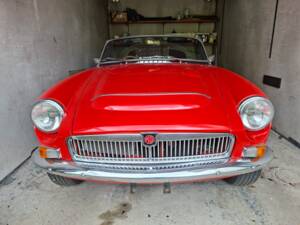
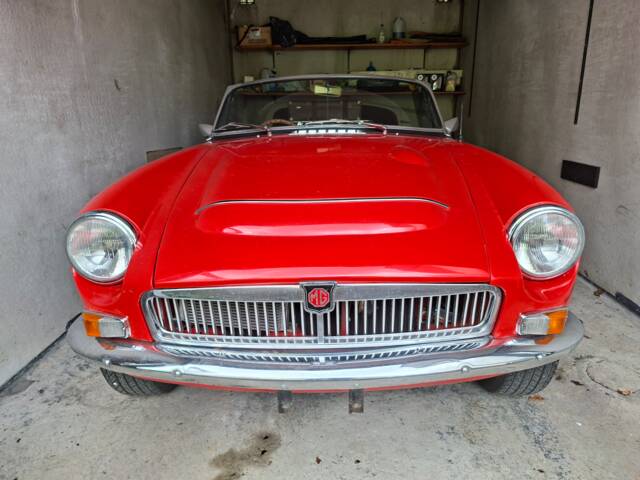
1968 | MG MGC
MG C Cabrio und zusätzlichen Speichenfelgen


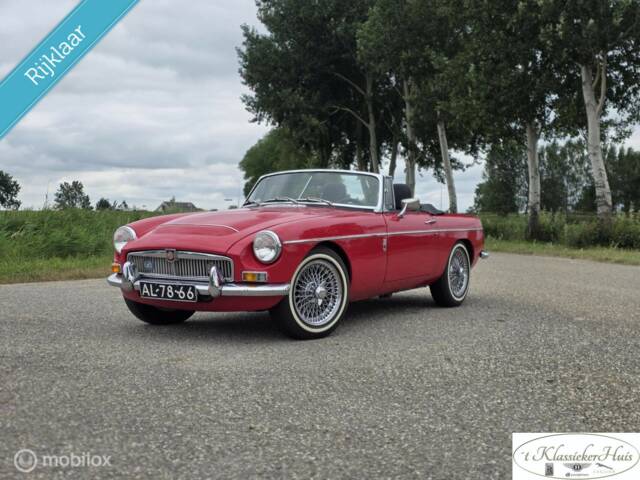
1969 | MG MGC
MG C cabriolet

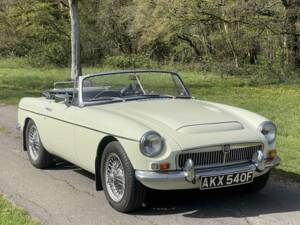
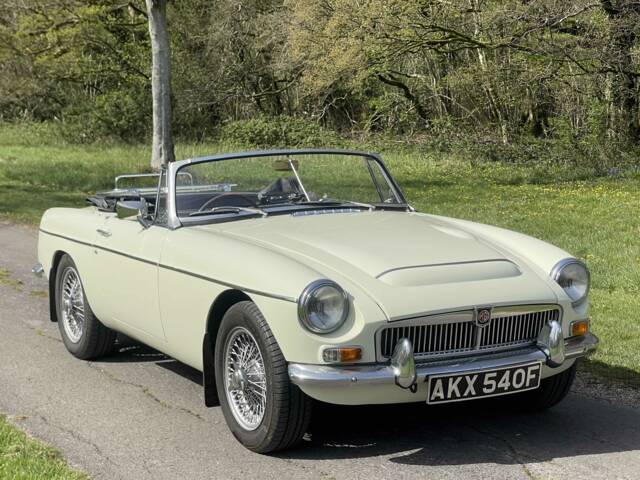
1967 | MG MGC
MGC Roadster

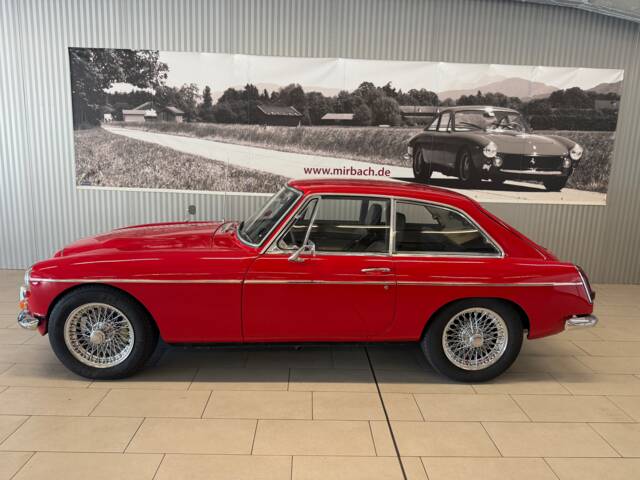
1969 | MG MGC GT
MGC GT Coupé
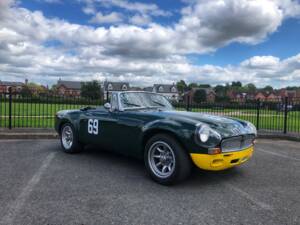
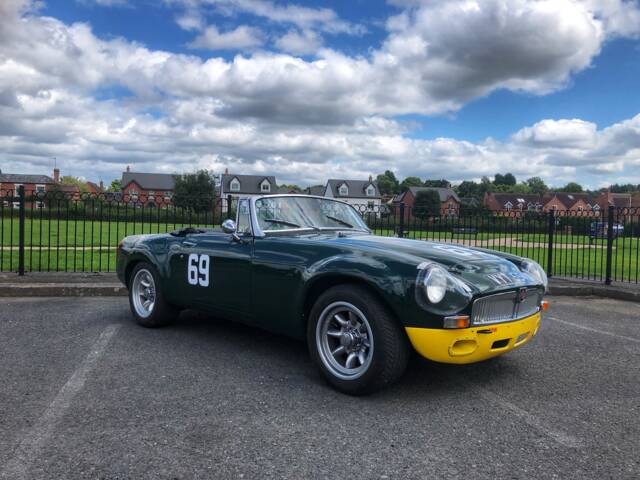
1969 | MG MGC
Unique John Chatham built MGC GTS Roadster - the closest you will get to owning a works racing car

1900 | MG MGC
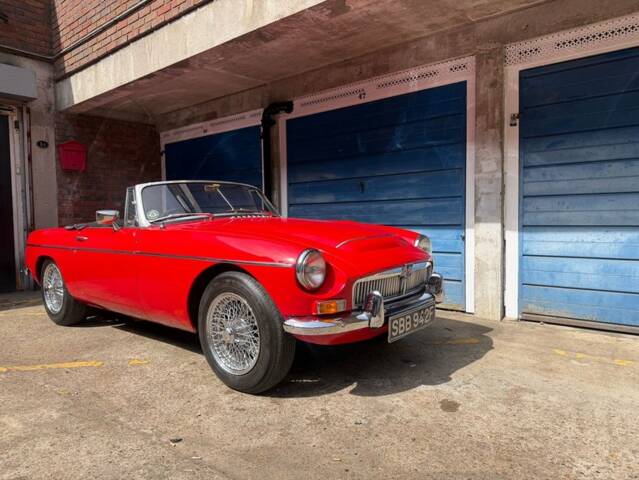
MG MGC
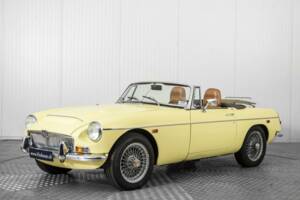
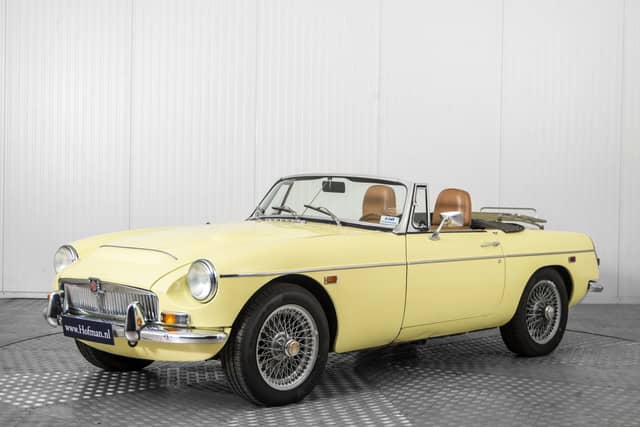
1969 | MG MGC
MG C MGC spaakwielen automaat
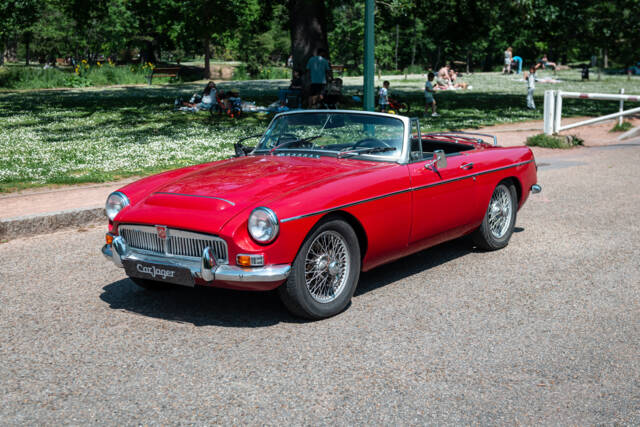
1968 | MG MGC
MG C - LHD - Very good condition - 12-month warranty

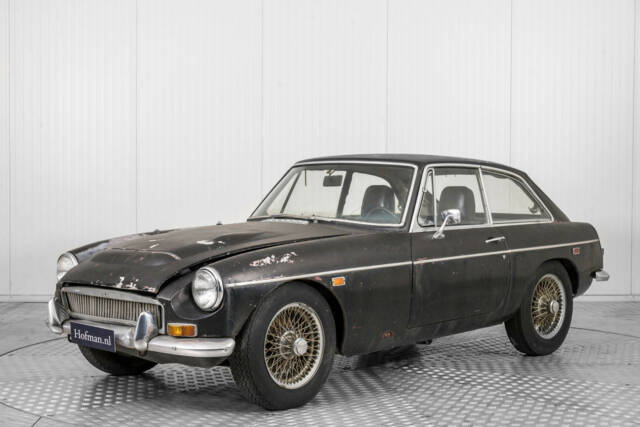
1969 | MG MGC GT
MG C MGC GT MGCGT 3000
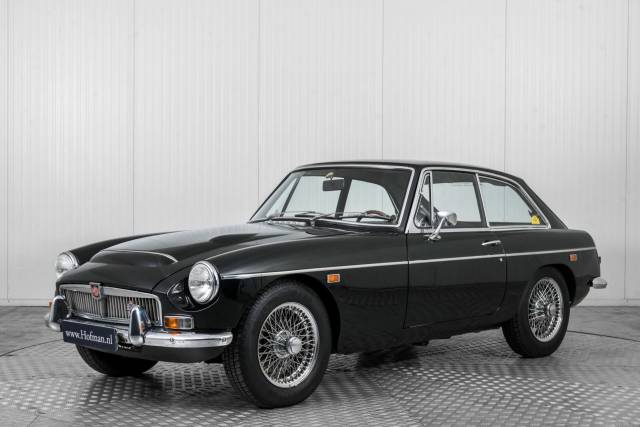
1969 | MG MGC GT
MG C GT MGC GT MGCGT .
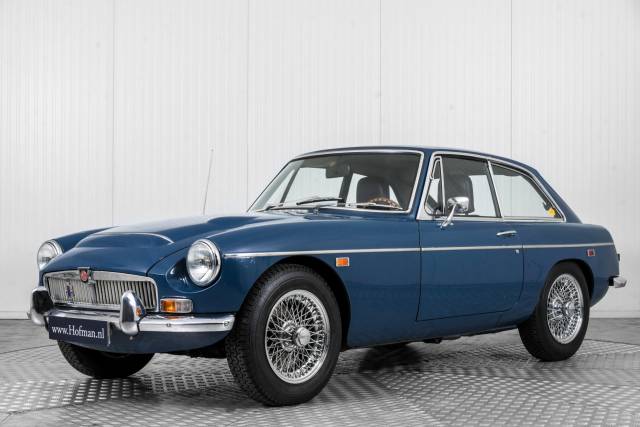
1969 | MG MGC GT
MG C GT MGCGT MGC GT .
MG MGC listing references from Classic Trader
Below you will find listings related to your search that are no longer available on Classic Trader. Use this information to gain insight into availability, value trends, and current pricing for a "MG MGC" to make a more informed purchasing decision.
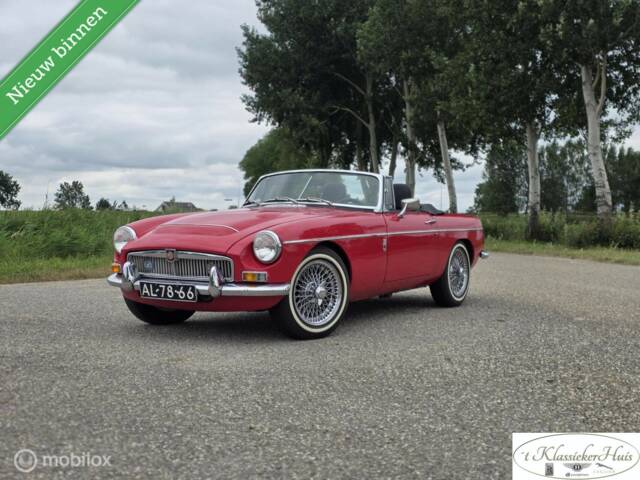
1969 | MG MGC
Triumph MG C cabriolet
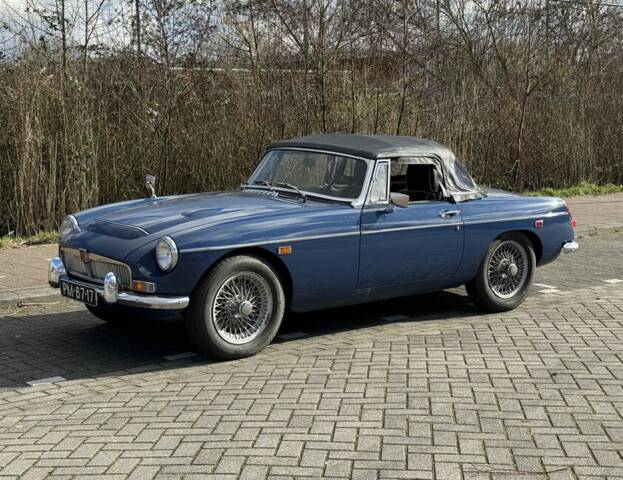
1969 | MG MGC
MG MGC Cabriolet | 1969 | Route 66 Auctions - For sale by auction. Estimate 13500 EUR
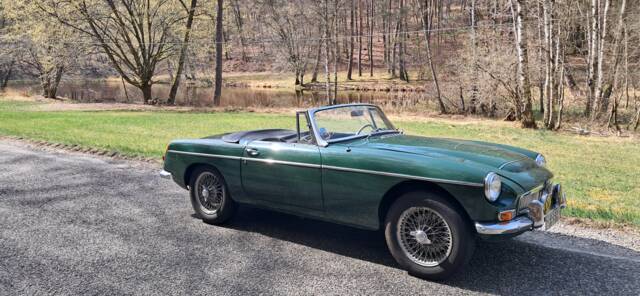
1968 | MG MGC
MG C Cabriolet,
1969 | MG MGC GT
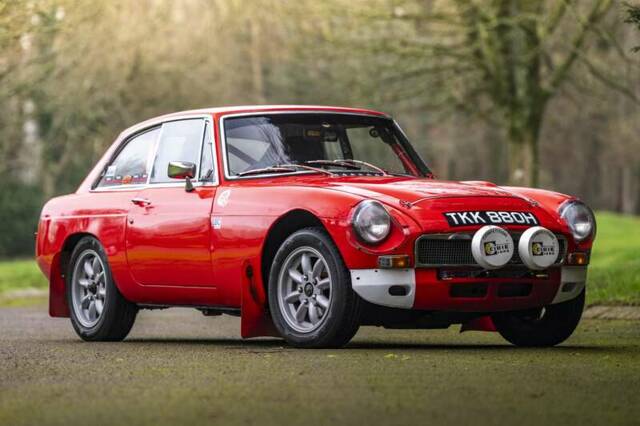
1969 MG C GT Rally Car
MG MGC Classic Cars: Prices & Market Values
The market value of MG MGC classic cars is primarily determined by technical condition, originality and mileage, as well as rarity, history and documentation. A well-maintained, largely original vehicle with low, verifiable mileage and complete history including appraisals and documentation typically achieves significantly higher prices than a comparable vehicle with deferred maintenance, many modifications or unclear provenance.
MG MGC: Market Prices & Value Trends
Based on sales data from the Classic Trader marketplace, the MG MGC market in Europe has been broadly stable to slightly firmer over the period from January 2021 to December 2025, with most pricing driven by condition, originality and whether the car is an MGC Roadster or the MGC GT. Across recent Classic Trader adverts, the realistic core of the market sits well above project-level cars, with a small number of very low prices appearing to be non-comparable outliers. For well-presented, usable examples from the main production years (typically 1967–1969, around 147 hp), a sensible current range is roughly £18,000–£30,000 in the UK, while many Continental European cars cluster around €22,000–€36,000; higher figures do appear, but they are not representative of the typical asking level. In practical terms, buyers should expect to pay a premium for documented restorations and strong provenance, while sellers of honest, largely original cars benefit from steady demand for the MGC’s rare straight-six MG appeal and limited production, which tends to support values rather than encourage heavy discounting.
History of the MG MGC
MG introduced the MGC in 1967 as a more potent alternative to the well-established MGB. Developed by the British Motor Corporation with the intent to fill the void left by the Austin-Healey 3000, the MGC featured extensive chassis and engineering adaptations to house the 2.9-litre straight-six C-Series engine. Over just two production years until 1969, MG manufactured approximately 9,000 units, with roughly equal splits between Roadster and GT bodystyles. Exports, especially to the USA, made up a significant share, while right-hand-drive Roadsters for the UK market are especially rare today. The MGC’s early criticism for its heavier handling compared to the MGB was downplayed over time through the use of better tyres and suspension tweaks.
Model History
The MGC project was conceived as an indirect successor to the Austin-Healey 3000 and built around the MGB's platform. To accommodate the larger six-cylinder engine, MG engineers reworked the engine bay, floor pan, and front suspension, giving rise to a noticeably different mechanical setup while keeping exterior changes minimal—most notably a new bonnet bulge for the engine and carburettor. Available as a two-seater Roadster or the practical 2+2 GT coupé, both benefited from features like improved brakes, revised steering, and exclusive 15-inch wheels. Transmission options included a four-speed manual gearbox (optionally with overdrive) and a rare three-speed automatic.
Highlights of the MG MGC
Key features of the MGC include its 2.9-litre (2912cc) six-cylinder engine, outputting roughly 145 hp and 170 Nm of torque—far more than the four-cylinder MGB. Mechanical advancements include torsion bar front suspension, larger brakes, reinforced chassis and uprated steering ratio, as well as distinctive 15-inch wheels. Further, the domed bonnet with teardrop bulge signalled the more substantial engine bay. Inside, MGCs feature distinct instrumentation, including a speedometer marked to 140 mph and modified tachometer, with interior trim more luxurious than the regular MGB including leather or leatherette seats and thicker carpets.
Technical Data
Special Editions and Collectible Models
Among MGCs, right-hand-drive Roadsters intended for the UK market are especially rare, with just about 1,400 produced. Many MGCs were exported to the USA, making home-market versions particularly collectible today. Factory options included overdrive, hardtop roofs for Roadsters, and rare three-speed automatics, while original cars with period accessories (toolkits, tripmasters, etc.) are highly valued by collectors.
Weak Spots and Common Issues
The MGC’s heavier engine placed more load on the front suspension, leading to initial complaints of understeer—especially with period tyres and setup. Improvements such as updated tyres, upgraded shock absorbers, and better alignment have since mitigated these issues for most owners. Cooling system attention is essential, given the extra heat produced by the straight-six, as is regular inspection of the front suspension and steering components. Routine checks of the braking system and electricals (lights, dash instruments) are also prudent due to the age of these vehicles. Expect usual classic car requirements: vigilant rust prevention, particularly in floors and sills, and care with the optional overdrive transmissions.
Engine and Performance, Transmission and Handling
The MGC’s 2.9-litre six delivers robust power and a distinctive sound, propelling the car with a 10-second sprint to 100 km/h and a maximum speed near 120 mph (193 km/h). The increased front-end weight over an MGB means altered driving dynamics—most notably some inherent understeer—but suspension upgrades and modern tyres offer much improved handling. The robust live rear axle and torsion bar front end provide a composed, if grand touring, feel, while the standard four-speed manual (with available overdrive) delivers relaxed motorway cruising. Power assisted braking ensures safe stops, crucial for spirited driving.
Popular Models:
- MGC Roadster – Open-top, two-seater configuration, favoured for summer touring.
- MGC GT – Practical 2+2 coupé, offering all-weather comfort and storage space. undefined
Interior, Comfort, Exterior and Design
The MGC retained much of the MGB’s classic lines but added purposeful detail: the powerdomed bonnet with teardrop clearance, unique to MGC, hints at the engine beneath. The car sits on 15-inch wire or alloy wheels, and exterior trim varies (minimal chrome adornment or, depending on market, subtle changes in grille or badges). Interiors feature upgraded seats—often leather or vinyl with accent piping—and special instrument clusters. The GT coupé offers a 2+2 layout, while the Roadster is exclusively a two-seater. Factory options included radios, hardtops, luggage racks, and varied upholstery colours, with typical finishes in Tartan Red, Mineral Blue, British Racing Green, Glacier White, and Pale Primrose Yellow. Banjo-spoke and Moto-Lita wood-rimmed steering wheels are common period accessories.
Other Noteworthy Features
Many MGCs feature period modifications or sympathetic upgrades: electronic ignition, stainless steel exhausts, performance carburettors (e.g., Weber), improved radiators, and additional gauges such as voltmeters. Rally-style options—Tripmasters, roll bars, and seatbelt harnesses—also appear on enthusiast examples. Documentation, including factory Heritage certificates and detailed histories, is sought after when buying.
Summary
The MG MGC represents a distinctive episode in British sports car history, pairing the familiar MGB platform with a sophisticated straight-six engine for enhanced touring comfort and performance. Produced for only two years, it remains one of MG’s rarest post-war models, its combination of performance, comfort and exclusivity underscoring its enduring fascination on the classic car scene.