Ford Fiesta classic cars for sale
Compact, agile and available in numerous variants, the Ford Fiesta has shaped the landscape of superminis since its debut in 1976. From economical city runabouts to performance-focused XR2 and ST models, the Fiesta offers an impressive spectrum of technical innovations and comfort features. Discover which model suits your passion for classic Fords.
Search results
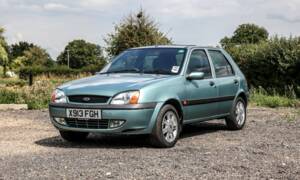
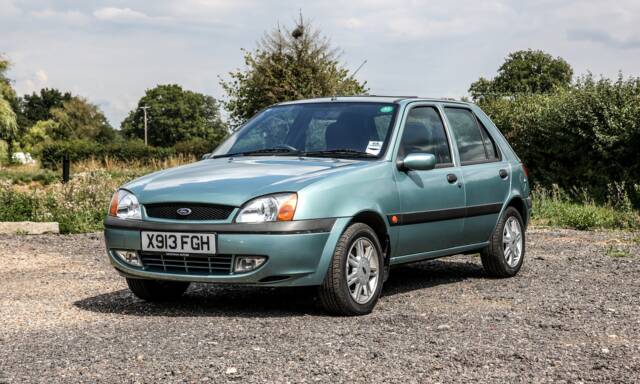
2000 | Ford Fiesta 1.25i
2000 Ford Fiesta Zetec (Mk. 4)

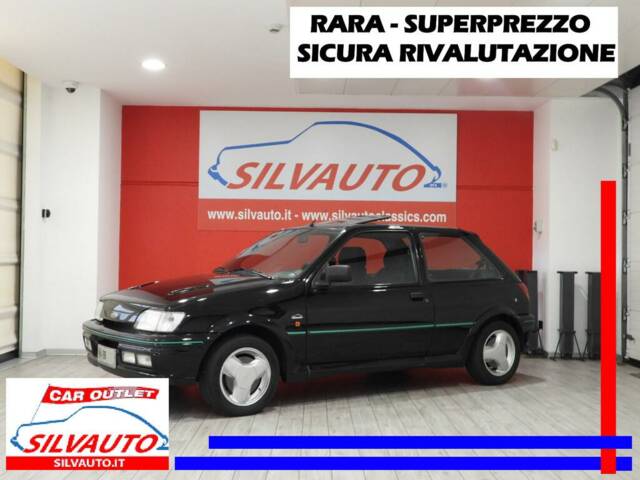
1991 | Ford Fiesta RS Turbo
FORD FIESTA RS TURBO MKIII (1991) YOUNGTIMER DI SICURA RIVALUTAZIONE – RARA – SUPERPREZZO

Auctions ending soon

Loading…
Loading…
Loading…
Loading…
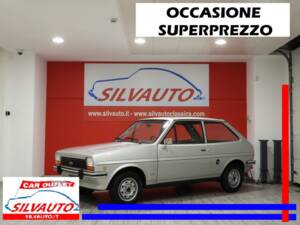
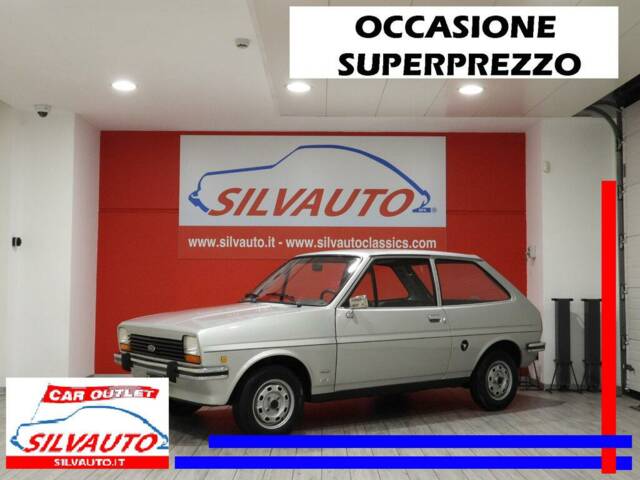
1977 | Ford Fiesta
FORD FIESTA 900 L MKI - CONSERVATO – SUPERPREZZO (1977)
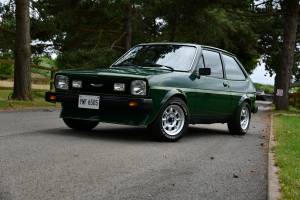
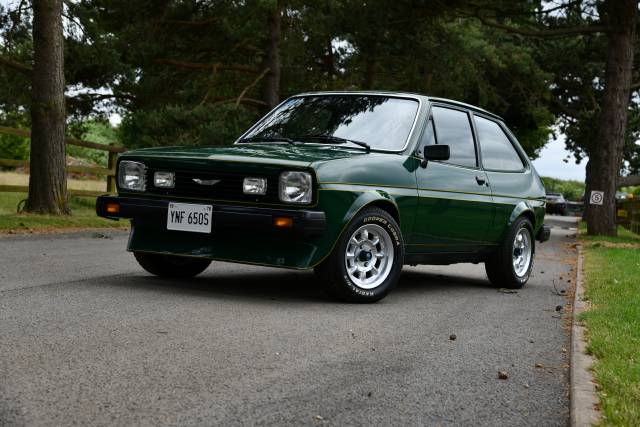
1978 | Ford Fiesta Healey
Healey Fiesta
Newsletter
The best Ford listings, straight to your inbox
Get hand-picked Ford listings, plus the best of cars, motorbikes, and auctions on Classic Trader — all in one place.
Ford Fiesta listing references from Classic Trader
Below you will find listings related to your search that are no longer available on Classic Trader. Use this information to gain insight into availability, value trends, and current pricing for a "Ford Fiesta" to make a more informed purchasing decision.
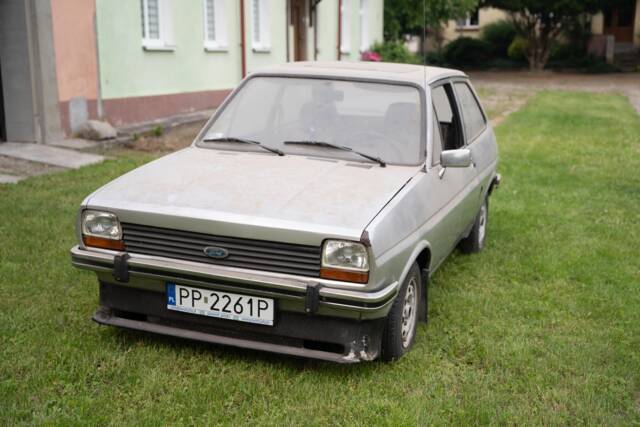
1980 | Ford Fiesta
Ford Fiesta MK1 1980

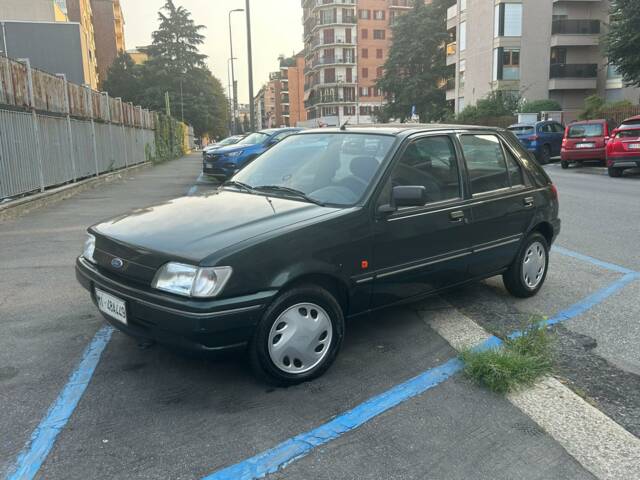
1994 | Ford Fiesta 1.3
Ford Fiesta storica 1994 – pochi km – iscritta auto d’epoca
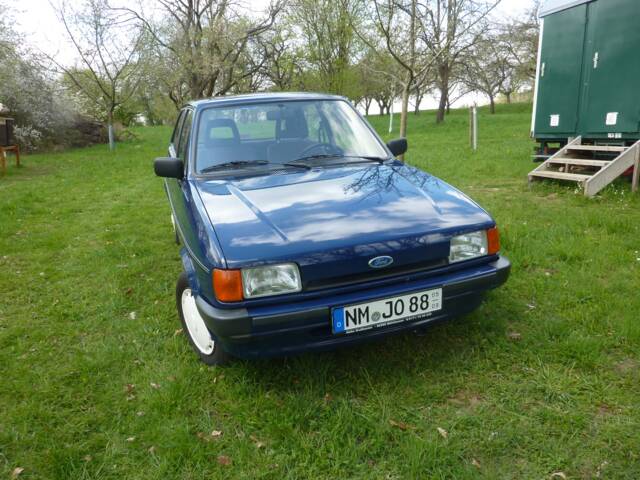
1988 | Ford Fiesta 1.1
Ford Fiesta 1.1

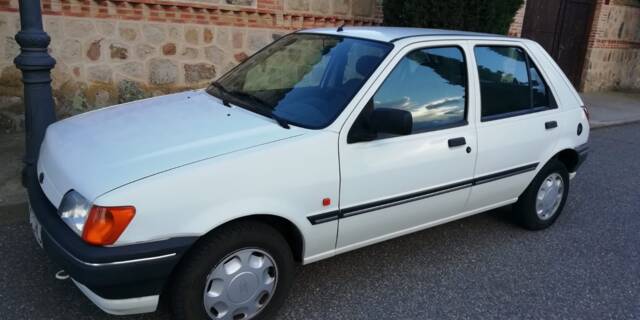
1989 | Ford Fiesta 1.4
Original. Un solo dueño

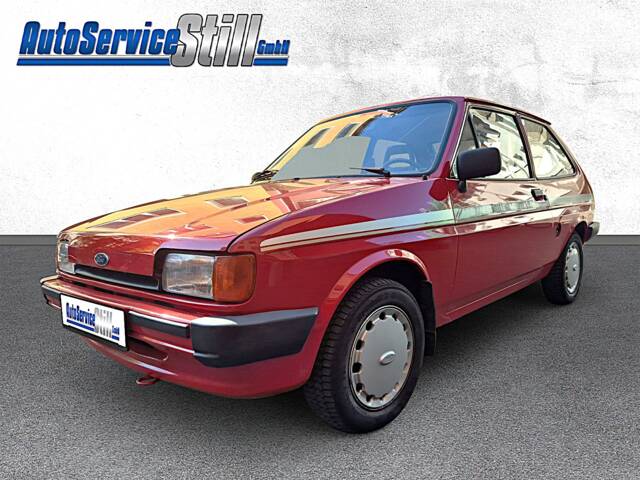
1987 | Ford Fiesta 1.6 D
Rarität für Liebhaber: Ford Fiesta C Diesel (Baujahr 1987) – Oldtimer mit H-Kennzeichen in Top-Zustand!
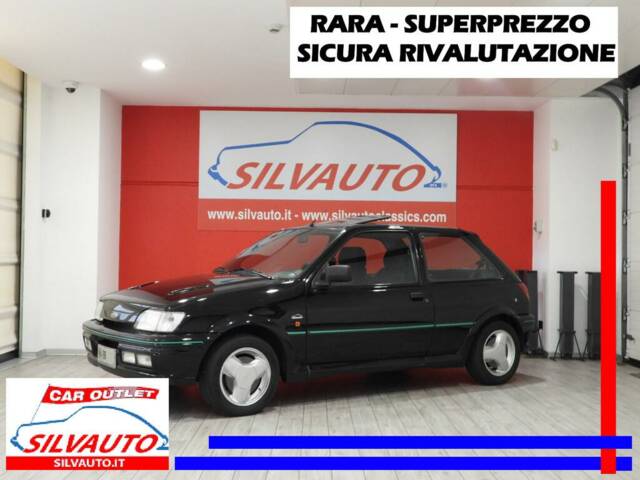
1991 | Ford Fiesta RS Turbo
FORD FIESTA RS TURBO MKIII (1991) YOUNGTIMER DI SICURA RIVALUTAZIONE – RARA – SUPERCONDIZIONI – SUPERPREZZO
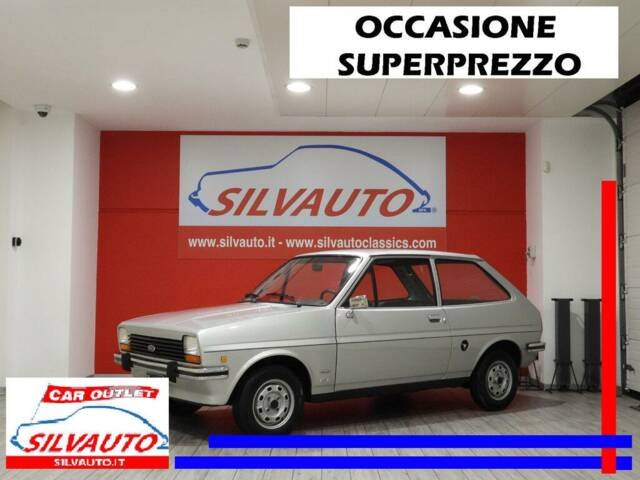
1977 | Ford Fiesta
FORD FIESTA 900 L MKI - CONSERVATO – SUPERPREZZO (1977)
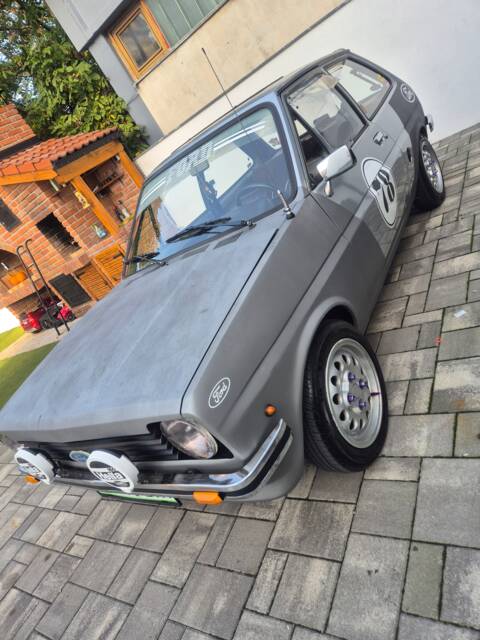
1978 | Ford Fiesta 1.1
Ford Fiesta MK1 Oldtimer (1978
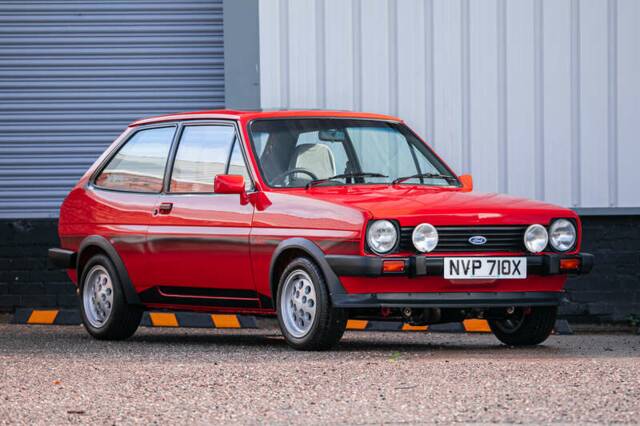
1982 | Ford Fiesta XR2
1982 Ford Fiesta Mk 1 XR2
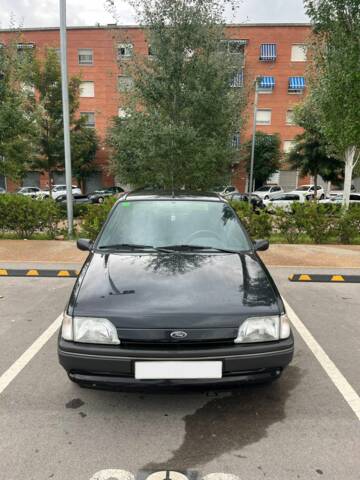
1995 | Ford Fiesta 1.25i
Ford Fiesta Classic Cars: Prices & Market Values
History of the Ford Fiesta
Launched in 1976, the Ford Fiesta was Ford’s answer to the surging demand for compact, efficient hatchbacks in Europe. Manufactured primarily in Europe and positioned below the Escort, the Fiesta carved its own niche over seven generations until 2023. Its versatility, reflected in body styles, trim levels and engine choices, quickly made it a staple on British and continental roads.
Model History and Generations
The Fiesta lineage begins with the Mk1 introduced in the late 1970s, carrying through to Mk7, with each generation gaining safety, style, and technical improvements. Early Fiestas featured frugal petrol engines around 1.0–1.3 litres. Later generations brought diesel options, performance derivatives (like the XR2, RS Turbo, ST), and enhanced interior quality. The Mk1–Mk3 models are now highly sought-after in the classic market and are especially popular among enthusiasts for their simplicity and mechanical accessibility. The Fiesta’s direct predecessor was the Ford Anglia/Escort 1100, while its modern successor functions have largely passed to the Ford Puma in the Ford lineup.
Highlights and Features
Throughout its production, the Fiesta stood out for its blend of practicality and innovation. Features depended on year and trim but included heated rear screens, adjustable and sometimes electric door mirrors, central locking, power windows, folding rear seats, sunroofs (manual or electric), and a wide array of factory radios and sound systems. Sportier models like the XR2 and ST introduced sport seats, stiffer suspension, distinctive alloy wheels (notably the “Pepperpot” design), and prominent badges.
Safety technologies evolved from basic anti-burst locks and crumple zones in early Fiestas to driver and passenger airbags, ABS braking systems, EBD and immobilisers (PATS) in later models.
In our supply statistics, Serie III accounts for 33.3% of current listings, ahead of Serie I (29.2%) and Serie II (24%). Demand data shows Serie I is particularly attractive for buyers, with nearly 48% of Ford Fiesta ad views, suggesting strong collector and nostalgic interest. Serie III follows at 25.3% and Serie II at 21.9%.
Technical Data
Special Editions and Collectible Models
Several Fiesta special editions gained collector status, including the sporty XR2 and XR2i, the powerful RS Turbo, and the highly regarded ST150 and ST500. Luxury variants such as the Ghia and Calypso meanwhile offered unique upholsteries and decorative elements. Special editions like Super Sound and accessory packages provided additional individuality—these were sometimes market- or year-specific. The most sought-after variants often feature limited-run paint codes, signature alloy wheels, and enhanced interior trim.
Engine, Performance, Transmission and Handling
The Fiesta’s dynamism comes from its low kerb weight, agile handling and range of nippy engines. Early units, like the 1.1 LX, offered modest performance (0–100 km/h in 15.8s, 89 mph top speed). The XR2 improved on this with 9.3s to 100 km/h and 109 mph, while the ST pushes acceleration to under 8 seconds and a top speed of 129 mph. Most models were fitted with manual transmissions, with auto options rare and typically reserved for certain markets. Suspension setups ranged from standard to sport-tuned in RS and ST trims, with braking systems evolving from simple drum/diagonal split to modern discs with ABS for stronger performance and reliability. - Fiesta XR2/XR2i: Recognised for its sport suspension and iconic "Pepperpot" alloys.
- Fiesta RS Turbo: Turbocharged 1.6 engine, uprated brakes, handling upgrades.
- Fiesta ST/ST150/ST500: 2.0 Duratec engine, 0–100 km/h in under 8s, 17-inch wheels.
- Fiesta Ghia: Top spec, luxury interior.
- Fiesta Calypso, Super Sound: Special upholstery and sound system packages.
Interior, Comfort, Exterior and Design
Ford’s approach with the Fiesta was function with flourish. Interiors vary from basic to plush (velours, leather in Ghia/ST), with sports seats in XR2/ST. Dashboard layouts improved with each generation, offering better ergonomics and digital clocks in later runs. Accessories ranged from simple glove compartments and radio-cassettes to full trip computers and climate options in upmarket versions. On the outside, distinguishing features include matte black mirrors, model-specific decals/stripes, factory sunroofs, and alloys, with colour palettes often unique to each series or special edition. Replacement parts and restoration accessories, including original toolkit and caps, remain widespread.
Other Notable Features
Many Fiestas were assembled in the UK, Germany, and Spain, leading to some regional specification differences. A rich aftermarket and motorsport scene—especially in the UK—has resulted in a wide array of performance parts, from chassis kits to turbo conversions. Owners benefit from abundant spare parts, detailed service infrastructure, and strong community support.
Summary
Across its extensive production history, the Ford Fiesta has thrived on adaptability, technical evolution and a wide range of collectable variants. From simple city cars to hot hatch gems and exclusive limited editions, the Fiesta presents a vast playing field for enthusiasts, collectors, and drivers seeking reliable, mechanically straightforward classics with enduring charm.