Peugeot D4 classic vehicles for sale
The Peugeot D4, often affectionately called the "Nez de Cochon" by enthusiasts, stands out among French classic vans as a versatile vehicle with a distinctive look. Produced up until at least May 1965, it remains a sought-after collector’s item whether as a camper, utility van or retro promotional vehicle. Renowned for its robust engine within its class, the D4 offers a unique mix of French industrial charm and practical utility.
Search results
Currently, there are no matching listings for your search.
Create search alert
Let yourself be notified as soon as a listing is published that matches your search filters.
Create listing
Do you have a Peugeot D4 that you want to sell? Then create a listing now.
Create listingPeugeot D4 listing references from Classic Trader
Below you will find listings related to your search that are no longer available on Classic Trader. Use this information to gain insight into availability, value trends, and current pricing for a "Peugeot D4" to make a more informed purchasing decision.
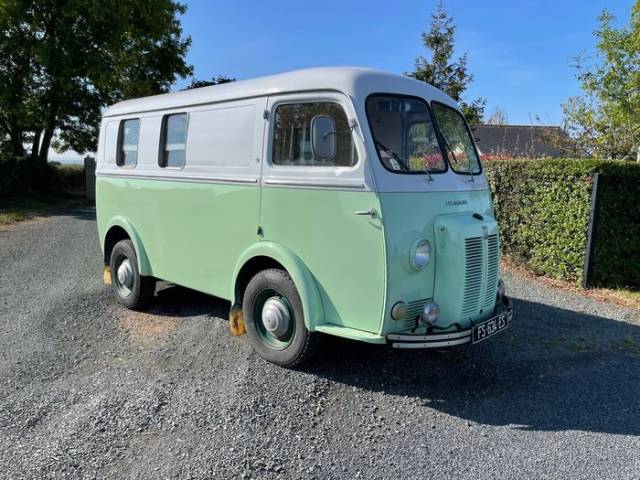
1965 | Peugeot D4B

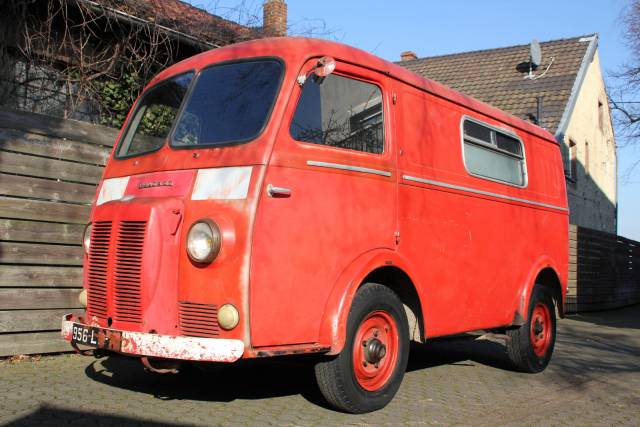
1965 | Peugeot D4B
D4B Bus Bulli Camper Food-Truck D4a

Create search alert
Let yourself be notified as soon as a listing is published that matches your search filters.
Create listing
Do you have a Peugeot D4 that you want to sell? Then create a listing now.
Create listingPeugeot D4 Classic Cars: Prices & Market Values
History of the Peugeot D4
The roots of the Peugeot D4 trace back to the innovative Chenard-Walcker van, one of France’s first front-wheel-drive light commercial vehicles. After Peugeot acquired Chenard-Walcker in 1950, the van was rebranded as the D3, and later updated into the D4. From October 1950 until 1965, the D4 was a common sight on French roads, serving artisans, businesses, and even the postal service. Its forward-control layout, placing the cab over the engine and wheels, maximised cargo space in a relatively compact body. This approach, combined with its reliability, helped establish the D4 as a staple of post-war French commerce.
Model history: Evolution within the D-Series
The Peugeot D3, originally developed by Chenard-Walcker, set the stage for the D4’s technological direction. Transition to the D4 came with mechanical and cosmetic upgrades, further refining its practicality and power. The D4 inherited the D3’s pioneering front-wheel-drive layout but benefitted from continual improvements in engine output and driving comfort. Production continued until at least May 1965, after which Peugeot shifted its commercial efforts to more modern van designs.
Highlights and unique features of the Peugeot D4
A defining feature of the D4 is its "Nez de Cochon" or "Pig’s Nose" nickname, derived from its unmistakable front-end design. Flexibility was key to its design: it could be configured as a panel van, minibus, promotional vehicle, or even a camper. The metal dashboard and utilitarian interior reflect a focus on durability and function. Used both as a collector’s piece and in regular utility roles, the D4’s robust engine—outperforming competitors of its time—was a particular selling point. Regular technical inspections such as the French CT or MOT are typically required for road use.
Technical data: Peugeot D4
Special editions and notable variations
Peugeot D4 variants primarily reflect functionality—configurations included panel vans, minibuses, campers, and promotional versions. Special factory adaptations for commercial or municipal use were occasionally available. Collectible interest often focuses on rare conversions, such as original camping layouts or preserved promotional vans with vintage livery.
Weak spots and common issues
No notable known issues or recurring weak spots have been specifically documented from our sources. Potential buyers should nevertheless pay particular attention to the condition of the chassis and bodywork, as rust can be a concern in vehicles of this era, especially those originally used for heavy-duty purposes. Regular technical inspections are required for vehicles in France, which helps in monitoring mechanical soundness.
Engine and performance, transmission and handling
The Peugeot D4’s front-wheel-drive system was advanced for light commercial vehicles of its time, offering superior grip and balance under load compared to many rear-drive rivals. Its engine, often highlighted for being the most powerful among its peers, delivered reliable torque that made it ideal for both city deliveries and longer hauls. The forward-control, cab-over layout resulted in a short turning radius and excellent forward visibility, which benefited urban driving. The most sought-after configurations include original panel vans and rare camper conversions, both of which exemplify the D4’s practical versatility and enduring charm.
Interior, comfort, exterior and design
Inside, the D4 is spartan yet practical, with a metal dashboard and minimalistic upholstery—emphasising its utilitarian origins. Exterior paint options were generally limited to factory colours, though preserved or restored promotional vans often feature eye-catching retro livery. Accessories and interior modifications were common among camper and promotional conversions, including modular seating and period-correct signage. The exterior’s easily recognisable "Nez de Cochon" front is both a visual hallmark and a testament to its French industrial heritage.
Further noteworthy features
Registration as a classic or collector’s vehicle is common with the D4, and many examples retain or can obtain the original French ‘carte grise’ collector’s documentation. Its continued presence at classic auctions and shows across Europe highlights sustained interest among collectors and enthusiasts. The D4’s adaptability—as both a workhorse and a lifestyle vehicle—continues to inspire owners and restorers today.
Summary
The Peugeot D4 remains emblematic of post-war French practical engineering—durable, versatile, and instantly identifiable by its unique "pig’s nose" front. Its enduring supply and demand ratios reflect its singular position among classic Peugeot vans. Whether preserved as a collector's piece or transformed into a historic promotional or camping vehicle, the D4 exemplifies utility wrapped in unmistakable French character.