Peugeot 403 classic cars for sale
The Peugeot 403, designed by Pininfarina and produced from 1955 to 1966, stands as Peugeot's first model to surpass one million units. Available as saloon, estate, van, and cabriolet, it’s valued for its robust engineering, proven reliability, and low running costs—a true classic for enthusiasts keen on originality and practical use.
Search results
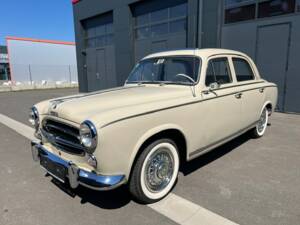
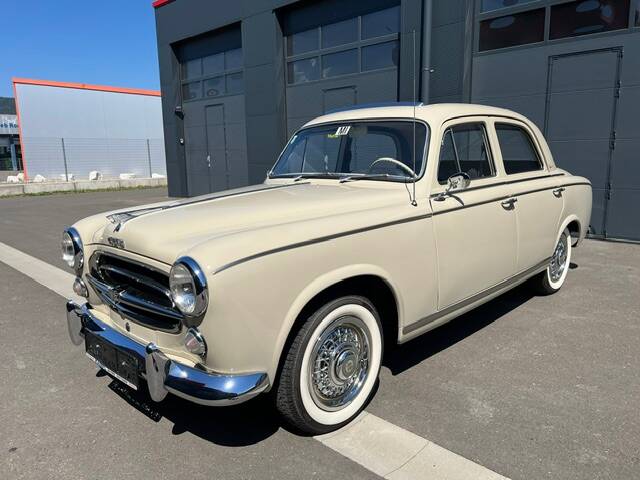
1959 | Peugeot 403
Sedan version with sunroof

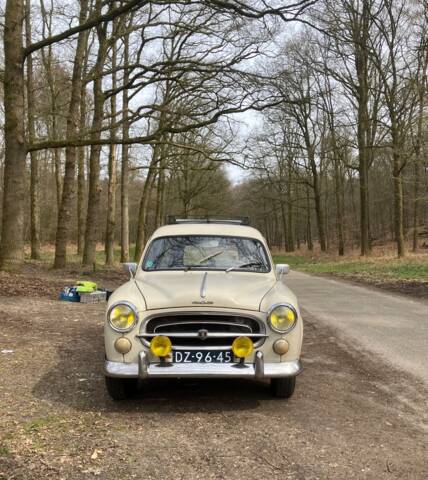
1958 | Peugeot 403 Familiale
Commercial

Peugeot 403 listing references from Classic Trader
Below you will find listings related to your search that are no longer available on Classic Trader. Use this information to gain insight into availability, value trends, and current pricing for a "Peugeot 403" to make a more informed purchasing decision.
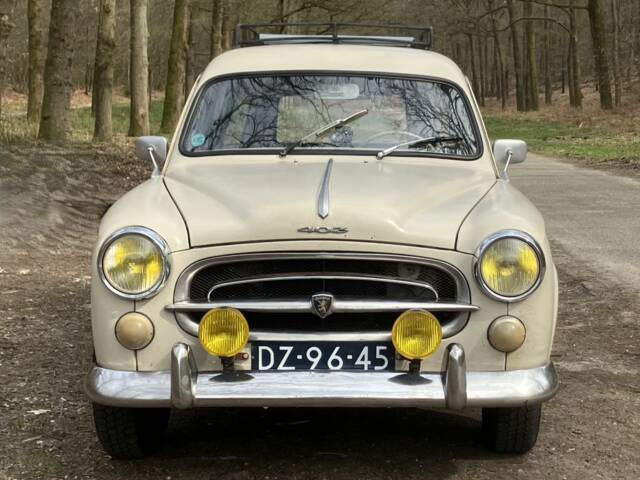
1958 | Peugeot 403 Familiale
Peugeot 403 Commerciale | 1958 | Route 66 Auctions - For sale by auction. Estimate 4200 EUR
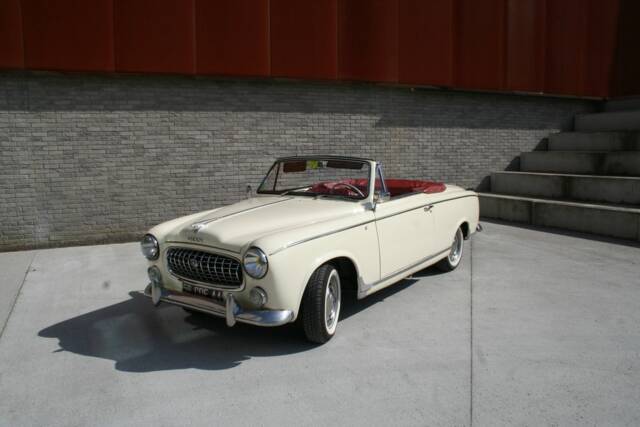
1960 | Peugeot 403 C
Peugeot 403 Cabriolet Grand Luxe | 1960 | Route 66 Auctions - For sale by auction. Estimate 44500 EUR
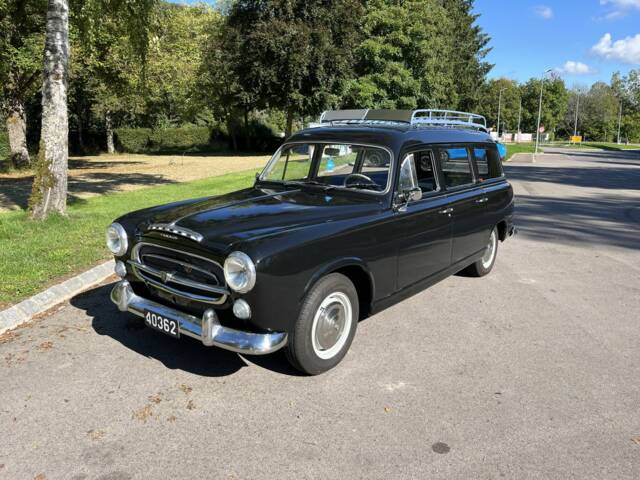
1961 | Peugeot 403 LD Familiare
Peugeot 403 Commerciale | 1961 | Route 66 Auctions - For sale by auction. Estimate 5500 EUR
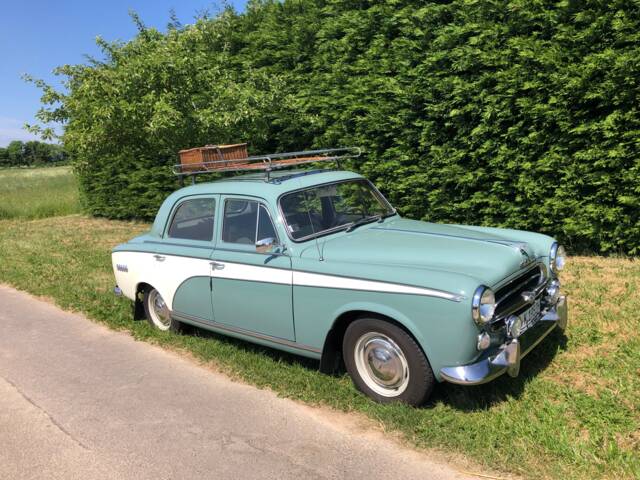
1958 | Peugeot 403
Tüv neu

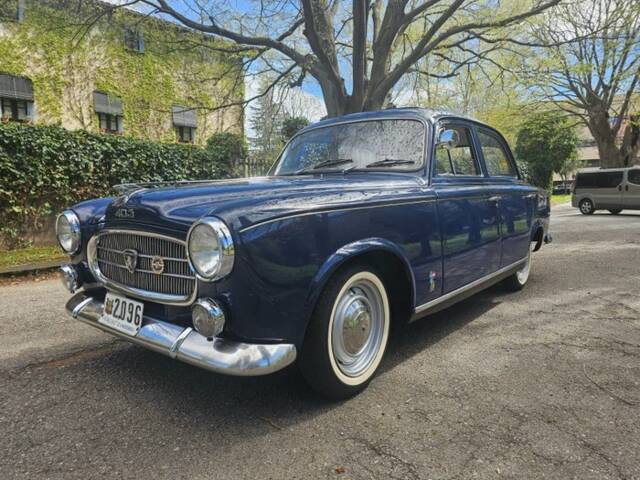
1960 | Peugeot 403 Diesel
Peugeot - 403 Diesel - NO RESERVE - 1960
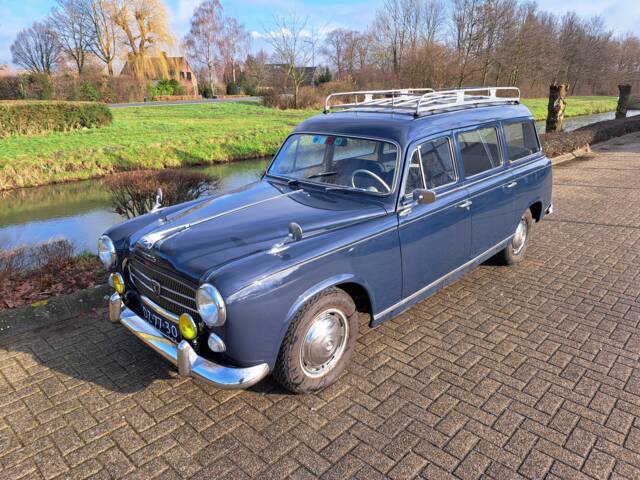
1959 | Peugeot 403 Familiale
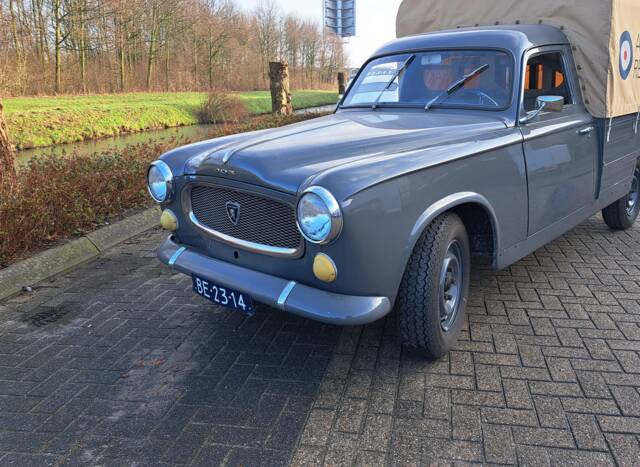
1965 | Peugeot 403 Diesel
B8 Camionnette Canvas top
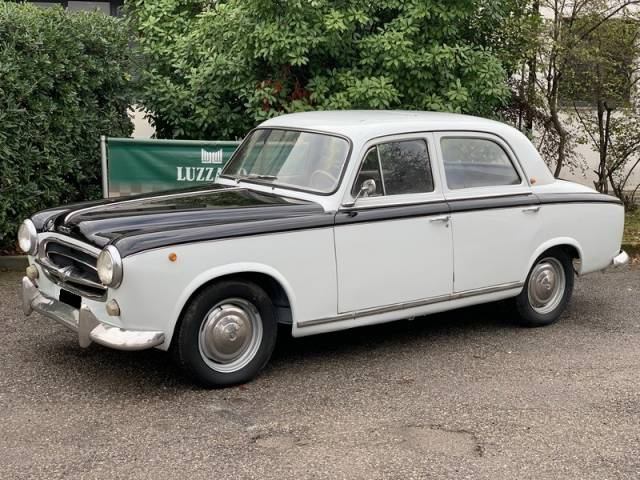
1958 | Peugeot 403
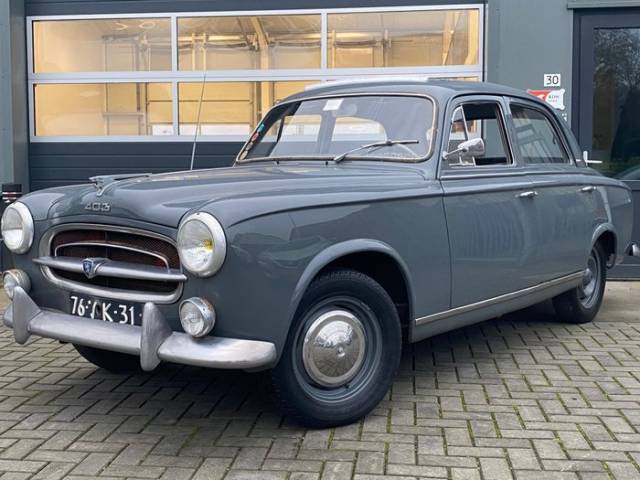
1956 | Peugeot 403
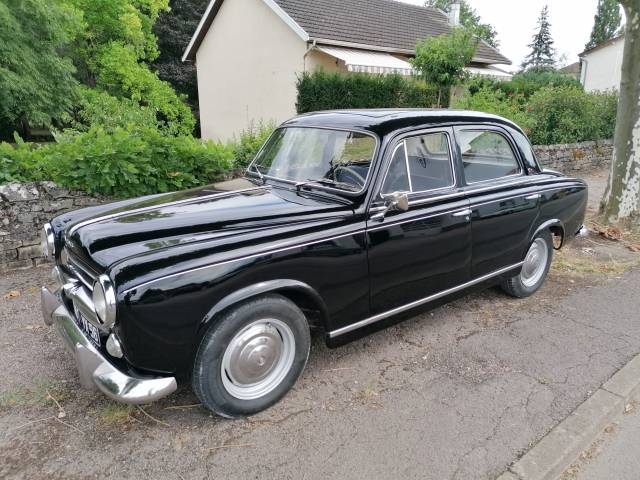
1957 | Peugeot 403
Luxe ; 8cv; Toit ouvrant
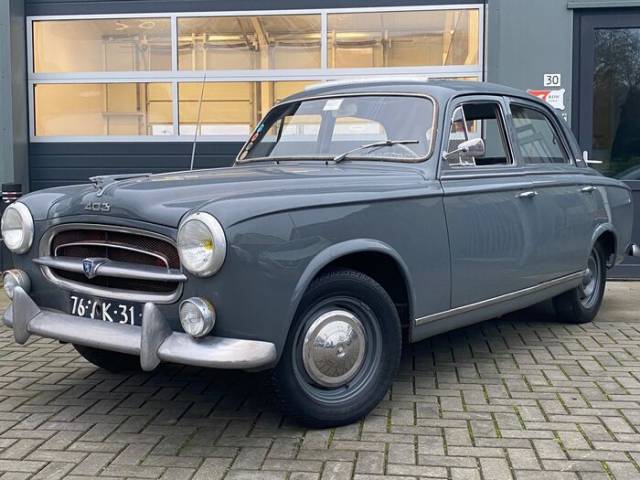
1956 | Peugeot 403
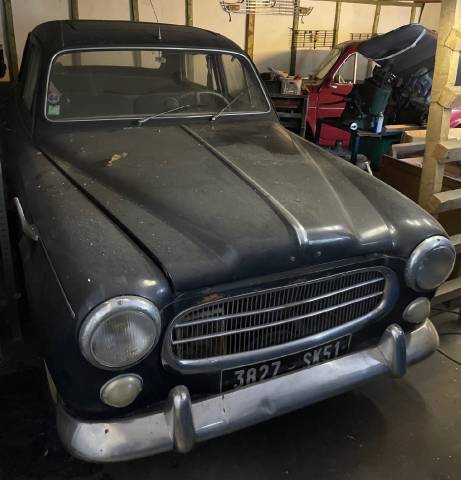
1958 | Peugeot 403
403 Coupleur Jaeger (F Papieren)
Peugeot 403 Classic Cars: Prices & Market Values
History of the Peugeot 403
First unveiled in Paris in April 1955, the Peugeot 403 marked a significant leap for the manufacturer, both stylistically and in production scale. With its body penned by Italian design house Pininfarina, the 403 embraced a modern, international style while delivering functionality. The model series established Peugeot as a volume manufacturer, topping 1.2 million units produced—including commercial variants—by the end of its run in October 1966. The 403’s prominence extended beyond its native France, with models sold in more countries than any previous Peugeot. On the domestic market, its high retail price limited presence in Germany where it competed with local premium brands. Nonetheless, its reputation for durability was established early: even the factory at Sochaux assigned one in ten workers solely to quality assurance. Noted for dependable service, the 403 was originally built for an intended duty cycle of 400,000 km, appealing to both private and professional users.
Model History
Following as a successor to the Peugeot 203, the 403’s introduction brought major advances, including multiple body styles: Berline (saloon), Cabriolet, Commerciale (estate), Familiale (seven-seater), Fourgonnette (van), and Camionette (pickup). Early models featured a 1.5l petrol engine providing 58 hp, later supplemented by a 1.3l petrol (54 hp) and, from 1959, Peugeot’s first mass-produced passenger car diesel—a 1.9l unit with 48 hp. Throughout its eleven years, the 403 underwent only mild updates, such as the 1958 addition of lower-mounted indicators and a redesign of the grille in 1961 to a more minimalist look. The 404 succeeded the 403 in 1960 (continuing in tandem for several years), extending Peugeot's mid-size offering in a modern direction. The 403 Cabriolet, in particular, gained notoriety through appearances in the TV show 'Columbo'.
Highlights and Unique Features
The Peugeot 403 was engineered for dependability, reflected in its intended high lifespan and consistently low running costs—matched only by rivals like the Citroën 2CV and Renault R4. Known for straightforward maintenance, the 403 featured robust construction and solid component longevity. Its range of body types allowed adaptation for both family and commercial settings. Special variants included models with sliding sunroofs and the semi-automatic '403 Coupleur Jaeger'. Long delivery times were a testament to strong demand, especially in international markets, despite high retail prices in export countries like Germany. The model is noted for entries and eligibility in historic events such as the Mille Miglia and Targa Florio rallies.
Technical Data
Special Editions and Collectible Models
Notable among the range is the Peugeot 403 Cabriolet, which became a classic in its own right, particularly after regular appearances in ‘Columbo’. The '403 Coupleur Jaeger' introduced a semi-automatic transmission, unique within its class at the time. The model's eligibility for the Mille Miglia and Targa Florio rallies, along with its presence in the Mille Miglia Registro, adds appeal among collectors and motorsport participants.
Engine, Performance, Transmission and Handling
The 403’s four-cylinder powerplants deliver smooth, reliable performance, and its conventional rear-wheel-drive layout coupled with robust suspension ensures comfortable handling even on long journeys. Designed with simplicity in mind, the mechanics are accessible for routine maintenance. The diesel version, pioneering for Peugeot in volume production, offered impressive endurance and efficiency. The saloon and estate models are especially commended for everyday usability and distance driving, reinforced by reports of vehicles covering several hundred thousand kilometres. 1. 403 Berline: 1.5l petrol, four doors, practical and widely available. 2. 403 Cabriolet: sought after for open-top driving and its place in television history. 3. 403 Familiale: Seven-seater, popular for spaciousness and adaptability. 4. 403 Fourgonnette: preferred in commercial roles for robust construction and ample loading volume.
Interior, Comfort, Exterior and Design
The Peugeot 403’s lines, crafted by Pininfarina, set it apart with a restrained and elegant silhouette, later refined with a simplified grille after 1961. Notable design features include side-mounted indicators on early models, optional sliding sunroof, and thoughtful interior ergonomics for its era. The interior features straightforward instrumentation for clarity, and high-quality materials highlight Peugeot’s focus on longevity. Special finishes, such as distinct colour palettes and accessories sourced from factory or clubs, offer enthusiasts numerous opportunities for personalisation. The availability of original or reproduction parts is maintained via European 403 owner clubs.
Other Features
Several Peugeot 403s were equipped with auxiliary fuel tanks or secondary fuel pumps for extended range and reliability. The model is widely supported by enthusiast clubs offering spare parts inventories, technical advice, and regular events. Vehicles in solid condition start at around €10,000, with the 403 often recommended as an approachable entry point into classic motoring. The car’s exemption from the APK in the Netherlands, though optional, facilitates ownership for Dutch enthusiasts.
Summary
Peugeot’s 403 series remains an essential pillar in the history of post-war European cars, embodying the durability and accessible engineering the brand strove to establish. Its broad production run, Pininfarina-led design, and practical technology ensure its continued presence in the classic car world—especially for those who value reliability, ease of use, and the global impact of French automotive innovation.