Peugeot J7 Classic Cars for Sale
The Peugeot J7, produced from 1965 to 1980, stands out as a robust and practical light commercial vehicle. With flexible configurations—from van to pick-up and even camper conversions—it found widespread use in crafts, trades, and delivery services. Its front-wheel drive and variety of body and engine options made it popular among professionals seeking functional transport. Discover more about the J7's technical evolution and unique features below.
Search results
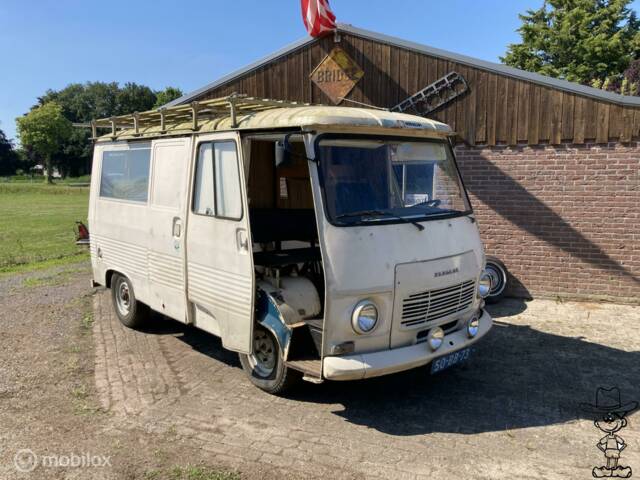
1971 | Peugeot J7
j-7 trekhaak foodtruck / camper project

Peugeot J7 listing references from Classic Trader
Below you will find listings related to your search that are no longer available on Classic Trader. Use this information to gain insight into availability, value trends, and current pricing for a "Peugeot J7" to make a more informed purchasing decision.
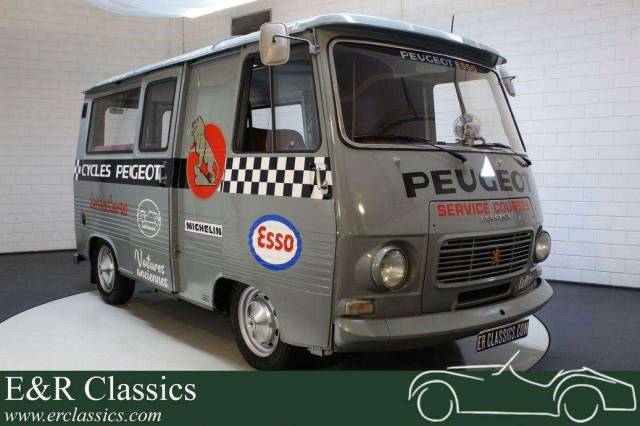
1974 | Peugeot J7
Peugeot Camper J7 Uitvoerig gerestaureerd | Topstaat | 1974
1974 | Peugeot J7
Peugeot J7 camper | Uitvoerig gerestaureerd | Topstaat | 1
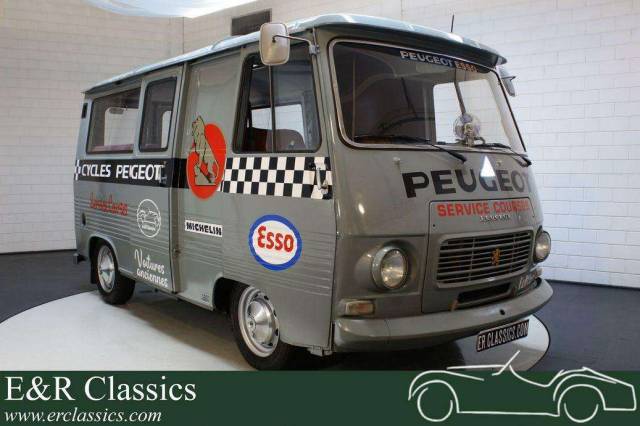
1974 | Peugeot J7
Peugeot J7 Camper| Uitvoerig gerestaureerd | Topstaat | 19
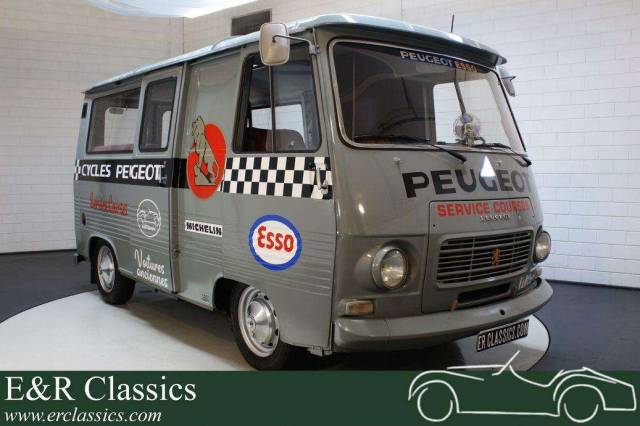
1974 | Peugeot J7
Peugeot camper Personenbus
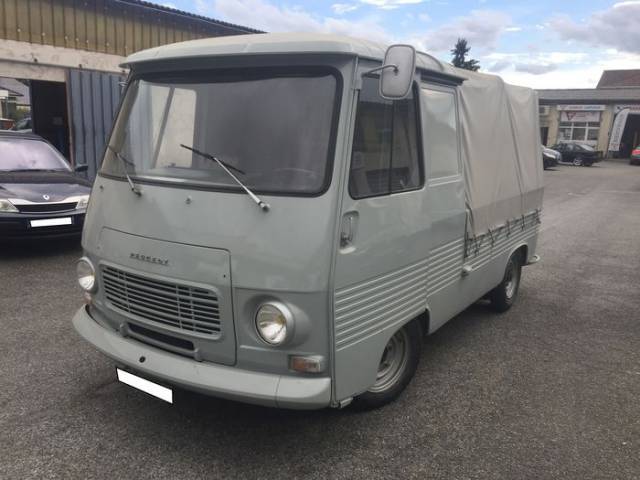
1973 | Peugeot J7
Peugeot J7 Classic Cars: Prices & Market Values
History of the Peugeot J7
Introduced in 1965, the Peugeot J7 filled a vital role in France's post-war economy as a versatile light-duty van. Developed to replace the Peugeot D3/D4 series, the J7 responded to growing demand for compact vans with front-wheel drive and improved space utilisation. Over its production span, the J7 underwent detail improvements but remained fundamentally true to its mission: providing reliable, accessible transportation for tradesmen, businesses, and municipal uses. In 1981, Peugeot introduced the J9 as its direct successor, building upon the core strengths and recognisable design of the J7.
Model History
The J7 followed Peugeot's D3 and D4 vans and brought modern features such as front-wheel drive and an updated, more functional body shape. The J7 was produced for 15 years and manufactured in over 336,000 units, available in multiple body styles—panel van, pick-up, minibus, flatbed, and chassis cab. The J7 was particularly well-suited for conversions and special bodies, often seen as ambulances, mobile workshops, and campers. Its platform formed the backbone of small commercial fleets throughout France and many European countries. Production ended in 1980, shifting to the J9, which improved further on the proven J7 base.
Highlights of the Peugeot J7
The Peugeot J7 distinguished itself with its flexibility in configuration and size. Available as both petrol and diesel models, it featured engines like the 1796cc petrol unit producing 65 PS. Its lightweight ladder-frame chassis provided durability and could be reinforced for demanding use. The load area, sometimes covered by canvas and lined with wood flooring, proved ideal for tradespeople and delivery work, while seating arrangements varied depending on the model. Owners appreciated the straightforward mechanics and reliable four-speed manual transmission.
Technical Data
Special Editions and Collectible Models
Various specialist versions of the Peugeot J7 exist, including variants with extended chassis, pick-up bodies, and bespoke conversions—such as ambulances, campervans, and mobile workshops. While not factory special editions in the typical sense, these commercial adaptations underscore the J7’s flexibility and the expertise of specialist coachbuilders who worked with the robust Peugeot chassis.
Weak Spots and Common Issues
Potential buyers of the Peugeot J7 should take care to inspect for rust, particularly on older vehicles—especially around the frame and floor. The ladder chassis, though sturdy, is prone to corrosion if not properly maintained. The exhaust system often needs replacement after many years, and synthetic leather seats can show significant wear. Regular maintenance of the transmission and ensuring technical inspection (such as the German TÜV) is up to date is recommended, given the vehicle's age and typical commercial use history.
Engine, Performance, Transmission, and Handling
The J7 is powered by solid inline-four petrol engines, like the 1796cc variant producing 65 PS, or diesel options suited for heavy commercial use. Its front-wheel drive configuration was advanced for its time and granted reliable traction, benefiting driving dynamics under load. The four-speed manual transmission is robust but does require occasional adjustment or overhaul in older vehicles. Ride quality is tuned for utility over comfort but remains manageable thanks to the vehicle's moderate size and low centre of gravity. Popular J7 versions include the 1.8-litre petrol panel van (65 PS) and pick-up variants. The pick-up, with its flatbed and often canvas cover, stands out for its practical applications for tradespeople and small businesses.
Interior, Comfort, Exterior, and Design
The Peugeot J7’s design focuses on practicality and functionality. Its boxy shape maximises cargo space, while large sliding doors and easily accessible load areas reflect its intended use as a working vehicle. The interior is durable, with synthetic leather seating and simple dash layouts. Wood-floored cargo holds are not unusual, and modifications are common. Special accessories like additional seating or custom shelving catered to professional requirements. Exterior trim was generally modest, but various body colours and decors appeared with special commissions and commercial branding.
Other Features
The J7’s utility extended far beyond standard cargo duties; it frequently served as a basis for custom conversions including food trucks, minibuses, and mobile offices. Its versatility remains its greatest asset on the classic market, making it a staple for restoration projects aimed at functional use or nostalgia-driven business applications.
Summary
The Peugeot J7 remains a benchmark in classic light commercial vehicles, due to its simple mechanics, flexibility, and robust design. Its presence on the market is strong, with all classic Peugeot commercial listings currently comprising the J7. Enthusiasts value the J7 for its accessible engineering, historical significance, and adaptability, whether used for restoration, period-correct businesses, or custom conversions.