Peugeot 304 classic car for sale
The Peugeot 304, produced from 1969 to 1980, is a compact family car known for its Pininfarina design, range of body styles, and notable comfort. Developed to target Western European markets, it offered technical innovations such as front-wheel drive and a light alloy engine. Today, well-maintained examples are valued among enthusiasts who appreciate its dynamic driving experience and Continental charm.
Search results
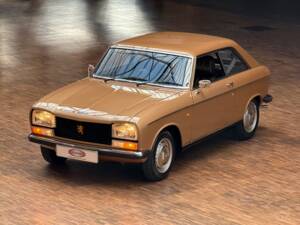
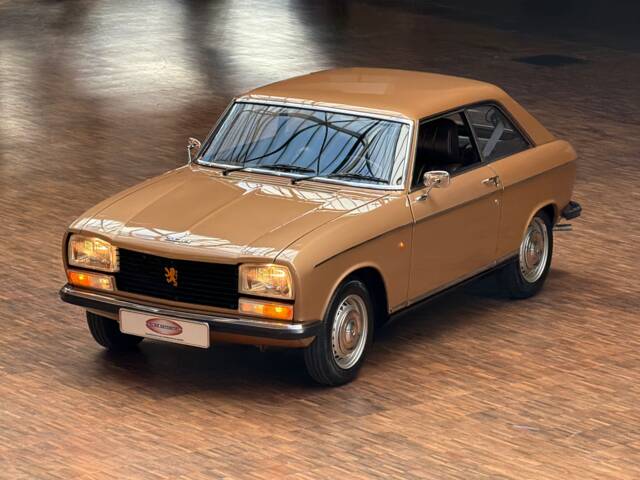
1973 | Peugeot 304 S Coupe
Picture-book car

Peugeot 304 listing references from Classic Trader
Below you will find listings related to your search that are no longer available on Classic Trader. Use this information to gain insight into availability, value trends, and current pricing for a "Peugeot 304" to make a more informed purchasing decision.
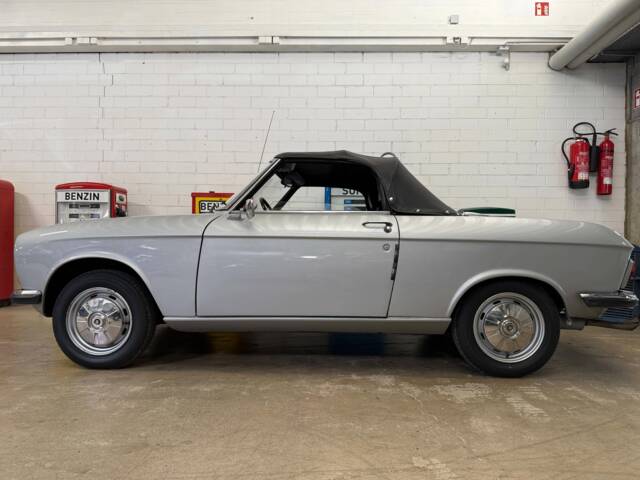
1971 | Peugeot 304 Convertible
Peugeot 304
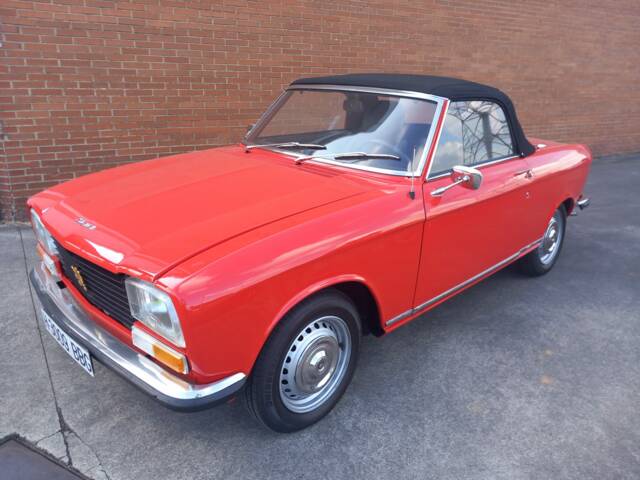
1972 | Peugeot 304 S Cabriolet
Peugeot 304 S Cabriolet 1972 | Elegancia francesa a cielo abierto

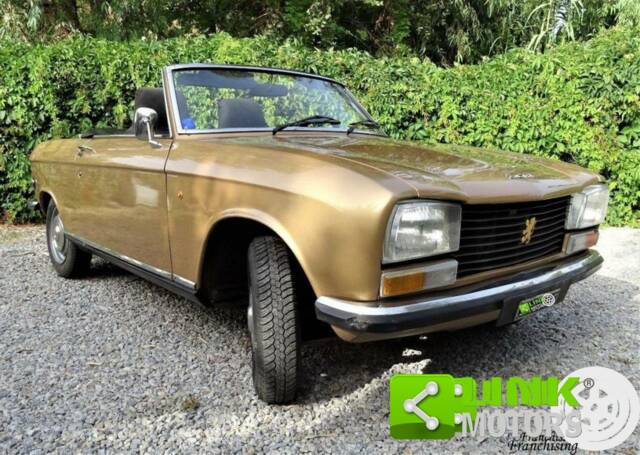
1975 | Peugeot 304 Convertible
PEUGEOT 304 Cabrio (Unicoproprietario)
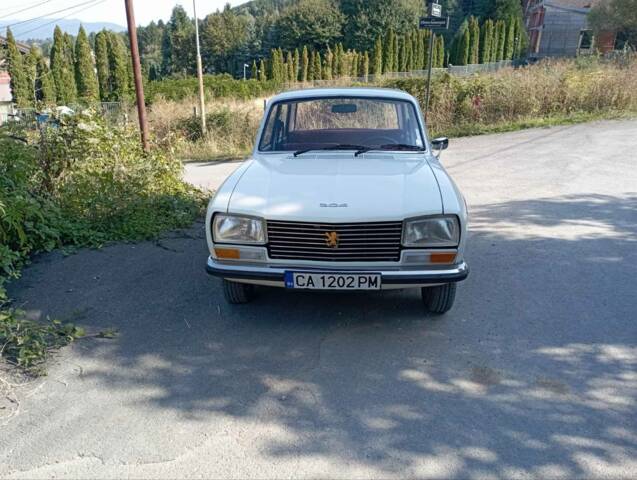
1972 | Peugeot 304
Peugeot 304
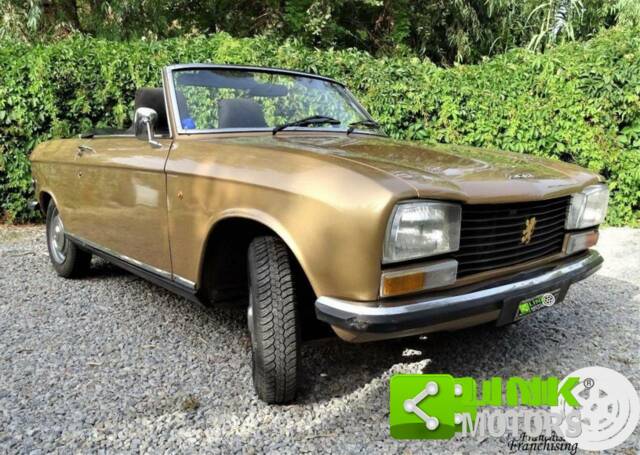
1975 | Peugeot 304 Convertible
PEUGEOT 304 Cabrio (Unicoproprietario)
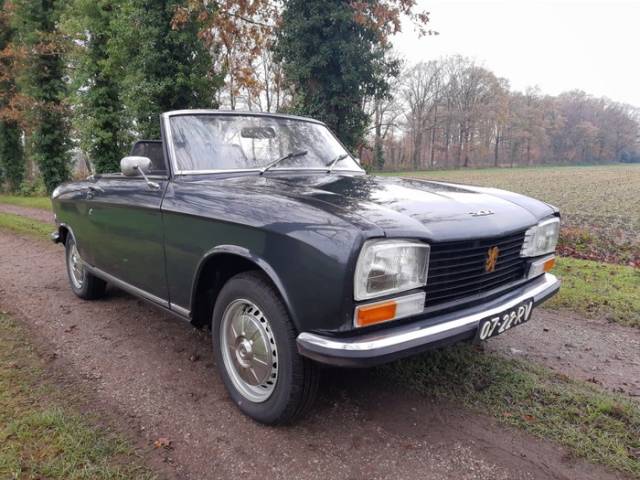
1971 | Peugeot 304 Convertible
Peugeot - 304 Cabriolet - 1971
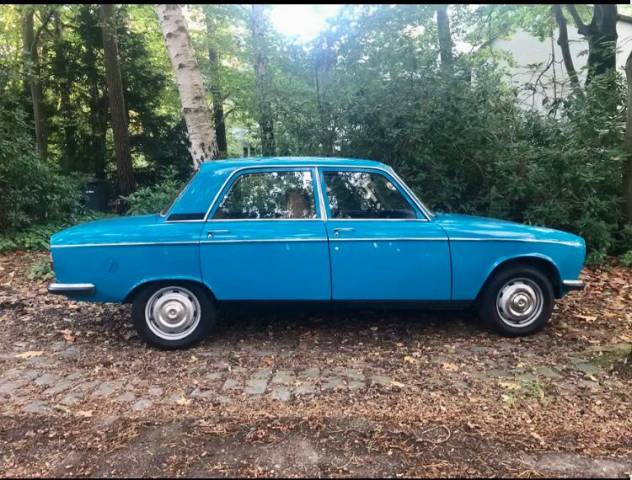
1976 | Peugeot 304
'Margootje', een Peugeotje in goede staat

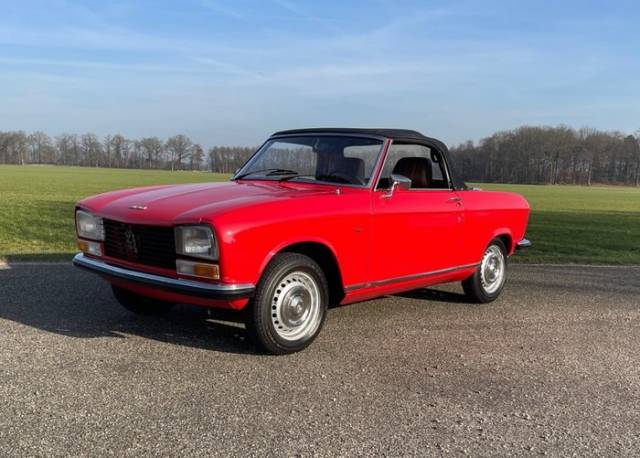
1973 | Peugeot 304 S
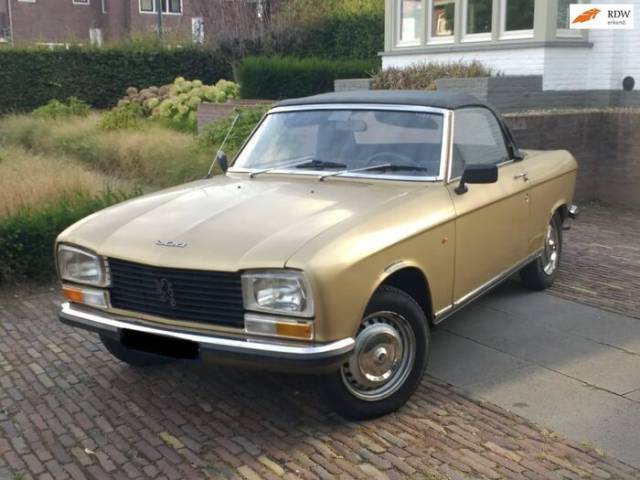
1973 | Peugeot 304 S Cabriolet
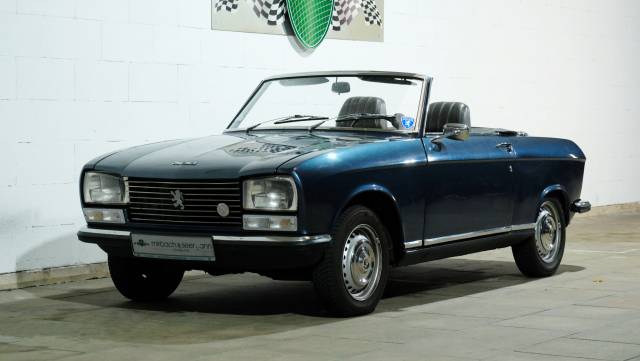
1972 | Peugeot 304 Convertible
Kompaktes Cabrio mit viel Platz für 2
Peugeot 304 Classic Cars: Prices & Market Values
The market value of Peugeot 304 classic cars is primarily determined by technical condition, originality and mileage, as well as rarity, history and documentation. A well-maintained, largely original vehicle with low, verifiable mileage and complete history including appraisals and documentation typically achieves significantly higher prices than a comparable vehicle with deferred maintenance, many modifications or unclear provenance.
Peugeot 304: Market Prices & Value Trends
Based on sales data from the Classic Trader marketplace, the Peugeot 304 market in Europe (with many recent adverts from Italy, plus examples in the Netherlands, Germany and France) looks broadly stable from 2021 to September 2025, with only modest movement in typical asking prices. Most 304 Convertibles and 304 S Cabriolets from the early-to-mid 1970s (often 65–75 hp, e.g. 1972–1975 cars) cluster around the £9,500–£10,500 mark in 2024–2025, suggesting a steady mainstream level rather than a sharp rise. More affordable saloons appear intermittently around £4,500–£8,000 depending on condition, while higher-priced coupe/cabriolet examples can reach the mid-teens (around £13,000–£15,500), but these should be treated as the upper end rather than the norm. A realistic current market range is therefore roughly £8,000–£11,000 for most presentable 304 open-top cars, with project-grade outliers well below that. The model’s gentle appreciation and current stabilisation are likely driven by classic French-car nostalgia, usable running costs, and the relative rarity of tidy Cabriolets.
History of the Peugeot 304
The Peugeot 304 debuted at the Paris Motor Show in October 1969, developed as an evolution of the Peugeot 204 to meet the growing needs of the French and Western European middle class. Designed by Pininfarina, the 304 featured a modern, angular front end and became recognisable as the 'Löwenmäulchen' in German-speaking markets. The car benefitted from the era's push for better highways, resulting in Peugeot engineering a model noted for its cruising ability and comfort. Throughout its 11-year production, over 1.2 million units were manufactured before being succeeded by the Peugeot 305 in 1980.
Model History
The Peugeot 304 range is built upon the underpinnings of the smaller 204, leveraging technical and cost efficiencies. The model's body and interior were upgraded to appeal to a more affluent market, with multiple bodystyles: a four-door saloon, three-door coupé, two-door cabriolet, estate ('Break'), and even a van ('Fourgonette'). The later 'S' versions introduced in 1972 featured improvements such as round instruments, seatbelts, headrests, and extra lighting. While marketed mainly in left-hand-drive configurations, a small run of cabriolets made it to the UK in right-hand drive.
Highlights and Market Data
Featuring a bold, Pininfarina-styled exterior and an aluminium inline-four engine mounted transversely, the 304 was a technical step above most rivals in the segment. Its chassis offered independent suspension and disc brakes, providing excellent ride quality for the period. Notably, the cabriolet version developed a niche following and remains one of the rarest body styles due to low survival rates. With a production share of 100% for both supply and demand statistics within the 304-manufacturer code, the 304 is clearly the primary focus among classic Peugeots listed and sought after on the marketplace.
Technical Data
Special Editions and Collectible Models
The most sought-after 304 variant is the cabriolet, produced from 1970 to 1975 with fewer than 1,000 right-hand-drive examples for the UK market. The 'S' models, introduced in 1972, are also notable for stronger engines and upgraded equipment, such as a tachometer and head restraints. Some models were fitted with hardtops or came in rare body colours, further enhancing their desirability for collectors.
Engine, Transmission and Handling
The Peugeot 304 distinguished itself with superior comfort and driving dynamics compared to many period competitors—even those at a higher price point. Its transverse four-cylinder engine and independent suspension delivered agility and composure, especially suited for newly built autoroutes. The 304 S featured a twin-choke carburettor and increased power, while later diesels expanded utility for estate and van models. The four-speed manual transmission, although robust, was known for difficult downshifts from third to second gear. Braking was assured by disc brakes at the front, a rarity in its class at the time. - 304 Cabriolet (1970–1975): Only 18,000 built, less than 1,000 in RHD; rare today.
- 304 S (from 1972): Improved performance and features.
- 304 Estate (Break): Practical utility, widely used in France.
Interior, Comfort, Exterior and Design
The 304's Pininfarina lines set it apart, combining practicality with Continental flair. Its trademark angular front, dubbed 'Löwenmäulchen,' is a hallmark of early 1970s European design. Interiors used cloth or optional beige leather, with faux-wood details for an upscale feel. Cabriolets included soft tops and occasional hardtops, a rarity in the segment. Exterior colours ranged from vibrant oranges and greens to elegant neutrals. Safety and comfort features evolved, with later S-models gaining headrests and seatbelts as standard. Accessories like the detachable hardtop underscored its suitability for varied climates and uses.
Other Features
Most surviving 304s are found as left-hand-drive vehicles with European documents. Restoration can be involved, especially due to rust issues, but spare parts supply, while technically challenging for some elements, is generally manageable. The 304's undercarriage construction was robust, influencing subsequent generations of Peugeot saloons for nearly two and a half decades.
Summary
The Peugeot 304 stands out for its blend of technical innovation, distinctly European design, and market adaptability during its production years. As a result of its varied body styles and mechanical options, the 304 appeals to enthusiasts seeking both usability and style. Survivors, especially the cabriolet and well-specified saloons, represent a slice of automotive development in post-war Western Europe, reinforced by the 304's high representation in the classic car marketplace.