Peugeot 204 classic cars for sale
The Peugeot 204 was an innovative small family car from Peugeot, produced between 1965 and 1976, and offered as saloon, estate, coupé, cabriolet and van. As the first Peugeot with front-wheel drive and disc brakes on the front axle, the 204 marked a new era for the brand. Early coupé and cabriolet versions from the 1960s as well as rare diesel variants are particularly sought after by enthusiasts.
Search results
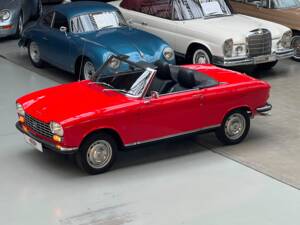
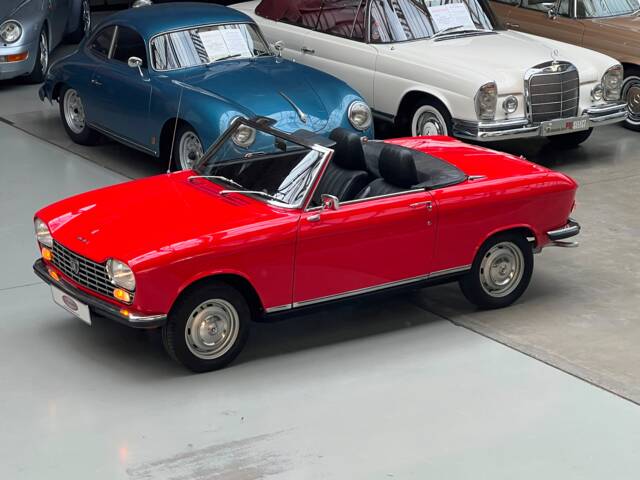
1968 | Peugeot 204 Convertible
Biplace de Charme

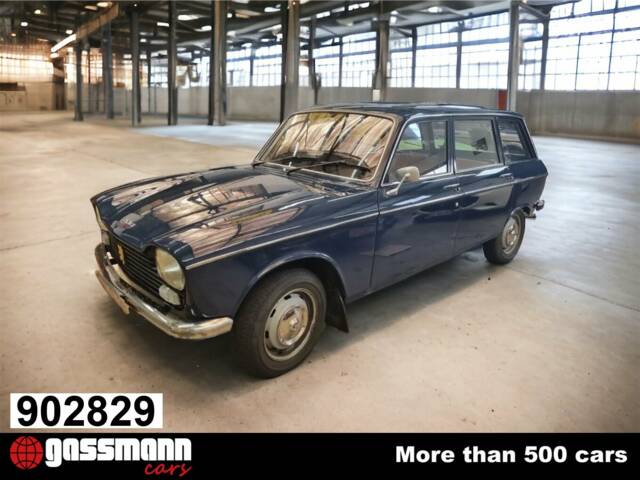
1974 | Peugeot 204 Break
204 Break 1.1 Grand Luxe Kombi
Auctions ending soon

Loading…
Loading…
Loading…
Loading…
Peugeot 204 listing references from Classic Trader
Below you will find listings related to your search that are no longer available on Classic Trader. Use this information to gain insight into availability, value trends, and current pricing for a "Peugeot 204" to make a more informed purchasing decision.
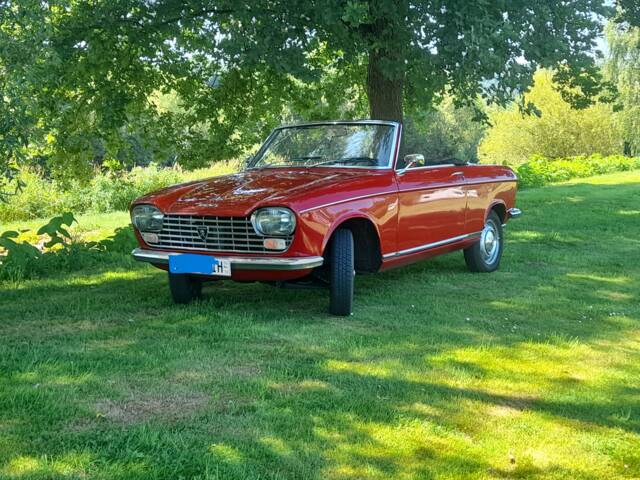
1967 | Peugeot 204 Convertible
Es gibt sie noch...
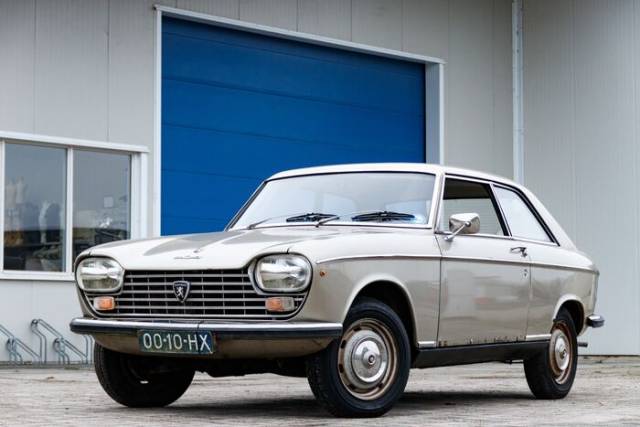
1969 | Peugeot 204 Coupe

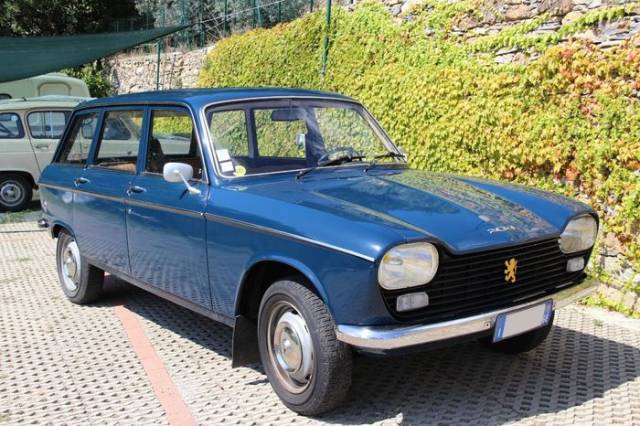
1974 | Peugeot 204 Break
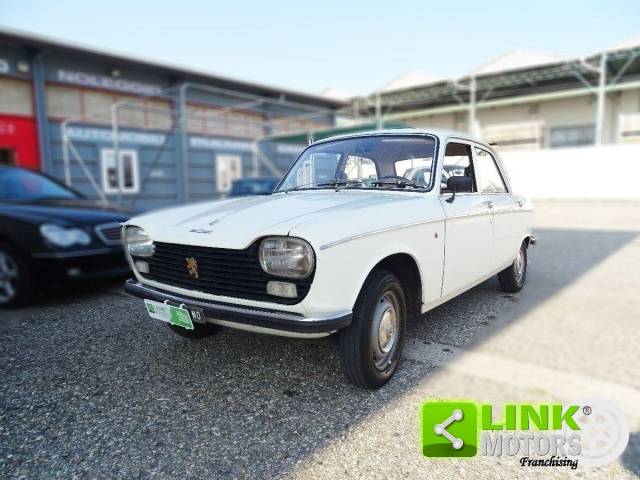
1972 | Peugeot 204
PEUGEOT - 204
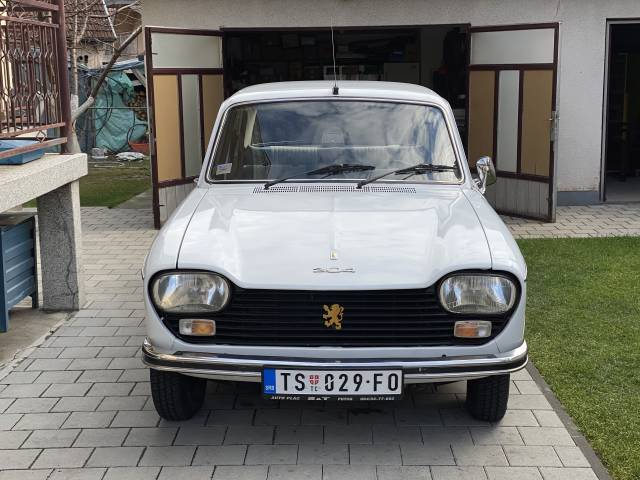
1974 | Peugeot 204
Peugeot 204
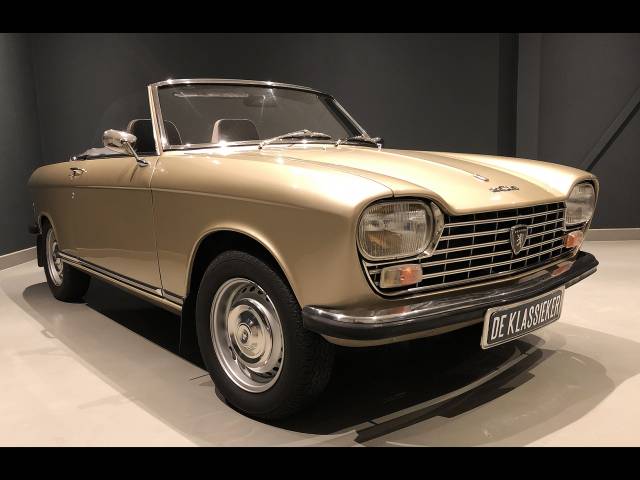
1968 | Peugeot 204 Convertible
Beautiful, basic and comfortable classic
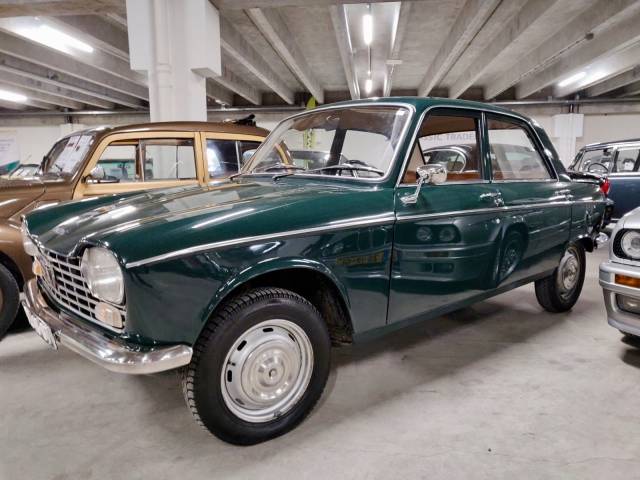
1967 | Peugeot 204
Online Auction "Classics, Sports Cars & Specials". From 9th to 22nd of May
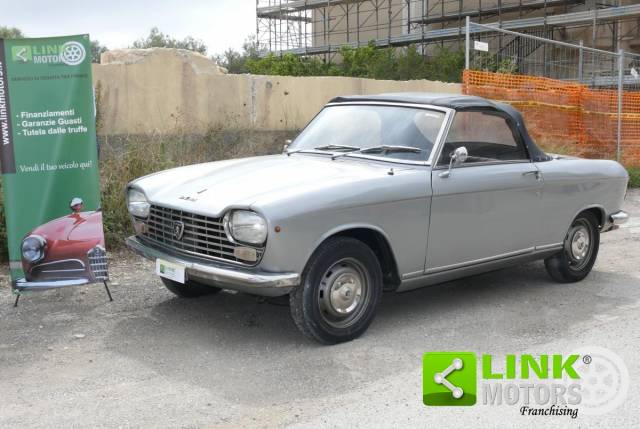
1968 | Peugeot 204 Convertible
Peugeot 204 Cabriolet
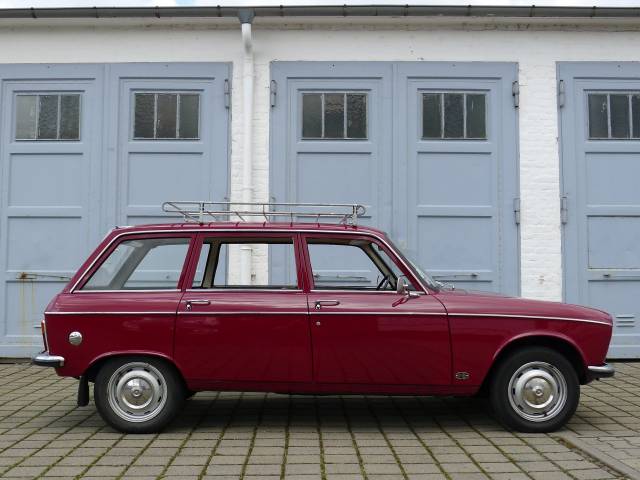
1970 | Peugeot 204 Break
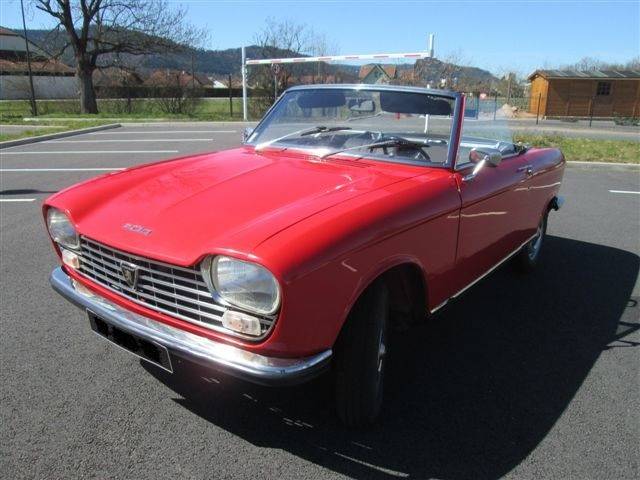
1967 | Peugeot 204 Convertible
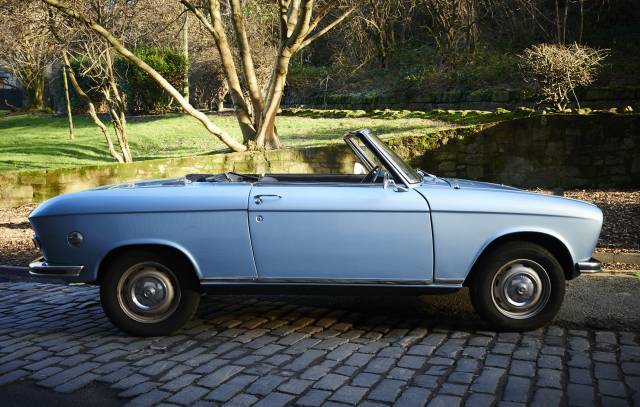
1968 | Peugeot 204 Convertible
Rare RHD Peugeot 204 Cabriolet

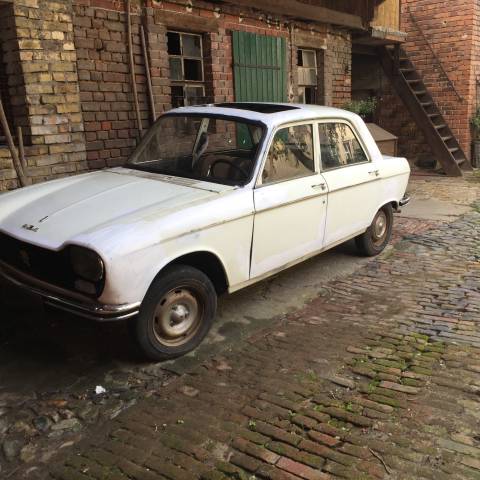
1975 | Peugeot 204
1. Hand - teilrestauriert - kein Rost - Schiebedach
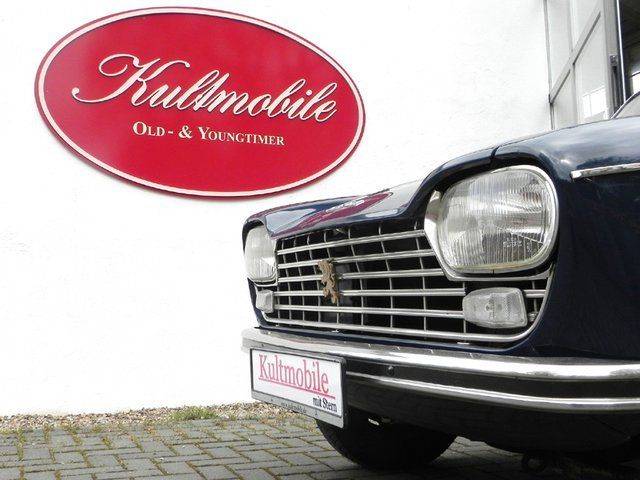
1974 | Peugeot 204
204 - 1. Hand-
Peugeot 204 Classic Cars: Prices & Market Values
History of the Peugeot 204
Presented in 1965 at the Paris Motor Show after development under the codename "Projet D12", the Peugeot 204 helped set new technical standards in the lower mid-range segment. It was introduced at a time when Peugeot had paused production of smaller models since the end of the 202 in 1948. With fully independent suspension front and rear and advanced McPherson struts, the 204 was engineered for driving comfort and handling. From 1969 to 1971, it became the best-selling car in France, thanks to its modern features and efficiency. Peugeot ended 204 production in 1976, with the successor, the 305, picking up the baton the following year.
Model History of the Peugeot 204
The 204 filled a gap in Peugeot's lineup as the brand's first new compact since the Peugeot 202. Initially available as a four-door saloon, the range quickly expanded to include a five-door estate (break), a three-door coupé, a two-door cabriolet, and the 'Fourgonette' van. In 1969, a facelift brought revised wings, a lengthened rear end, and from then on, a larger 1300 cc engine option. The model was superseded by the Peugeot 305 in 1977, which continued Peugeot’s practice of offering practical, reliable family vehicles.
Highlights of the Peugeot 204
The 204 introduced Peugeot’s first front-wheel drive system and pioneered front disc brakes in the brand’s lineup. Alternative body types distinguished the 204 from rivals: saloon, estate, coupé, cabriolet, and van. Its diesel version, launched in 1968, featured a 1255 cc engine, then the smallest diesel engine used in a passenger car worldwide. Specific French-market accessories, such as original radios and unique trim details, are highly valued among collectors.
Technical Data
Special Editions and Collectible Models
Rare examples include the cabriolet and coupé, which due to lower production numbers and stylish lines, are now especially prized in the classic scene. The early diesel saloon is notable as the world’s smallest diesel-powered passenger car at launch. Models retaining original radios, unique paint finishes, or equipped with rare factory accessories tend to attract intense collector interest.
Weak Spots and Common Issues
401 designs were innovative for their time, but corrosion is a well-known concern, especially on body panels and floor sections. Restorers often need to address issues related to rust—replacing corroded panels and applying extensive anti-corrosion treatments is common. Engine-wise, checks on piston rings, bearings, head gaskets, and carburettor function are crucial. Original rubber seals and the clutch system might need replacing. Preservation of original trim and period-correct parts, like radios or dashboards, enhances value and authenticity.
Engine, Performance, Transmission and Handling
With its transversely mounted engine and independent suspension all-round, the 204 offered responsive handling and city-friendly proportions. The four-speed gearbox, lubricated with the same oil as the engine, was compact and contributed to effective weight distribution. The diesel variant delivered fuel efficiency rare amongst its contemporaries. Drivers appreciate the 204 for its comfortable ride and precise cornering—attributes enhanced by front disc brakes, rare in this class at the time. - Peugeot 204 Coupé (53 hp, lightweight and sporty lines)
- Peugeot 204 Diesel saloon (economic and technically pioneering)
- Peugeot 204 Cabriolet (collectible, open-top motoring)
- Peugeot 204 Estate (versatile, with increased cargo space)
Interior, Comfort, Exterior and Design
The 204 exhibits clean, straight-edged styling characteristic of mid-1960s Peugeot models. Interiors featured durable seat fabrics, minimalist dashboards, and clear instrument clusters. The coupé and cabriolet introduced a more dynamic roofline and were available with vinyl seats and unique trim. Accessories from the period—including original radios, special steering wheels, and rare paint codes—are especially valued today. The exterior featured separate chassis and body construction, which aided repairs and customisations. After the 1969 facelift, design updates included extended rear ends and modified fenders, giving the car a more modern profile.
Other Characteristics
In many European regions, the 204 can be registered as a classic vehicle, exempting it from certain taxes and inspections. The car’s simplicity means many maintenance tasks can be completed by hobby mechanics, making it popular among those interested in hands-on classic restoration. Adaptations for unleaded fuel and small upgrades for reliability are possible without compromising authenticity.
Summary
The Peugeot 204 stands out as a technically innovative and versatile compact classic, notable for its pioneering engine layout, wide choice of body styles, and robust market presence. With a strong supply and demand share, it dominates interest among classic Peugeot models today. Whether opting for a collectible cabriolet, practical estate, or rare diesel, buyers are engaging with a vehicle that helped set benchmarks in French automotive engineering during its era.