Peugeot 301 classic cars for sale
The Peugeot 301, produced from 1931 to 1934, combines robust French engineering with elegant body lines and collector appeal. Many preserved examples offer authentic period details, including original leather interiors, handcrafted sun visors, and two-tone paintwork. Discover project vehicles and expertly restored models, often with photographic documentation, available for enthusiasts and collectors alike.
Search results
Currently, there are no matching listings for your search.
Create search alert
Let yourself be notified as soon as a listing is published that matches your search filters.
Create listing
Do you have a Peugeot 301 that you want to sell? Then create a listing now.
Create listingPeugeot 301 listing references from Classic Trader
Below you will find listings related to your search that are no longer available on Classic Trader. Use this information to gain insight into availability, value trends, and current pricing for a "Peugeot 301" to make a more informed purchasing decision.
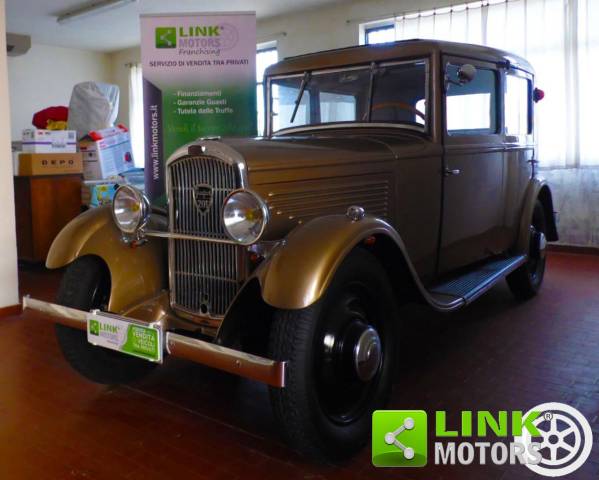
1932 | Peugeot 301
PEUGEOT 201 C

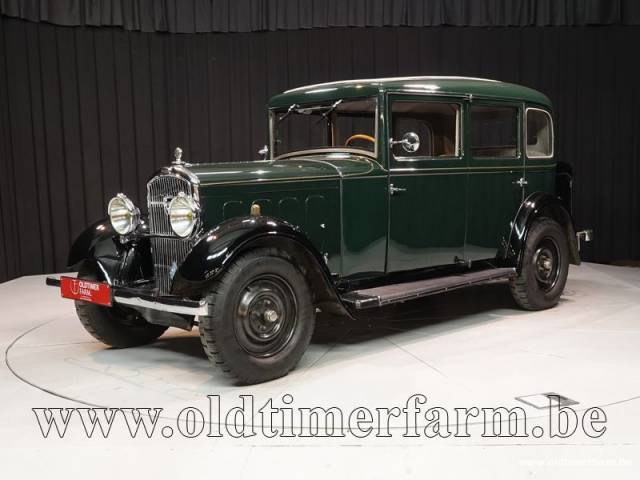
1932 | Peugeot 301
1932 Peugeot 301C '32

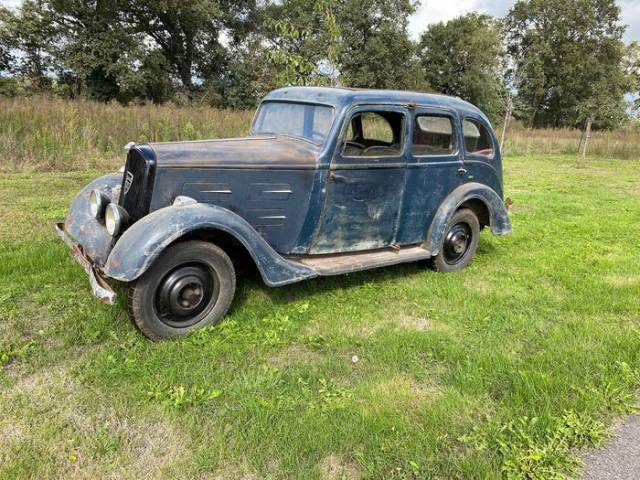
1934 | Peugeot 301

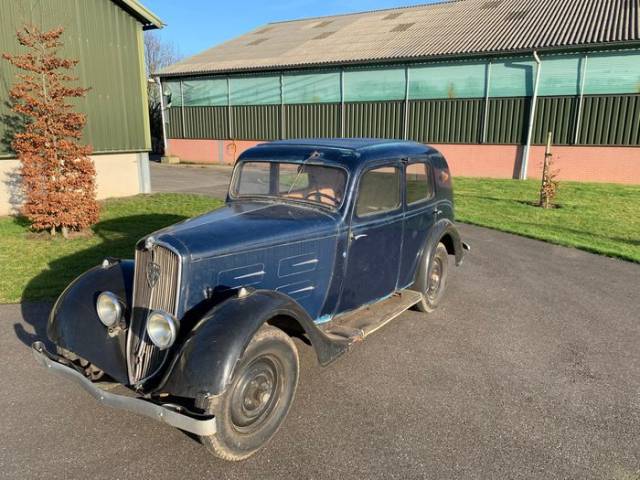
1934 | Peugeot 301
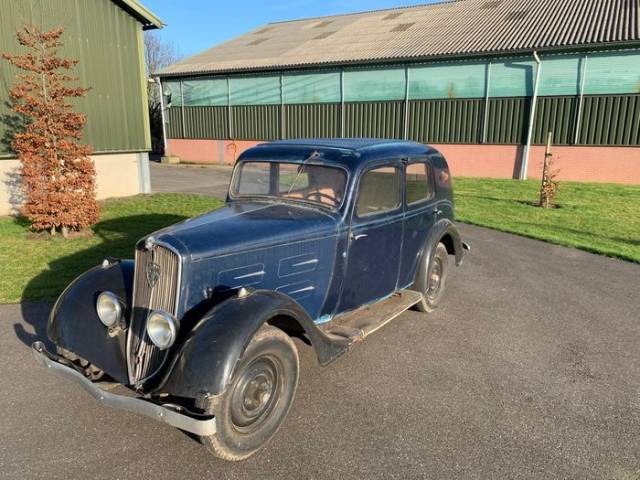
1931 | Peugeot 301
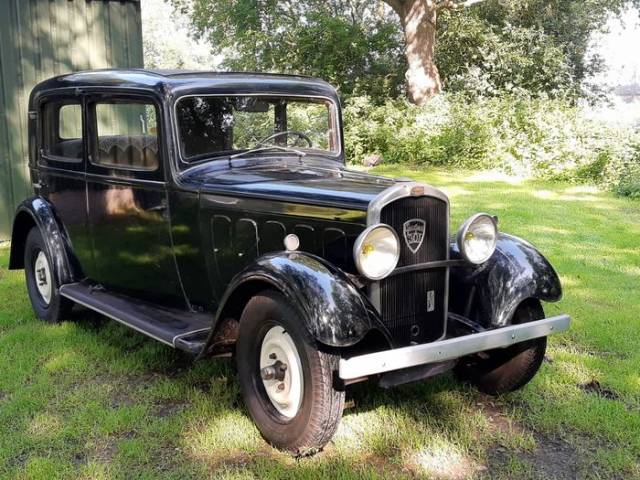
1933 | Peugeot 301
1936 | Peugeot 301
Peugeot 301 1936
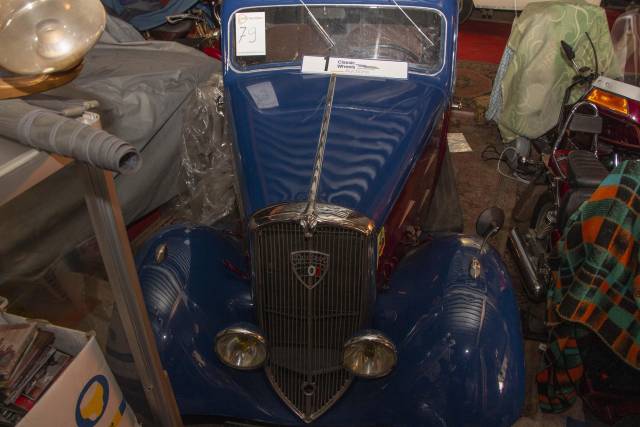
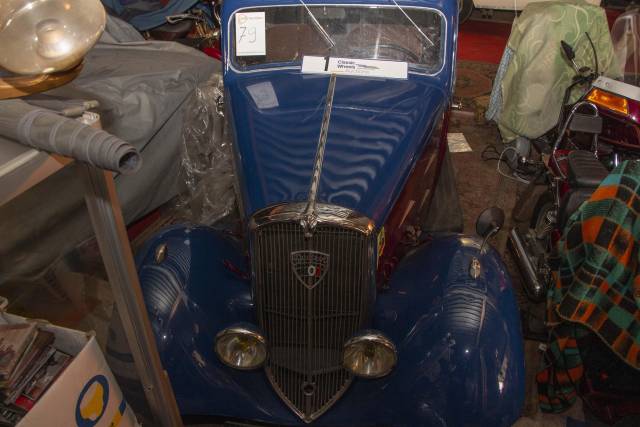
1936 | Peugeot 301
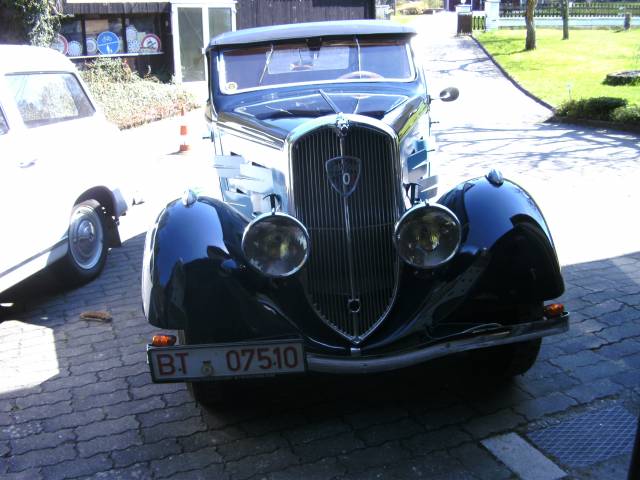
1935 | Peugeot 301
Rarität "limitierte Auflage"

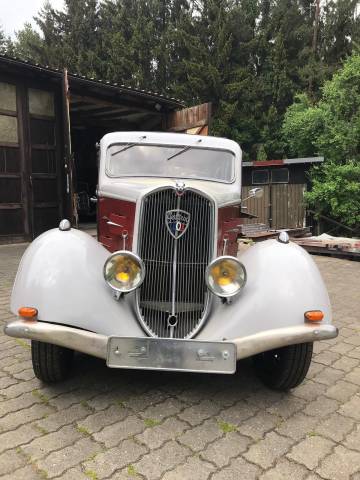
1934 | Peugeot 301
Sehr gepflegter Zustand, sofort fahrbereit
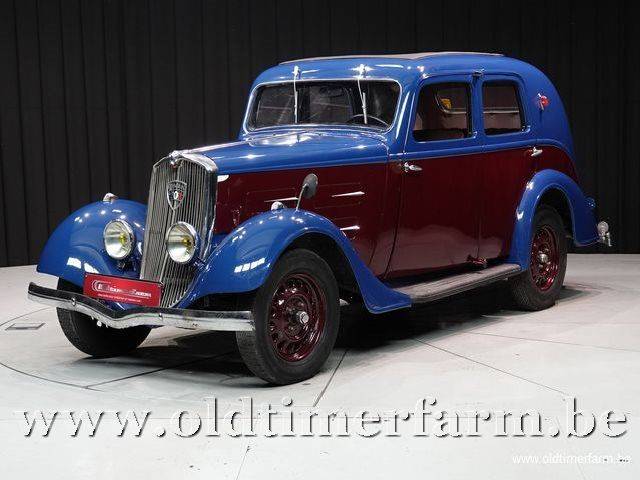
1936 | Peugeot 301
1936 Peugeot 301D '36
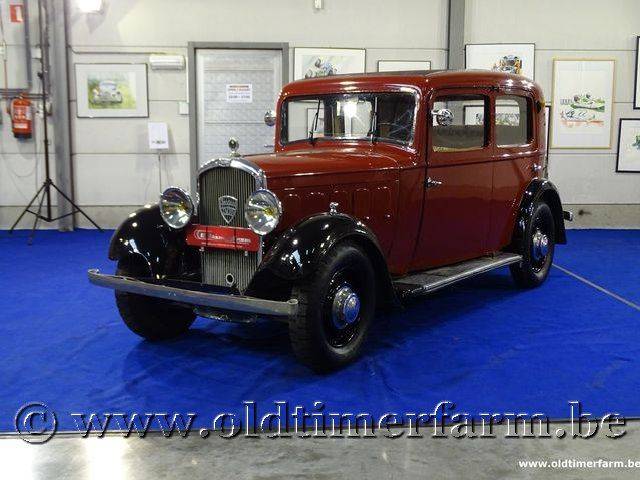
1933 | Peugeot 301
1933 Peugeot 301 '33
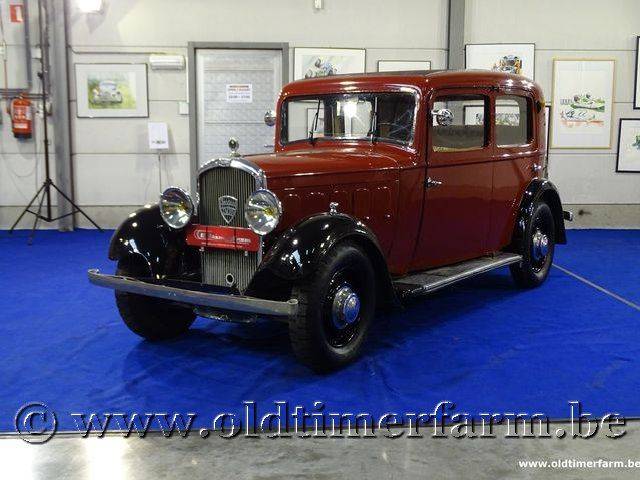
1933 | Peugeot 301
1933 Peugeot 301 '33
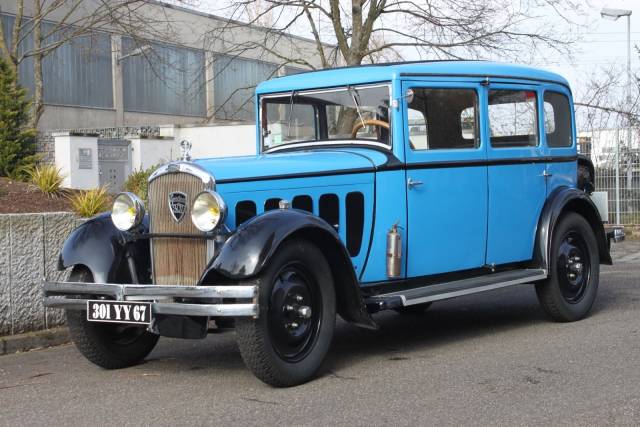
1932 | Peugeot 301
Peugeot 301
Create search alert
Let yourself be notified as soon as a listing is published that matches your search filters.
Create listing
Do you have a Peugeot 301 that you want to sell? Then create a listing now.
Create listingPeugeot 301 Classic Cars: Prices & Market Values
History of the Peugeot 301
Launched in 1931, the Peugeot 301 was Peugeot’s answer to changing automotive demands during the early 1930s. Developed as a subcompact vehicle, it featured robust mechanics and a balanced chassis, making it reliable and efficient for its era. The original production run concluded in 1934, marking its presence as an emblematic French sedan of pre-war motoring.
Model History of the Peugeot 301
The Peugeot 301 filled the gap between Peugeot’s earlier small models and its higher-end offerings, targeting both urban drivers and those requiring a solid travelling companion. The 301 had several bodystyles and was succeeded by updated models as Peugeot modernised its range throughout the 1930s. Today, its limited production numbers and preserved documentation—often including German or French papers—contribute to its status among dedicated collectors.
Highlights of the Peugeot 301
Notable for its understated presence and elegant proportions, the Peugeot 301 stands out with features like hand-stitched convertibles and coachbuilt interiors. Two-tone paint finishes, original leather seats (frequently in beige), and authentic dashboard layouts are common traits in surviving examples. The model’s drum brakes used a cable system—a technical trait of the time. Rarity is a key element: special series were limited to as few as 168 cars, and survivability remains relatively low.
Technical Data
Special Editions and Collectible Models
A number of Peugeot 301 models were produced in strictly limited series, sometimes as few as 168 units. Some variants offer hand-built accessories like bespoke visors and custom luggage networks, and several examples sport original museum-accurate two-tone blue paint. Handcrafted convertible tops and tailored covers are also distinguishing hallmarks.
Weak Spots and Common Issues
Due to the advanced age of these vehicles, restoration projects are frequent. Period weaknesses include the original wooden roof structures—which may have been refitted in metal for strength—and the cable-operated brakes, which can require precise tuning. Many existing examples have undergone partial or complete restoration, often well documented with photographs. Replacement parts may be hand-fabricated or specially ordered by specialists, and buyers should scrutinize documentation and the originality of mechanical or interior features.
Engine and Performance, Transmission and Handling
The Peugeot 301 is typical of early 1930s motoring—modest performance paired with solid stability and manageable handling. Its subcompact format allows for nimble city driving while remaining composed on country roads. Engineered for reliability, the drum brakes, while period-correct, demand attentive maintenance. Vehicles offered vary from unrestored examples to fully renovated models, with driving experience heavily depending on restoration quality. Most prized are those in factory-original specification, equipped with period accessories, and bearing complete provenance. Limited-run versions, especially those with unique colours or coachbuilt modifications, command special interest.
Interior, Comfort, Exterior and Design
Design details of the Peugeot 301 set it apart: from classic two-tone paint and shapely wheel arches to its well-crafted interiors with authentic leather upholstery (often beige) and hand-built accessories such as sun visors. Some variants feature bespoke luggage solutions and unique convertible arrangements, with convertible tops and covers crafted by experienced upholsterers. Its dashboard layout and cabin ergonomics remain a testament to early-1930s French automotive design.
Other Features
Some Peugeot 301s are traded with or without complete paperwork, and ownership histories are often well preserved, adding to collectibility. Many available spare and accessory parts are either hand-built or have been newly reproduced, allowing continued restoration and roadworthiness.
Summary
The Peugeot 301 remains one of the few pre-war French classics regularly available, with unique body details, robust mechanicals, and a trackable historical trail. With all current listings on Classic Trader focusing on this model, both supply and demand are deeply concentrated, making it a key vehicle for classic Peugeot enthusiasts seeking a pre-war driving and collecting experience.