MG 1500 classic cars for sale
The MG 1500 offers pure motorsport heritage, rooted in the 1930s but reimagined in the late 1950s with an Australian-built lightweight body and the robust 1500cc XPAG engine. With fewer than a handful ever built, this model holds a unique place for collectors who want competition technology in a street-legal, historic package.
Search results
Currently, there are no matching listings for your search.
Create search alert
Let yourself be notified as soon as a listing is published that matches your search filters.
MG 1500 listing references from Classic Trader
Below you will find listings related to your search that are no longer available on Classic Trader. Use this information to gain insight into availability, value trends, and current pricing for a "MG 1500" to make a more informed purchasing decision.
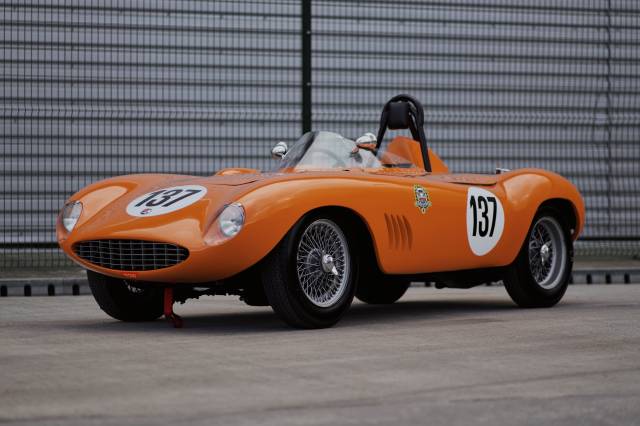
1933 | MG 1500
Famous Australian Racecar
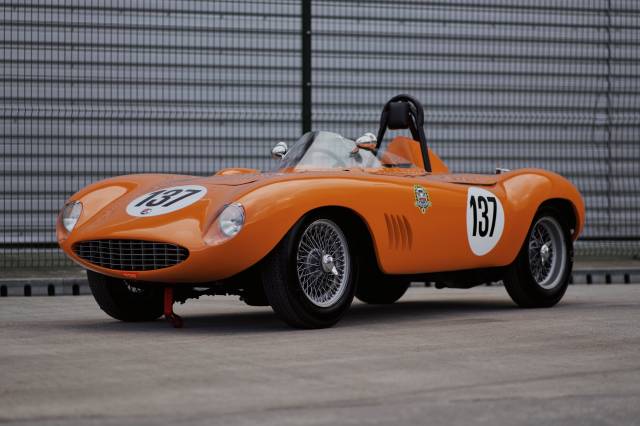
1933 | MG 1500
Create search alert
Let yourself be notified as soon as a listing is published that matches your search filters.
MG 1500 Classic Cars: Prices & Market Values
History of the MG 1500 Series
The MG 1500 story is bound to both pre-war British innovation and international post-war creativity. Its chassis traces back to the MG J Type of 1933, a period famed for lightweight British competition cars. In 1959, the MG Milano 1500 emerged in Australia, built by JWF Glass-Fibre Industries, uniting vintage racing pedigree with contemporary fibreglass technology. Notably, only three examples were constructed, making it an ultra-rare manifestation of MG's sporting philosophy. Its use of a 1500cc MG XPAG engine and close-ratio transmission further connects it to MG's motorsport DNA.
Model Evolution and Background
The MG 1500 Milano was engineered as a unique project with a blend of 1930s MG mechanics and 1950s race car aesthetics and technology. While drawing on the robust MG J Type chassis, it was crowned with a modern, streamlined fibreglass body, emblematic of the post-war era's focus on weight reduction and aerodynamic progress. Compared to its MG predecessors, the 1500 stands apart as an international collaboration and a true one-off, with no direct successor, its legacy preserved by its handful of builds and rich motorsports past.
Highlights and Noteworthy Features of the MG 1500
The MG 1500 stands out primarily for its fusion of classic chassis engineering with fibre-glass bodywork—a forward-thinking solution for weight and performance in the 1950s. Designed for both track and street, its close-ratio gearbox, uprated differentials, and tunable high-octane engine reflect serious competition intent. Its documented racing history—with participation by respected drivers—confers additional provenance, and the FIA certification means eligible competition across Europe, the UK, and the US.
Technical Data
Special Editions and Collectible Variants
All MG 1500 Milanos are, by definition, special editions—only three were made, each custom-built around the 1933 J Type chassis with a unique fibreglass shell by JWF in Australia. The combination of extremely limited production, bespoke chassis and bodywork, and race-tailored mechanicals ensures that each existing example is individually significant.
Weak Spots and Maintenance Considerations
Due to the car’s extremely limited production and bespoke construction, locating replacement body panels or original drivetrain components can be challenging. Maintenance of the MG XPAG engine and transmission requires specialised knowledge, particularly as tuning for high-octane fuel and racing components may necessitate more frequent inspection and adjustment than standard MG models. Fibre-glass expertise is required for any bodywork or restoration.
Engine, Handling and Performance Traits
The MG 1500 employs a 1500cc XPAG engine renowned for rev-happy, flexible performance, especially when paired with the close-ratio MG TC gearbox and lightweight construction. Modified differentials and tailored suspension—combined with the featherweight fibreglass body—yield a car that is highly responsive, agile, and well-suited for both racing and spirited road driving. Its racing pedigree and road-legal capabilities provide a dual-purpose appeal. Due to the tiny build volume, each of the three Milanos is a standout, characterised by unique specification details such as chassis number, original paint colours (notably "Two Pack Orange" and vibrant green), and individual race histories.
Design, Comfort and Features
The MG 1500 Milano’s exterior reflects late-1950s Australian fibreglass craftsmanship, with streamlined lines and minimal weight for competition. Paint schemes varied, with orange and green among recorded finishes. Interiors were purpose-built for racing but included minimal road comforts for dual registration. The bespoke bodywork offers design purity and functional aerodynamics. Accessories were limited due to motorsport focus; however, FIA certification documents and historic race provenance present unique accompanying features for collectors.
Other Relevant Information
The MG 1500 has significant historical value given its FIA certification and eligibility for prestigious historic motorsport events worldwide. Its hybrid character of British origins and Australian innovation might appeal to diverse audiences, from UK-based vintage racing enthusiasts to international collectors seeking a combination of rarity, provenance, and eligibility for global competition.
Summary
The MG 1500 Milano is a scarce, historic model blending 1930s MG chassis expertise with 1950s lightweight fibreglass design by JWF in Australia. With just three built, each car encapsulates bespoke engineering, a proven competition record, and motorsport adaptability suited to both racetrack and road. Its status as a collector’s item and race entry vehicle is undisputed within the classic MG domain.