- Car
- Mercedes-Benz
- Mercedes-Benz 230 (4 offers)
Mercedes-Benz 230 classic cars for sale
The Mercedes-Benz 230 W143 embodies solid engineering of the late 1930s paired with understated elegance. Whether as a saloon or rare cabriolet, it offers refined driving and impresses with its mechanical sophistication and comfortable interior.
Search results
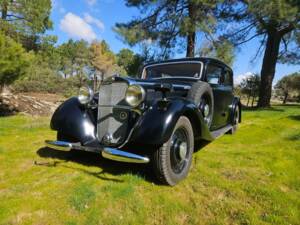
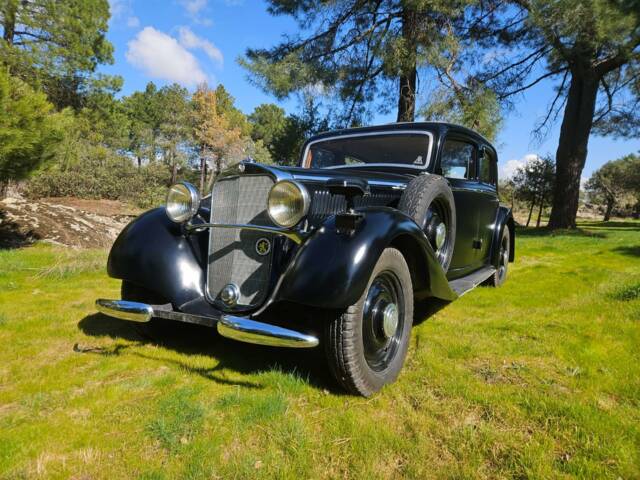

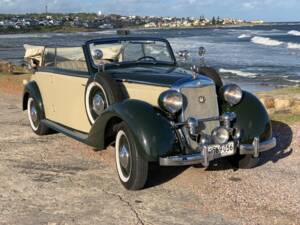
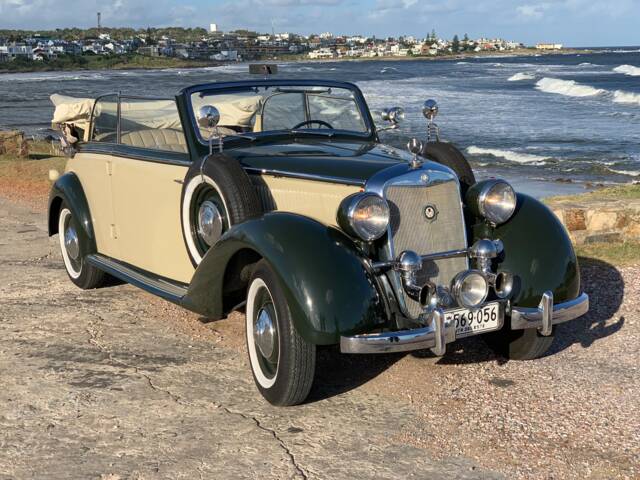
1939 | Mercedes-Benz 230 Cabriolet B
Rare oportunity
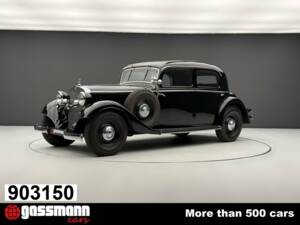
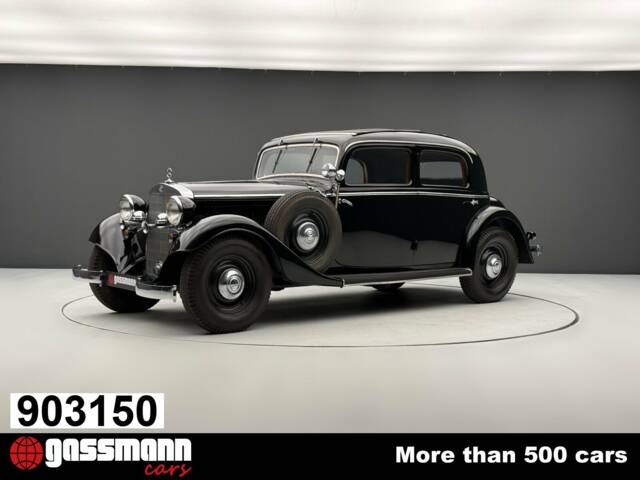
1939 | Mercedes-Benz 230
230 Limousine, seltenes Faltschiebedach
VAT is reclaimable

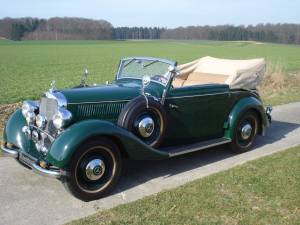
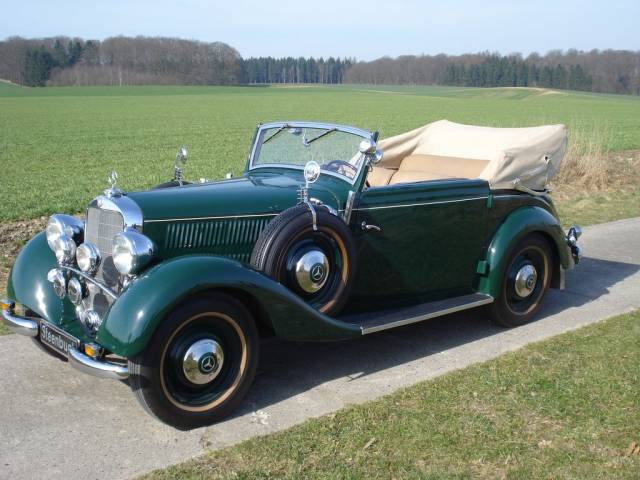
1937 | Mercedes-Benz 230 N Roadster
A rare prewar convertible
Newsletter
The best Mercedes-Benz listings, straight to your inbox
Get hand-picked Mercedes-Benz listings, plus the best of cars, motorbikes, and auctions on Classic Trader — all in one place.
Mercedes-Benz 230 listing references from Classic Trader
Below you will find listings related to your search that are no longer available on Classic Trader. Use this information to gain insight into availability, value trends, and current pricing for a "Mercedes-Benz 230" to make a more informed purchasing decision.
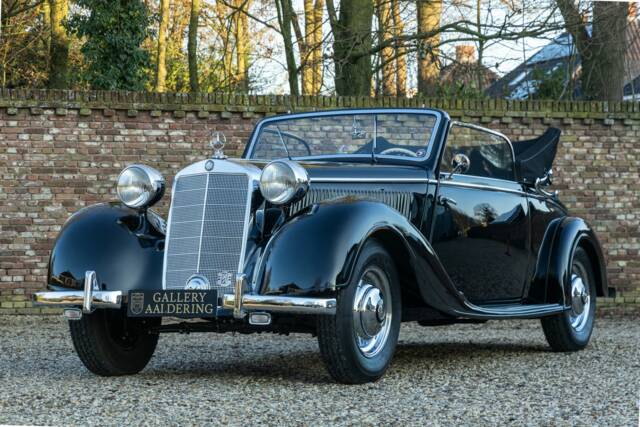
1939 | Mercedes-Benz 230 Cabriolet A
Mercedes Benz 230A Convertible "Restored and rebuilt" Restored and rebuilt in the early 2000s by a renowned marque specialist in Germany, This 230A cabriolet came to The Netherlands in 2003, Elegantly finished in black with deep red leather interior, Quite unique appearance on the market - not the standard convertible from Mercedes, Distinguished by its bodywork,

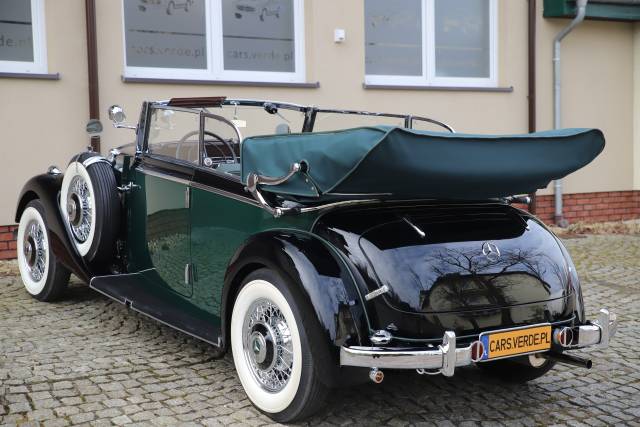
1939 | Mercedes-Benz 230 Cabriolet B
(Original price: 359000 (Discounted !!!!!Price: 349000 €)check !!!,www.cars.verde.pl

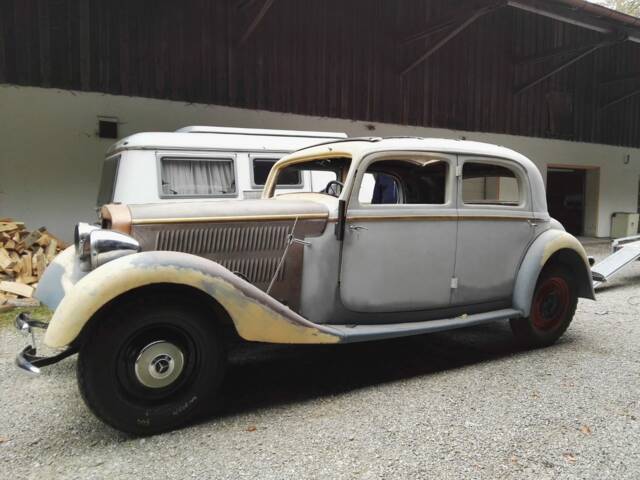
1937 | Mercedes-Benz 230
Teilrestauriertes Fahrzeug
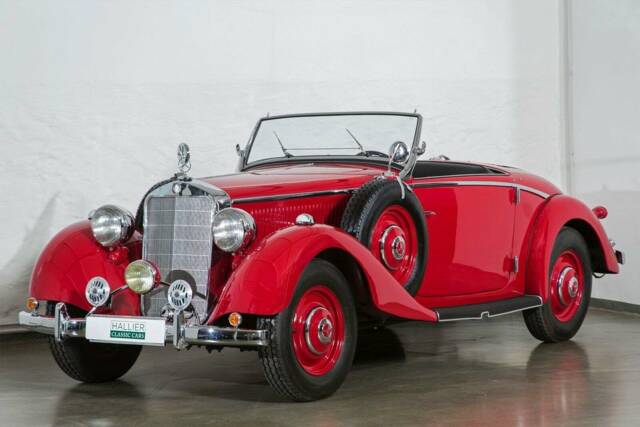
1937 | Mercedes-Benz 230 N Roadster
Mercedes-Benz 230 n Roadster, EXTREM SELTEN !
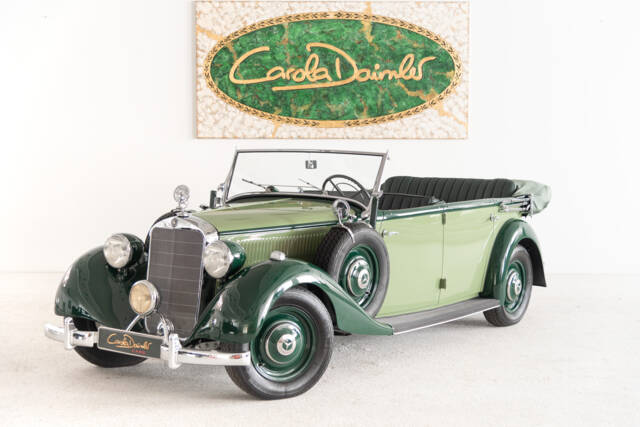
1939 | Mercedes-Benz 230 Cabriolet A
Einer von zwei bekannten offenen Tourenwagen | Deutsche Erstauslieferung | Lückenlose Dokumentation der Vollrestaurierung | Motor "Matching Numbers"
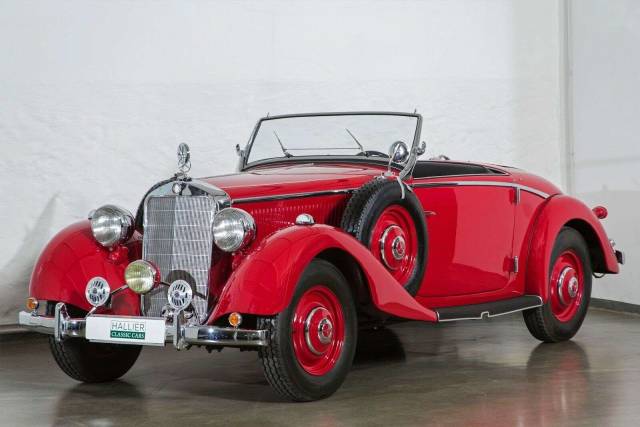
1937 | Mercedes-Benz 230 Cabriolet A
Mercedes-Benz 230 n Roadster, EXTREM SELTEN !
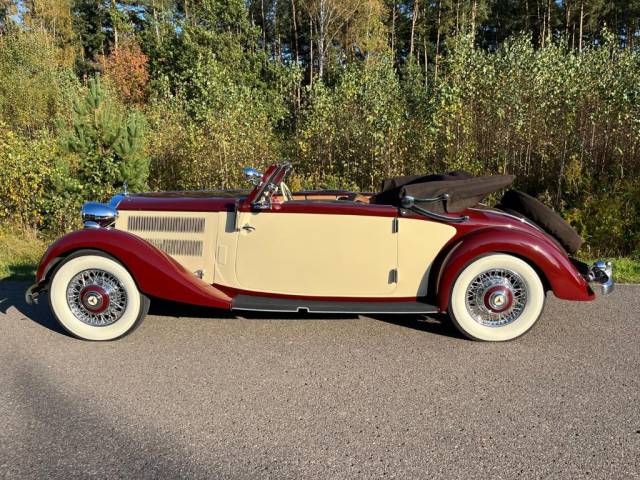
1938 | Mercedes-Benz 230 Cabriolet A
W143
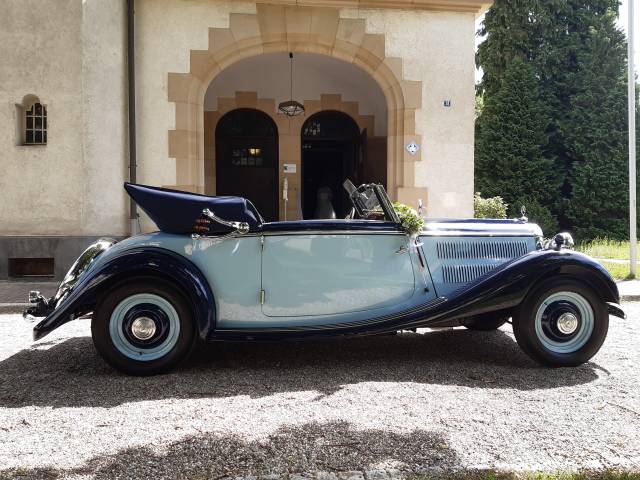
1936 | Mercedes-Benz 230 Cabriolet A
Elegantes Cabriolet A
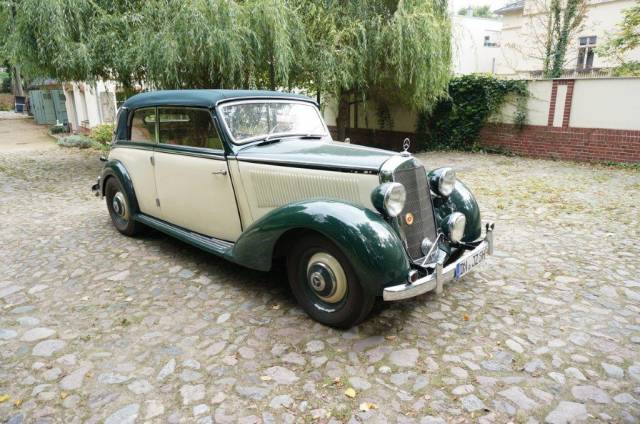
1939 | Mercedes-Benz 230 Cabriolet B
Mercedes-Benz 230 Cabriolet B (1939) Sammlerstück, Note 2+
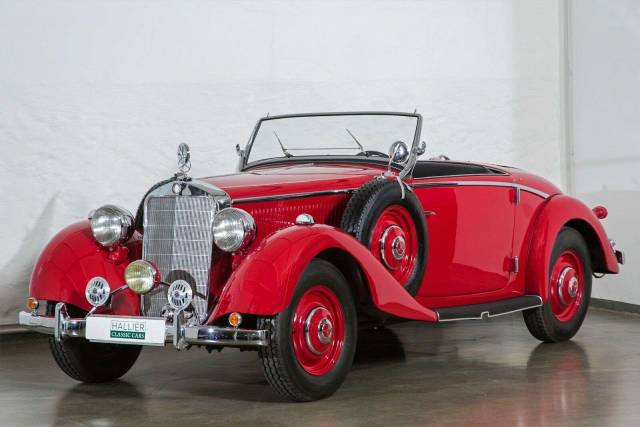
1937 | Mercedes-Benz 230 N Roadster
Mercedes-Benz 230 n Roadster, EXTREM SELTEN !
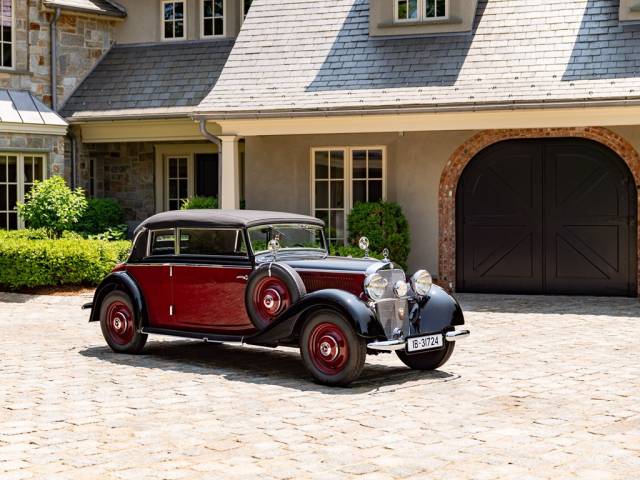
1936 | Mercedes-Benz 230 Cabriolet B
1936 Mercedes-Benz 230 Cabriolet B

Mercedes-Benz 230 Classic Cars: Prices & Market Values
Introduction and history of the Mercedes-Benz 230 W143
Introduced in 1936 and produced until 1941, the Mercedes-Benz 230 (W143) established itself as a reliable and technically advanced upper mid-range vehicle of its era. Designed as a successor to the Typ 200, the 230 targeted discerning drivers seeking contemporary comfort, extensive equipment, and robust mechanics. Its range included saloon bodies, several cabriolet versions (A, B, C), and even an exclusive roadster, echoing Mercedes' commitment to offering a diverse lineup. The 230 n was initially launched with a shorter wheelbase before the standard long-wheelbase (3050 mm) model became the norm. Innovations like independent suspension, four-wheel hydraulic brakes, and advanced 12-volt electrics set benchmarks for its time.
Model history
The W143 Mercedes-Benz 230 replaced the Typ 200 and continued the tradition of high-quality six-cylinder models in the brand portfolio. Over time, the range expanded from the 'short chassis' 230 n to include long-wheelbase saloons, various convertible forms, and the exceedingly rare roadster. After the W143, the lineage of the 230 badge continued, with subsequent model codes like W113 (230SL), W110, W111, W114/115, W123, and others, preserving the tradition of combining solid technology with premium comfort within each respective era. While the W143 epitomised high craftsmanship pre-WWII, later 230 models would shape the mid-size and roadster segments for Mercedes-Benz through the decades.
Highlights of the Mercedes-Benz 230 W143
The 230 W143 stands out with its six-cylinder inline engine delivering 55 PS, advanced for its period thanks to the adoption of independent suspension and four-wheel hydraulic braking. Interior features often included beautiful wood trim—commonly root wood—and genuine leather in classic hues like cream or burgundy. The model boasted large luggage capacity, an optional sliding steel roof for the saloon, and the highly prized 'matching numbers' for aggregation authenticity. Special colour combinations, typically two-tone from the Mercedes paint range, and a robust, conservative build made it a trustworthy companion both in daily use and at vintage events.
Technical data
Special Editions and Collectible Models
The Mercedes-Benz 230 Roadster variant is among the rarest forms of the W143, with only 38 cars produced. Its exclusivity and unique open-top configuration make it one of the most desirable collector pieces. Other limited-production cabriolet versions (including Cabriolet A and C) also attract attention among connoisseurs who value craftsmanship and individuality in period Mercedes-Benz vehicles.
Engine, performance, transmission, and handling
The straight-six engine of the W143 offers a reserved but reliable character, favouring smoothness over outright performance. With 55 PS and a pushrod-operated valvetrain, the 230 accelerates in a dignified fashion, while the four-speed manual gearbox enables composed cruising. The fully independent suspension, rare at the time for this segment, ensures ride comfort and stable handling—even on less-than-ideal road surfaces common in the pre-war period. Hydraulic braking on all wheels provided a safety edge over rivals using mechanical systems. The 230’s chassis and drivetrain are optimised for durability and dependable long-distance travel—qualities still valued by classic regularity rally drivers today. W143 Saloon: Practical for four or five passengers, with pronounced luggage capacity and a sunroof as an option. W143 Cabriolet B: Four-seater open car, luxurious atmosphere, especially valued for original leather and wood finishes. W143 Roadster: Two-seater rarity with both dynamic style and collector value due to extremely limited build numbers.
Interior, comfort, exterior, and design
The design of the Mercedes-Benz 230 W143 is rooted in the formal language of late-1930s Mercedes models—elegant, understated, and purposeful. Saloon and cabriolet variants display long flowing wings, separate headlamps, and upright radiator grille. Interiors are marked by extensive wood inlays, high-grade leathers in period-correct shades, and robust hardware. Special features available at the time included a sliding steel roof on the saloon, a large boot for extended travel, and the option to select bespoke colours or two-tone finishes ex-factory. The overall ergonomics cater to upright seating and excellent visibility by period standards. Accessories such as original toolkit sets, operation manuals, and classic data documentation add to the authenticity and collectible value.
Other relevant features
Mercedes-Benz offers comprehensive support for owners through its Classic Center, from original restoration services to the supply of spare parts and period-correct accessories. Restorations can be carried out in line with factory specifications, including original colour and trim options according to archived production data. These services not only preserve authenticity but enhance usability.
Summary
The Mercedes-Benz 230 W143 is a sophisticated pre-war classic that combines technical innovation, understated luxury, and reliability. Its durable six-cylinder drivetrain, advanced suspension, and elaborate interiors create lasting appeal—especially among enthusiasts valuing historical engineering. With broad support for restoration and documentation, the W143 remains a key reference point for Mercedes-Benz tradition and quality, while rare editions like the roadster secure special interest in today’s collectors’ circles.