- Car
- Mercedes-Benz
- Mercedes-Benz 200 (4 offers)
Mercedes-Benz 200 classic cars for sale
The Mercedes-Benz 200, particularly the W21 series, stands as an engineering benchmark of the 1930s. Offered as a limousine, cabriolet, or the sought-after Pullman, its robust straight-six engine and durable construction made it a reliable choice for both civilians and institutions. Production numbers remain modest, making surviving examples coveted among knowledgeable collectors.
Search results
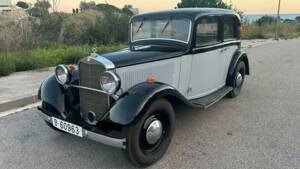
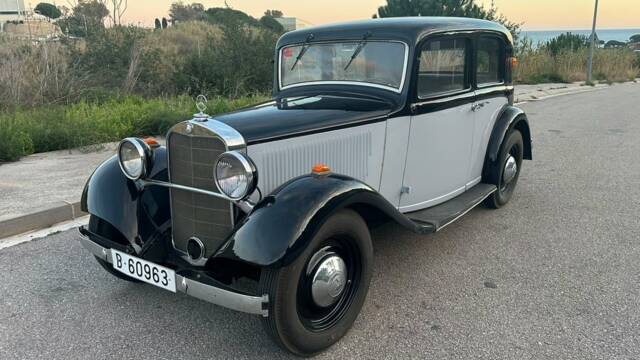
1935 | Mercedes-Benz 200
Mercedes-Benz 200 | 1935 | Route 66 Auctions - For sale by auction. Estimate 39000 EUR

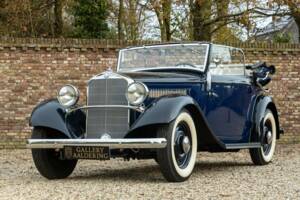
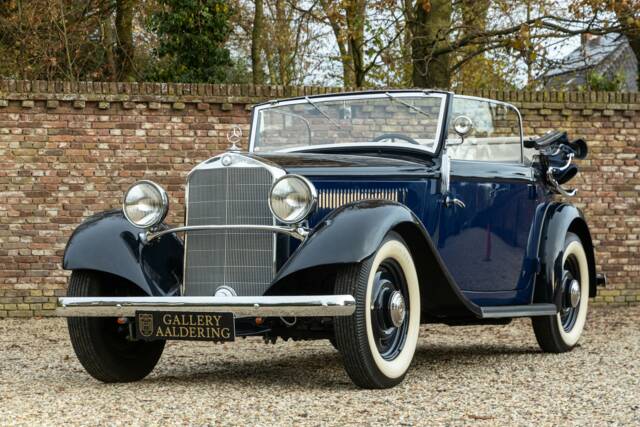
1935 | Mercedes-Benz 200
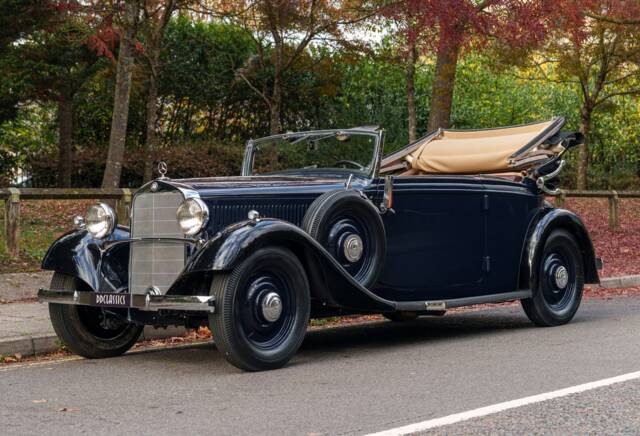
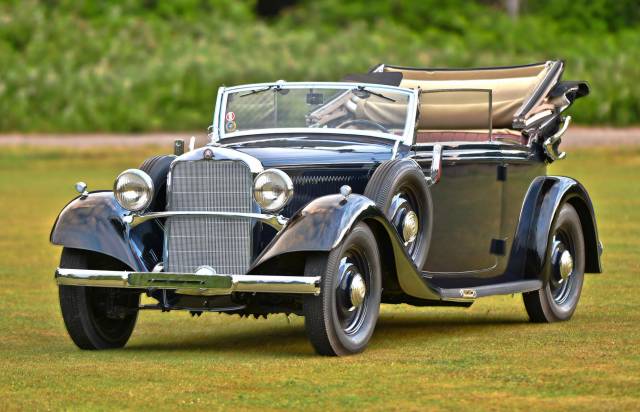
Mercedes Benz 200 Cabriolet C "Bare metal-Frame off restoration" "Bare metal-Frame off restoration" - Restoration process documented with more than 600 photos, Major inspection in 2023 after years of display in private collection, Delivered new to Copenhagen-Denmark, All set for the following collector, Periodically correct color scheme, Offered with history file and reasonably consistent in documents from 1935 onwards

Newsletter
The best Mercedes-Benz listings, straight to your inbox
Get hand-picked Mercedes-Benz listings, plus the best of cars, motorbikes, and auctions on Classic Trader — all in one place.
Mercedes-Benz 200 listing references from Classic Trader
Below you will find listings related to your search that are no longer available on Classic Trader. Use this information to gain insight into availability, value trends, and current pricing for a "Mercedes-Benz 200" to make a more informed purchasing decision.
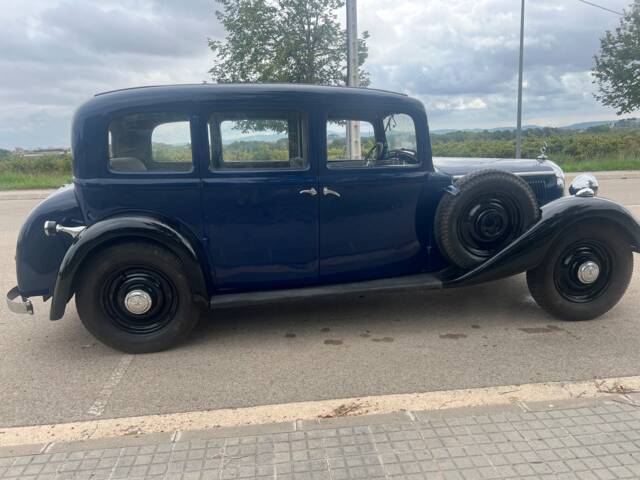
1936 | Mercedes-Benz 200
Mercedes Benz 200 PULLMAN LIMOUSINE W21

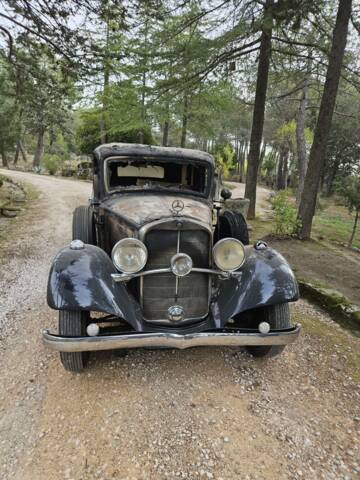
1935 | Mercedes-Benz 200
Pullman Limousine
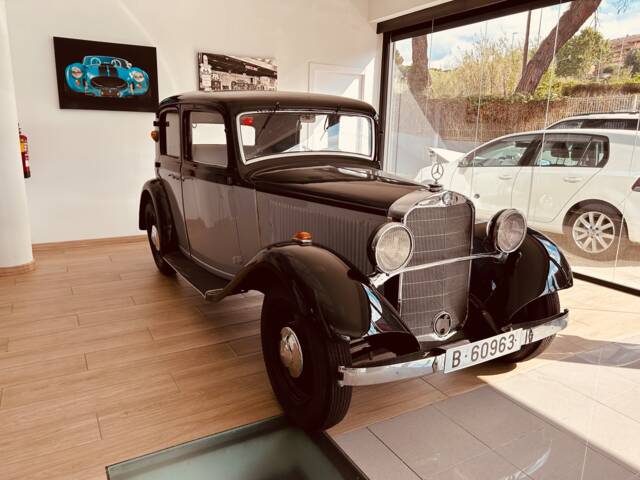
1935 | Mercedes-Benz 200
W21 Limousine
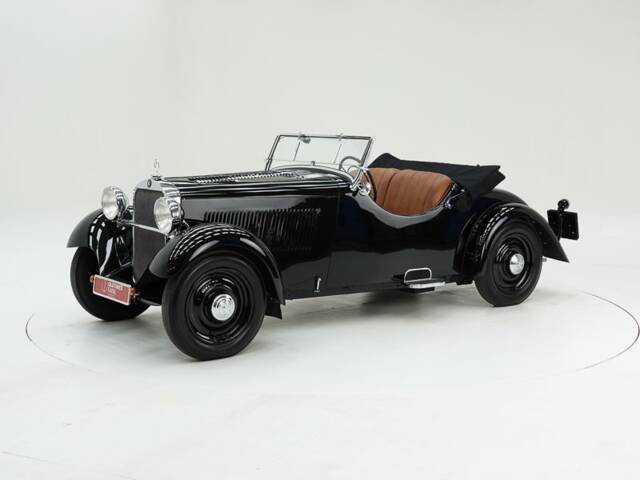
1935 | Mercedes-Benz 200
1935 Mercedes-Benz 170/6 Roadster by Reuter '35

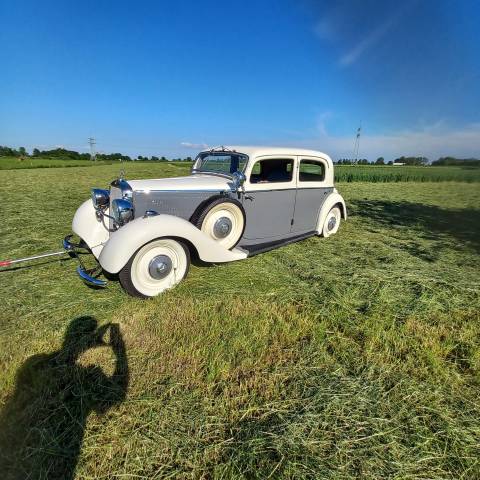
1934 | Mercedes-Benz 200
Standort 21762 Otterndorf

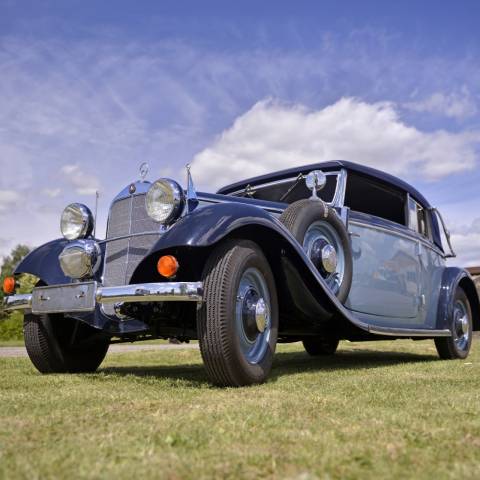
1933 | Mercedes-Benz 200
Nachlassauktion! Startgebot zzgl. Aufgeld: € 50.000,00
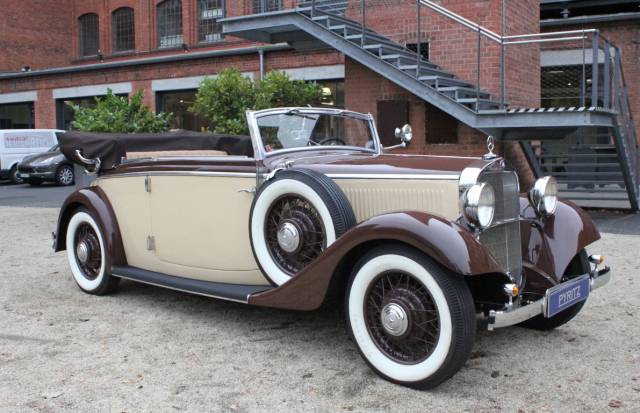
1936 | Mercedes-Benz 200
200 Lang
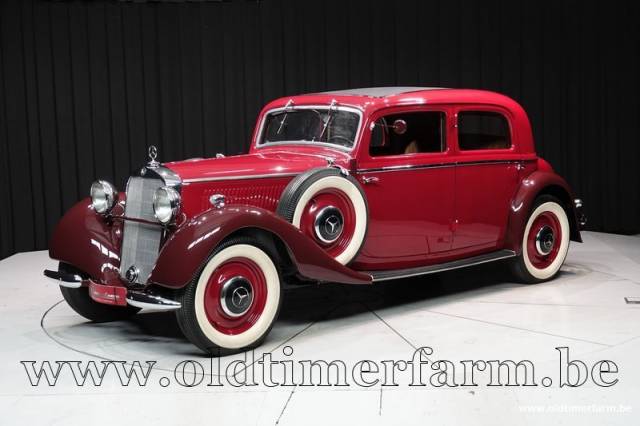
1934 | Mercedes-Benz 200
1934 Mercedes-Benz 200 W21 LANG '34
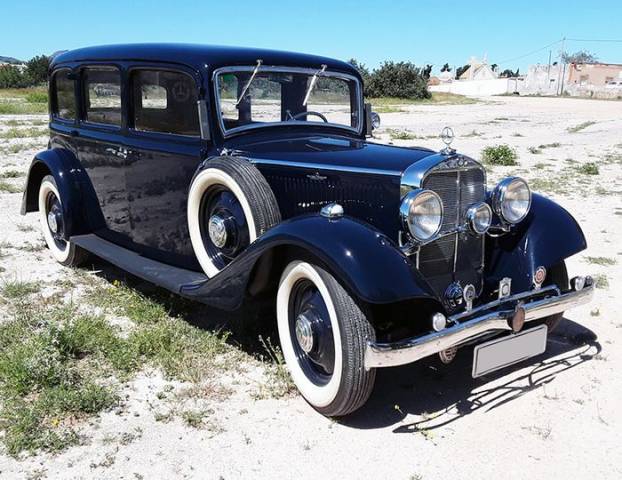
1936 | Mercedes-Benz 200
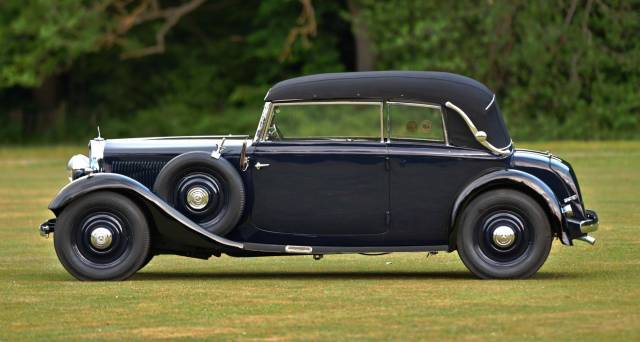
1935 | Mercedes-Benz 200
Mercedes-Benz 200 Classic Cars: Prices & Market Values
History of the Mercedes-Benz 200
Introduced in 1933, the Mercedes-Benz 200 W21 occupied a key role in Mercedes-Benz's model lineup during a time of rapid automotive innovation. The model filled the gap between entry-level and high-end offerings, appealing to middle-class buyers as well as government and military organisations due to its blend of reliability and versatility. With all-round independent suspension and hydraulic brakes—a rarity at the time—the W21 embodied technical progress. Notably, its involvement in motorsports, such as the 1933 Harz Rallye where Alfred Neubauer achieved a gold medal, further underpinned its robust engineering. The car's export success to markets like South Africa and California, and the custom-bodied variants by noted coachbuilders, contributed to the diverse legacy of the Mercedes-Benz 200.
Model History
The W21 was produced from 1933 to 1936, replacing the Mercedes-Benz Stuttgart and preceding the '200 lang' and '230' models. Available with varying wheelbase lengths (2,700 mm short, 3,050 mm long), and multiple body styles including Cabrio A, Cabrio B, and Pullman limousine, it demonstrated impressive model variety. Engine upgrades eventually led to the introduction of the 2.3-litre variant delivering 55 PS. Successors like the W110 (1960s) and W123 (1970s-80s) continued the '200' nameplate as part of Mercedes-Benz’s middle-class offering, but the pre-war W21 distinguished itself with mechanical innovation and manufacturing quality.
Highlights of the Mercedes-Benz 200
The W21 brought true mechanical refinement to the segment with its straight-six engine, advanced suspension, and hydraulic braking system. Its highly flexible configuration—from spartan sports roadsters to lavish Pullman limousines—set the benchmark for customer choice. The model’s use by taxi operators, military, and high-placed government officials underscored its reputation for durability. Unique features include vertical instrument clusters and distinctively short rear fins on later derivatives. Coachbuilder participation led to further rare body styles.
Technical Data
Special Editions and Collectible Models
The Mercedes-Benz 200 Sports Roadster stands out as the rarest production variant, designed for motorsports and praised for its minimal weight and purposeful layout. Most notable are the roadsters that competed successfully in 1930s rallies, of which only a handful remain today. Another notable version is the Pullman limousine, appreciated for its seven-seat layout and utility as an official vehicle. Some bodies were crafted by custom coachbuilders, including Reuter and Mikl, further increasing exclusivity.
Weak Spots and Common Issues
Known weak points for the Mercedes-Benz 200 W21 include sensitivity to rust, especially in the chassis and floor panels, and wear in the hydraulic brake components. Age-related issues such as electrical gremlins and deteriorated wiring insulation are expected. Engines are robust but require regular valve adjustments and careful attention to cooling system integrity due to the water-cooled design. Availabilty of some specific trim or coachbuilt parts may be restricted, necessitating bespoke restorations or part reproduction.
Engine and Performance, Transmission and Handling
The initial W21 engine offers 40 PS from its 2-litre inline-six, resulting in a maximum speed of approximately 98 km/h—respectable for the era. Though not sporty, its engine delivers strong low-end torque and features a three-speed manual gearbox with central shift and an overdrive. Independent suspension ensures a comfortable, controlled ride, while hydraulic brakes provide consistent stopping power for a vehicle of its weight. The rare 55 PS 2.3-litre upgrade adds more flexibility for touring or higher-speed motorway driving. - Mercedes-Benz 200 Cabrio A: Lightweight and exclusive, appealing to purist drivers.
- Mercedes-Benz 200 Pullman: 6/7-seater, valued by collectors seeking usability and presence.
- Mercedes-Benz 200 Sports Roadster: Built for motorsport, extremely difficult to find in original configuration.
Interior, Comfort, exterior and design
The design philosophy of the W21 gravitates towards elegant pragmatism. Interiors often feature period-correct wood panelling, leather upholstery, and distinctive upright central instrument clusters with unique speed indicators. Exteriors are marked by sweeping fenders, straight beltlines, and chromed grilles. Cabriolet and limousine models display different rooflines and window arrangements. Special paint finishes in deep black ('Schwarzer Prinz') or custom factory hues exist sporadically on restored samples. Accessories included original factory radios, elaborate luggage racks, additional spot lamps, and factory heating systems—true luxury for the time.
Other features
Bodywork for several cars was realised by external coachbuilders, offering further customisation. In the post-war period, some vehicles were converted into commercial vans or pickups, especially in Central/Eastern Europe due to practical needs. Surviving vehicles are almost universally eligible for historic registration and are appreciated in concours-level restoration circles.
Summary
The Mercedes-Benz 200 W21 is a testament to robust engineering, technical progress, and tailored customer solutions. With production limited to under 10,000 units, a broad model palette, and real-world versatility, it sits at the intersection of pre-war luxury and practical motoring. Vehicles in good original or expertly restored condition attract strong attention from established collectors.