Jaguar Mk VIII Classic Cars for Sale
The Jaguar Mk VIII stands as a rare four-door luxury saloon, crafted from 1956 to 1958, marrying sporting elegance with generous comfort. Distinguished by its streamlined body, refined interior, and straight-six engine, the Mk VIII offers enthusiasts a rare opportunity to experience British motoring tradition at its most sophisticated.
Search results
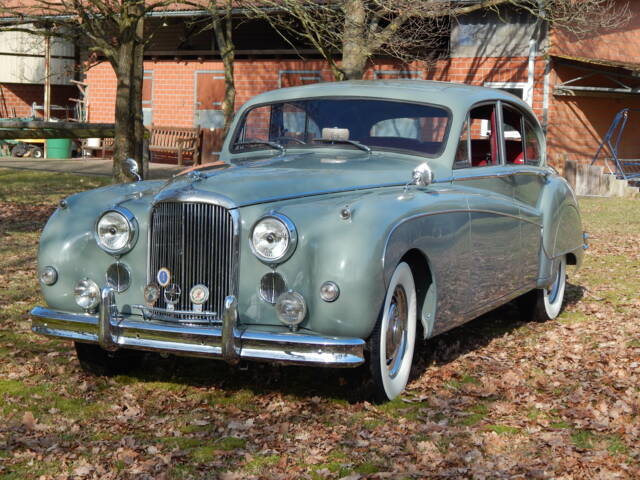
1958 | Jaguar Mk VIII
Better than NEW, 15% discount, collection liquidation

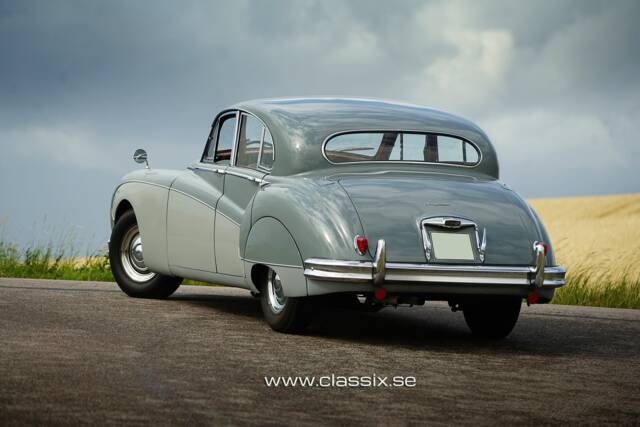

Auctions ending soon

Loading…
Loading…
Loading…
Loading…
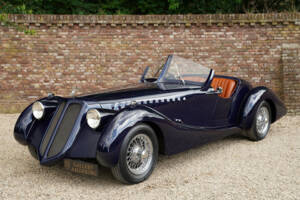
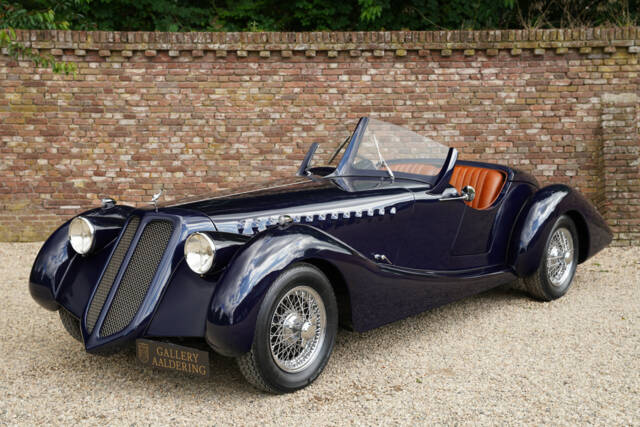
1958 | Jaguar Mk VIII
Jaguar Mark Eight "Special" Roadster Creation based on the idea of the open sports cars of the 1930s, Built on a full restored Mk8-chassis, Body built on a frame of ash wood and made entirely of aluminum sheet metal, Powered by Jaguar’s iconic 4300-litre inline six-cylinder,All work was carried out to a very high standard

Jaguar Mk VIII listing references from Classic Trader
Below you will find listings related to your search that are no longer available on Classic Trader. Use this information to gain insight into availability, value trends, and current pricing for a "Jaguar Mk VIII" to make a more informed purchasing decision.
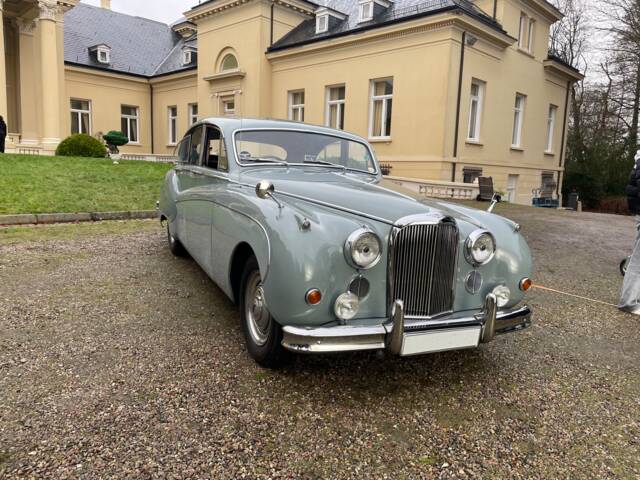
1958 | Jaguar Mk VIII
Herausragender originaler Ausnahmezustand
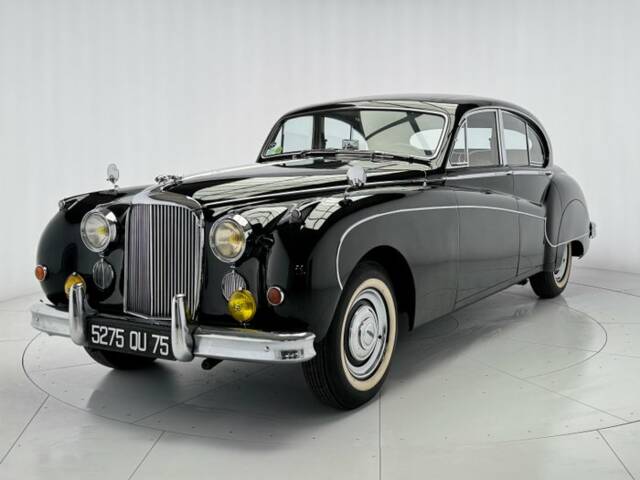
1959 | Jaguar Mk VIII
Jaguar - MK VIII - NO RESERVE - 1959
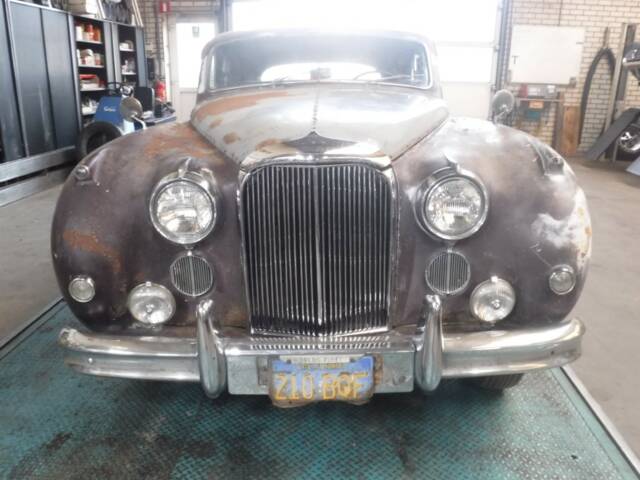
1957 | Jaguar Mk VIII
Jaguar-MK8 to restore
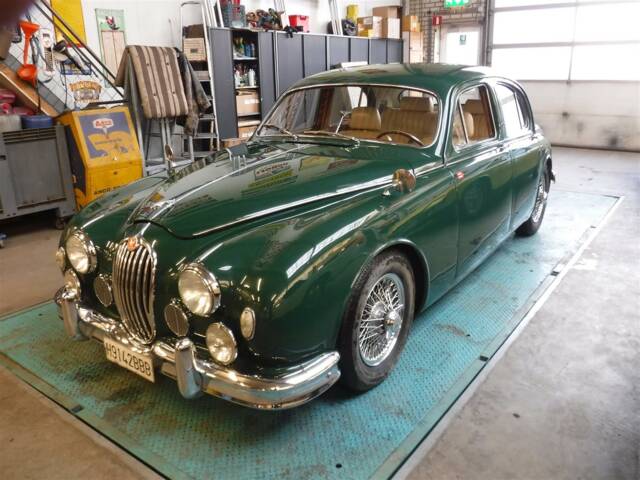
1956 | Jaguar Mk VIII
Jaguar-MK1
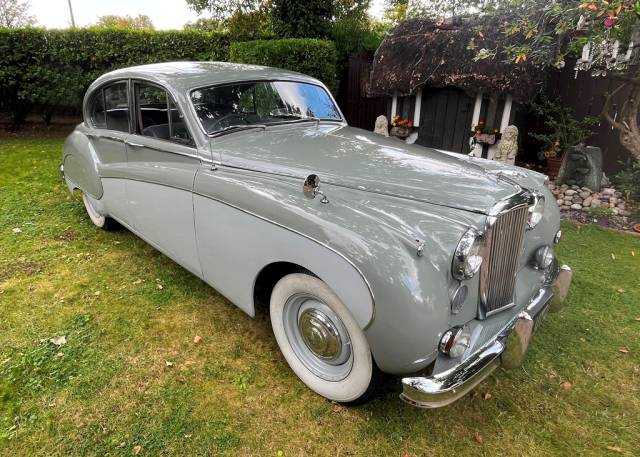
1957 | Jaguar Mk VIII
Jaguar Mk. VIII

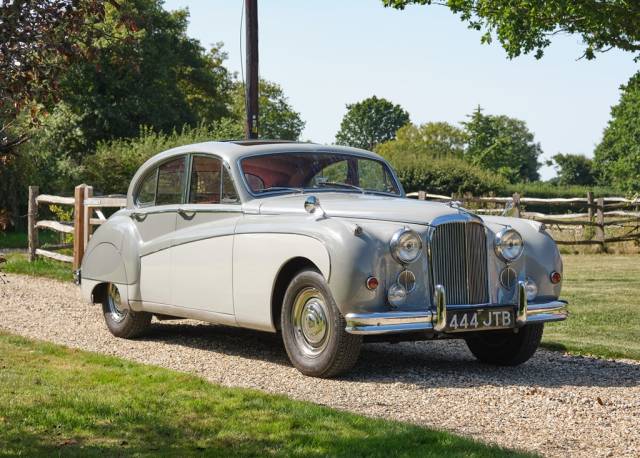
1959 | Jaguar Mk VIII
Jaguar Mk. VIII
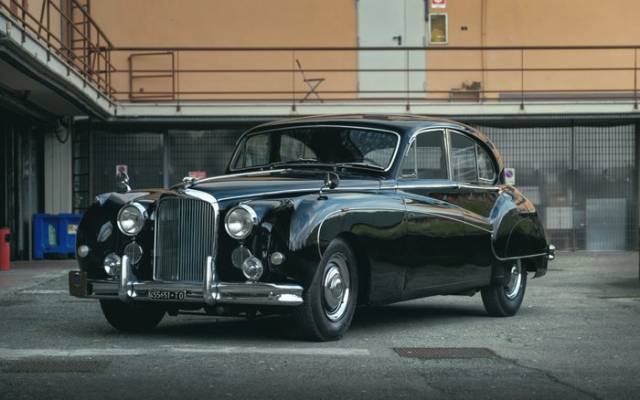
1958 | Jaguar Mk VIII
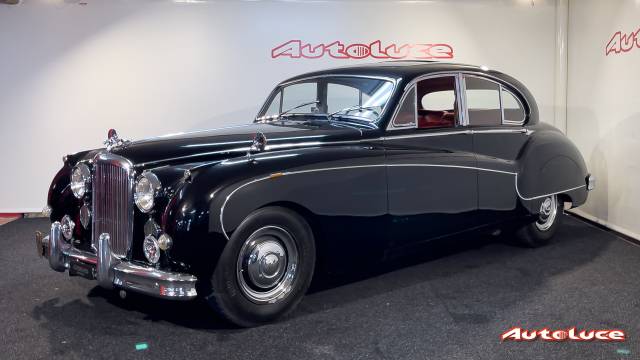
1958 | Jaguar Mk VIII
MK VIII

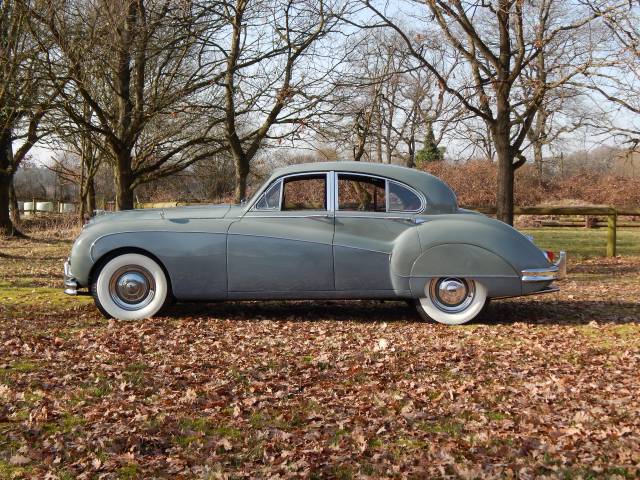
1958 | Jaguar Mk VIII
This MK VIII was completely restored by JAGUAR specialists
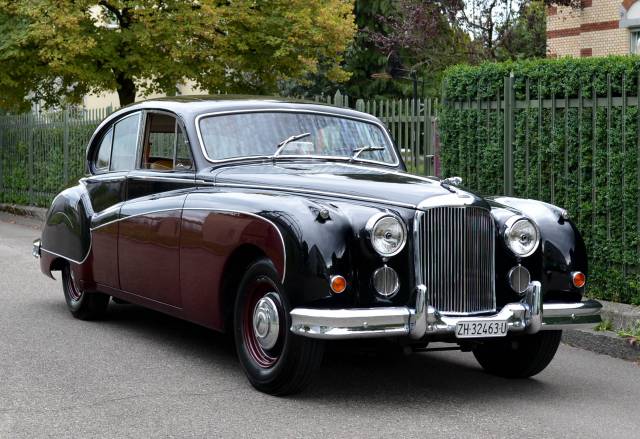
1957 | Jaguar Mk VIII
Sehr seltenes Modell, Handschaltung und original Schiebedach

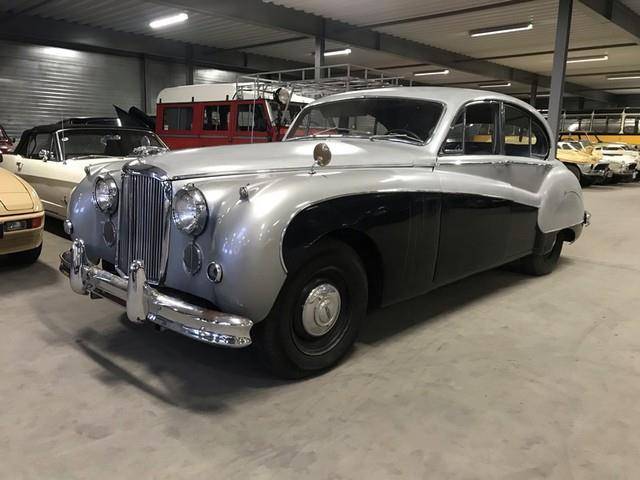
1958 | Jaguar Mk VIII
Oldtimer Jaguar sunroof, overdrive
Jaguar Mk VIII Classic Cars: Prices & Market Values
History of the Jaguar Mk VIII
Presented to the public at the 1956 London Motor Show and Paris Salon, the Jaguar Mk VIII marked the evolution of Jaguar’s full-size saloon lineup. Succeeding the Mark VII M, the Mk VIII adopted much of its predecessor’s chassis and basic structure, but introduced a revised styling and even more lavish appointments. With only about 6,224–6,427 units built, it remains the least common model among Jaguar's “Big Jags.” The car was quickly recognised for its subtle but decisive advancements over its predecessors, appealing to both discerning clients and even earning a place in royal preference as the chosen vehicle of Queen Mum. The Mark IX would take over production in 1958, but the Mk VIII remains marked by its role in the era’s “Grace, Space and Pace” brand philosophy.
Model History
The Jaguar Mk VIII was the direct successor to the Mark VII M, inheriting that model’s robust six-cylinder engine and classic chassis dimensions. Technical updates brought the saloon ahead with increased engine performance, higher specifications, and visual refinement. The classic 3.05m (10 ft) wheelbase and substantial five-metre overall length provided formidable presence and interior space. The Mark VIII itself would only be produced for two years before the Mark IX—with further mechanical refinements and enhanced features—replaced it in late 1958.
Highlights and Special Features
The Mk VIII set itself apart from its predecessor chiefly with an extensively glazed, curved windscreen and a more prominent chrome-trimmed grille. Inside, the use of premium wood veneers, expansive leather surfaces, and adjustable individual front seats set new standards for comfort and luxury. On the road, the Mk VIII could reach 180 km/h and accelerate from 0–100 km/h in about 12 seconds—impressive for a stately saloon of this era. Distinctive design cues included shortened rear spats, double-tone paint options thanks to a unique side chrome strip, and refined front and rear lighting arrangements.
With a supply share of 100% for the Mk VIII among Jaguar saloons of this type in our marketplace, and the same figure manifested in user demand (100% view share), this model stands alone as the representative of its kind.
Technical Data
Special Editions and Collectible Models
While no officially designated special editions of the Mk VIII were released, certain vehicles stand out due to original build options or provenance. Cars with the original heritage certificates, factory documentation, or period overdrive and automatic gearboxes tend to be most desired by enthusiasts. Examples with Queen Mum provenance or those with unique two-tone paintwork and full original accessories command particular attention among collectors.
Weak Spots and Common Issues
No specific common issues have been detailed in available documentation for the Jaguar Mk VIII. Prospective buyers should always review historical documentation (such as the Heritage Trust Certificate) and inspect for wear to bodywork, mechanicals, and interior appointments, especially considering the model’s age and complexity of luxury features.
Engine, Transmission & Handling
Jaguar equipped the Mk VIII with its renowned six-cylinder XK engine, familiar from the XK 140 and Mk VII, offering robust torque delivery and refined running. The four-speed manual gearbox with centre shift creates a direct driving experience, while the optional Borg-Warner automatic adds convenience. Front independent suspension delivers improved ride comfort, with the classic rear-wheel drive layout providing assured road manners. The combination of speed, composure, and substantial dimensions allowed the Mk VIII to rival contemporary large saloons for dynamic capability, while its performance profile remains competitive within the classic luxury saloon segment. - Mk VIII models with the Borg-Warner automatic gearbox are especially valued for driving comfort and ease of operation.
- Vehicles with documented factory overdrive units provide an enticing mix of performance and efficiency for long-distance touring.
Interior, Comfort, Exterior and Design
The Mk VIII embodies late-1950s British luxury. An enlarged single-piece curved windscreen replaces its predecessor’s split arrangement, boosting driver visibility and style. The interior features rich wood-veneer dashboard, plush leather seating (with adjustable singles up front), and ample rear legroom. Two-tone exterior colour schemes and a distinct chrome waistband reinforce exclusivity. Larger rear lamps and shortened spats at the rear wheels emphasise more open, sporty lines. Original equipment frequently included fog lamps relocated beneath the grille, power steering (optional), whitewall tyres, and a full complement of chrome details on trim, sills, and bumpers.
Other Notable Features
Rows of Mk VIII saloons came with factory-original documentation, including comprehensive restoration and maintenance manuals—highly valued for any ongoing conservation or restoration project. Dual left- and right-hand drive configurations enable authentic period-correct choices in multiple markets, enhancing the model’s configurability for dedicated collectors.
Summary
Jaguar’s Mk VIII, produced over a narrow two-year window, continues to attract enthusiasts for its extravagant interior fittings, strong XK-based powertrain, and pronounced yet elegant silhouette. Its limited production makes it particularly rare within the Big Jag saloon family, and its particular blend of comfort, performance, and luxury secures its status as a stand-out in British motoring heritage.