Ford Zodiac Classic Cars for Sale
The Ford Zodiac represents the top-of-the-line version of Ford’s executive range in Britain between 1950 and 1972, renowned for its distinctive presence and well-appointed features. Discover a selection of Ford Zodiac classics, including rare variants, available for collectors and enthusiasts alike.
Search results
Currently, there are no matching listings for your search.
Create search alert
Let yourself be notified as soon as a listing is published that matches your search filters.
Create listing
Do you have a Ford Zodiac that you want to sell? Then create a listing now.
Create listingFord Zodiac listing references from Classic Trader
Below you will find listings related to your search that are no longer available on Classic Trader. Use this information to gain insight into availability, value trends, and current pricing for a "Ford Zodiac" to make a more informed purchasing decision.
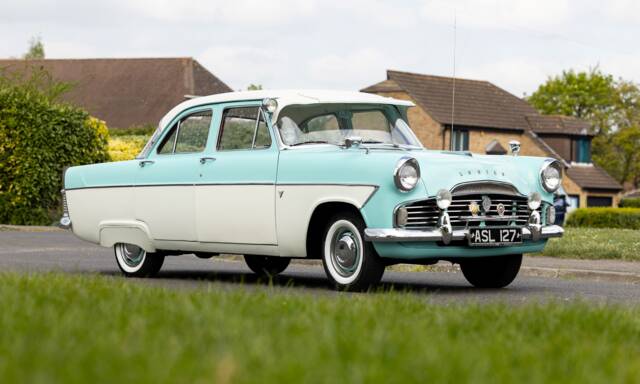
1961 | Ford Zodiac
1961 Ford Zodiac Mk. II Lowline

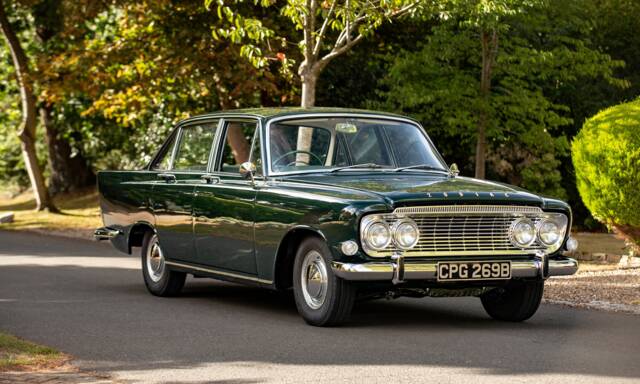
1964 | Ford Zodiac MkIII
1964 Ford Zodiac Mk. III
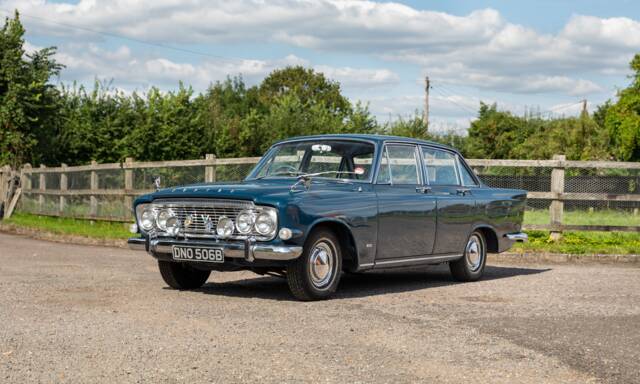
1964 | Ford Zodiac MkIII
1964 Ford Zodiac Mk. III
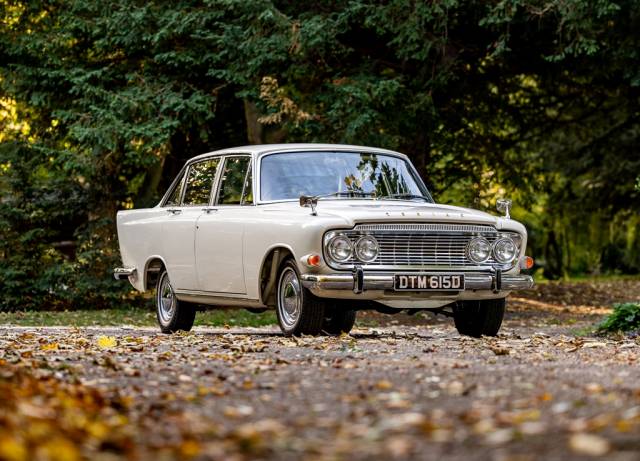
1966 | Ford Zodiac MkIII
Ford Zodiac Mk. III
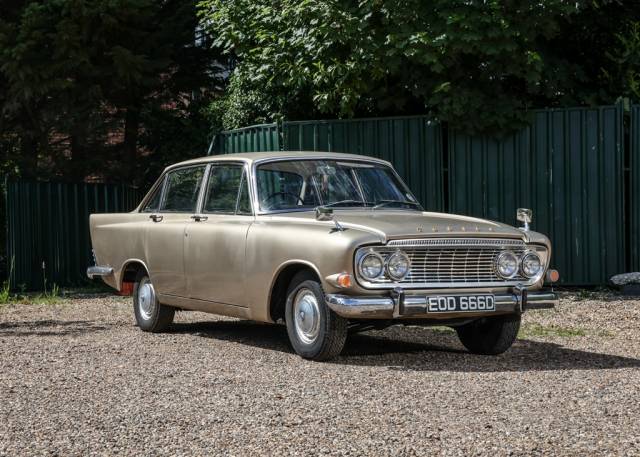
1966 | Ford Zodiac MkIII
Ford Zodiac Mk. III
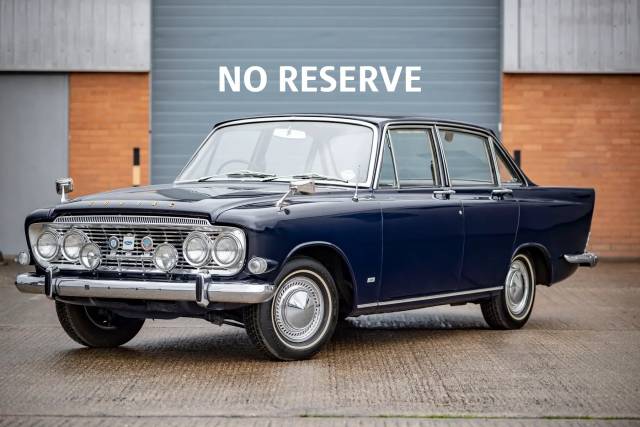
1964 | Ford Zodiac MkIII
Award Winning Car - Quite Superb
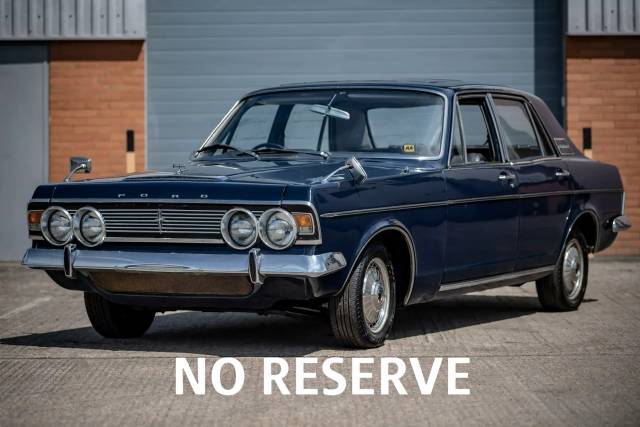
1970 | Ford Zodiac MKIV Executive
Recommission Required - No Reserve
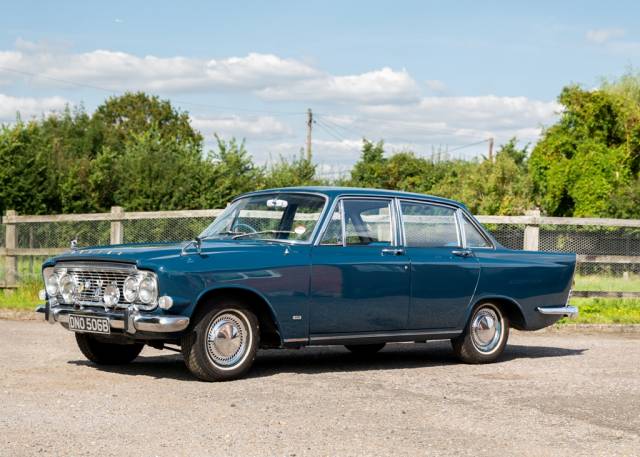
1964 | Ford Zodiac MkIII
Ford Zodiac Mk. III
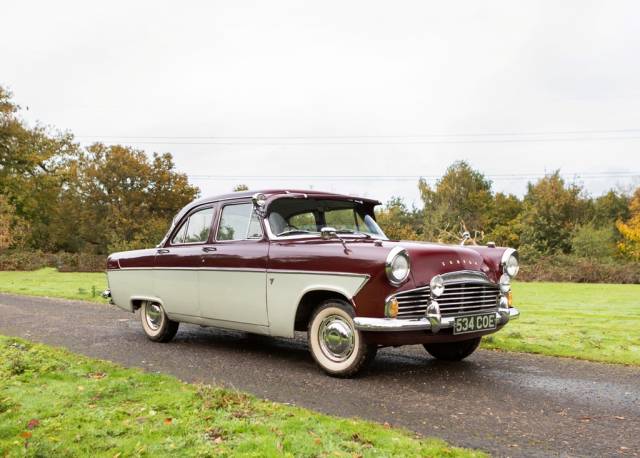
1960 | Ford Zodiac
Ford Zodiac Mk. II
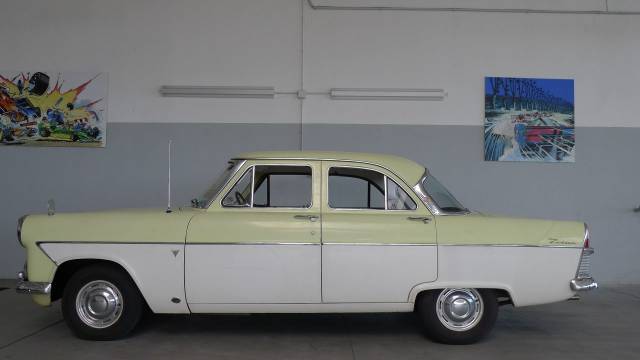
1960 | Ford Zodiac

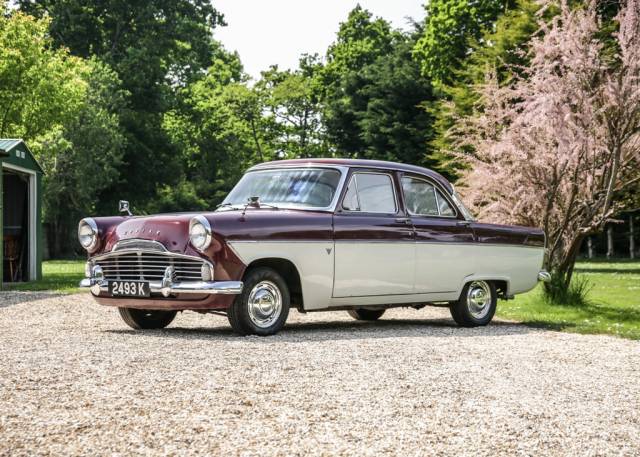
1960 | Ford Zodiac
Ford Zodiac Mk. II
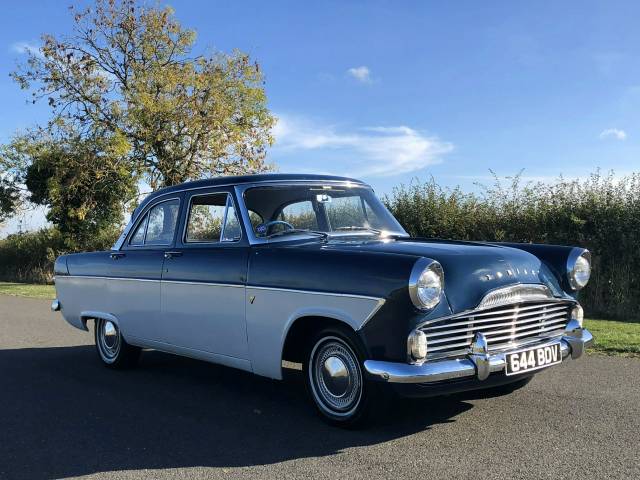
1959 | Ford Zodiac
1959 Ford Zodiac MK II Overdrive. Excellent underside With No Welding.
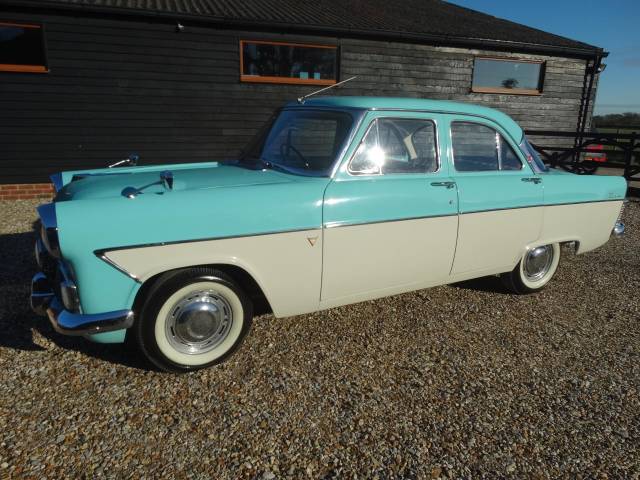
1960 | Ford Zodiac
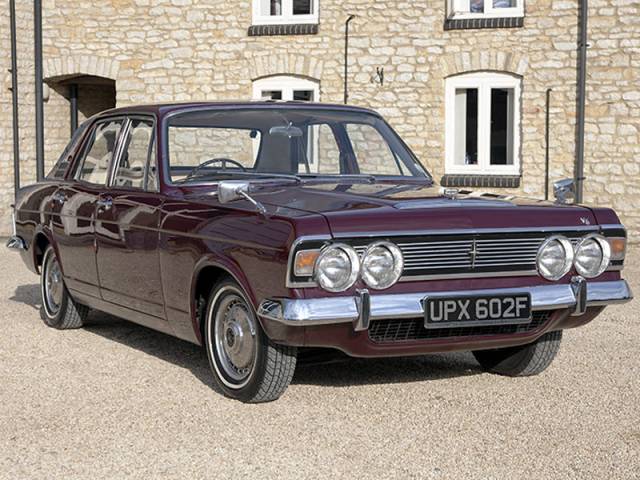
1968 | Ford Zodiac MKIV Executive
Auction Duxford: 29.03.2017 Estimate: £7000 - 9000
Create search alert
Let yourself be notified as soon as a listing is published that matches your search filters.
Create listing
Do you have a Ford Zodiac that you want to sell? Then create a listing now.
Create listingFord Zodiac Classic Cars: Prices & Market Values
History of the Ford Zodiac
The Ford Zodiac emerged as Ford of Britain’s answer to rising post-war demand for larger, more comfortable executive vehicles. Launched in the early 1950s, the Zodiac was positioned above the Zephyr in terms of luxury and equipment, often recognized as the flagship of Ford’s British lineup. Over the course of its production, the Zodiac was a status symbol among professionals and executives, offering advanced comforts and a robust road presence. The transition of the Zodiac’s role in Ford’s portfolio ended in 1972, when modern successors like the Consul and Granada replaced the classic executive models.
Model Series Development
The Zodiac was introduced as the luxury derivative of the Zephyr, initially as the Mark I (model codes 211E, 213E/214E), followed by significant updates in style, engine performance, and comfort with subsequent series. The Mk II (206E) offered a more pronounced exterior and refined interior, helping solidify the Zodiac’s reputation for upscale British motoring. The model line evolved over multiple generations, until being superseded by the Consul and Granada in the early 1970s.
Highlights and Market Presence
Notable for its combination of size, comfort, and British engineering, the Zodiac offered features uncommon in mainstream UK cars of its era, including options such as two-tone paintwork, higher-spec interior trim, and generous space for passengers and luggage. Luxury appointments, distinctive styling, and smooth six-cylinder engines defined the Zodiac as the prestige model in Ford’s range.
Technical Data
Special Editions and Collectible Models
Through its production run, Ford occasionally released limited-run or high-spec editions of the Zodiac, with distinct paint schemes and additional equipment, although the main focus remained on incremental luxury upgrades across series. Some late-series models featured exclusive finishes or enhanced trim, making them particularly sought-after by enthusiasts.
Weak Spots and Common Issues
Potential buyers of Ford Zodiac cars should inspect bodywork carefully, as corrosion is a common concern, especially in older unrestored vehicles. Mechanical parts for the Zodiac are generally robust, but thorough checks of suspension, brakes, and electricals are advised due to the age of most surviving examples. Attention should be paid to the condition of interior fittings and trim, as replacement items can be difficult to source for certain series.
Engine and Driving Performance
The Ford Zodiac was defined by its six-cylinder engine range that delivered smooth power delivery for relaxed yet capable cruising, an attribute that distinguished it within its segment. Later models benefitted from upgrades in both output and refinement, while the handling remained geared towards comfort and stability on long journeys. A robust chassis, ample braking capability, and enhanced ride quality made the Zodiac well suited to motorway travel.
Popular Models:
- 213E / 214E: Dominant in the market, recognized for its strong demand and refined six-cylinder powerplant.
- 211E and Mk II / 206E: Appreciated for their earlier styling and historical relevance, though less frequently sought compared to the later series. undefined
Interior, Comfort and Exterior Design
Inside, the Zodiac introduced higher-grade materials, polished wood dashboard elements, and distinctive two-tone interior options, reflecting its status as an executive vehicle. Exterior design evolved to feature pronounced chrome accents, broader grilles, and distinctive two-tone paint finishes, especially from the Mk II onwards. Optional extras included period-correct features such as rear picnic tables, deluxe radio systems, and special wheel trims, all contributing to its upscale image.
Other Features and Notes
Apart from its role as an executive saloon, the Zodiac is noted for its adaptable chassis, which became a popular base for coachbuilt estate and limousine conversions in period. Availability of accessories and parts varies by series, with active support from dedicated Zodiac owners’ clubs contributing to ongoing restoration and preservation efforts.
Summary
A staple in Britain’s post-war executive car segment, the Ford Zodiac distinguished itself through its blend of generous space, technical advancement, and exclusive appointments. The model remains particularly attractive for enthusiasts seeking an authentic experience of 1950s and 1960s British motoring—especially with the later-series Zodiac models now proven most popular in today’s classic car market.