Ford Roadster classic cars for sale
The Ford Roadster represents an era of open-top motoring with its instantly recognisable silhouette, robust engineering and enduring attraction for collectable car enthusiasts. Explore available classic Ford Roadster models, ranging from early pre-war versions to later post-war interpretations, prized for their mechanical honesty and unmistakable design.
Search results
Currently, there are no matching listings for your search.
Create search alert
Let yourself be notified as soon as a listing is published that matches your search filters.
Create listing
Do you have a Ford Roadster that you want to sell? Then create a listing now.
Create listingFord Roadster listing references from Classic Trader
Below you will find listings related to your search that are no longer available on Classic Trader. Use this information to gain insight into availability, value trends, and current pricing for a "Ford Roadster" to make a more informed purchasing decision.
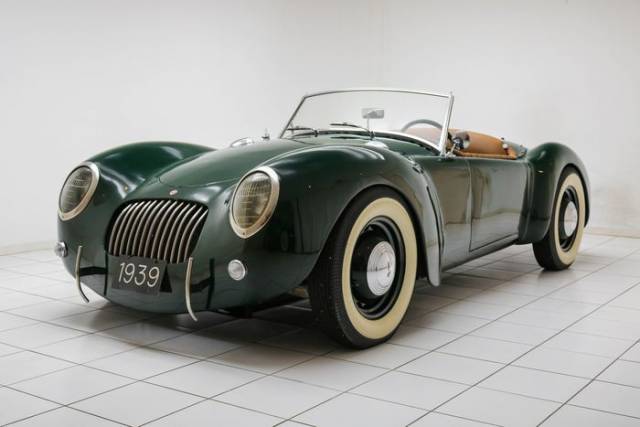
1939 | Ford Roadster Custom

Create search alert
Let yourself be notified as soon as a listing is published that matches your search filters.
Create listing
Do you have a Ford Roadster that you want to sell? Then create a listing now.
Create listingFord Roadster Classic Cars: Prices & Market Values
History of the Ford Roadster
Ford Roadsters trace their roots to the earliest years of Ford production. The body style—a two-seater convertible with a soft top and often no side windows—became prevalent in the 1920s and 1930s, especially with models like the Model A Roadster. Providing affordable, spirited driving for the masses, Ford Roadsters were central to the birth of hot-rodding culture in the United States, frequently used as lightweight platforms for performance modifications. Production of true 'roadster' bodies at Ford largely ceased after the early post-war years, as consumer preferences and safety regulations shifted towards enclosed vehicles.
Model Series Evolution
The first major Ford roadster was the Model T, soon followed by the more refined Model A Roadster from 1927. Through the 1930s, the Ford V8 Roadsters became available, especially renowned among enthusiasts for their flathead V8 engines and streamlined bodies. Later years saw fewer open models, as the automotive market shifted towards coupes and sedans. The roadster body was dropped from mainstream Ford models after World War II, but its influence continues in replica builds and hot rod projects around the globe.
Highlights and Distinguishing Features
Ford Roadsters are celebrated for their simple engineering, easy maintenance, and the pure, unfiltered driving experience afforded by open-top motoring. Their robust ladder chassis and straightforward mechanicals provide an excellent canvas for enthusiasts wishing to preserve originality or build custom hot rods. Highly tunable, the Ford Roadster is one of the most modified cars in classic automotive culture.
Technical Data
Special Editions and Limited Models
While the term 'special edition' was not as common in the era of the original Ford Roadster, certain models—such as the 1932 Ford V8 Roadster ('Deuce')—are particularly sought after for their unique engines and bodywork. Regional variants and dealer-modified editions further add to the diversity, including those produced for racing, military, or export markets.
Typical Weak Spots and Issues
Routine inspection is vital: Ford Roadsters are prone to bodywork corrosion, particularly around the floor pans, sills, and frame rails, due to older metallurgy and exposure with open tops. Mechanical simplicity aids repairs, but original braking and electrical systems may need upgrading for reliable, safe usage. Attention to the correct operation of the convertible roof mechanism, side curtain fitment, and wood structural supports in some early cars is crucial for long-term preservation.
Engine, Transmission and Driving Dynamics
Driving a Ford Roadster delivers a tactile, engaging experience. Early four-cylinder units provide modest performance but respond well to tuning. Flathead V8 Ford Roadsters, especially the 1932–1934 models, offer significantly more power and torque, contributing to their popularity with hot rodders. Manual transmissions require careful operation due to non-synchro gears, and steering is direct but can be heavy at low speeds. Suspension design—using transverse leaf springs—delivers a firm ride, with straightforward handling characteristics typical of period vehicles. • 1932 Ford V8 Roadster: Renowned for the flathead engine and customisation potential. • Ford Model A Roadster (1927–1931): A simple, accessible classic that's respected for its reliability and period-correct driving experience.
Exterior, Interior and Design Features
Design is defined by open cockpits, a pronounced cowl, and flowing fenders. Early models feature minimal weather protection, typically detachable side curtains instead of wind-up windows. Interiors are spartan, often finished in vinyl or simple leather with exposed metalwork, prioritising function over luxury. Exterior paint colours and trims varied widely depending on production year and customer preference—restored cars often feature historically accurate two-tone combinations. Special accessories available included wire wheels, upgraded lighting, tool kits, and, later, aftermarket speed equipment.
Further Characteristics and Information
Ownership is often accompanied by active involvement in vintage car communities and hot rod clubs. Parts availability is strong due to a thriving restoration and reproduction market, especially for the Model A and 1932 models. Documentation, matching numbers, and original components dramatically influence value and collectability.
Summary
The Ford Roadster is a landmark in motoring's evolution, embodying design and engineering innovations spanning from the brass era to the flathead V8 period. Its ongoing relevance is reflected in club participation, dedicated parts support, and the unique pleasure of wind-in-the-hair motoring that only a classic open Ford can offer.