Ford Prefect classic cars for sale
The Ford Prefect, produced between 1938 and 1961 by Ford UK, stands out as a practical British saloon with character. Its evolution from the distinctive upright bodywork to a more streamlined three-box design reflects changing automotive tastes over two decades. On this page you'll find available Prefect models across its key series.
Search results
Currently, there are no matching listings for your search.
Create search alert
Let yourself be notified as soon as a listing is published that matches your search filters.
Create listing
Do you have a Ford Prefect that you want to sell? Then create a listing now.
Create listingFord Prefect listing references from Classic Trader
Below you will find listings related to your search that are no longer available on Classic Trader. Use this information to gain insight into availability, value trends, and current pricing for a "Ford Prefect" to make a more informed purchasing decision.
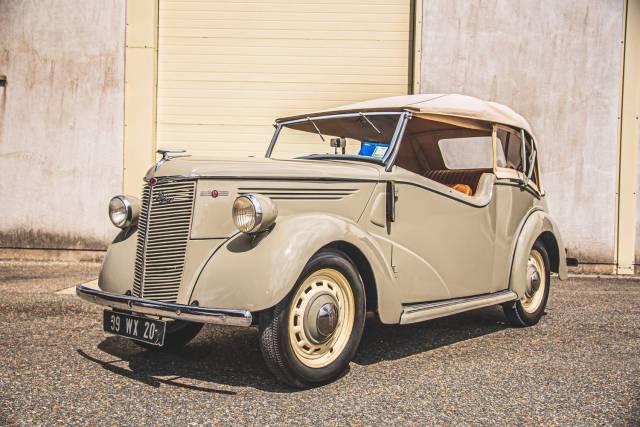
1939 | Ford Prefect
Rare Tourer with Low Stated Milege
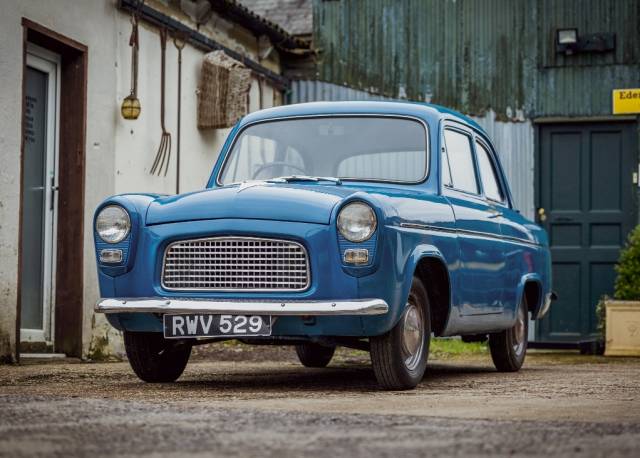
1958 | Ford Prefect
Ford 100E
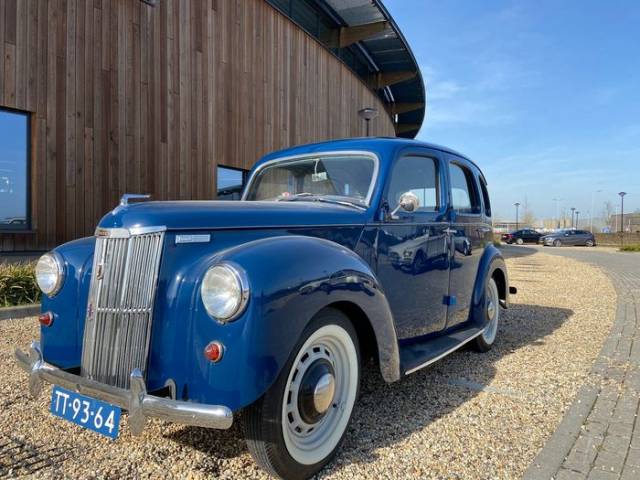
1949 | Ford Prefect
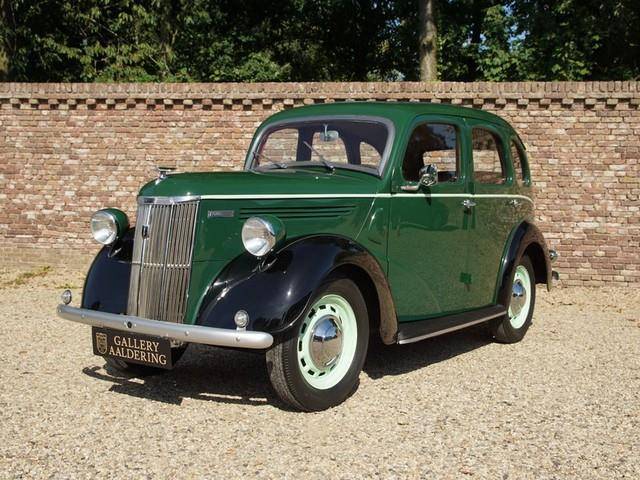
1951 | Ford Prefect
Oldtimer Ford first series, restored condition
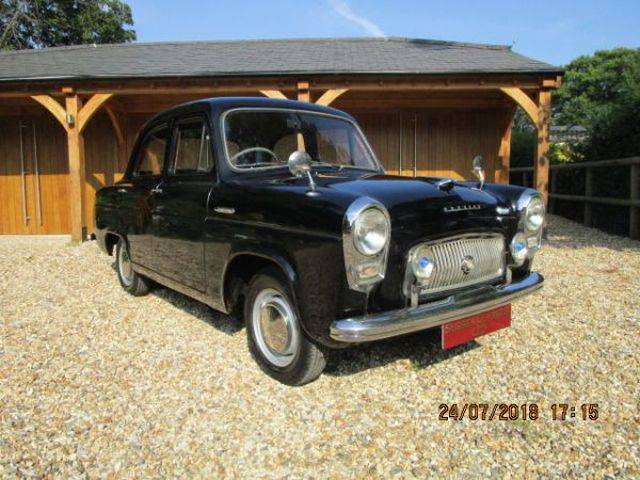
1955 | Ford Prefect
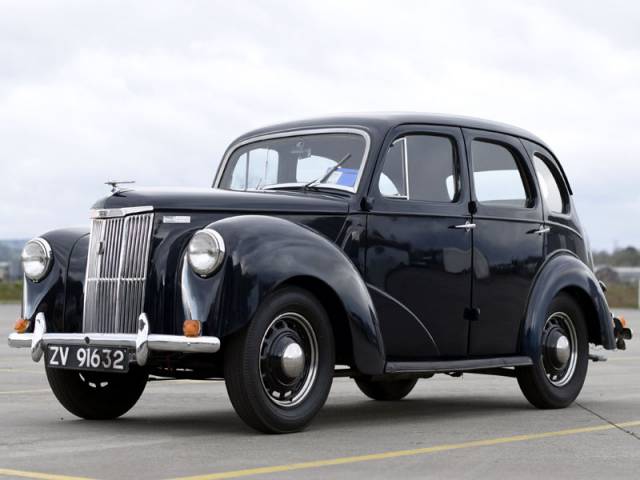
1950 | Ford Prefect
For Sale by Auction National Motorcycle Museum: 02.06 - Estimate 3500 - 4500 GBP
Create search alert
Let yourself be notified as soon as a listing is published that matches your search filters.
Create listing
Do you have a Ford Prefect that you want to sell? Then create a listing now.
Create listingFord Prefect Classic Cars: Prices & Market Values
The history of the Ford Prefect
The Ford Prefect originated as part of Ford UK’s strategy to cater for British families seeking reliable compact vehicles before and after WWII. First entering the market in October 1938, the Prefect was devised as a more refined counterpart to the basic Anglia and Popular models. Production was briefly interrupted in 1941 due to wartime constraints, resuming in 1945. Over its lifespan, the Prefect adapted not only to peacetime needs but also to evolving design philosophies, eventually included in assembly lines in Ford Australia.
Model history of the Ford Prefect
The Prefect followed a noteworthy lineage, debuting as the upscale member alongside the Anglia and Popular family. The initial 'sit-up-and-beg' perpendicular shape defined early models, typical of pre-war British saloons. In 1953, Ford UK introduced a significant redesign, embracing a modern three-box silhouette. Major manufacturer codes include the E93A, E493A, and 100E, each representing incremental advancements in body style and engineering. The Prefect's success laid groundwork for later compact saloons in the Ford stable.
Highlights of the Ford Prefect series
One of the Prefect's strongest assets lies in its variation across manufacturer codes, offering choices in style and specification from E93A to E493A and finally 100E models. Each code marks specific technical and cosmetic refinements. Demand is greatest for the E493A, likely due to its advanced styling at the time. The Prefect also carries importance for those interested in British and Australian production variances.
Technical data for the Ford Prefect
Special Editions and Collectible Models
Certain manufacturer codes such as the rare transition models, particularly Australian-built editions, are sought after for their unique build details and regional variations. However, no official factory 'special edition' versions are documented.
Weak Spots and Common Issues
Common considerations with the Ford Prefect typically involve age-related wear. Prospective buyers should closely inspect for body corrosion, especially in sills and underbody areas, as well as mechanical fatigue in the manual gearbox and suspension, considering these are over sixty years old. Reliable parts supply for running gear can vary depending on model code.
Engine and Performance, Transmission and Handling
The Ford Prefect is powered by robust but modest four-cylinder engines, driving the rear wheels via a manual 4-speed transmission. While not quick by modern standards, these saloons offer dependable and predictable handling, with mechanical simplicity favouring ease of repair and maintenance. Braking and suspension are period-basic, rewarding attentive driving and mechanical sympathy. - E493A: Most recognised for its postwar updates and is the most in-demand based on our listing data.
- E93A: Appreciated for its prewar root styling and mechanical authenticity.
- 100E: The modernised three-box body, introduced in the later years, offers a more contemporary appearance and improved comfort.
Interior, Comfort, Exterior and Design
Early Prefects display upright roofs and simple, functional interiors with minimal ornamentation, a reflection of pre-war British utility. Post-1953, the 100E generation ushered in a curvier, streamlined exterior and improved cabin ergonomics. Common finish options were conservative, often dark shades with vinyl or cloth interiors. Accessories and special fittings were limited; however, dealer-fit options such as heater units or upgraded radios occasionally appear in surviving cars.
Other notable features
Australian-built Prefects occasionally feature bodywork or mechanical adjustments specific to the regional market, which may hold interest to enthusiasts. The Prefect was a popular export, making global variations part of its appeal.
Summary
The Ford Prefect encapsulates British small car engineering from the late 1930s to the early 1960s, standing apart from its Popular and Anglia siblings through a mix of style and practicality. Our listings reflect the greatest availability and demand for postwar E493A models, with strong representation for the earlier E93A and modern 100E variants as well. Buyers should be attentive to body condition and mechanical completeness, with plenty of variety depending on production year and market.