Ford GPA classic cars for sale
The Ford GPA, better known as the 'Seep', is an amphibious military vehicle based on the famous WW2 Ford GPW Jeep. Produced in the thousands for Allied forces, the GPA combined off-road versatility with full amphibious capabilities—a unique blend that contributed to its niche post-war legacy and enduring enthusiasts' fascination.
Search results
Currently, there are no matching listings for your search.
Create search alert
Let yourself be notified as soon as a listing is published that matches your search filters.
Create listing
Do you have a Ford GPA that you want to sell? Then create a listing now.
Create listingFord GPA listing references from Classic Trader
Below you will find listings related to your search that are no longer available on Classic Trader. Use this information to gain insight into availability, value trends, and current pricing for a "Ford GPA" to make a more informed purchasing decision.
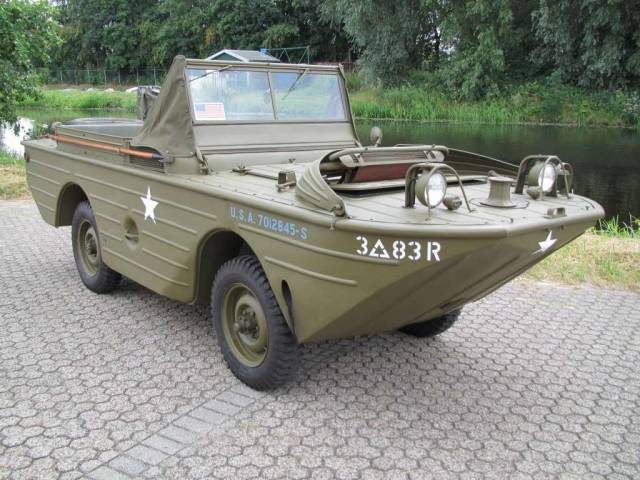
1943 | Ford GPA

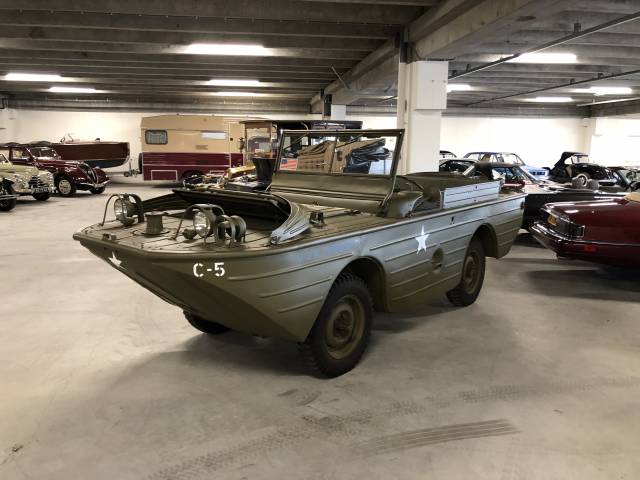
1943 | Ford GPA
On sale in the Classic Car Pop-Up Store in the Metropole Druten
Create search alert
Let yourself be notified as soon as a listing is published that matches your search filters.
Create listing
Do you have a Ford GPA that you want to sell? Then create a listing now.
Create listingFord GPA Classic Cars: Prices & Market Values
History of the Ford GPA
The Ford GPA—short for 'General Purpose Amphibian'—was born from a U.S. military need during World War II for a light vehicular platform capable of both land and water operations. Ford engineers, leveraging their GPW (the Jeep) expertise, designed an all-wheel-drive vehicle with an integrated hull and screw propeller. First seeing action in 1942, over 12,000 units were manufactured and deployed globally. The GPA participated notably in operations across the Pacific, Soviet Union supply convoys, and amphibious landings such as D-Day. Its arrival filled a tactical void but also exposed the engineering compromises required for amphibious operation, such as land mobility trade-offs for buoyancy and sealing. After 1945, surplus GPAs found civilian roles in expeditions, rescue services, and became a curiosity for postwar collectors and historians.
Model history of the Ford GPA
The Ford GPA drew its foundation from the standard Ford GPW, notable as the 'jeep', but with substantial modifications: an extended, watertight body, marine-style propeller, and rudder controls. No direct predecessor existed—the GPA was a unique military experiment. The model was succeeded indirectly by more capable amphibian vehicles like the DUKW and Soviet copies such as the GAZ-46 MAV. Production ceased after a single series, with no substantial civilian continuation, highlighting its purpose-built nature for WW2.
Highlights of the Ford GPA
What sets the Ford GPA apart is its genuine amphibious capability paired with Jeep off-road drivetrain—a feat rarely attempted before or since in vehicles of its class. Operational versatility—crossing rivers under its own power—was a strategic boon but demanded skill from operators. Today, the GPA stands out in military vehicle circles for its mechanical ingenuity and distinctive wartime service history.
Technical data
Special Editions and Collectible Models
No factory special editions were produced for the Ford GPA, though some surviving vehicles are distinguished by well-documented combat or expedition history, as well as rare Soviet Lend-Lease examples with period modifications.
Weak Spots and Common Issues
Potential buyers should be aware of hull integrity and water sealing—age-related deterioration of seals and hull metal is a common issue, leading to leaks. The propeller and water drive mechanisms are mechanically complex, requiring regular lubrication and precise adjustment. Original parts for the amphibious components are exceedingly rare, making correct restoration a challenge. Ensuring the engine ignition system is waterproofed is also crucial for operational reliability.
Engine, Performance, Transmission and Handling
On land, the GPA relies on the tried-and-tested Jeep four-cylinder engine, offering similar performance on dry surfaces, albeit with increased weight and reduced agility due to the hull. In water, the maximum speed is restricted by hull shape and small propeller, with typical water cruising speeds of 4-5 knots. The manual gearbox is standard, transferring propulsion to all wheels or the propeller as selected by the driver. Steering in the water is by rudder, controlled via an extra lever. Amphibious performance suffers in strong currents or rough water—well suited for calm river crossings rather than coastal surf. While the only model was the GPA, enthusiasts occasionally favour restored Lend-Lease versions or those with full operational amphibious equipment and correct period details.
Interior, Comfort, Exterior and Design
The Ford GPA's design is dictated by function: slab-sided steel hull, exposed cockpit, fold-down windscreen, and external oar mounts for manual paddling if needed. Interiors are spartan—painted metal, waterproofed instrumentation, and minimal comfort features, prioritising quick transition between land and water. Waterproof canvas top and side screens were issued for protection. Special design features include a centrally mounted propeller drive, hull drain plugs, and a prominent bow ramp for boarding vessels or shorelines. Accessories often included pioneering tools, canvas weather gear, and for Soviet 'Seep' examples, locally produced fittings or stencilled markings.
Other Relevant Features
The GPA's combination of military engineering and its role in historic WW2 operations continue to make it a subject of interest at military vehicle events, reenactments, and restoration clubs. Surviving examples are often equipped for demonstration purposes, and original documents or provenance adds significantly to their historic value.
Summary
The Ford GPA represents a historically significant experiment in military vehicle design—serving in numerous theatres and remembered for its amphibious capabilities. While mechanically more complex and specialist than its Jeep stablemate, surviving GPAs carry with them the story of wartime necessity and ingenuity, making them a continued focus of collectors with a keen eye for WW2 history and unique engineering solutions.