Bentley Corniche classic cars for sale
The Bentley Corniche stands for unparalleled luxury and exclusivity among classic Bentleys. Built in extremely limited numbers between 1971 and 1980, the Corniche was available as a coupé and cabriolet, both featuring the refined 6.75-litre V8 engine and distinguished by their handcrafted interiors and unique design details.
Search results
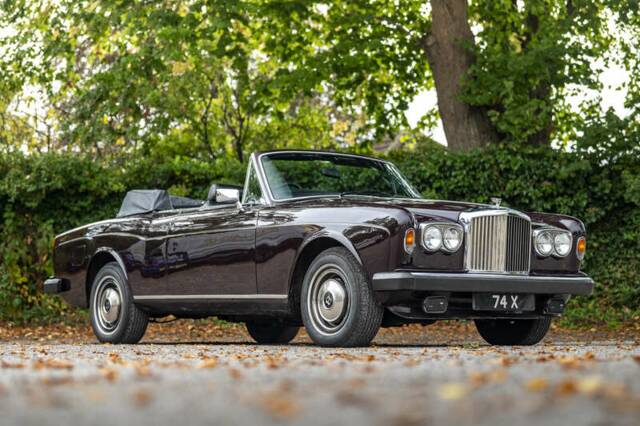
1978 | Bentley Corniche I
1978 Bentley Corniche Convertible

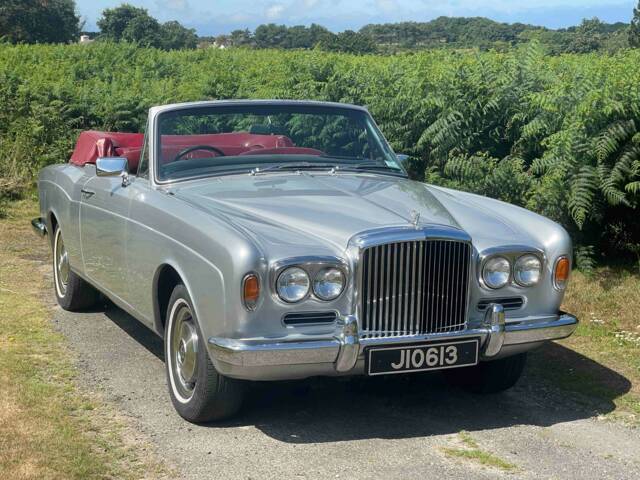
1971 | Bentley Corniche I
Looks ‘a million dollars’ and drives equally well
Auctions ending soon

Loading…
Loading…
Loading…
Loading…
Bentley Corniche listing references from Classic Trader
Below you will find listings related to your search that are no longer available on Classic Trader. Use this information to gain insight into availability, value trends, and current pricing for a "Bentley Corniche" to make a more informed purchasing decision.
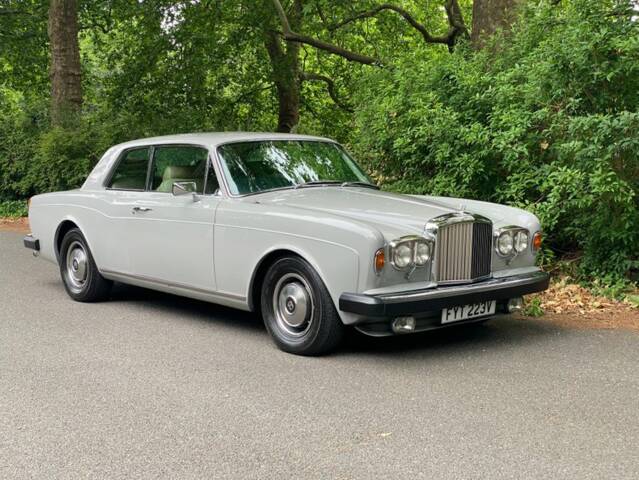
1980 | Bentley Corniche
1980 Bentley Corniche 2 door saloon
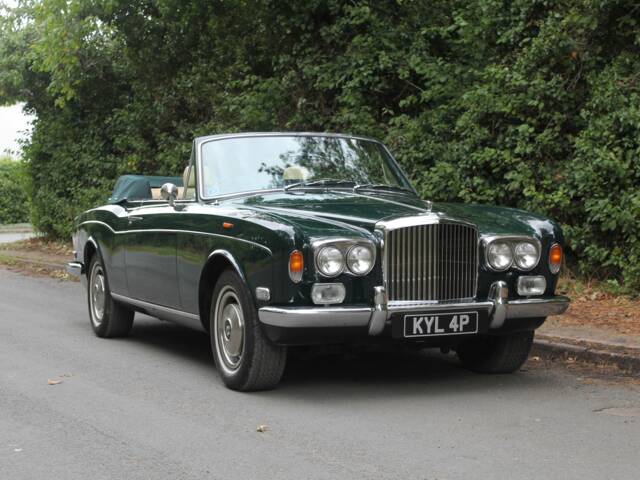
1975 | Bentley Corniche I
1975 Bentley Corniche Convertible
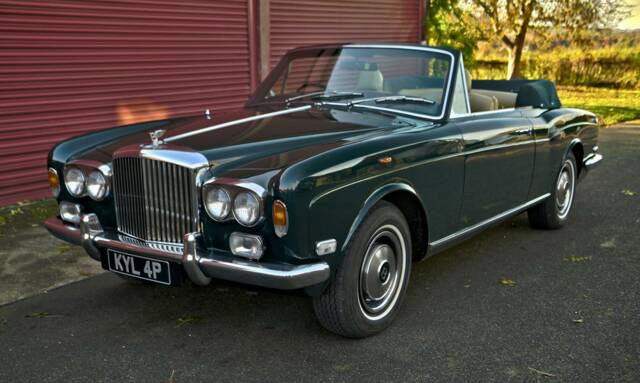
1975 | Bentley Corniche I
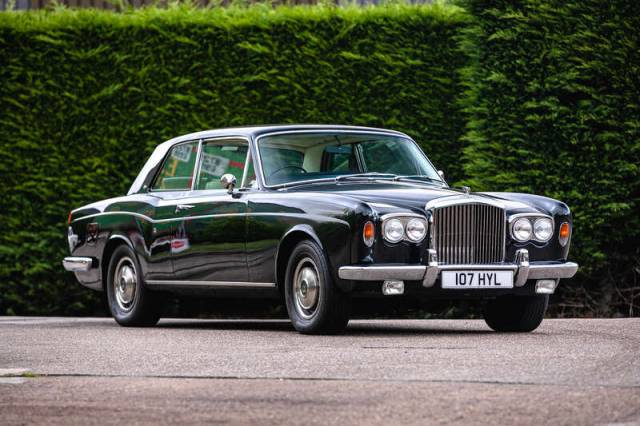
1974 | Bentley Corniche I
1974 Bentley Corniche Two-Door H.J. Mulliner Coupé
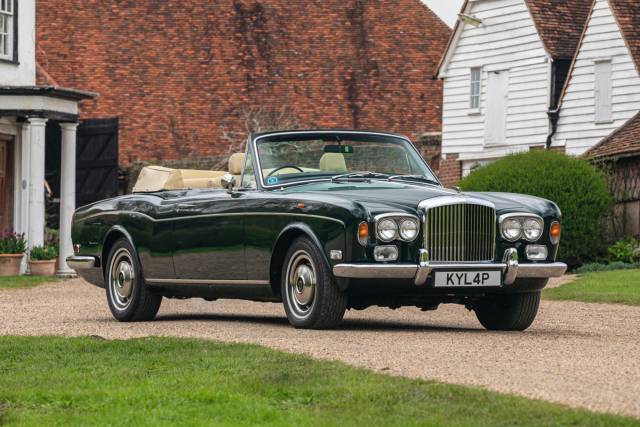
1975 | Bentley Corniche I
1975 Bentley Corniche Convertible
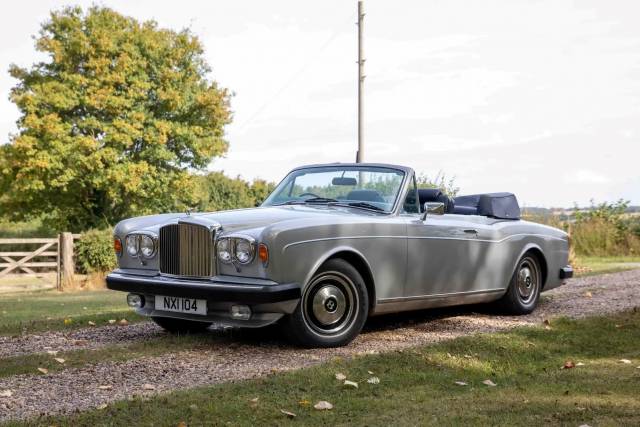
1981 | Bentley Corniche I
MPW Coach built - One of 77 - Low Mileage
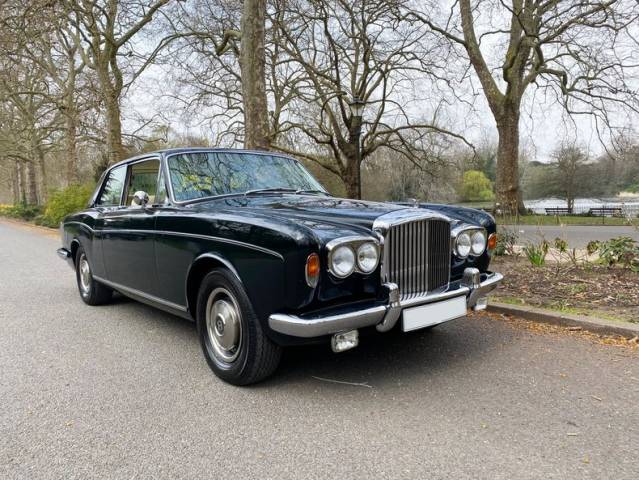
1974 | Bentley Corniche
1974 Bentley Corniche 2 door saloon
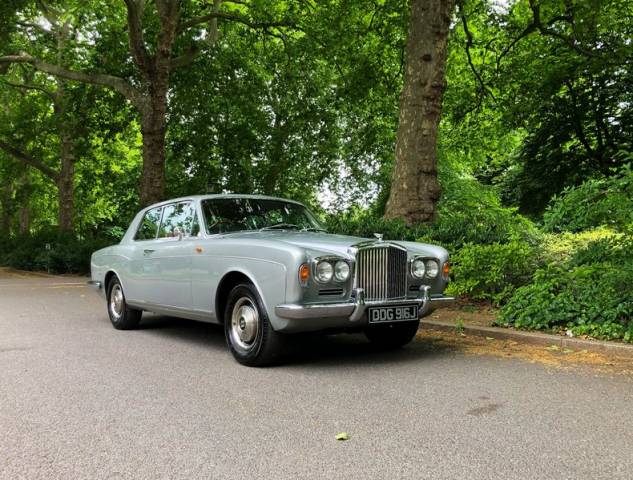
1971 | Bentley Corniche
1971 Bentley Corniche 2 door saloon
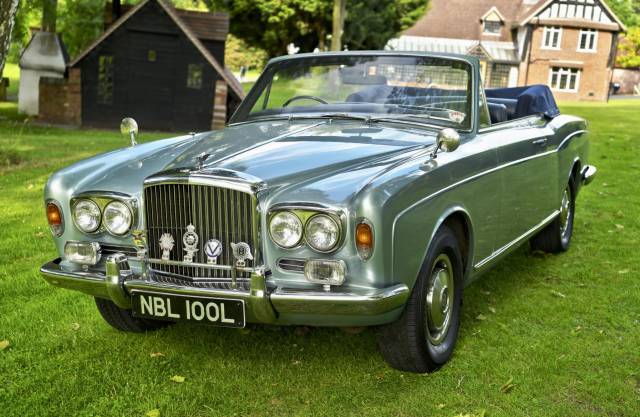
1973 | Bentley Corniche I
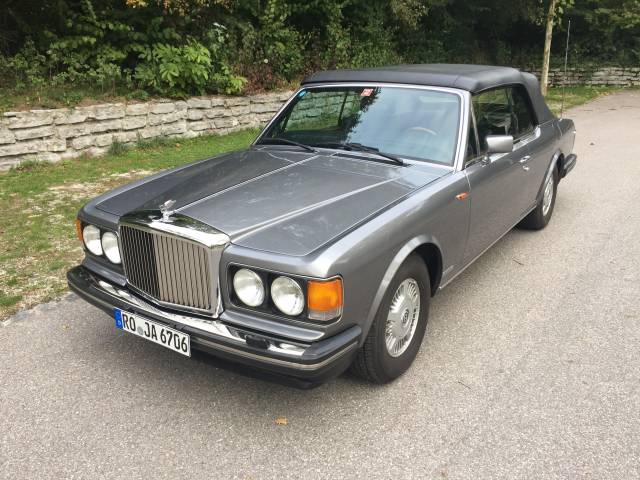
1990 | Bentley Corniche III
Bentley Eight Jankel Spyder Azur

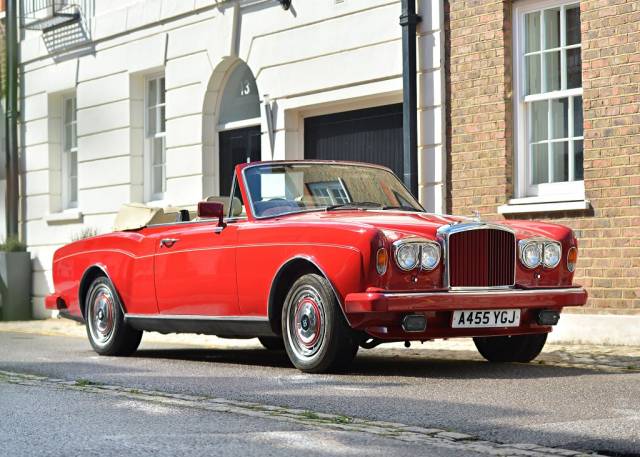
1984 | Bentley Corniche I
Bentley Corniche Convertible
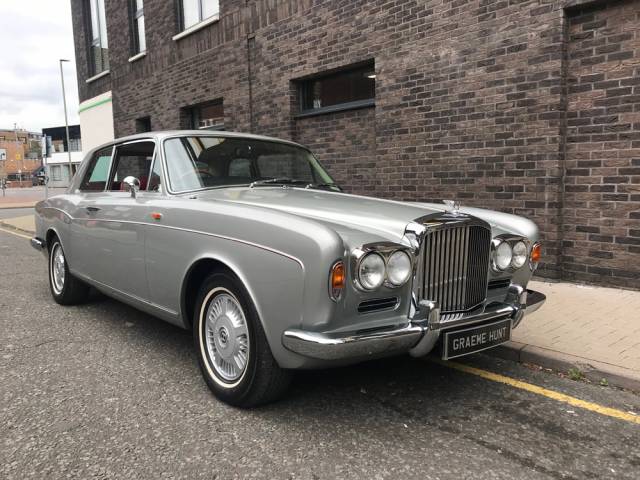
1971 | Bentley Corniche
1971 Bentley Corniche 2 door saloon
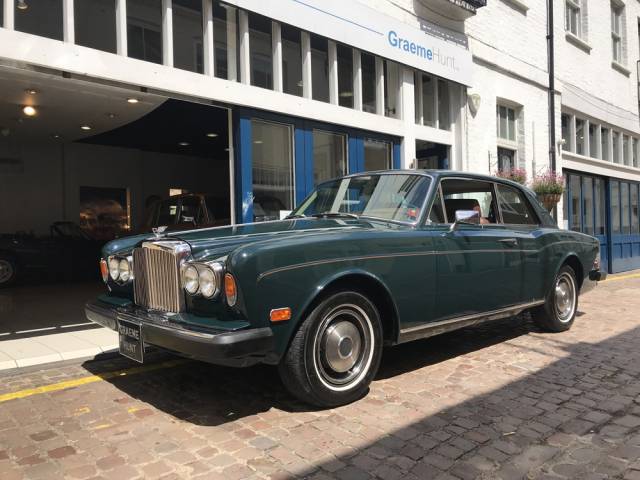
1979 | Bentley Corniche
Number 1 of 6 produced
Bentley Corniche Classic Cars: Prices & Market Values
History of the Bentley Corniche
The Bentley Corniche is rooted in the elegant coupé version of the Bentley T-Series. Mulliner Park Ward, under Bill Allen's direction, crafted this distinct body style between 1966 and 1971. Owing to its market success, this concept was separated from the T-Series and marketed from 1971 onward as the Bentley Corniche. The name itself derives from 'Basse Corniche', a scenic road on the Côte d’Azur, reflecting the model’s continental flair. Although the first car to wear the Corniche badge was a pre-war Bentley Mark V prototype in 1939, it never reached mass production. Available as both coupé and convertible, the Bentley Corniche was notably more exclusive and was priced above its series siblings, emphasising its unique status.
Model history
The Bentley Corniche evolved directly from the Bentley T-Series, borrowing its technical foundation but distinguishing itself through refined body lines and luxury features. With the launch of the Rolls-Royce Silver Spirit in 1981, production of both Rolls-Royce and Bentley Corniche models ceased. In 1984, a thoughtfully revised version re-emerged as the Bentley Continental, marking a significant point in Bentley's path toward greater brand independence. In total, only about 140 Bentley Corniche cars were produced, making it one of the rarest post-war Bentleys, with convertibles in a slight majority. Its low production volume positions it well apart from its Rolls-Royce Corniche siblings, which were far more common.
Highlights and statistics
The Bentley Corniche stands out for its extremely low production numbers, high degree of manual craftsmanship and luxurious appointments. Signature features include high-quality Magnolia leather, burr walnut wood trim, chrome interior details, plush lambswool carpets and advanced features for its time such as electrically adjustable seats, automatic climate control, and a four-speaker audio system with electrically operated aerial. Many examples of the Corniche came with extensive documentation and original accessories, including tonneau covers and tailored bags for the convertible roof. Some cars are especially sought after due to their 5000-series chassis numbers, considered especially rare and desirable among collectors.
Technical data
Special Editions and Collectible Models
While every Bentley Corniche is inherently a collector's item due to the low overall production count, special highlights include cars with the '5000-series' chassis numbers, representing a particularly exclusive subset. Furthermore, cars delivered in rare original colours like Willow Gold or British Racing Green, and cars with comprehensive original accessories, are especially coveted by knowledgeable collectors.
Weak spots and common issues
Potential buyers should be attentive to regular comprehensive documentation and service history, as proper maintenance is essential for these complex, hand-built vehicles. Wear to the electrical systems, hydraulic suspension, and air conditioning units can be expensive to resolve. Trim parts in the interior, such as burr walnut veneer and Magnolia leather, require careful specialist restoration if original condition is to be preserved. Parts supply is generally good due to the model’s shared heritage with Rolls-Royce, but costs can be significant. Many Corniches have benefited from Rolls-Royce & Bentley specialist care.
Engine and performance, transmission and handling
The 6.75-litre V8 engine distinguishes the Corniche with its quiet yet robust torque delivery, perfectly matched to the car’s comfortable touring focus. Power increases over the years improved acceleration and response, especially after 1977 with the introduction of Bosch fuel injection. The Corniche employs a three-speed automatic transmission and independent coil-spring suspension, providing a combination of ride comfort and competent handling for its size. Advanced for its era, ventilated disc brakes and electronic ignition contributed to safe, reliable performance for grand touring. Among the rare Corniche examples, convertibles are especially prized for their open-air luxury. The 5000-series chassis numbers and special original colours further enhance a model's desirability. Saloons (Fixed Head Coupés) represent an even smaller share, with fewer than seventy documented.
Interior, comfort, exterior and design
The exterior of the Bentley Corniche—as shaped by Mulliner Park Ward and designer John Polwhele Blatchley—combines flowing lines with a pronounced, confident presence. Characteristic chrome bumpers and classic round headlights set the tone up front, while the sculpted rear arches and elegant rooflines highlight the silhouette. Inside, every Corniche features hand-selected fine leather in shades such as Magnolia, extensive burr walnut veneers, chrome switchgear, and lambswool carpets. Electric seats, factory air conditioning, and advanced sound systems conveyed a new level of comfort in its day. Additional original extras—like fitted tonneau covers for the cabriolet and colour-matched accessories—catered to the most discerning buyers.
Other notable features
The Corniche was often ordered with unique, individual specifications at the request of its first owners. This included entirely bespoke paint finishes, interior trim variations, and personalisation to match taste and use. Warranted service books, comprehensive delivery documentation, and period-correct accessories are highly regarded in today’s market.
Summary
With its blend of powerful engineering, limited production, and luxurious British craftsmanship, the Bentley Corniche occupies an unrivalled position within the post-war Bentley cosmos. Its rarity, excellence in build, and attention to detail have made it a star among classic Bentley enthusiasts, with every surviving example forming a significant automotive statement.