Peugeot 404 Classic Cars for Sale
The Peugeot 404, designed by Pininfarina and built from 1960 to 1975, set new standards for comfort and reliability among European family cars. Available as a saloon, estate, convertible, coupé, and pick-up, the 404 combines accessible engineering with stylish Italian design. Its robust mechanics, spaciousness, and versatility made it popular as a taxi, emergency vehicle, and everyday family car.
Search results
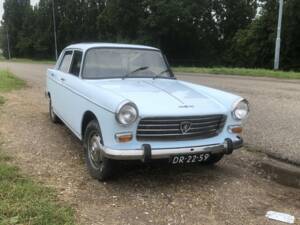
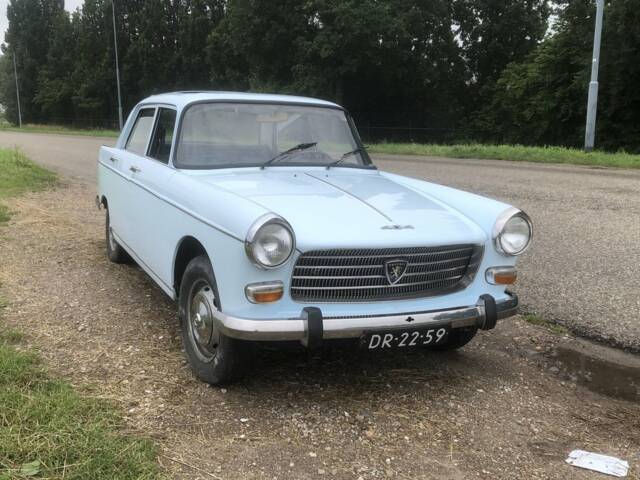
1972 | Peugeot 404
Peugeot 404 | 1972 | Route 66 Auctions - For sale by auction. Estimate 5500 EUR

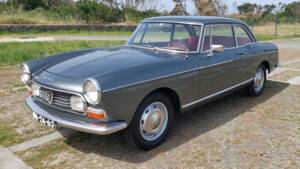
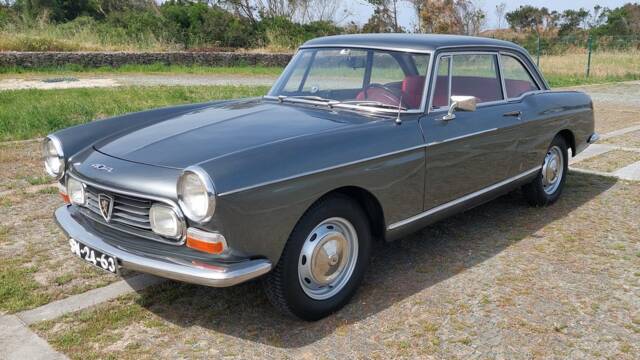
1967 | Peugeot 404 Coupé
Peugeot 404 Coupe | 1967 | Route 66 Auctions - For sale by auction. Estimate 15500 EUR
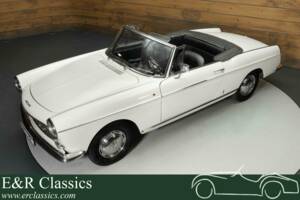
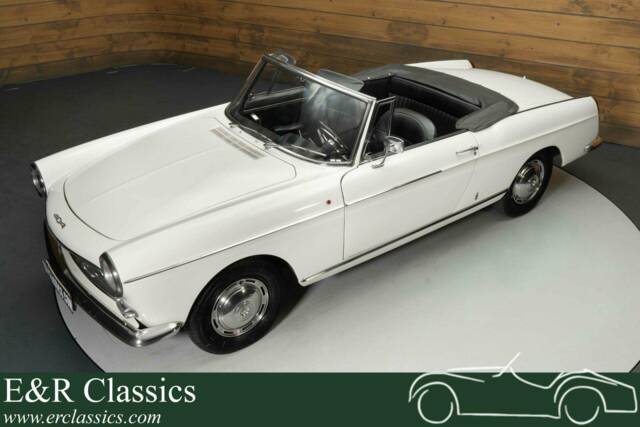
1966 | Peugeot 404 Convertible
Peugeot 404
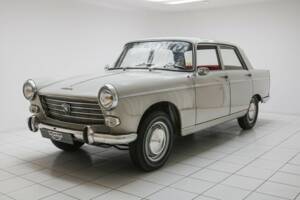
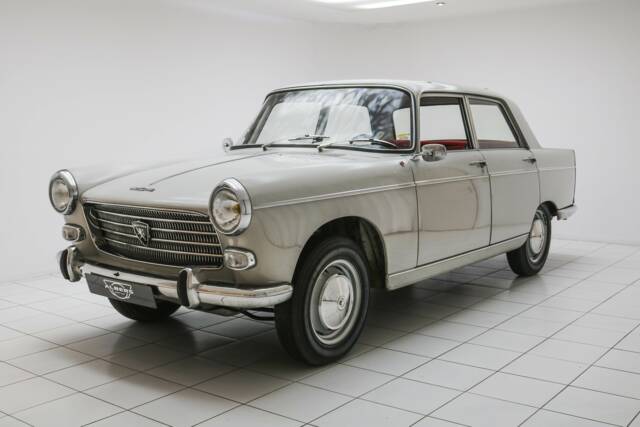
1963 | Peugeot 404
Berline 1.6 – Fully Original – Perfect Condition – Never Restored
Peugeot 404 listing references from Classic Trader
Below you will find listings related to your search that are no longer available on Classic Trader. Use this information to gain insight into availability, value trends, and current pricing for a "Peugeot 404" to make a more informed purchasing decision.
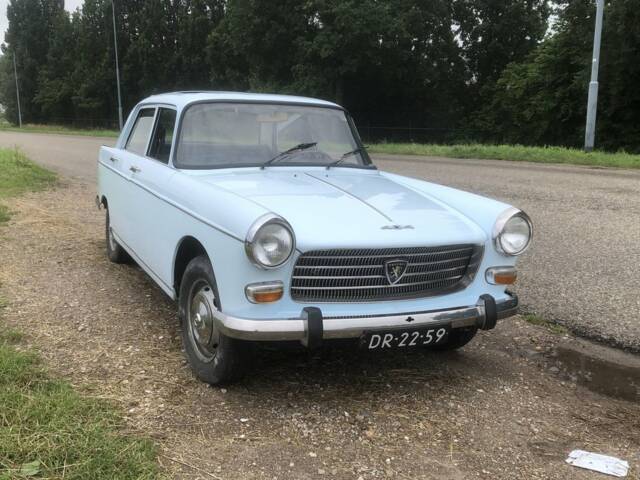
1972 | Peugeot 404
Peugeot 404 | 1972 | Route 66 Auctions - For sale by auction. Estimate 5500 EUR
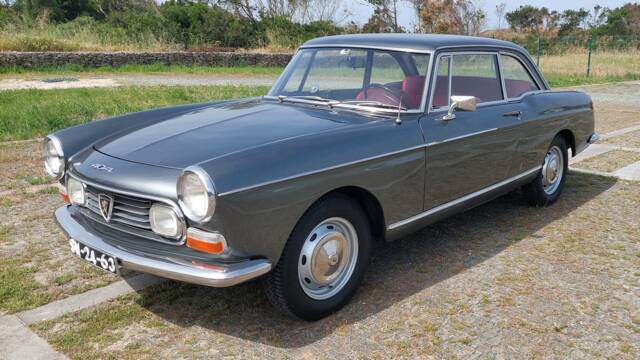
1967 | Peugeot 404 Coupé
Peugeot 404 Coupe | 1967 | Route 66 Auctions - For sale by auction. Estimate 15500 EUR
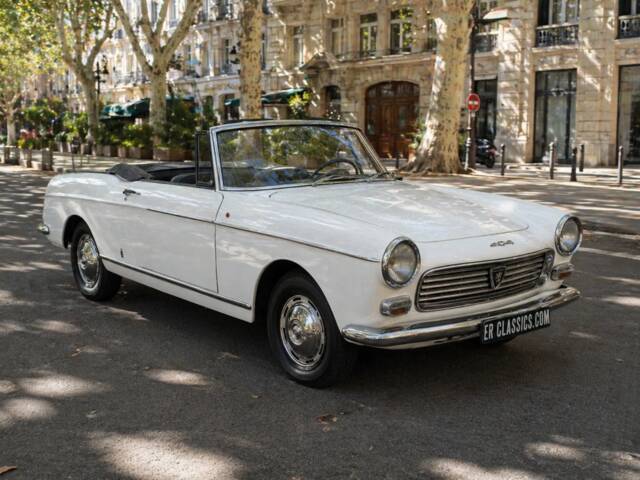
1966 | Peugeot 404 Convertible
Peugeot 404 Cabriolet | 1966 | Route 66 Auctions - For sale by auction. Estimate 23500 EUR
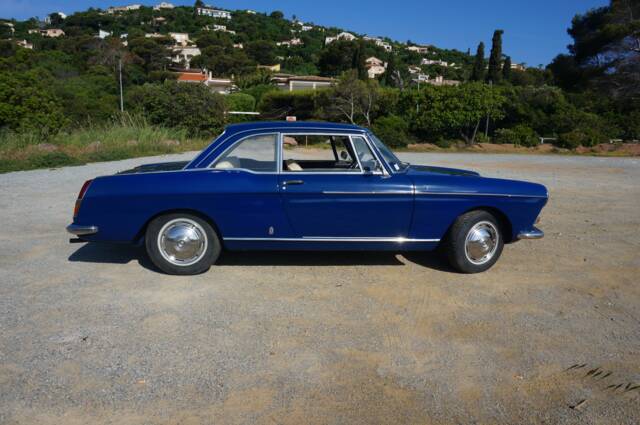
1967 | Peugeot 404 Coupé
restauration integrale
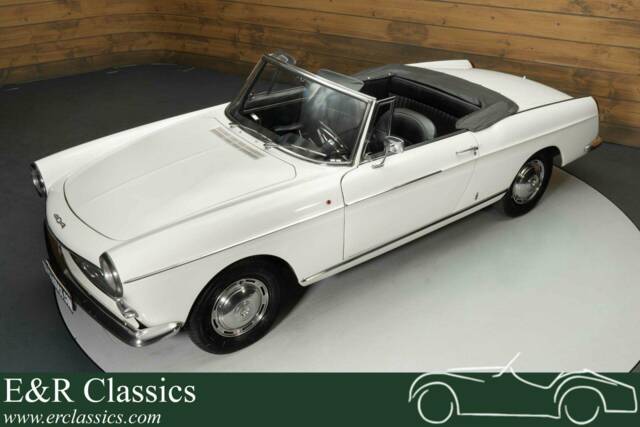
1966 | Peugeot 404 Injection
Peugeot 404
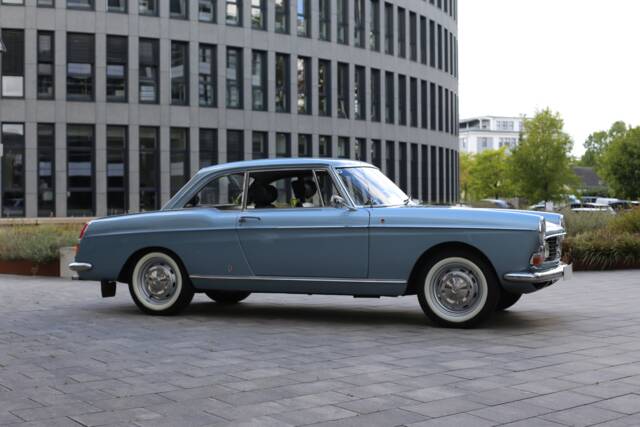
1968 | Peugeot 404 Coupé
Peugeot 404 Coupe SL Injection – A Rare French Classic

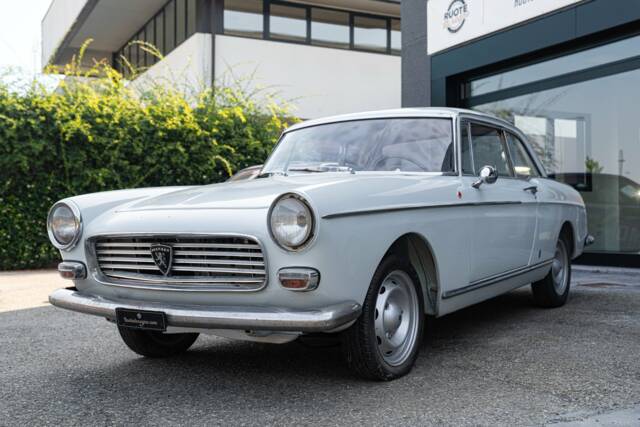
1966 | Peugeot 404 Coupé
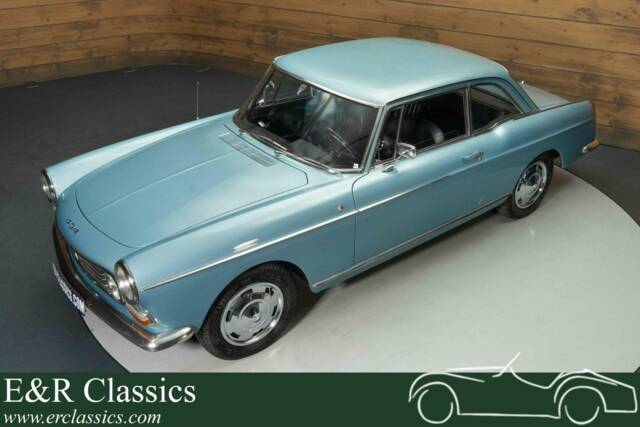
1968 | Peugeot 404 Coupé
Peugeot 404 Coupe | Gerestaureerd | 1968
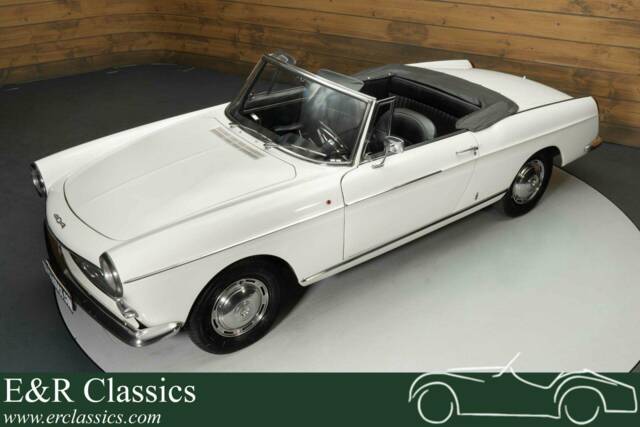
1966 | Peugeot 404 Convertible
Peugeot 404 Cabriolet | Zeer Goede Staat | 1966
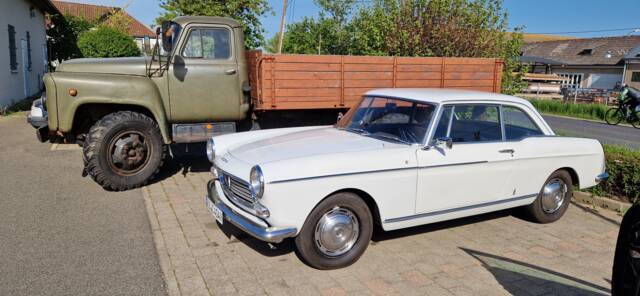
1964 | Peugeot 404 Coupé
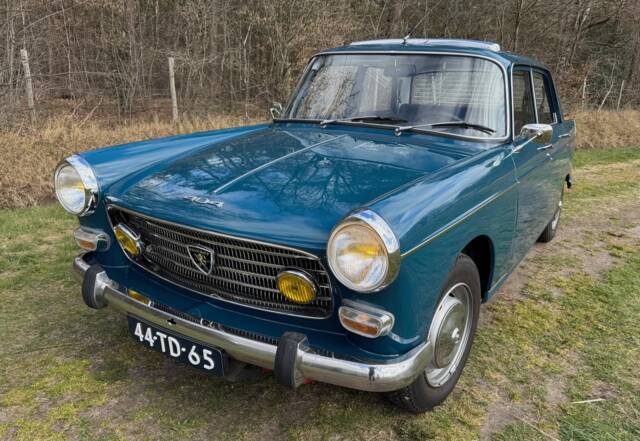
1972 | Peugeot 404 Diesel
Beautiful fully restored and improved classic 404 Turbo Diesel Automatic
Peugeot 404 Classic Cars: Prices & Market Values
The market value of Peugeot 404 classic cars is primarily determined by the specific manufacturer code and variant, as well as technical condition, originality and mileage. Additional factors include rarity, history and documentation. A well-maintained, largely original vehicle with low, verifiable mileage and complete history including appraisals and documentation typically achieves significantly higher prices than a comparable vehicle with deferred maintenance, many modifications or unclear provenance.
Peugeot 404: Market Prices & Value Trends
Based on sales data from the Classic Trader marketplace, the Peugeot 404 market in Europe (with many entries from Germany and the Netherlands) has shown a broadly stable to gently rising tone over the period from early 2021 to January 2026. Pricing remains highly condition- and body-style dependent: standard saloons from the early-to-mid 1960s and early 1970s typically cluster in a realistic market band of roughly €10,000 to €25,000, while estates, Familiale and utility variants often sit lower when needing work. In contrast, the Pininfarina-bodied Peugeot 404 Coupé and 404 Injection models regularly trade in the high-€20,000s to around €45,000, reflecting their desirability and relative scarcity. Convertibles are the clear top tier, most often appearing around €40,000 to €70,000+; very high asking figures should be treated cautiously as outliers. For buyers, this means the 404 remains accessible in saloon form, but the better-specced and coachbuilt versions are increasingly priced as collectable classics, supported by design pedigree, limited supply and restoration costs.
Introduction and History of the Peugeot 404
Unveiled in May 1960 as successor to the 403, the Peugeot 404 represented a leap forward in family car engineering and European automotive design. Its body was styled by Pininfarina, giving the car clean, modern lines that reflected the optimism of post-war France. Produced until 1975, the 404 was built in various body styles, including saloon, estate, coupé, convertible, and pick-up. Notably reliable and praised for its comfort, the 404 found widespread demand as a taxi, police car, ambulance, and family transport across Europe and beyond. Production extended in some regions, with assembly continuing in Argentina and Kenya well into the late 1980s.
Model History
Replacing the Peugeot 403, the 404's first prototypes appeared in 1957. Throughout its life, the 404 was gradually updated without losing its fundamental identity. Early models set out with a 1.6-litre petrol engine, later joined by a 1.9-litre diesel, and from 1965, the advanced Kugelfischer injection was also available. The estate ('Break') and 7-seater 'Familiale' expanded the 404's practicality, whilst stylish coupé and convertible variants, each built by Pininfarina in Italy, broadened its appeal among more affluent buyers. The 404 was eventually succeeded by the Peugeot 504 in 1968, but commercial and assembly versions of the 404 continued for many years after.
Highlights of the Peugeot 404
The Peugeot 404 stands out for its variety of body types, from classic four-door saloon and spacious estate to elegant cabriolet and practical pick-up. The 404 was engineered for European conditions: a comfortable chassis, well-damped ride, and excellent noise insulation. Practical details, such as robust stainless steel bumpers and optional sunroof or Hydrovac brake servo, add everyday usability and period character. Tailored versions for taxi, emergency, or commercial use were commonplace.
Technical Data
Special Editions and Collectible Models
Convertible and coupé versions assembled by Pininfarina are considered especially collectable due to their Italian design and limited production numbers. The 'Familiale' estate variant, with three rows of seating, is rare and sought after for its versatility. High-spec "Super Luxe" models featured additional trim, sunroofs, and luxurious interiors, making them attractive for collectors who value originality and period-correct details.
Weak Spots and Common Issues
No specific weak spots or typical issues for the Peugeot 404 are provided in the current data. As with most vehicles of this era, regular inspection of the chassis, rust-prone areas, suspension bushings, and correct operation of the carburettor or injection system are recommended for longevity.
Engine and Performance, Transmission and Handling
The 404 prioritises comfort over outright sportiness. Engines are robust: the four-cylinder delivers between 44 and 65 kW in petrol guise, with an effective diesel variant for heavy-duty or high-mileage use. Performance for the era was more than adequate—0–100 km/h in as little as 14 seconds and top speed up to 190 km/h for injection models. Handling emphasises ride comfort, stability, and noise reduction, tailored for long-distance touring on European roads. Most vehicles came with a four-speed column-shift manual transmission, but some featured a ZF automatic. The estate and 'Familiale' gained a dedicated rear suspension layout (Panhard rod, trailing arms) for extra carrying capability. Highlights include the petrol-injected saloons (noted for higher performance), Familiale estates with seven seats, and the stylish coupé/convertibles, especially desirable for their limited numbers and Pininfarina coachwork.
Interior, Comfort, Exterior and Design
Pininfarina's influence is clear in the 404’s lines—balanced proportions, subtle use of chrome, and smart detailing like stainless steel hubcaps and bumpers. Coupé and cabriolet bodies share almost no panels with the saloon, resulting in a unique and more exclusive appearance. Interiors vary by specification, with options like leather seats and full instrumentation. The dashboard layout is rational and well-equipped for its time, with thoughtful touches such as left-hand light switches and variable-strength horn. Classic, understated colour schemes were typical inside and out. Limousine and Familiale versions could include a sliding sunroof, period radio, and tailored storage solutions.
Other Relevant Features
Original accessories such as toolkits, owner's manuals, and period radios add authenticity when present. Hydrovac brake servos were fitted on some models, improving braking safety for the time. The model was frequently used for commercial purposes, including as tow-trucks and ambulances. Tyre sizes like Michelin 165 R15 and stainless steel wheel trims are period correct.
Summary
The Peugeot 404 stands out as a class-defining European family car of the 1960s and 1970s. Renowned for its Pininfarina design, robust engineering, and everyday usability, it remains a favourite among enthusiasts who value comfort, reliability, and French automotive heritage. Its range of body types, mechanical simplicity, and practical features ensure the 404’s continuing appeal among classic Peugeot fans and collectors.