Peugeot 106 classic cars for sale
The Peugeot 106, produced from 1991 to 2003, stands out as a classic city hatchback available in both three- and five-door versions. Lightweight construction, practical design, and a variety of special editions defined its presence in the European supermini segment.
Search results
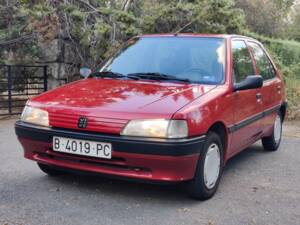
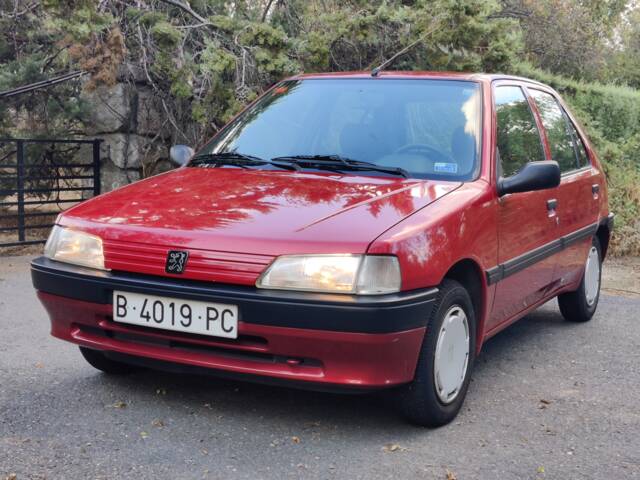
1994 | Peugeot 106 1.1
13.600 km

Peugeot 106 listing references from Classic Trader
Below you will find listings related to your search that are no longer available on Classic Trader. Use this information to gain insight into availability, value trends, and current pricing for a "Peugeot 106" to make a more informed purchasing decision.
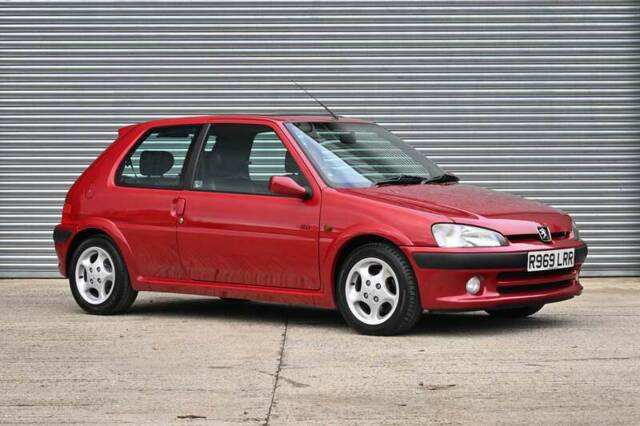
1998 | Peugeot 106 1.6 GTI 16V
1998 Peugeot 106 GTi

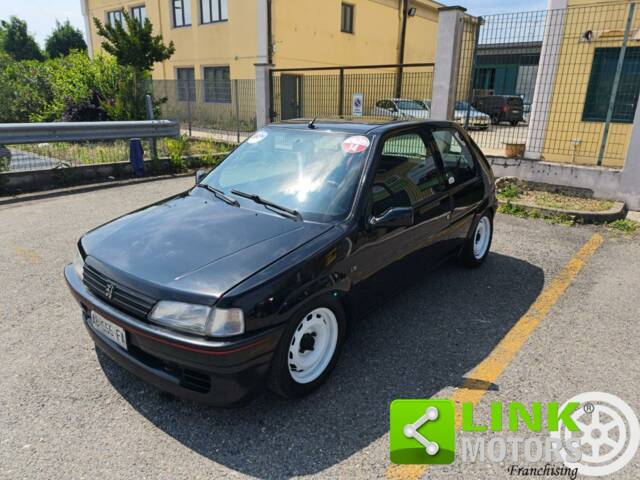
1994 | Peugeot 106 1.3 Rallye
PEUGEOT 106 1.3i cat 3 porte Rallye

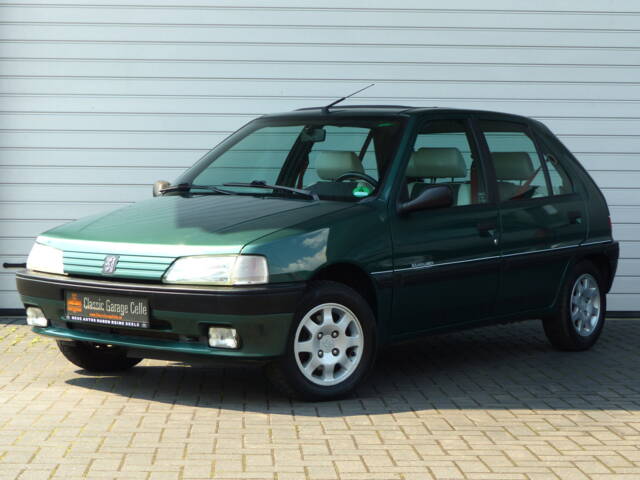
1993 | Peugeot 106 1.4
aus 1. Hand, wenig KM, Scheckheft

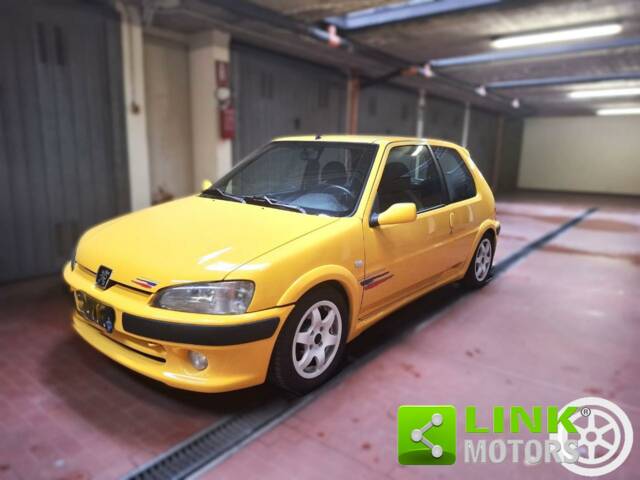
2000 | Peugeot 106 1.6 GTI 16V
PEUGEOT 106 1.6i 16V cat 3 porte Rallye PRENOTATA
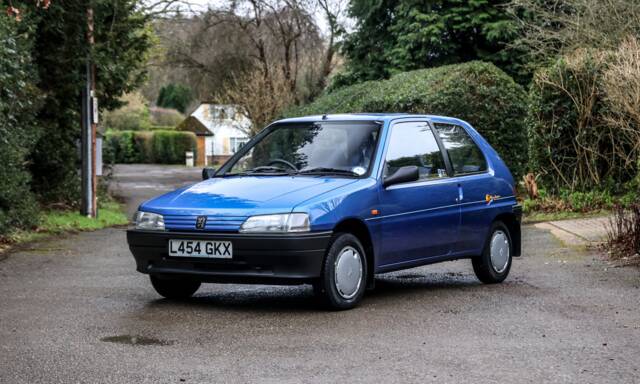
1993 | Peugeot 106 1.0
1993 Peugeot 106 Key West Special Edition
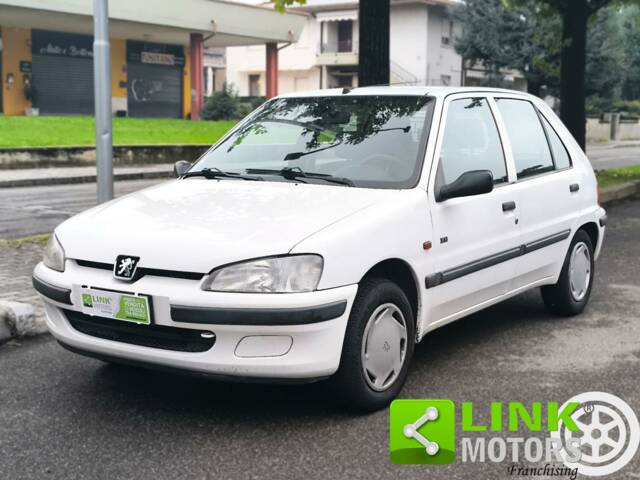
1997 | Peugeot 106 1.4
PEUGEOT 106 954i cat 5 porte XN
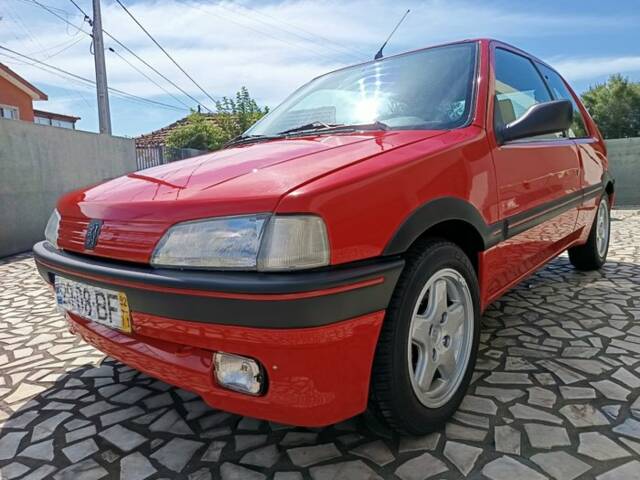
1992 | Peugeot 106 XSi
Peugeot - 106 XSi - NO RESERVE - 1992

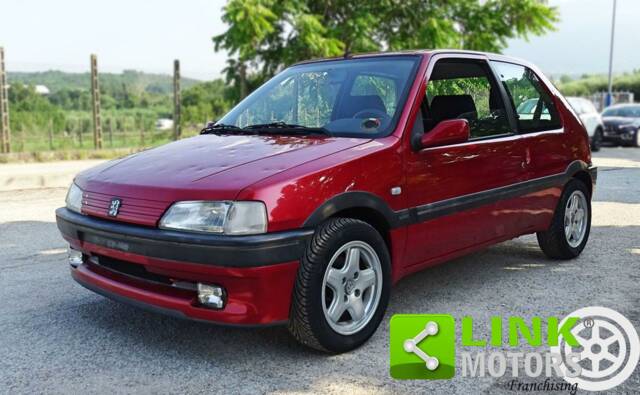
1994 | Peugeot 106 XSi
PEUGEOT 106 XSi 103 cv
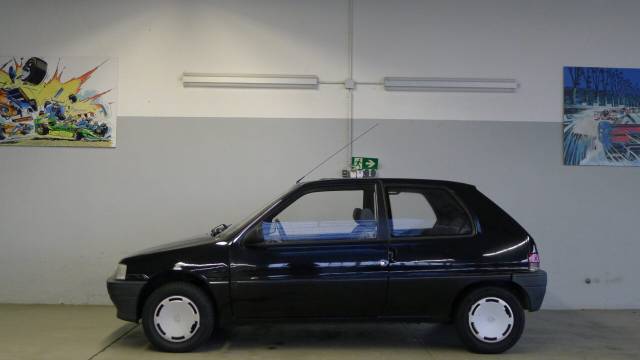
1992 | Peugeot 106 1.1
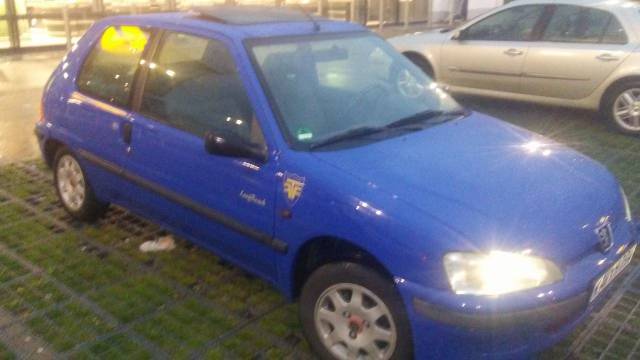
1995 | Peugeot 106 1.1
Seltene Gelegenheit - das beste Auto für 1.000E!!!
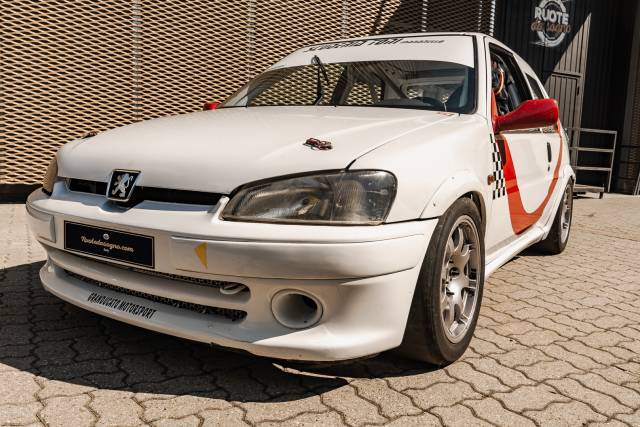
1998 | Peugeot 106 Rallye 1.6
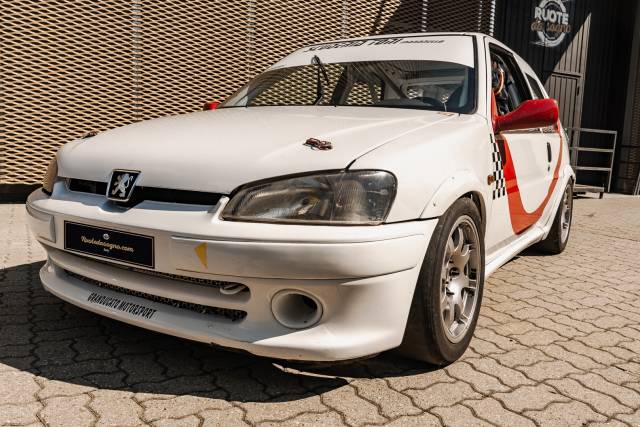
1998 | Peugeot 106 Rallye 1.6
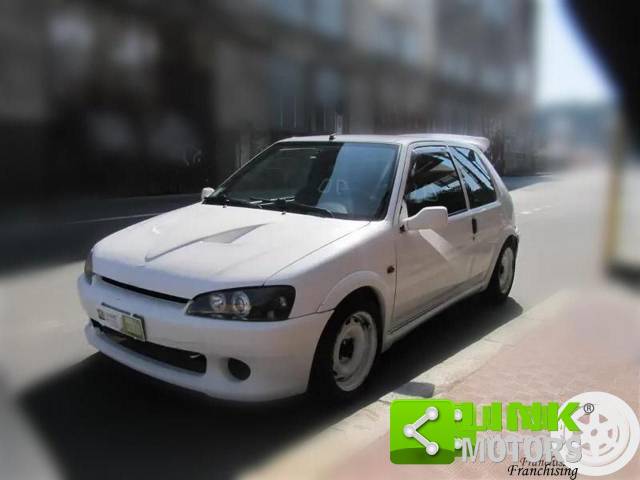
1997 | Peugeot 106 Rallye 1.6
PEUGEOT 106 cat 3 porte Rallye
Peugeot 106 Classic Cars: Prices & Market Values
History of the Peugeot 106
Peugeot introduced the 106 in 1991 as their accessible supermini, focused on practical urban mobility. Initially available exclusively as a three-door hatchback, the line-up quickly expanded with a five-door model in 1992. Throughout its twelve-year lifespan, the 106 provided an affordable entry point into the Peugeot lineup, bridging the gap between compact usability and French automotive design. Production continued until July 2003, after which Peugeot redirected its small car offering towards the 107 and later models.
Model History and Development
The 106 debuted as a response to growing demand in Europe for compact, fuel-efficient vehicles. The first series (S1) ran until a major update in 1996, bringing revised styling and improvements under the codename S2. Successor models such as the 107 inherited some of the 106's design philosophy but focused more on modernising technology and emissions standards. Throughout its run, engines ranged from 1.0L to 1.4L petrol variants, with several unique editions like Rallye and Kid enhancing appeal among enthusiasts.
Highlights and Special Features
The Peugeot 106 is best known for its agile handling, lightweight construction (curb weight from 773 kg), and simple, purposeful design. Its brisk steering, especially in sportier trims like the Rallye, and modest running costs made it a favourite for city driving and new drivers. Signature models—Rallye, Kid, and Key West—offered exclusive paint options, unique interior fabrics, and features not found on standard models. Notably, the market share of S1 variants represents 63.3% of available 106 listings, with S2 at 36.7%. In terms of interest (listing views), S1 and S2 are nearly equally popular, sharing demand at 51% and 49% respectively.
Technical Data and Specifications
Special Editions and Collector's Models
Among the most sought-after Peugeot 106 editions are the 106 Rallye, renowned for lightweight engineering, a high-revving 1.3L petrol engine, sports seats, and signature white wheels. Limited edition Key West versions were noted for vivid paints, unique badges, and trim-specific interiors. The Kid, another collector's pick, featured distinctive jeans-style upholstery and special trim elements. These variants often benefit from better long-term value, especially in unrestored or well-preserved state due to their limited production runs.
Engine, Driving Characteristics, and Handling
The 106’s front-wheel-drive set-up, combined with low kerb weight and short wheelbase (239 cm), delivers nimble city handling and responsive cornering, amplified in Rallye and other sport-oriented editions. Suspension tuning varies, with standard models prioritising comfort, while Rallye and similar variants opt for sporty stiffness. Engine options offer modest power (44 kW in 1.1L models), yet the light chassis and 5-speed manual box compensate with lively acceleration and engaging urban performance. The 106’s simple mechanical layout keeps repairs accessible. - 106 Rallye (S1/S2): 1.3/1.6L, lightened body, sports gears, white wheels, specially tuned suspension
- 106 Kid: Notable for jeans-look interior
- 106 Key West: Vivid paint, unique interior fabrics
Design, Comfort, and Interior/Exterior Features
Peugeot’s 106 embodies Nineties functional design, with a clear focus on compact exterior scaling and efficient use of interior space. Notable features are three- or five-door layouts, hatchback form, and a minimalist but practical instrument panel. Early models had cloth upholstery, later joined by unique fabric designs in special editions. Specialist trims—like the Kid’s denim-style seats or the Rallye’s bolstered sports seats—cater to different tastes. Accessories included factory-fit fog lamps, split-fold rear seat, and colour-keyed bumpers. Extras like central locking, electric front windows, tinted glass, headlamp height adjustment, and period-correct alloy wheels added value. Certain editions (Key West, Kid) stand out with exclusive colourways and cabin details.
Further Features and Information
The 106 often appealed as a first car or urban runabout thanks to its economical running costs—insurance, fuel, parts, and maintenance remained competitive. Many small Peugeots from this era have survived as youngtimers due to robust mechanicals and available spare parts. Well-kept specimens, especially from special series or with low mileage, have become rare and desirable on the classic car scene.
Summary
The Peugeot 106 remains a fixture in European automotive history, balancing everyday usability with distinct special editions that keep enthusiasts returning. Key strengths—like light construction, versatile interior space, and a range of appealing trims—make it a strong choice for classic city driving. With reliable technical underpinnings and unique collector’s variants, the 106 blends practical automotive engineering with genuine charm from a past generation of compact French cars.