Citroën ID classic cars for sale
The Citroën ID is the more accessible, straightforward sibling to the technologically advanced Citroën DS. Known for its ingenious hydropneumatic suspension and Flaminio Bertoni’s unmistakable bodywork, the ID set benchmarks in ride comfort and engineering elegance, yet focused on mechanical simplicity and cost-effective practicality. Discover ID saloons, estates and rare variants—each with genuine French engineering and a character all their own.
Search results
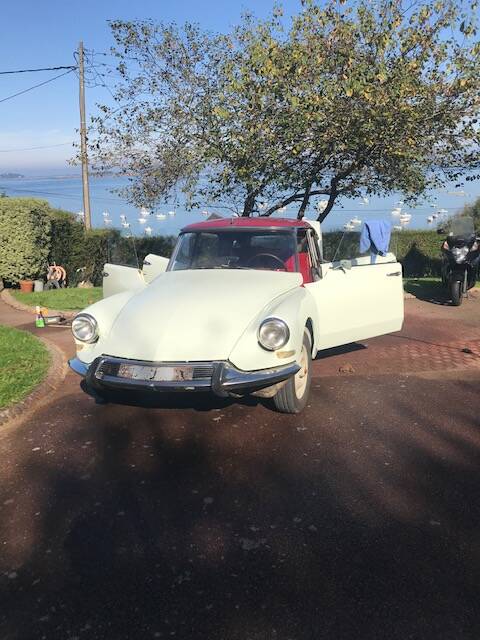

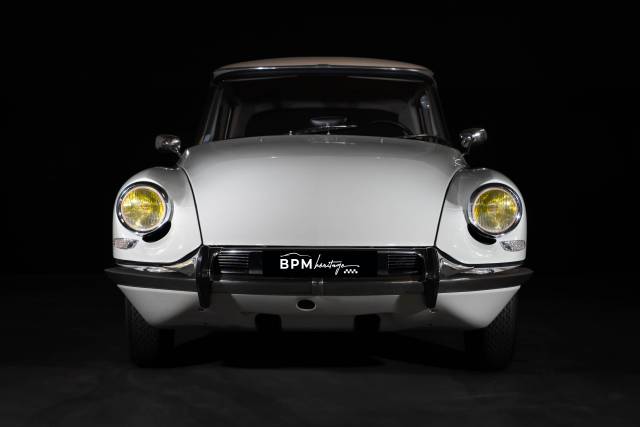
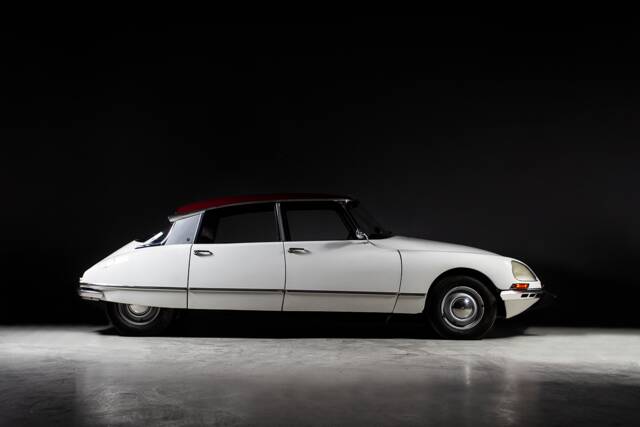
1966 | Citroën ID 19
ID 19 Confort 39 000 km original
Auctions ending soon

Loading…
Loading…
Loading…
Loading…

1965 | Citroën ID 19
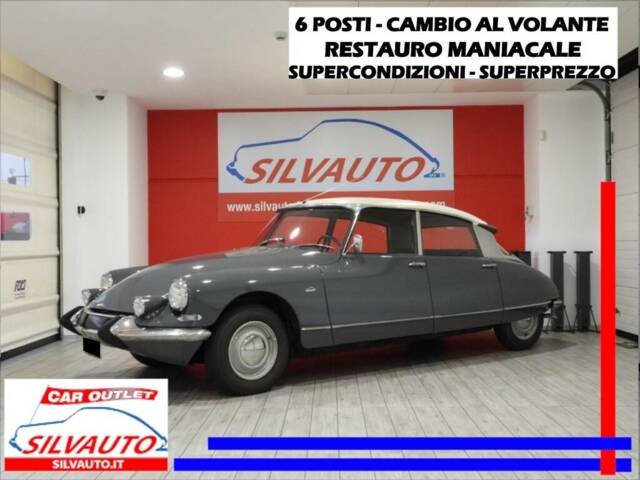
CITROEN ID 19 P MONOFARO – 6 POSTI – CAMBIO AL VOLANTE – RARA - SUPERPREZZO (1965)

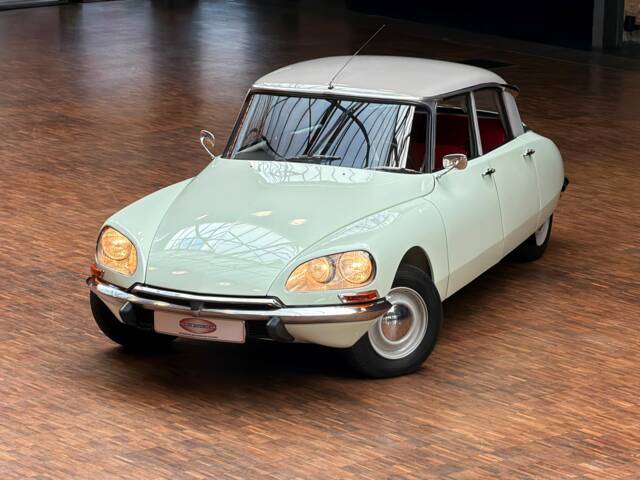
1968 | Citroën ID 19
Idée Géniale

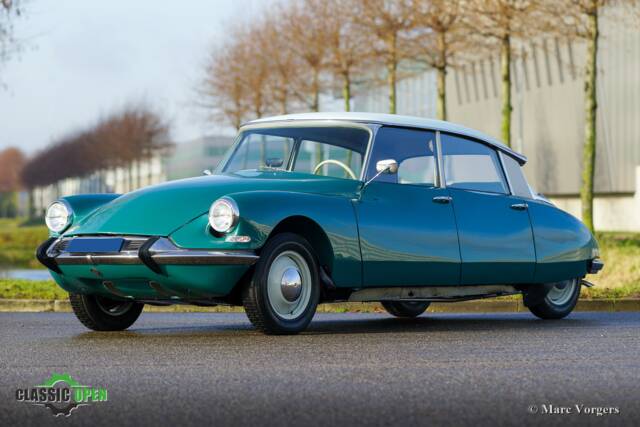

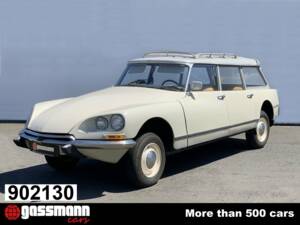
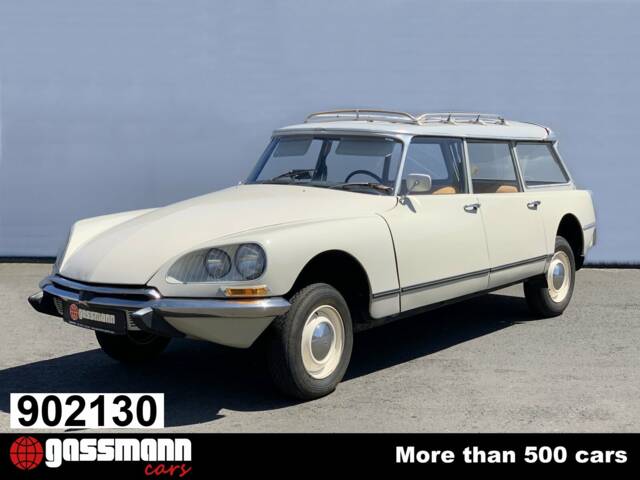
1971 | Citroën ID 20 Break
20 DS ID Break Familiale - mehrfach verfügbar!
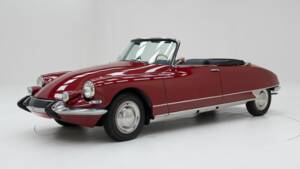
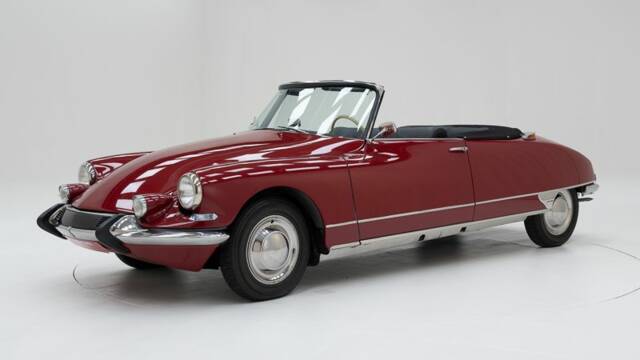
1963 | Citroën ID 19 Usine
1963 Citroen ID Cabriolet '63

Citroën ID listing references from Classic Trader
Below you will find listings related to your search that are no longer available on Classic Trader. Use this information to gain insight into availability, value trends, and current pricing for a "Citroën ID" to make a more informed purchasing decision.
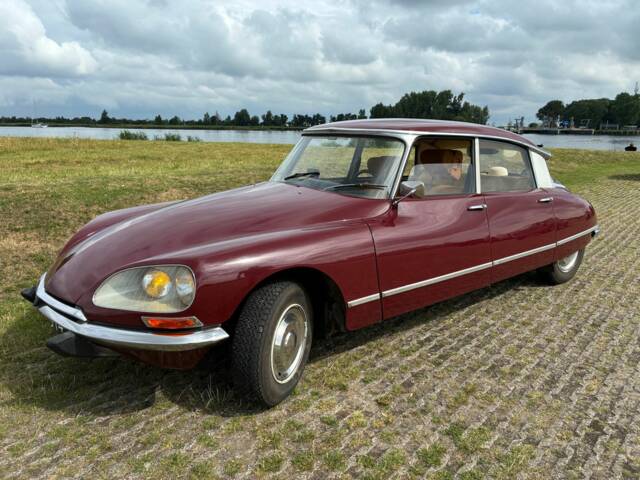
1968 | Citroën ID 19
Citroën ID 19 | 1968 | Route 66 Auctions - For sale by auction. Estimate 8500 EUR
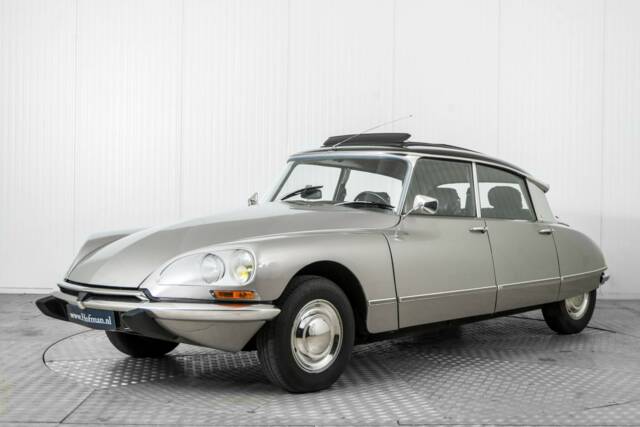
1971 | Citroën D Spécial
Citroën DS D Special LPG
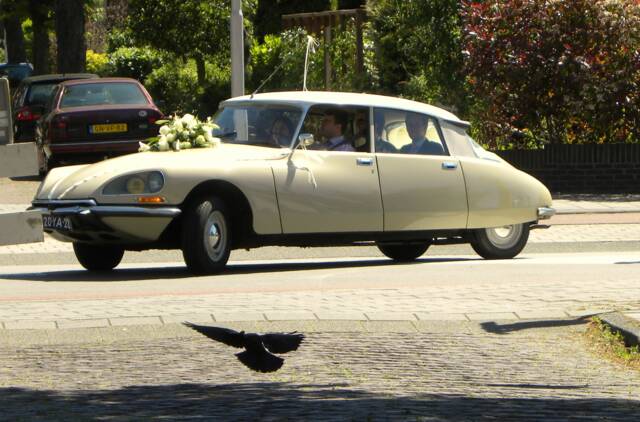
1974 | Citroën D Spécial
Fully restored, second owner
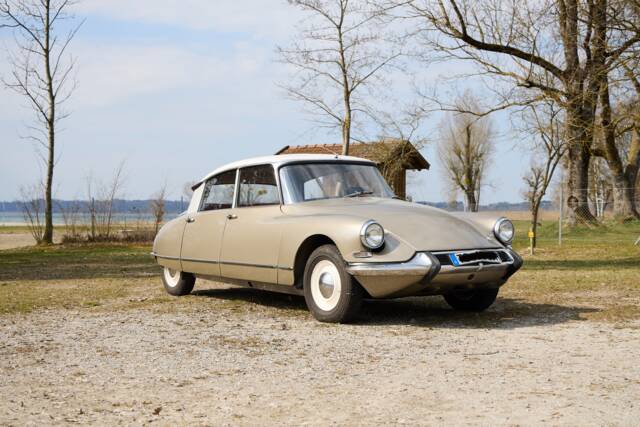
1966 | Citroën ID 19
Aus privater Sammlerhand
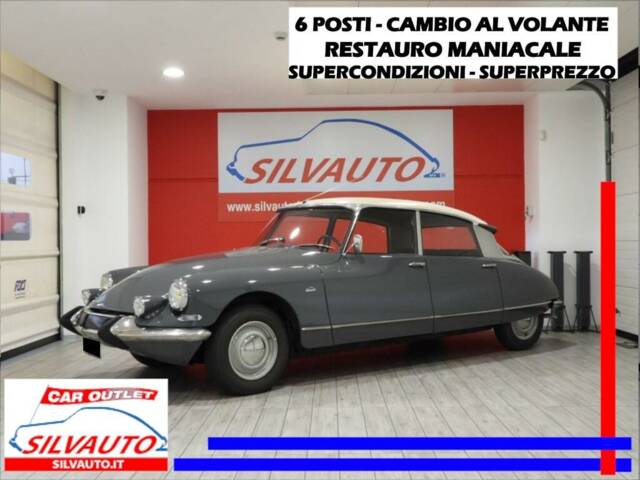
1965 | Citroën ID 19
CITROEN ID 19 P MONOFARO – 6 POSTI – CAMBIO AL VOLANTE – RESTAURO MANIACALE – RARISSIMA – SUPERPREZZO (1965)
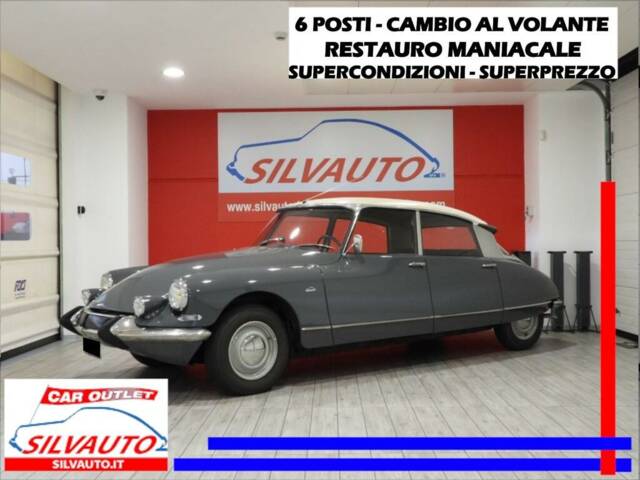
1965 | Citroën ID 19
CITROEN ID 19 P MONOFARO – 6 POSTI – CAMBIO AL VOLANTE – RESTAURO MANIACALE – RARISSIMA – SUPERPREZZO (1965)
Citroën ID Classic Cars: Prices & Market Values
The market value of Citroën ID classic cars is primarily determined by the specific manufacturer code and variant, as well as technical condition, originality and mileage. Additional factors include rarity, history and documentation. A well-maintained, largely original vehicle with low, verifiable mileage and complete history including appraisals and documentation typically achieves significantly higher prices than a comparable vehicle with deferred maintenance, many modifications or unclear provenance.
Citroën ID: Market Prices & Value Trends
Based on sales data from the Classic Trader marketplace, the Citroën ID market in Europe has been broadly stable to slightly firmer over the period from 2021 to early 2026, with most everyday examples clustering in a consistent band despite a few headline prices. Across common models such as the ID 19 and ID 20 (often 1964–1972 cars) and estate variants like the ID Break, realistic asking values typically sit around €18,000 to €45,000, with well-presented cars most often appearing in the high-€20,000s to mid-€30,000s. Lower figures do appear, but these are likely project cars or incomplete entries, while very high “Usine” cars (well into six figures) are specialist outliers and should not be treated as representative of the wider ID market. German, Dutch, Italian and Belgian adverts make up much of the recent supply, suggesting a healthy cross-border buyer base. This steadier pricing reflects sustained interest in the ID’s hydropneumatic engineering, design heritage and growing preference for usable, well-documented classics over speculative rarity.
History of the Citroën ID
Launched in 1957 as a pragmatic alternative to Citroën’s revolutionary DS, the ID was introduced in response to customer demand for a less complex, more affordable vehicle. The DS, unveiled in 1955, set new industry standards with an unprecedented level of hydraulic innovation and daring design, but its high price and sophisticated technology limited its appeal in a post-war market. The ID shared the DS’s striking aerodynamic silhouette, penned by Flaminio Bertoni and André Lefèbvre, and retained core characteristics like the self-supporting body and hydropneumatic suspension. However, the ID distinguished itself with reduced hydraulic complexity, a traditional clutch-operated manual gearbox, and simplified interior fittings. Over time, the ID evolved with increasing technical refinements and new body styles, remaining in production (with DSpecial and DSuper successors) until 1975.
Model History: Generations and Variants
The Citroën ID range covered several key versions: the initial ID19 (1957–1969), ID20 (1969–1970), and later evolutions known as DSpecial (from 1970) and DSuper (from 1969, further upgraded to DSuper5 in 1973). Estates gained the 'Break' designation, offering seating for up to eight and substantial cargo space. Mechanical format gradually progressed from four-cylinder 1.9-litre engines (ID19) to 2.3-litre units in later DSuper5 models, with outputs ranging from 69 to 104 hp. Notable is the ID’s focus on mechanical reliability and usability, targeting customers wary of the DS’s complex hydraulics. Citroën terminated ID/D-series production in 1975 after building over 1.45 million units, counting all variants.
Standout Features and Market Presence
Every Citroën ID stood apart in its era for its hydropneumatic suspension—offering self-levelling ride quality unmatched by rivals—and a distinct aerodynamic design with a self-supporting body and aluminium bonnet. Most IDs forwent the DS’s hydraulic gearbox and power steering in favour of direct manual controls for maximum simplicity. Innovative safety features included four-wheel disc brakes (front discs being an early mass-production first), while interiors prioritised space and riding comfort.
Chrome trims, large single-spoke steering wheels, optional sunroofs, as well as various body configurations—from the familiar saloon to the highly practical Break—complete the package.
Technical Data
Special Editions and Collectible Models
Within the ID family, the most distinctive versions include the 'Break' estate—capable of transporting up to eight passengers, and Commerciale/ambulance adaptations with unique rear configurations. Low-volume builds such as the Chapron cabriolet or semi-convertible versions also exist, prized for their rarity and custom craftsmanship. From 1970, luxury-leaning trim levels like DSpecial, DSuper, and the five-speed DSuper5 brought improved comfort and performance to the platform.
Weak Spots and Maintenance Considerations
The Citroën ID was engineered for user-friendly upkeep, intentionally simplifying the DS’s hydraulic and powertrain systems. Standard manual transmissions and fewer hydraulic accessories enhance reliability and ease maintenance. However, typical for all D-series, regular inspection of the hydropneumatic suspension (including spheres and high-pressure lines) is crucial. Spare parts availability remains strong thanks to dedicated clubs and specialists. Models with the earlier red hydraulic fluid (LHS) systems should be checked for corrosion and switched to later green fluid (LHM) components where possible.
Driving Experience, Engine, Handling
The ID delivers a unique driving sensation with its hydropneumatic suspension, effectively smoothing out even poor roads and delivering exceptional comfort. Its weight distribution (engine set behind the front axle) and front-wheel-drive layout give stable, predictable handling—markedly advanced for the era. The engines, while modest in power, provide dependable performance and sufficient pace by period standards (145 to 180 km/h top speed depending on model). Later DSuper5 variants are particularly notable for combining increased power (104 hp) with all the ID’s traditional comfort and economy. • ID19: 1.9L, 69–77 hp, 4-speed manual, the cornerstone variant. • ID20/ID21: Stepped-up engines, marginally more power. • DSpecial: Successor to ID19 with improved trim (from 1970). • DSuper/DSuper5: 2.1/2.3-litre engines, 5-speed gearbox, most advanced mechanical spec. • Break: Up to eight seats, high utility, preferred for versatility. • Chapron décapotable: Ultra-rare luxury cabriolet.
Bodywork, Interior, and Design Details
Flaminio Bertoni’s ID design is immediately recognised by its low-drag silhouette, large panoramic windows, and minimalist lines. The signature aluminium bonnet and slim roof pillars enhance both aesthetics and lightness. Interiors feature robust single-spoke steering wheels, functional dashboard layouts, and generous individual seating—available in cloth, velour or optional leather, especially in higher DSuper models. Body colour options ranged from classic greys to brighter '60s hues, with chrome trims, hubcaps and sometimes two-tone finishes. Break models could be equipped with practical roof racks or folding/luggage seats. ID dashboards are simpler than DS equivalents, but still feature clear analogue clocks and distinctive pushbutton controls. Sunroof and folding-roof (semi-cabriolet) versions, occasional on estates, add a rare open-air dimension. Accessories and spares were commonly dealer-fitted and today’s accessory market is supported by an active enthusiast network.
Further Details
Thanks to intelligent engineering focused on accessibility, the Citroën ID became a favourite with drivers wanting advanced comfort without DS-level complexity. Its widespread use as taxi, ambulance, and fleet car is a testament to its practical appeal and durability. Notably, the ID and its derivatives have long played significant parts in film and television, serving as evocative markers of French culture in international cinema.
Summary: Citroën ID classic cars
The Citroën ID stands as an enduring expression of Citroën’s design ambition combined with engineering pragmatism. Offering the core attributes of the DS—hydropneumatic suspension, ground-breaking bodywork, spacious cabins—but with fewer technical intricacies, the ID remains one of the most versatile and memorable classics to emerge from France. Current market data highlights strong supply and engagement with the model, underpinned by reliable spare parts networks and knowledgeable enthusiast communities. Whether as a saloon, Break, or rarer special version, the Citroën ID remains a unique and rewarding choice for classic motoring aficionados.