Citroën D Super classic cars for sale
The Citroën D Super combines pioneering hydropneumatic suspension and timeless French design touches, making it distinct within the classic DS range. With technical sophistication such as front-wheel drive, disc brakes and effortless steering, the D Super offers real-world classic car usability for those seeking comfort and innovation. Its rarity and unique driving feel continue to attract enthusiasts and collectors.
Search results
Currently, there are no matching listings for your search.
Create search alert
Let yourself be notified as soon as a listing is published that matches your search filters.
Create listing
Do you have a Citroën D Super that you want to sell? Then create a listing now.
Create listingCitroën D Super listing references from Classic Trader
Below you will find listings related to your search that are no longer available on Classic Trader. Use this information to gain insight into availability, value trends, and current pricing for a "Citroën D Super" to make a more informed purchasing decision.

1971 | Citroën D Super
Citroën D Super | 1971 | Route 66 Auctions - For sale by auction. Estimate 3600 EUR

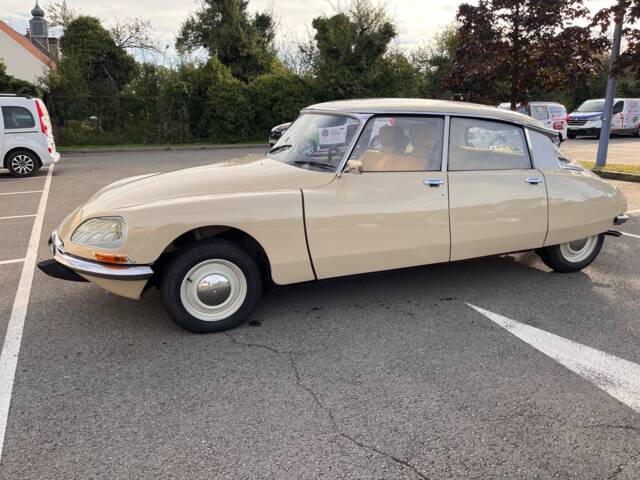
1974 | Citroën D Super
In our family since 50 yerars !

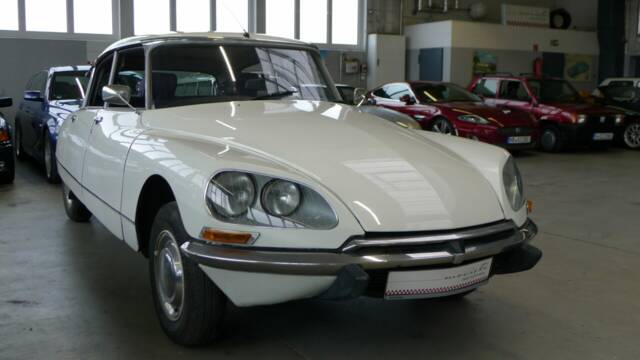
1973 | Citroën D Super Familiale

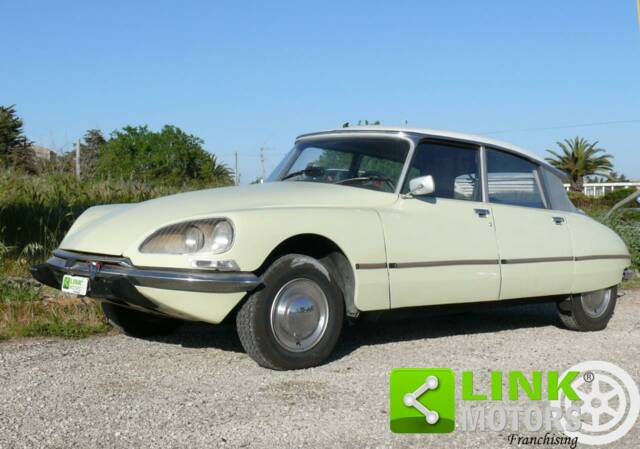
1973 | Citroën D Super
CITROEN DS D SUPER - CERTIFICATA ASI CRS

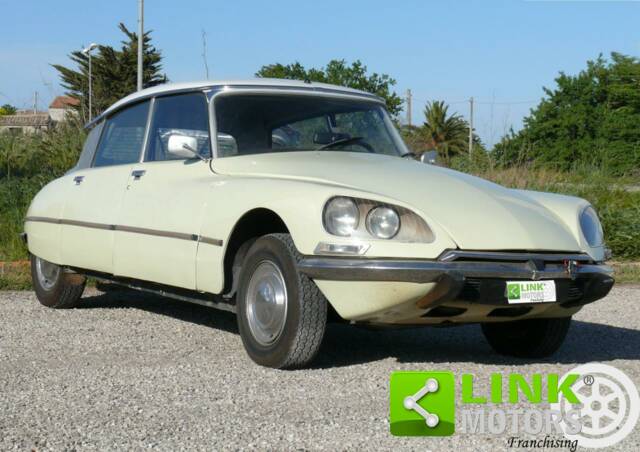
1973 | Citroën D Super
CITROEN DS D SUPER - CERTIFICATA ASI CRS
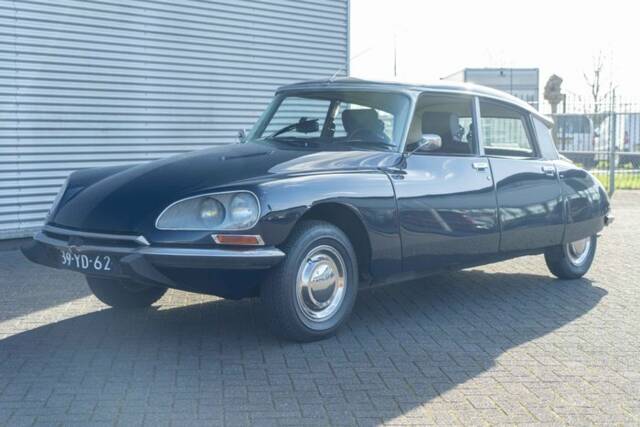
1973 | Citroën D Super
Citroën - D Super - 1973
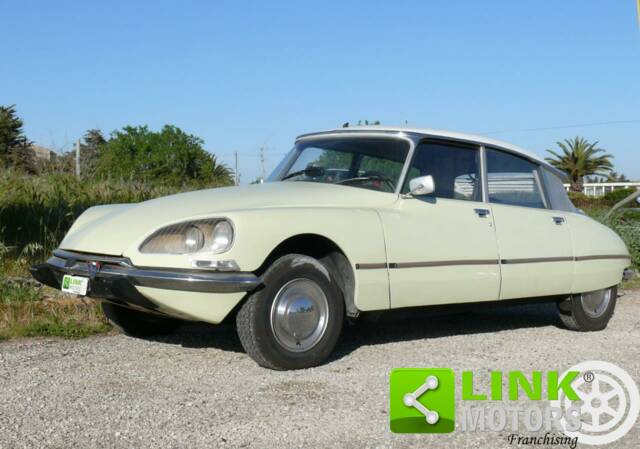
1973 | Citroën D Super
CITROEN DS D SUPER - CERTIFICATA ASI CRS
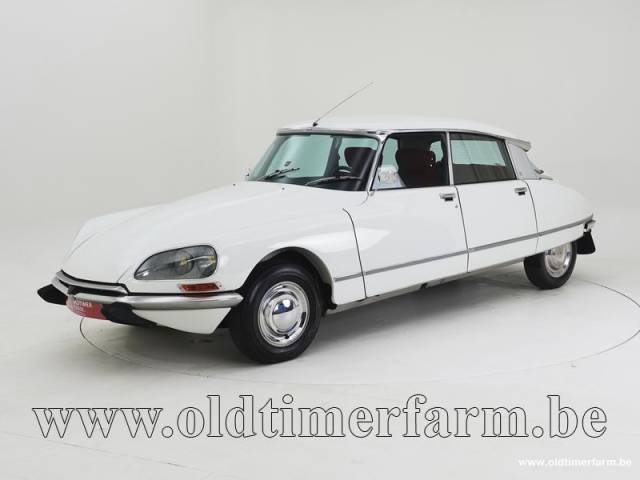
1973 | Citroën D Super
1973 Citroën DS D Super 5 '73

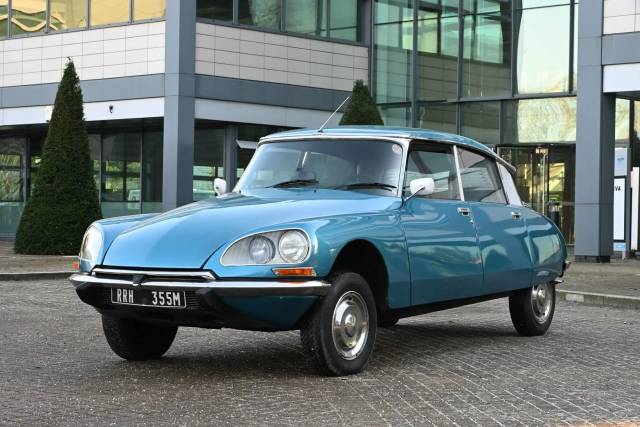
1974 | Citroën D Super
Trés Chic - Classic French Design

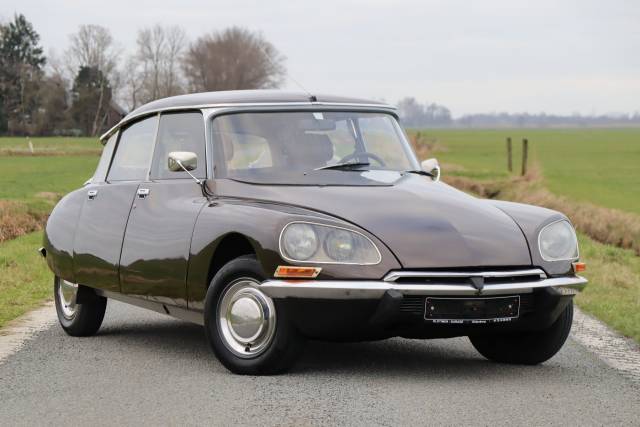
1973 | Citroën D Super
An enchanting goddess, technically amazingly good
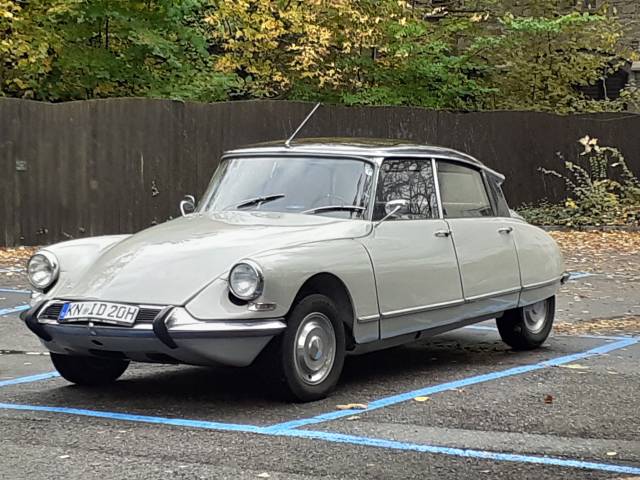
1970 | Citroën D Super
Ungeschweisstes Chassis, alte Front, Elektronische Zündung, fährt flott
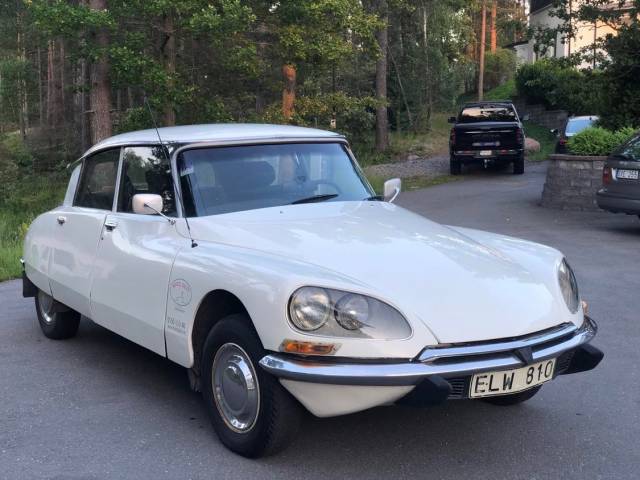
1973 | Citroën D Super
Pallas interior installed

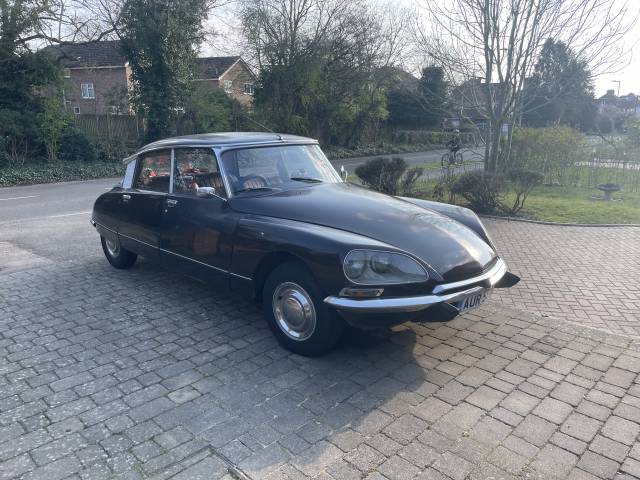
1973 | Citroën D Super
Right hand drive, Slough built, UK based
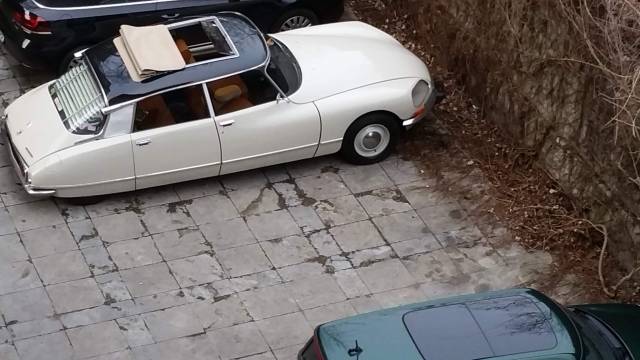
1972 | Citroën D Super
Create search alert
Let yourself be notified as soon as a listing is published that matches your search filters.
Create listing
Do you have a Citroën D Super that you want to sell? Then create a listing now.
Create listingCitroën D Super Classic Cars: Prices & Market Values
History of the Citroën D Super
The Citroën D Super debuted in the early 1970s as a refined evolution within the renowned DS family, inheriting the revolutionary technologies first introduced in 1955. Developed to offer a more accessible version of the high-spec DS models, the D Super maintained front-wheel drive and the advanced hydropneumatic self-levelling suspension. It was designed and built in France, with production extending to several international sites, including the UK. Although sharing much of its DNA with the original DS, the D Super stood out through added practicality and improved reliability following updates to its hydraulic system. The car quickly made a name for itself with its pronounced comfort, stability, and unmistakable silhouette. It became an enduring symbol of French post-war engineering prowess, while its career was marked by gradual technical refinement and international recognition.
Model Evolution and Variants
The D Super joined the DS range around 1970, representing an intermediate step between the base ID models and the more luxurious DS versions. Initially powered by engines ranging from approximately 2.0 to 2.2 litres and delivering around 90 to 104 PS, it offered a progressive manual transmission with hydraulic clutch operation, an innovative touch for its era. Over its production run, the D Super underwent subtle design and mechanical changes—most notably the adoption of dual headlights in 1968 and a redesigned dashboard featuring round gauges from 1970 onwards. The series' reputation for reliability improved markedly after switching from corrosive LHS fluid to the more robust LHM in its hydraulic system, cementing its place as a dependable, technically advanced choice for classic car enthusiasts.
Distinctive Features and Highlights
Key features that distinguish the Citroën D Super include its hydropneumatic suspension with independent, self-levelling functionality, making it exceptionally comfortable on both city streets and country lanes. The car was equipped as standard with disc brakes at the front, an early adoption for production vehicles, as well as a single-spoke steering wheel—a design hallmark that enhanced both safety and visual appeal. The interior often featured tobacco-brown leather, plush carpets and unique materials like Helanca on the seats. Later models introduced a refreshed dashboard and improved ergonomics. Its exceptional ride quality and aerodynamic efficiency embody the pinnacle of Citroën innovation from this era.
Technical Data
Special Editions and Rare Variants
While the D Super itself was conceived as a more accessible version within the DS family, some examples stand out due to rare combinations of exterior colours—like beige, agathe or brun scarabee metallic—or luxury interior trims such as tobacco-brown leather and Helanca upholstery. Furthermore, factory documentation and dealer-supplied service books add to a vehicle's collectability. Cars produced in overseas Citroën plants (e.g., Slough, UK) may feature local market adaptations, making them particularly interesting to marque specialists.
Weak Spots and Common Issues
Early Citroën D Super models were afflicted by reliability concerns arising from the original red LHS hydraulic fluid, which was both hydrophilic and corrosive, especially at high temperatures. This led to rusted hydraulic pipes and decayed seals, often causing leaks and operational failures. These issues were largely resolved from 1967 onwards with the adoption of green LHM fluid—still used today. When inspecting a D Super, check for signs of past hydraulic issues, test the functioning of the self-levelling suspension, and verify the condition of the brake system. Body corrosion, particularly around the floor and chassis areas, should also be scrutinised. Updated vehicles may have retrofitted electronic ignition or electric fuel pumps, improvements that enhance daily usability.
Engine, Transmission and Handling
Owing to its hydropneumatic suspension, the D Super offers ride comfort and handling stability previously unseen in its market segment, with exceptional composure over rough roads and confident cornering. Its front-wheel drive and column-shifter contribute to a relaxed yet engaging driving experience. The 2.0–2.2-litre engines deliver sufficient torque for brisk touring, and the advanced chassis design limits body roll and maintains grip—again, remarkable achievements for the time. The car's disc-brake system ensures reliable stopping power, and the steering aids with precise manoeuvring in urban environments. - D Super (2.0L, approx. 90 PS): Noted for classic aesthetics and torque-friendly engine performance.
- D Super 5 (2.2L, approx. 104 PS): Sought after for its enhanced performance, refined dashboard and improved hydraulic braking.
Interior, Comfort, Exterior and Design
The D Super's interior demonstrates Citroën's flair for combining convenience with distinct visual elements. Its single-spoke steering wheel is both practical and recognisably French. Seat options include luxurious tobacco-brown leather and hard-wearing Helanca cloth. Carpeted floors and unique headliners round out the vintage comfort, while the spacious boot makes it practical for touring. Special series offered vibrant colour choices, including metallic shades rarely seen elsewhere. Externally, streamlined lines and a long, sweeping body deliver aerodynamic efficiency, matched with the elegance typical of the DS lineage. The round-instrument dashboard (introduced in 1970) modernised the appearance while preserving Citroën’s famed minimalism. Factory options ranged from service and warranty books to local-market accessories, and later examples can be found with retrofitted electronic ignition systems, benefiting daily use.
Other Relevant Aspects
The Citroën D Super’s international production—in France, England, Portugal, Australia and South Africa—led to subtle market-specific adaptations. Today, originality, complete documentation and correct hydraulic fluid type are points of distinction among collectors and enthusiasts. Its global legacy is felt in both its engineering influence and its lasting association with French refinement.
Summary
The Citroën D Super exemplifies practical innovation, combining advanced hydraulics, aerodynamic shape and lasting comfort. Its engineering and design choices remain unmatched in the classic saloon segment, and its status within the DS range is confirmed by its market share and enthusiast interest. A carefully maintained D Super delivers a driving experience that still feels progressive, even decades after its debut.