- Car
- Aston Martin
- Aston Martin DB 4 (19 offers)
Aston Martin DB 4 Classic Cars for Sale
Between 1958 and 1963, the Aston Martin DB4 defined British sports car engineering with its 3.7-litre inline-six, aluminium Superleggera body by Touring of Milan, and continual development through five distinct series—including ultra-rare GT and Zagato variants, plus just 70 convertibles. Every DB4 combines powerful straight-six performance, Italian styling, and a chassis born in Newport Pagnell. Explore a car as influential to Aston Martin as it is prized among connoisseurs.
Search results
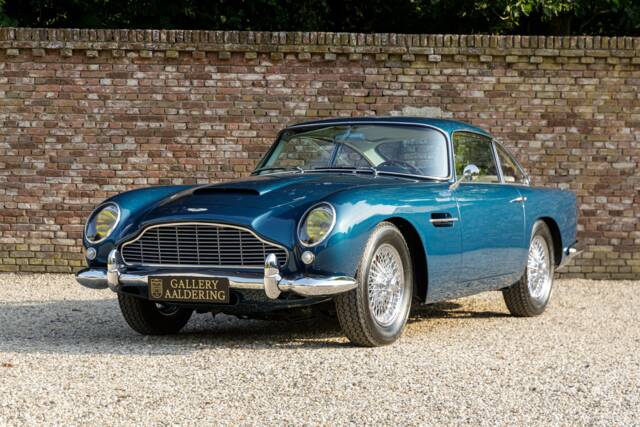
1962 | Aston Martin DB 4 Vantage
Aston Martin DB4 Vantage SS Series 4 LHD "Lyon heritage" "Lyon heritage" - Most years in beautiful Lyon and its surroundings and vineyards,Only 14 LHDs out of the 45 manufactured - More exclusive than the DB5,Factory "Aegean Blue over White Gold", Newly delivered by Garage Mirabeau-Paris to Seigneur Suetet from Lyon, If you look closely - you'll see that these are the most beautiful lines of the entire DB era,"Preserve Aston's legacy"

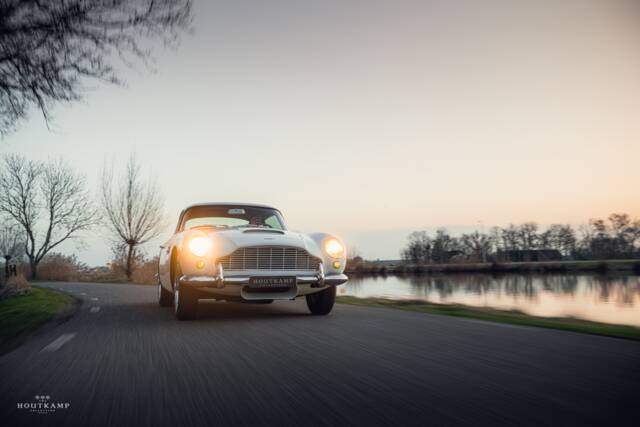
1963 | Aston Martin DB 4 Vantage
One of 20 examples built
1961 | Aston Martin DB 4
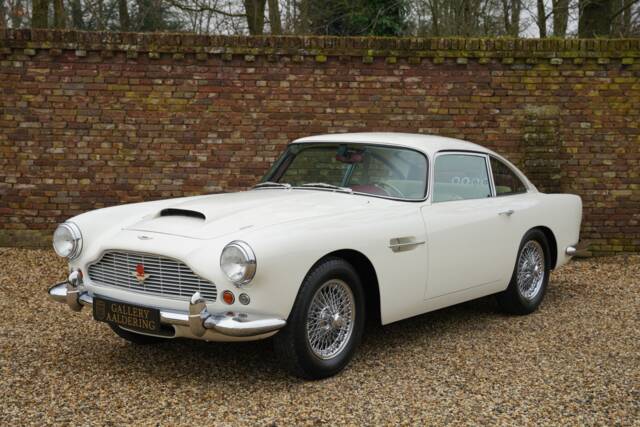
Aston Martin DB4 Series 3 PRICE REDUCTION! Fully restored by Aston Martin Works Service in the UK, Extensive restoration report with photos, Original left-hand drive model, Executed in Dover White over Magnolia with Oxblood piping, Fitted with the high-performance ‘Special Series’ engine by AM-Works, One of 60 LHD Series 3 manufac

1962 | Aston Martin DB 4
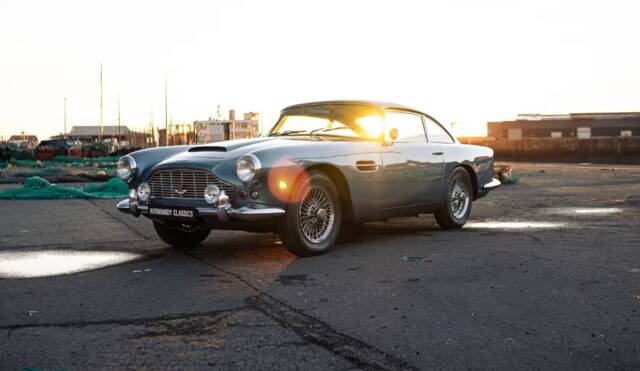
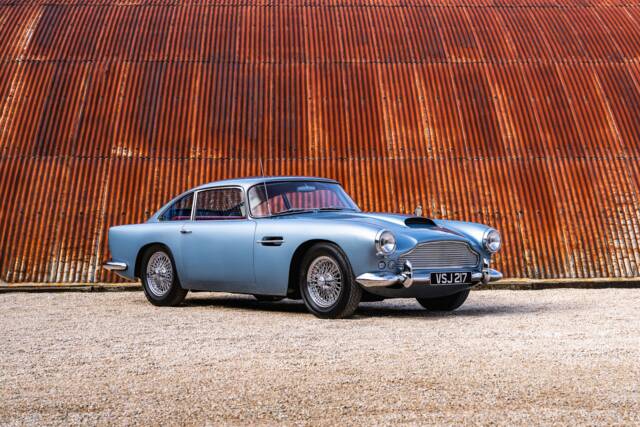
1962 Aston Martin DB4 Series III LHD

1963 | Aston Martin DB 4 Vantage
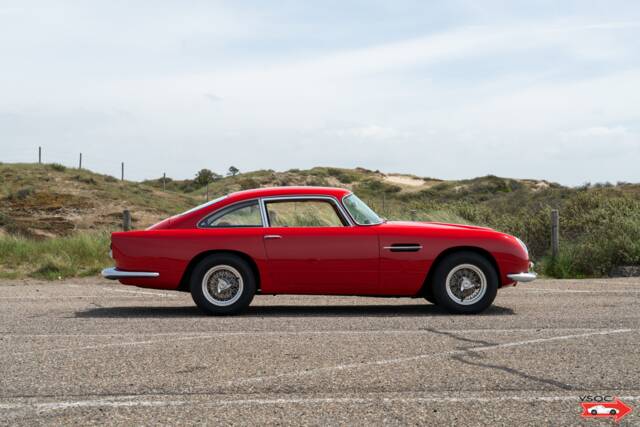
Series V - Incoming! Matching Nr. ‘Special Series’ engine. ‘Fiesta Red’ and complete with factory records.
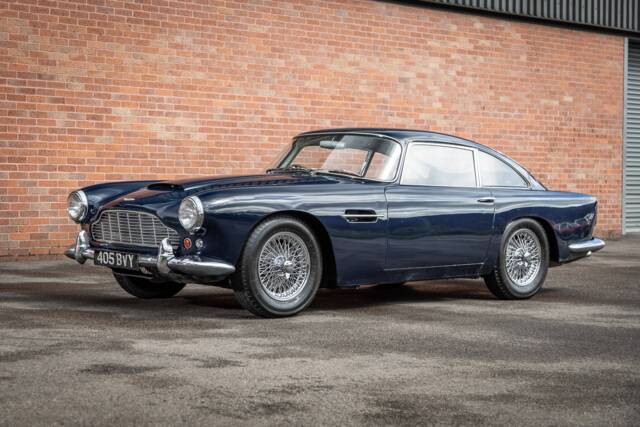
1962 | Aston Martin DB 4
Series 4 for sale
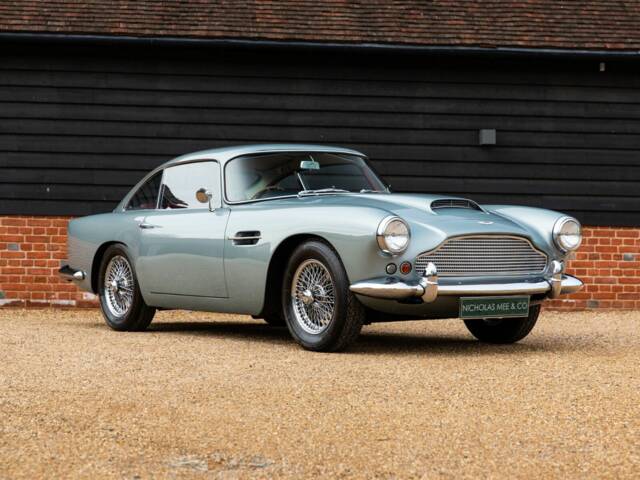
1960 | Aston Martin DB 4
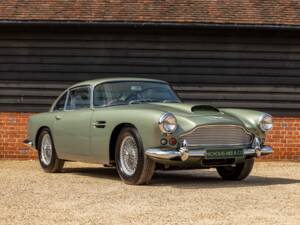
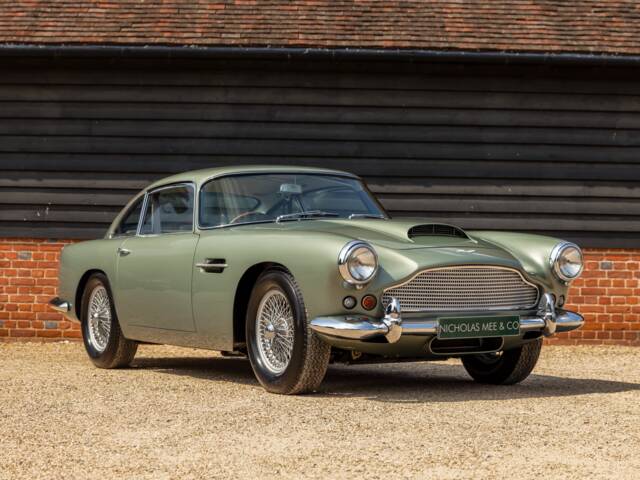
Aston Martin DB4 - Series 1
1960 | Aston Martin DB 4
1960 Aston Martin DB4 Series 2
1958 | Aston Martin DB 4
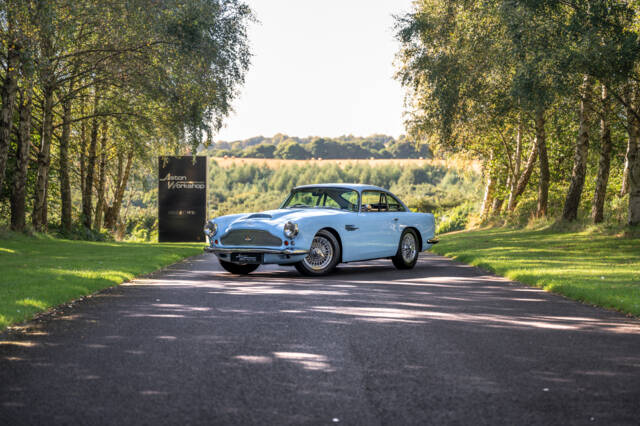
Prototype 7 of 15
1959 | Aston Martin DB 4
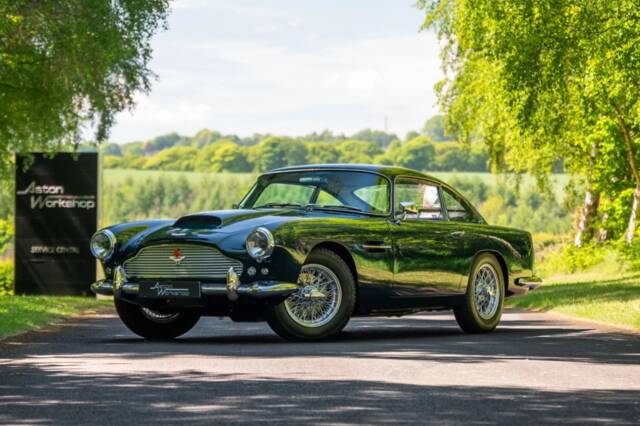
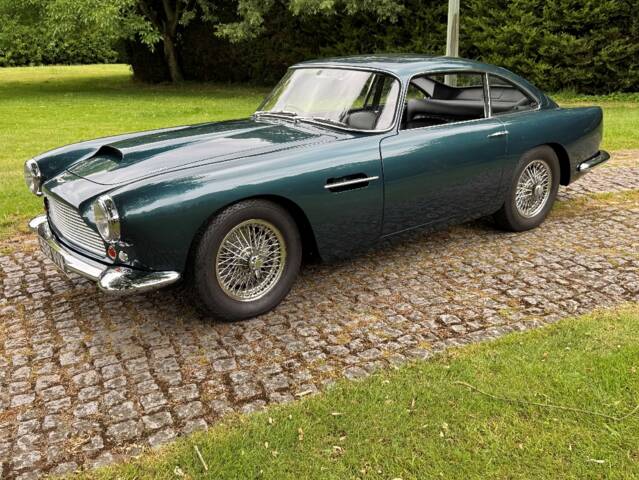
Finished in Aegean Blue with full black hide interior, this is a matching numbers DB4
1959 | Aston Martin DB 4 GT
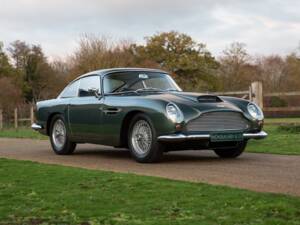
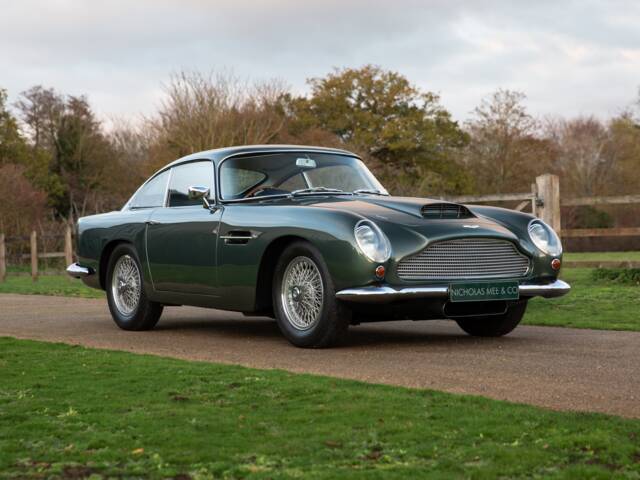
1959 Aston Martin DB4 GT
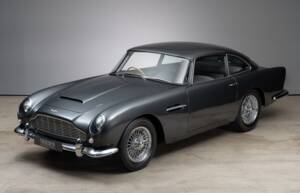
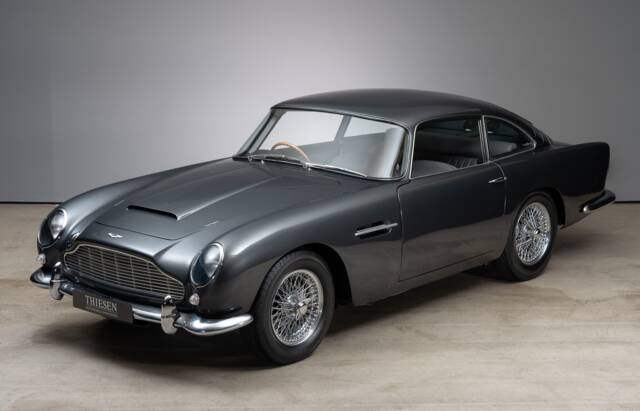
1963 | Aston Martin DB 4 Vantage
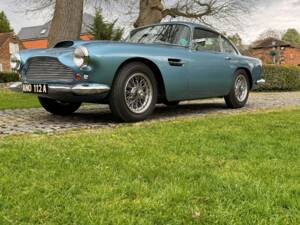
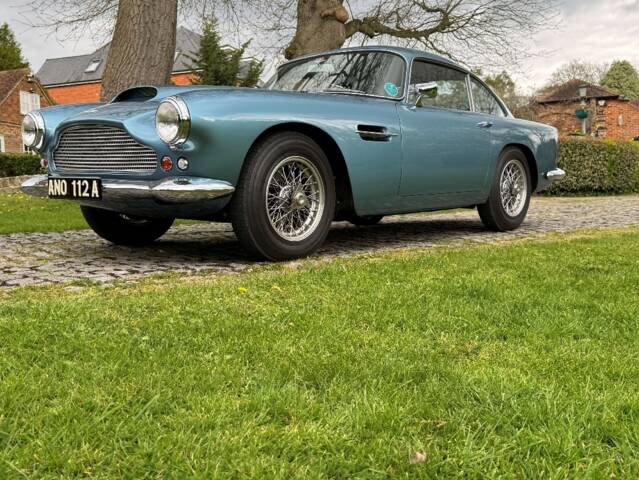
DB 4 Serie V Vantage

Aston Martin DB 4 Classic Cars: Prices & Market Values
The market value of Aston Martin DB 4 classic cars is primarily determined by technical condition, originality and mileage, as well as rarity, history and documentation. A well-maintained, largely original vehicle with low, verifiable mileage and complete history including appraisals and documentation typically achieves significantly higher prices than a comparable vehicle with deferred maintenance, many modifications or unclear provenance.
Aston Martin DB 4: Market Prices & Value Trends
Based on sales data from the Classic Trader marketplace, Aston Martin DB4 values have been broadly stable to gently rising over the period from 2021 to January 2026, with most mainstream DB4 coupés (typically 1958–1963 cars around 240 hp) clustering in a relatively consistent band. In the UK, recent Classic Trader asking prices commonly sit around £340,000 to £500,000, reflecting strong demand for well-documented, correctly restored examples and the DB4’s enduring appeal as the pivotal model bridging the earlier DB series and the later DB5 era. Continental European pricing shown on Classic Trader often appears higher in headline terms (frequently €425,000 to €650,000), and isolated top-end listings can reach beyond that; however, these are likely influenced by specification, provenance, and market-to-market differences rather than representing the typical car. Special variants such as DB4 Vantage, DB4 GT and particularly DB4 GT Zagato sit in a different value tier and should not be used to price a standard DB4. Overall, today’s market suggests firm, quality-led pricing with limited room for bargains.
History of the Aston Martin DB4
Debuting at the 1958 London Motor Show, the Aston Martin DB4 introduced a new era for the marque, being the direct successor to the DB Mark III and the first model built at Newport Pagnell. Engineering contributions from Tadek Marek (engine), John Wyer (management), and Harold Beach (chassis) resulted in a 3,670 cc aluminium inline-six engine with twin overhead camshafts. The chassis, constructed using the Superleggera principle by Carrozzeria Touring, enabled a lightweight yet rigid frame clothed in ultra-thin aluminium panels. Continuous improvements over five production series refined the car’s mechanical reliability, aerodynamics, and comfort. The DB4 influenced not only future Aston Martins, but also captured the imagination of post-war sporting enthusiasts and racing drivers alike.
Model History
Production of the DB4 spanned from 1958 to 1963, resulting in around 1,100–1,210 cars across five evolutionary series (Series I–V). Each series introduced significant updates: Series II gained framed side windows and a higher bonnet scoop; Series III revised tail lights and offered rare left-hand-drive options; Series IV added a wider, more defined grille and further styling tweaks; and the Series V extended the body length and cabin height for improved rear comfort, while carrying forward the aerodynamics that would define the DB5. The DB4 marked a technical departure from its predecessor and laid the foundation for the legendary DB5.
Highlights and Special Features
The DB4 was the first production Aston Martin with four-wheel disc brakes, rack-and-pinion steering, and independent front suspension, all in a lightweight Superleggera aluminium body. Signature details include Italian-influenced fastback lines, a distinctive mesh or barred grille depending on series, and classic wire wheels. Limited production numbers—just 1,100–1,210 units including only 70 convertibles and a mere 75 original GTs—underscore the car’s rarity and exclusivity. Its design influenced not only the DB5, but even the cinematic world, serving as the real basis for James Bond’s “Goldfinger” car. Factory records and toolkits, period-correct Connolly leather, and options like covered headlights and period-correct Vantage performance upgrades are frequently cited by collectors.
Technical Data
Special Editions and Collectible Models
- DB4 GT: Introduced 1959, 75 produced. Lightweight chassis, no rear seats in most, twin spark plugs, triple Webers, up to 302 hp, 246 km/h. Developed as a purebred road-racer and homologated for competition.
- DB4 GT Zagato: Only 19–20 originals produced 1960–1963, even lighter and with unique Zagato coachwork—today among the most revered coachbuilt Aston Martins.
- Sanction II / Continuation GT Zagato: 19 additional official recreations in the 1980s and 2019 (Centenary Series).
- DB4 Convertible: Added in 1961, only ~70 made. Convertible body, some with Vantage specification, a true rarity particularly in left-hand drive.
- DB4 Vantage: Enhanced performance and visual distinction; about 90 Series V examples with "covered headlights" and specific chassis numbers.
- Many DB4s were later upgraded with larger engines (e.g., 4.0/4.2L) or GT/Vantage enhancements during restoration or racing use.
Weak Spots and Common Issues
While acclaimed for build quality, early DB4s sometimes experienced cooling issues, which led to later improvements in the series (enhanced radiators/cooling). Rust can be an issue for aluminium panels where they join the steel frame, especially if past restoration was poor. Synchromesh gearboxes are reliable but wear can cause weak engagement; check for uprated replacements. Engine health, particularly head gasket integrity and proper running on unleaded fuel (if converted), are critical for long-term reliability. Original Girling disc brakes need regular overhauls, and originality of interior and matching numbers documentation command a premium among purists.
Engine, Performance, Transmission and Handling
The DB4’s straight-six, conceived by Tadek Marek, delivers torque and smooth power delivery even by modern standards. Series evolutions and the high-performance Vantage, GT, and Zagato versions raised output from the base car’s 240 hp up to a potent 302 hp—matched with triple SU or Weber carburettors. Performance ranges from 0–100 km/h in around 9 seconds for early road cars, to sub-7-second sprints for the GT. A four-speed manual transmission (David Brown/Laycock) and fine-ratio rear axle aid flexibility and cruising. The fully independent suspension, rack-and-pinion steering and disc brakes provide precise handling, remarkable stability, and ride refinement absent in many period rivals. - DB4 Series V Vantage: Last regular DB4, combines Vantage engine with distinctive 'covered headlights'.
- DB4 GT: Competition chassis, featherweight construction, up to 302 hp.
- DB4 GT Zagato: Perhaps the purest expression of performance and exclusivity in the DB4 family.
Interior, Comfort, Exterior and Design
Styled in Milan and produced in Newport Pagnell, the DB4’s Superleggera construction marries Italian curves to British detailing. A long bonnet, fastback profile, and pronounced haunches mark the silhouette, while options ranged from wire wheels (often Borrani), rare 16" fitments, and period racing accessories to bespoke colours. Original interiors feature Connolly leather trim—offered in a period palette—wood or leather shift knobs, classic Smiths instrumentation, and the possibility for dealer or owner upgrades over the years (including DB6 and GT treatments). Cockpit details, such as competition-style seats in GT/Zagato models, handmade dash switches, and tailored luggage, showcase period craftsmanship and restoration options. Series V models gained headroom for rear passengers, and convertibles offered top-down motoring for a privileged few.
Other Noteworthy Features
The DB4 enjoys a storied motorsport history, including notable drivers such as Stirling Moss and Jack Brabham, and frequent appearances at international Concours d'Elegance and historic racing events. Numerous DB4s have detailed Heritage Certificates, original logbooks, and restoration documentation. Certain Chassis have storied provenance, and some have even directly inspired or starred as cinematic DB5s. Many cars have been upgraded for modern usability (e.g., unleaded heads, power upgrades), or restored to original condition for show use.
Summary
The Aston Martin DB4 stands as a landmark in automotive engineering—representing British performance aspirations and Italian grand touring elegance from the late 1950s and early 1960s. Each DB4, across model series and special editions, blends advanced mechanics, craftsmanship, and provenance. With a total production count of around 1,100, extraordinary rarity only adds to its draw—whether in standard, Vantage, GT, Convertible, or Zagato form. The DB4’s ongoing presence in historic racing and classic collections underlines its significance within the Aston Martin lineage and in the pantheon of world-class sporting cars.