- Car
- Volvo (102 offers)
Buy Classic Volvo Cars
Volvo classics combine Swedish durability with real British history, from the P1800’s Saint fame to the Amazon and PV544. Find well-kept examples, check the paperwork, and buy with confidence.
Search results

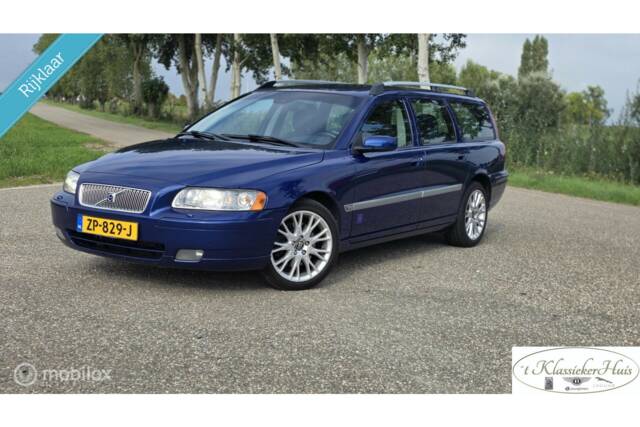
2005 | Volvo V 70 2.5T
Volvo V70 2.5T Ocean Race aut.
VAT is reclaimable


Auctions ending soon

Loading…
Loading…
Loading…
Loading…
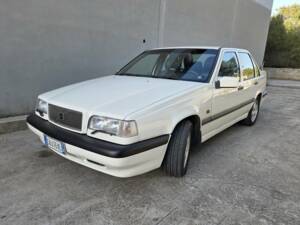
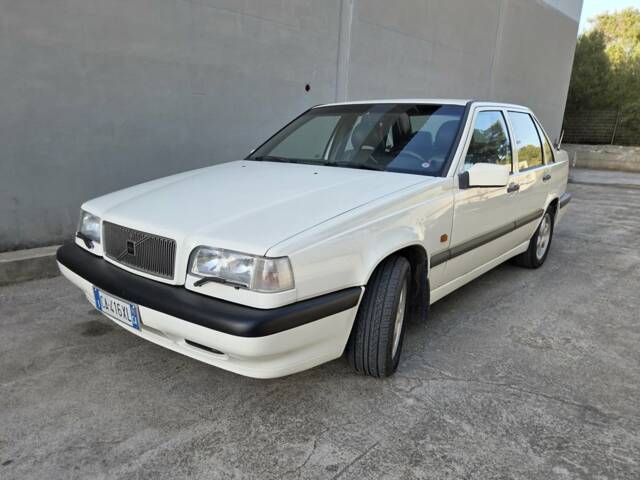
1994 | Volvo 850 2.0
Volvo 850 GLT | 1994 | Route 66 Auctions - For sale by auction. Estimate 4800 EUR
Newsletter
The best Volvo listings, straight to your inbox
Get hand-picked Volvo listings, plus the best of cars, motorbikes, and auctions on Classic Trader — all in one place.

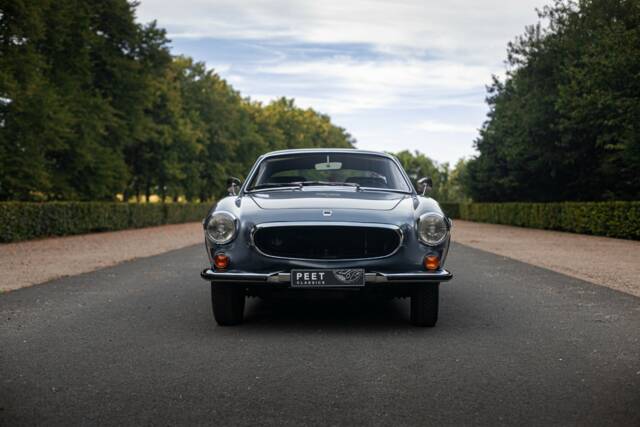

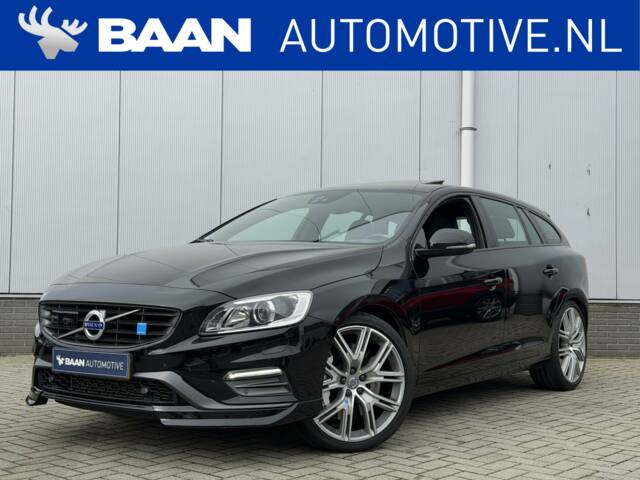
2017 | Volvo V60 Polestar
Volvo V60 2.0 T6 AWD Polestar | 367pk | Dealeronderhouden | Harman/Kardon | ACC
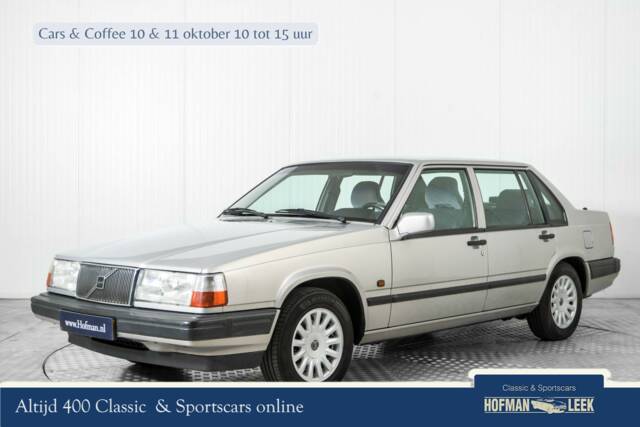
1996 | Volvo 940 2.3i
Volvo 940 2.3 g3 lpg cruise airco, 2e eigenaar
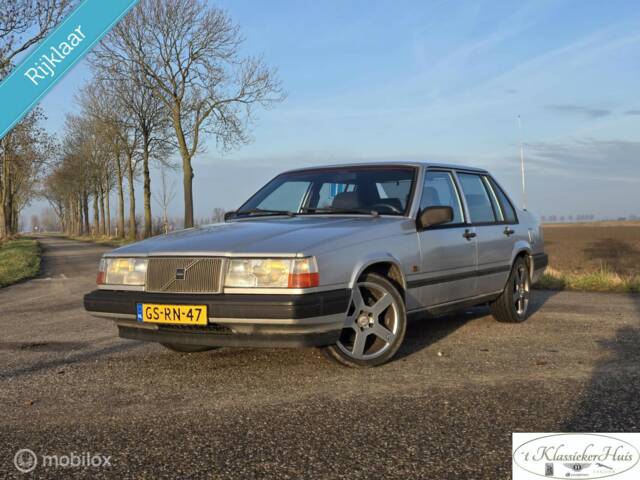
1993 | Volvo 940 2.3i
Volvo 940 2.3i GL automaat lpg

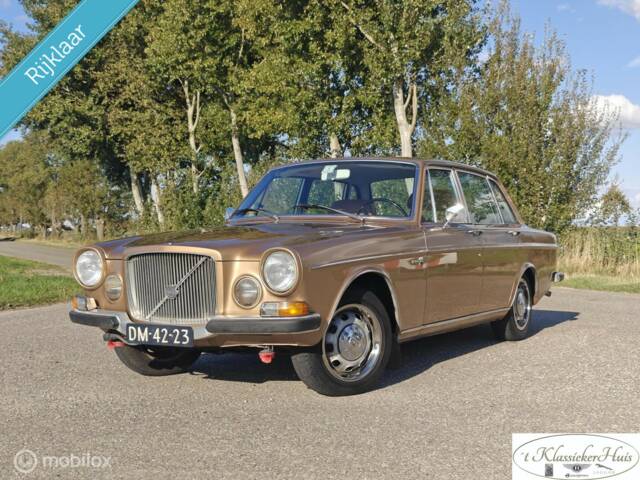
1971 | Volvo 164
Volvo 164 L Automaat

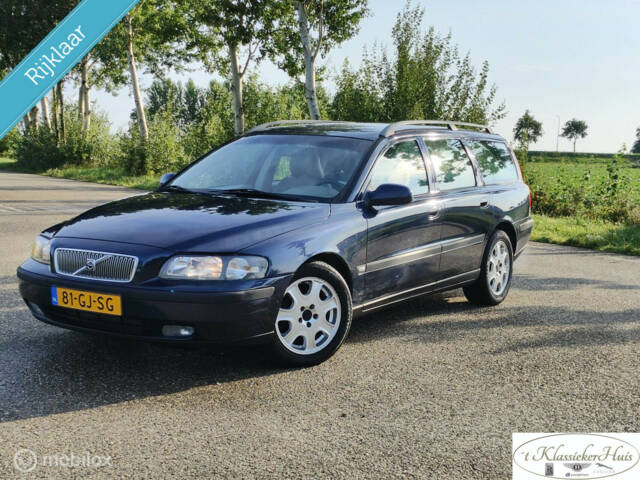
2000 | Volvo V 70 2.4
Volvo V70 2.4 automaat lage kilometerstand!

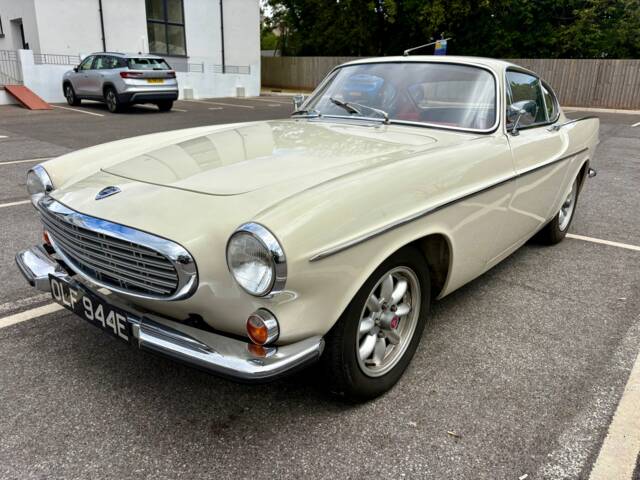
1967 | Volvo 1800 S
Exceptional Condition | 98,000 Miles | A Timeless Swedish Icon


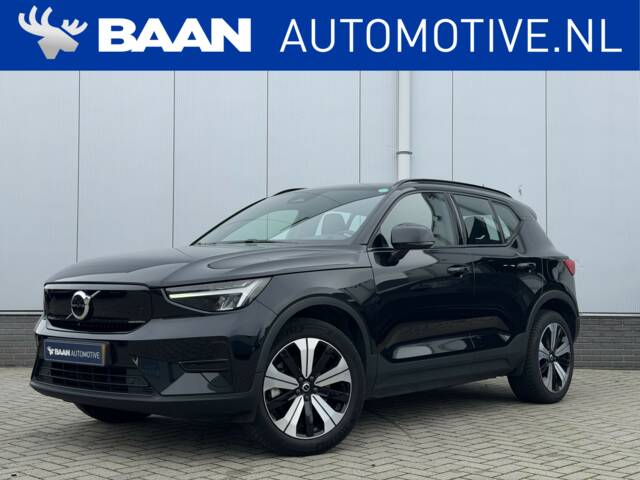
2022 | Volvo XC40 Recharge Pure Electric
Volvo XC40 Recharge Plus 70 kWh
VAT is reclaimable
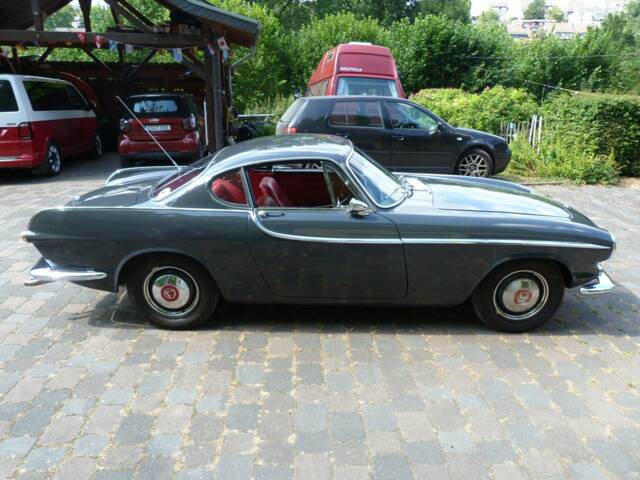
1964 | Volvo 1800 S
Volvo P1800S | 1964 | Route 66 Auctions - For sale by auction. Estimate 24000 EUR
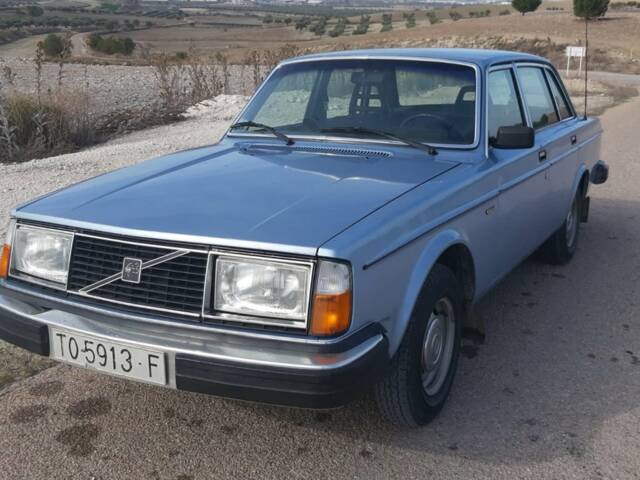
1980 | Volvo 244 GL D
Volvo 244 GL | 1980 | Route 66 Auctions - For sale by auction. Estimate 4200 EUR
History & Heritage
Volvo classics sit in a rare place in the market: they are admired for toughness, but they also carry genuine style and a strong British backstory. Volvo was founded in 1927 in Gothenburg, yet some of its most desirable old models were shaped by the UK. That matters for buyers in Britain, because a classic Volvo is not simply a Scandinavian curiosity; it is part of the wider story of post-war European motoring, and in some cases part of British industrial history too.
The first car to make the brand truly interesting to collectors was the PV444, followed by the PV544, the angular Amazon series, the elegant P1800, and later the practical 1800ES. For a make-level page, these are the names that define the market. The PV cars brought Volvo into the modern era after the war, the Amazon gave the brand a bigger and more mature family-car image, and the P1800 turned Volvo into something else entirely: a maker of desirable grand touring cars with proper glamour.
The P1800 is the key model for UK buyers. Before it became a collector favourite, it had a real British manufacturing connection. The first cars were assembled by Jensen Motors in West Bromwich, while Pressed Steel in Linwood, Scotland produced the bodyshells until 1968. That gives the car a distinctive UK footprint that British enthusiasts often appreciate, especially when compared with the more familiar stories of Triumph and MG. In other words, the P1800 was not just sold in Britain; it was partly made there.
That British connection helped the car land perfectly on television. The P1800’s starring role in The Saint on ITV from 1962 to 1969, with Roger Moore at the wheel as Simon Templar, made it one of the most recognisable classic cars ever shown on British screens. For many UK buyers, that single cultural link still carries enormous weight. It is hard to overstate how important it remains: the white P1800 is not merely famous, it is part of Britain’s television memory.
Volvo’s classic line-up also reflects the company’s engineering philosophy. These were cars built for real roads, real weather and long ownership. They were not designed to be fragile weekend ornaments. That is one reason Volvo classics have long appealed to British club members, long-distance drivers and hands-on owners who want something dependable enough to use. The Volvo Owners Club, founded in 1962, is one of the clearest signs of that culture. An active club scene still supports owners with advice, parts knowledge and event life across the UK.
The classic era ends with the 1800 family and the 240 series for most collectors, but the core buying story in Britain is still centred on the pre-1974 cars. If you want a Volvo that feels most collectible in the UK, the P1800, Amazon and PV544 are the main names to know. The 1800ES adds rarity and practicality, and it has grown into a cult favourite among people who want something more unusual than the coupé.
Highlights & Features
Classic Volvos are not about badge snobbery. They are about a very particular mix of usability, engineering honesty and understated charisma. That is why they appeal to buyers who want to find a car they can use, not just admire. The strongest Volvo classics share a few traits that make them easy to understand and hard to ignore.
First, they are genuinely robust. Rust can still be a serious issue, but the core mechanical layout is straightforward, the engines are durable, and good parts support exists for the main models. Second, they are comfortable in a way many British sports cars are not. A P1800 or Amazon may not be as sharp as an MGB or Triumph TR4, but they often feel more relaxed over distance. Third, they have identity. A Volvo classic does not blend in.
The P1800 is the glamour model. Its long bonnet, neat cabin and crisp detailing make it look expensive from every angle. In UK terms it sits in the same emotional space as a Triumph TR4 or MGB, but with more Scandinavian restraint and a stronger reputation for solidity. Buyers often cross-shop it against British roadsters and coupés because it offers similar period appeal, but with a different personality. It is less extrovert than many contemporaries, yet more distinctive.
The Amazon is the sensible classic with broad appeal. It is the car many owners choose when they want a Volvo that can cope with family use, club runs and regular weekend driving. The saloons and estates are especially easy to live with, while the coupé variants carry more style. In the UK market, good Amazons are increasingly valued because they are usable, attractive and still less costly than the P1800 in equivalent condition.
The PV544 is the character car. Smaller, older and more upright, it has a charming pre-modern feel, but it is also a serious classic with an enthusiastic following. UK buyers like it because it is manageable in size, mechanically simple and clearly different from the usual British favourites. It is one of those cars that looks modest until you see the quality of the engineering and the depth of the club support.
The 1800ES is the connoisseur’s choice. It takes the P1800 formula and adds a practical shooting-brake body with a glass tailgate. That gives it a more unusual profile and more usability, which is why it often attracts buyers who want something collectible but not predictable. It also sits at the top end of the classic Volvo market in many cases, especially for well-presented originals.
If you are buying in Britain, the biggest practical feature is simple: right-hand drive. UK-market Volvos were RHD, and that should always be confirmed before you buy. Imported left-hand-drive cars may still be attractive, but they change the ownership experience and can affect desirability, value and everyday use. A buyer should never assume a car is UK-spec simply because it is advertised in Britain.
Technical Data
The figures above are useful for buyers because they show how close the main Volvo classics are in concept, even when their market values diverge sharply. The P1800 family is the performance and image leader, the Amazon is the all-rounder, and the PV544 is the earlier, smaller classic with a more mechanical feel. The 1800ES adds rarity and utility without losing the family identity.
Market Overview & Buying Tips
The UK market for classic Volvos is healthy, but not overheated. That makes it attractive for buyers who want a well-known model family with real support and clear price separation between cars that need work and cars that are ready to use. It also means condition matters a lot. Provenance, originality and paperwork can move a Volvo’s value significantly.
Recent UK auction and marketplace evidence from 2024-2026 suggests the following broad ranges in GBP:
- Volvo P1800 / 1800S: usually £18,000-£45,000 for decent to strong cars, with exceptional examples above that.
- Volvo Amazon: around £8,000-£25,000, depending on body style, condition and spec.
- Volvo PV544: about £8,000-£22,000 for most usable cars, with nicer cars rising above that.
- Volvo 1800ES: commonly £25,000-£55,000+, with originality and colour combinations affecting demand.
Those numbers fit what UK auction results have shown in the last couple of seasons, with strong cars pushing up quickly when they have good history. A tidy P1800 is not cheap anymore, but it is still often less expensive than equivalent British icons such as top-end MGB specials, E-Type alternatives or well-restored Triumphs with strong provenance. That comparison matters because many British buyers approach the Volvo market from the angle of “what else can I buy for the money?”
For the P1800 in particular, the market is shaped by image as much as mechanics. The Saint connection keeps demand firm, and buyers still pay for the car’s TV heritage. That does not mean every P1800 is a showpiece. Far from it. Many cars have had long lives, older restorations and plenty of corrosion repair. A good-looking car with weak structural work is a poor buy even if the chrome shines.
When buying in the UK, paperwork should be treated as part of the car. The DVLA V5C logbook is essential, because it helps prove registration status, chassis identity and ownership trail. For imported cars, check the documentation even more carefully. You want matching numbers where possible, a credible history file, and a car that makes sense with its current registration and specification.
The full MOT history via DVLA is also very useful for later cars or recently road-used classics. It can reveal recurring faults, mileage patterns and periods of inactivity. That history is not enough on its own, but it gives a buyer an extra layer of confidence.
If you are looking at a car from the EU, remember the post-Brexit reality: import duty and VAT can change the real cost quickly. A cheap-looking continental car may stop being cheap once shipping, customs and registration costs are added. For many British buyers, that means a UK-car with RHD, V5C and known history can be the better value, even if the initial asking price is higher.
Buying tips by model:
- P1800: check structural rust, trim originality, engine condition and overdrive operation. Look for evidence of proper body restoration rather than surface-level tidying.
- Amazon: focus on body alignment, sill condition, wheel arches, and whether the car has been modified sensibly or badly.
- PV544: inspect the underside, bulkhead, floorpans and rear structure. A cheap PV can become expensive fast if rust is widespread.
- 1800ES: check the tailgate area, glass fit, rear floor, sealing and overall body integrity. Good originality is especially valuable here.
For the British market, club support remains a major plus. The Volvo Owners Club and related marque groups make ownership less intimidating, especially for new buyers. That support can be as important as spare parts, because it helps you judge whether a car is a smart purchase or a disguised project.
Driving Experience
A classic Volvo does not try to wow you with sharpness for its own sake. It wins you over by feeling planted, honest and durable. That is why so many owners stay loyal. Even the more glamorous models have a practical, well-made character underneath the style.
The P1800 is the most complete driving experience in the family. It feels like a grand tourer with enough sporting intent to keep the driver involved. The seating position is low, the cabin is snug but not cramped, and the car has that satisfying sense of mechanical order that older Volvos are known for. On the road, it is happiest on flowing A-roads, where the engine can settle into an easy rhythm and the chassis can show its balance. It is not about aggression. It is about pace, poise and a little theatre.
The Amazon drives with more breadth and less drama. It is the Volvo classic most likely to be used often, and for good reason. It rides well, it feels sturdier than many contemporaries, and it can handle long runs without tiring the driver. For British roads, that matters. The Amazon’s appeal is partly that it feels like a proper old car, but not a temperamental one.
The PV544 is more old-school. Steering, pedals and gearbox all ask more of the driver, and the whole car feels lighter in a vintage way. It rewards smooth inputs and a patient pace. On country roads it has charm in abundance, especially if the car is in good mechanical order and the engine is healthy.
The 1800ES sits between touring car and practical estate. It keeps the P1800’s style but adds a more relaxed, usable rear section. That makes it ideal for owners who want to travel with luggage, dogs or club-event gear without losing the sense of occasion.
In British use, the key question is whether you want a car for Sunday drives, regular classics touring, or a more focused collector piece. If you want the most emotional car, it is the P1800. If you want the easiest all-round ownership, the Amazon usually wins. If you want charm and old-world character, the PV544 remains delightful.
Design & Coachwork
Volvo’s classic design language is often described as restrained, but that can hide how carefully these cars were styled. They were not accidental shapes. They were deliberate, clear and often ahead of their time in the way they balanced form and function.
The PV544 carries the older rounded Volvo identity, with a shape that feels strongly 1950s and deeply practical. It is compact, friendly and upright, but never crude. The look is honest. You can see the car’s purpose just by looking at it.
The Amazon is where Volvo found a more modern visual language. Its lines are cleaner and more formal, with a sense of precision that suited the brand’s growing confidence. It is elegant without trying too hard. Many buyers still find the Amazon design one of the most appealing of any 1960s saloon, especially in two-door form.
The P1800 is the visual star. Its proportions are almost perfect for the era: long bonnet, compact cabin, graceful rear deck and a body that manages to look both sporty and refined. The styling is often discussed in relation to Italian influence, but for buyers the important thing is the final result. It has presence without flash. Chrome is used carefully. The whole car feels more tailored than loud.
That matters in the UK because British buyers tend to appreciate cars that carry history without shouting. A P1800 parked next to an MGB or Triumph TR4 does not compete by being louder; it competes by looking more sophisticated. And because it has the Jensen and Pressed Steel chapters in its story, the car also has a proper British industrial angle.
The 1800ES is perhaps the most interesting design of all. The glass tailgate transformed the rear of the car and created a shape that still looks fresh. It is one of those designs that was once unusual and is now admired as intelligent. The coachwork gives the ES extra utility, but also extra personality. It is still clearly a P1800, yet it has its own identity.
For a buyer, this is where originality matters. Correct trim, proper chrome, authentic wheels and the right interior details can have a large effect on value. Restorations that ignore the original character can make a Volvo feel less special, even if the paint is shiny.
Motorsport & Culture
Classic Volvos are not motorsport legends in the same way as some British or Italian rivals, but they have enough competition and pop-culture history to keep enthusiasts interested. The brand’s reputation was built less on dramatic race wins and more on reliability, endurance and character.
In motorsport terms, the Amazon and PV544 proved themselves in rally and touring use, where strength mattered more than glamour. The cars earned respect because they finished events and kept going. That reputation fed directly into the classic market. Owners like cars with a story, and Volvos have one.
The biggest cultural moment remains The Saint. In Britain, that connection is priceless. The TV series gave the P1800 a lifestyle image that many sports cars would envy. It was stylish, slightly dangerous, and perfectly suited to the character of Simon Templar. For UK buyers, the car is still tied to that image every time it appears at an auction or on a show field.
There is also a strong UK community around the cars themselves. Volvo club life has long been active, and that has helped keep the classic market alive. These are cars that attract owners who like information, events and shared knowledge. That makes the buying scene healthier than it might otherwise be.
From a market culture perspective, the Volvo classic crowd is practical and enthusiastic rather than speculative. That is good news. It means there is a strong base of people who genuinely care about condition, originality and usability. If you are buying one today, you are entering a community that still knows the cars well.
Summary
Classic Volvos offer a strong mix of style, engineering credibility and real-world usability. For the British market, the attraction is even greater because the P1800 has a direct UK manufacturing link, a famous ITV role in The Saint, and a long-standing place in club culture. That gives the marque more depth than many buyers first expect.
If you want the most desirable model, the P1800 is usually the headline act. If you want a practical classic with a wide ownership base, choose an Amazon. If you want charm and simplicity, the PV544 is a rewarding route into the brand. If you want rarity with usability, the 1800ES stands out.
Before you buy, confirm RHD, check the V5C, review the DVLA MOT history, and understand the true cost of any imported car after duty and VAT. Do that, and classic Volvos become very attractive buys: honest, handsome and well supported.
Find the Volvo that suits your road, then discover now on Classic Trader.