Volvo Amazon classic cars for sale
The Volvo Amazon embodies robust Swedish engineering, pioneering safety features, and timeless styling, making it a staple among mid-century family cars. With a variety of models including saloon and estate, its reputation for reliability and solid construction cements its place as a sought-after classic. Explore available Volvo Amazon classic cars now.
Search results

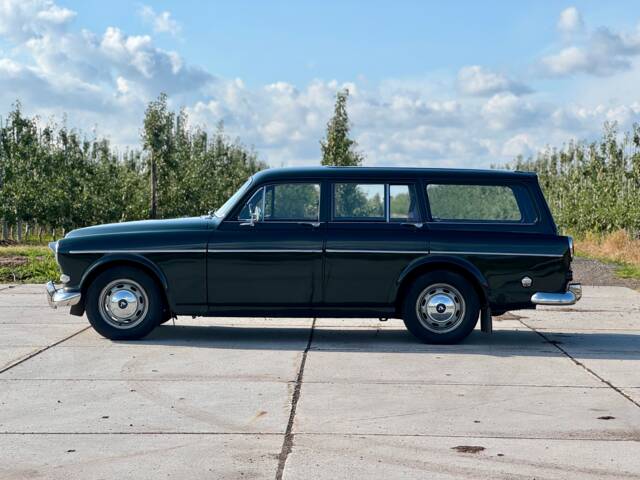
1967 | Volvo Amazon P220
This is a Volvo Amazon 222 Combi from 1967.

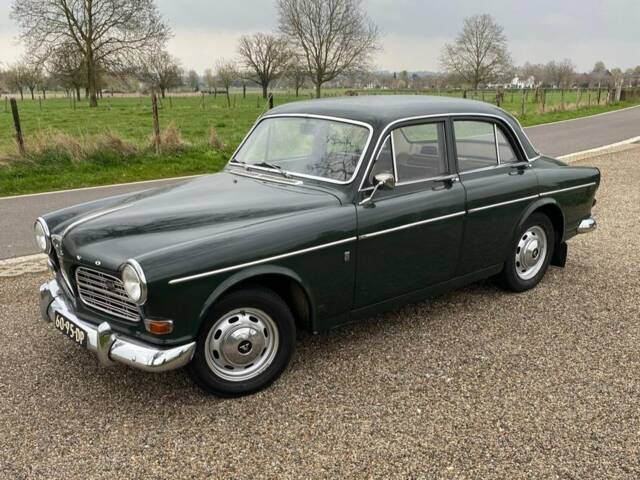
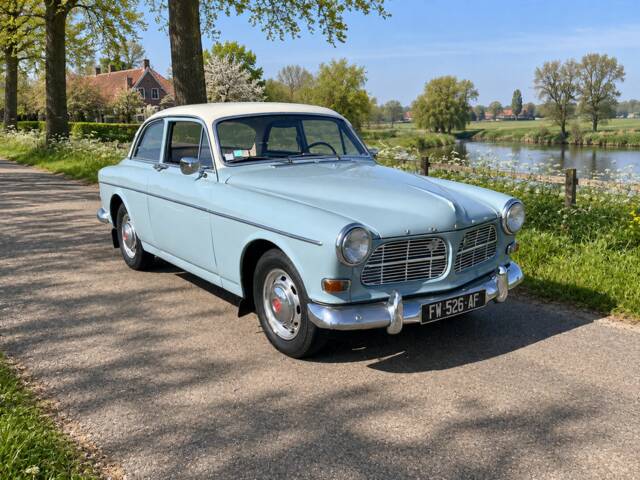
1967 | Volvo P 121
Volvo Amazon P121 | 1967 | Route 66 Auctions - For sale by auction. Estimate 5400 EUR
Auctions ending soon

Loading…
Loading…
Loading…
Loading…
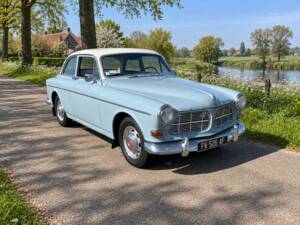
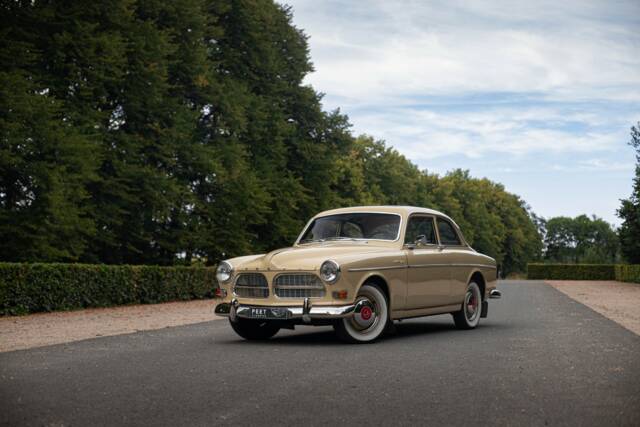
1965 | Volvo P 121
Volvo Amazon | 1965 | Route 66 Auctions - For sale by auction. Estimate 7200 EUR

Newsletter
The best Volvo listings, straight to your inbox
Get hand-picked Volvo listings, plus the best of cars, motorbikes, and auctions on Classic Trader — all in one place.
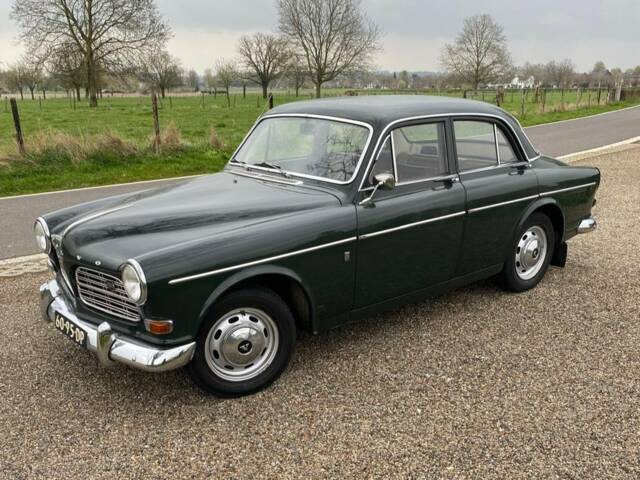
1967 | Volvo P 121
Volvo Amazon P121 | 1967 | Route 66 Auctions - For sale by auction. Estimate 5400 EUR
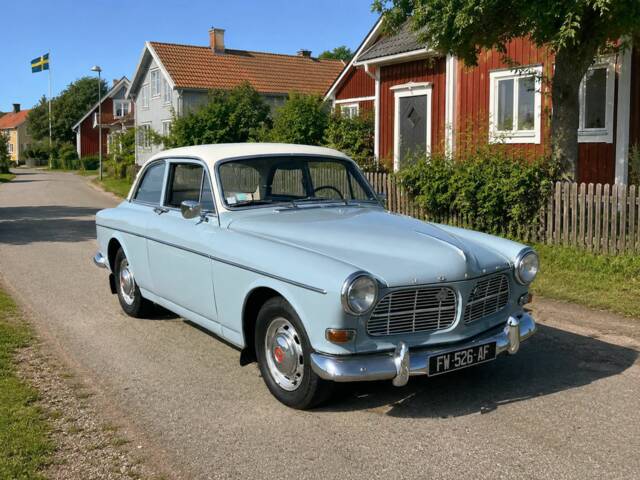
1965 | Volvo P 121
Volvo Amazon | 1965 | Route 66 Auctions - For sale by auction. Estimate 7200 EUR

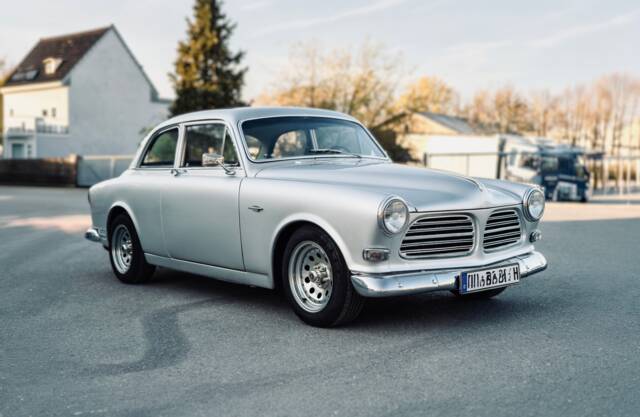
1966 | Volvo Amazon
2-door | Condition 2+ | Valuation report 28.500 € | Long-term ownership


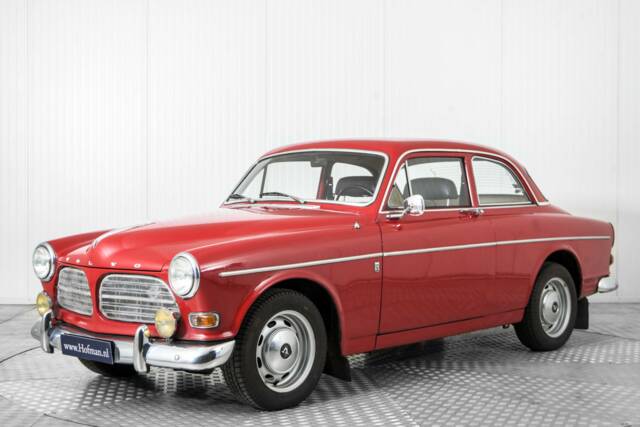
1968 | Volvo Amazon S
Volvo Amazon 122S GT uitgevoerd, overdrive

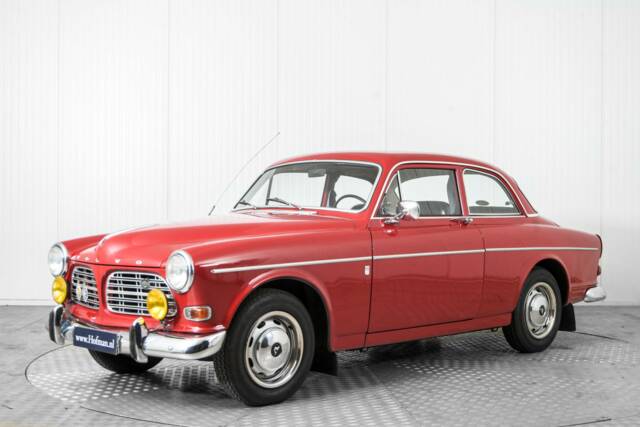
1968 | Volvo P 123 GT
Volvo Amazon GT

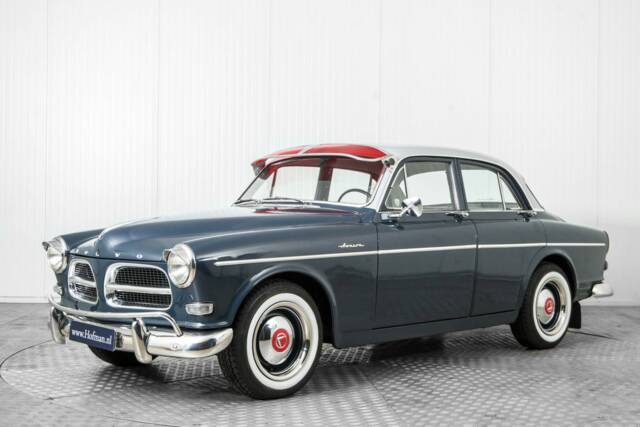
1959 | Volvo Amazon S
Volvo Amazon

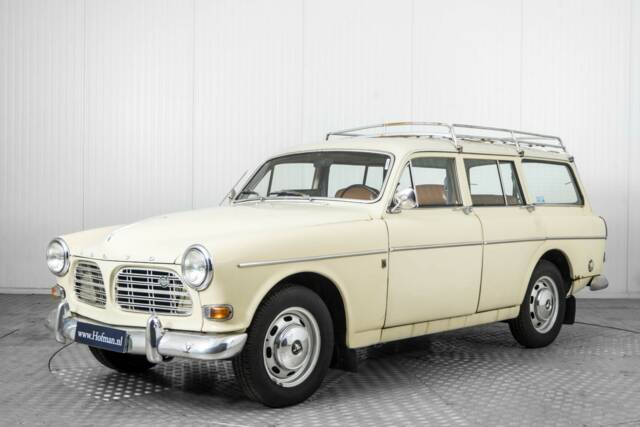
1968 | Volvo Amazon P220
Volvo Amazon station

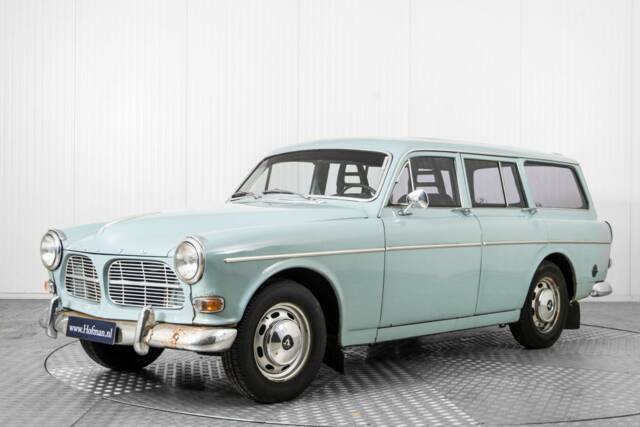
1965 | Volvo Amazon
Volvo Amazon Combi LPG .

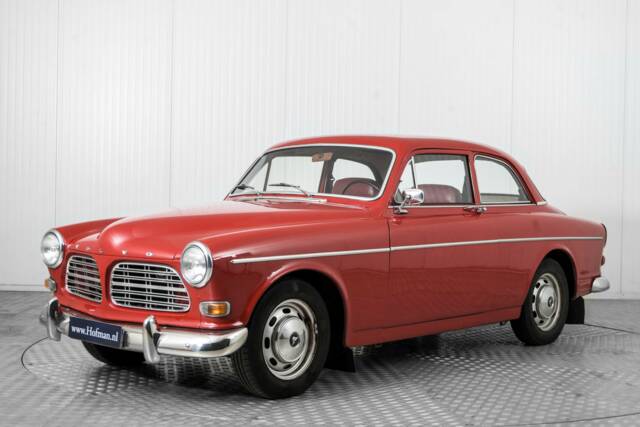
1970 | Volvo Amazon S
Volvo Amazon B20 LPG

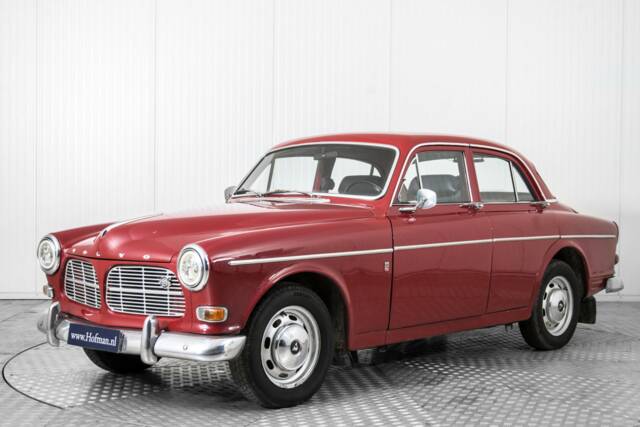
1964 | Volvo Amazon S
Volvo Amazon LPG
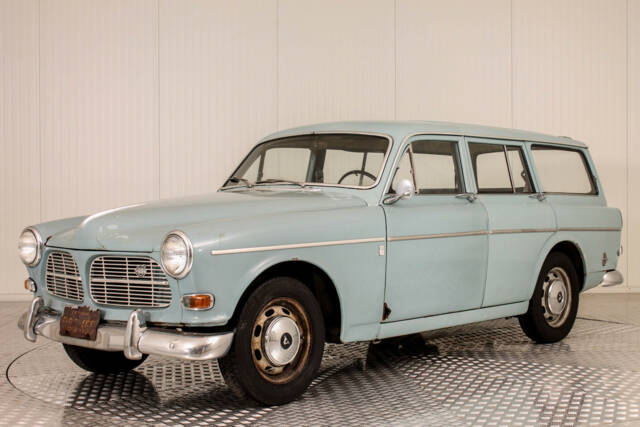
1965 | Volvo Amazon
Volvo Amazon Combi B18
Volvo Amazon Classic Cars: Prices & Market Values
The market value of Volvo Amazon classic cars is primarily determined by the specific manufacturer code and variant, as well as technical condition, originality and mileage. Additional factors include rarity, history and documentation. A well-maintained, largely original vehicle with low, verifiable mileage and complete history including appraisals and documentation typically achieves significantly higher prices than a comparable vehicle with deferred maintenance, many modifications or unclear provenance.
Volvo Amazon: Market Prices & Value Trends
Based on sales data from the Classic Trader marketplace, the Volvo Amazon market in Europe has remained broadly stable to gently firming over the period from January 2021 to January 2026, with most demand centred on well-presented mid-to-late 1960s cars (notably 1964–1969 P 121/Amazon S). While there are occasional very low-priced entries that likely reflect project cars or data anomalies, the realistic core of the market sits clearly higher: the majority of recent asking prices cluster around roughly €10,000 to €30,000 depending on condition, history and specification. In the Netherlands in particular, tidy Amazon and P 121 examples frequently appear in the low-to-mid €20,000s, while more desirable variants such as the P 123 GT and well-finished estates (P220) tend to command the upper end of the range, often around €30,000+ when properly restored. For today’s buyers, this points to a mature classic with steady values, supported by strong usability, robust engineering and an enduring reputation for safety and durability.
History of the Volvo Amazon
Launched in 1956 and produced until 1970, the Volvo Amazon marked a decisive step in Volvo’s evolution as both an automaker and safety innovator. Debuted in Sweden as the Amazon and internationally as the 122S, it emerged after the PV444 and PV544, offering an all-new design by Jan Wilsgaard with both Italian and American influences. Production began at the Lundy plant in Gothenburg before moving to Torslandaverken in 1964. Over its 14-year run, nearly 670,000 vehicles left the lines in various body styles, echoing Volvo’s commitment to safety and durability. The Amazon became widely recognised as the first production car to feature three-point front seat belts as standard—an innovation Volvo made freely available through an open patent.
Model History
The Amazon family spans several key variants:
- P120: 4-door saloon, introduced in 1956, known for practicality and comfort.
- P130: 2-door saloon, added in 1961 for a sportier look and easier rear-seat access.
- P220: 5-door estate, arrived in 1962, offering extra utility and space for families.
- Amazon Favorit: A cost-conscious model with stripped-down features and essentials, reflecting the variety in Amazon’s target market.
The Amazon replaced the PV series and was in turn succeeded by the Volvo 140 series in the early 1970s. Engine options ranged from the B16 (1.6L) in early models, through the renowned B18 (1.8L), to the B20 (2.0L) in later years, with power outputs tailored for efficiency or performance. Over 70,000 wagons, 230,000 2-door saloons, and 360,000 4-door saloons were produced.
Highlights of the Volvo Amazon
The Volvo Amazon stands out for several reasons: It was the world’s first production car fitted with three-point seat belts as standard (from 1959), promoting road safety through its robust structure and an early adoption of padded dashboards and laminated windscreens. The model excelled in long-term durability and corrosion resistance, with underbody protection from the factory. Its diverse range of colour and trim combinations, two-tone paint, and well-appointed interiors set trends in Scandinavian automotive design. Performance-focused versions, such as the 123 GT, added an extra dimension with increased power, sport suspension, and unique badging.
Technical Data
Special Editions and Collectible Models
- 123 GT: The performance flagship, equipped exclusively with the B18B high-compression engine (115 PS), overdrive, sports suspension, special GT steering wheel, auxiliary lights, unique trim, and tachometer—built only as a P130 2-door. The rare 133 GT model, mainly for specific markets, featured further upgrades and sometimes the larger B20 engine.
- Amazon Favorit: A minimalistic late-series version with less chrome, focusing on affordability and durability, often with a 3-speed gearbox.
- P220 Estate: While not a limited edition, its versatility and rarity among classic estates make it especially noteworthy among collectors.
Weak Spots and Common Issues
The Amazon is renowned for its durability, but focus areas for maintenance include ensuring sound corrosion protection, especially around wheel arches, sills, and structural members—even given its original undercoating. Regular attention to the braking system (especially in earlier drum-brake models), rust at windshield seals, and the condition of the suspension bushings is prudent. Mechanically, the engines are robust and high-mileage examples are common, though attention should be paid to oil leaks and regular valve adjustments.
Engine and Performance, Transmission and Handling
Most Amazons use the Volvo B16 or B18 engine, both famed for their resilience and longevity. The B16 (1.6L) offers 60–76 PS; the B18 (1.8L) with single or twin carburettors, up to 90 PS; and the B18B in the 122S and 123GT, up to 115 PS. The B20 (2.0L) in late cars provides even more usable torque.
Typical attributes include precise steering, supple ride comfort, and stable high-speed handling—ideal for both touring and daily use. The four-speed manual gearbox, sometimes equipped with overdrive (M41), expands long-distance and motorway usability.
Popular Models:
- P130 (2-door): Combines style with performance and accounts for the largest market share, especially in demand.
- 123 GT: Desirable for its sporty enhancements.
- P220 Estate: Valued for practicality and robust construction, sought after by enthusiasts requiring utility without sacrificing character. undefined
Interior, Comfort, Exterior and Design
Jan Wilsgaard’s design melded Scandinavian clarity with subtle American flair, evident in the Amazon’s pontoon body, modest tail fins, and durable phosphate-treated steel. Distinguished features include oval front air intakes, extended rear fenders, and a distinctive two-tone roof and body combinations. Interiors were often finished in high-grade vinyl or fabric, with available colour-contrasted panels.
Comfort items included standard heaters, optional radios, passenger headrests (late models), reclining seats (particularly in the 123 GT), and classic instrument clusters. Accessories ranged from roof racks to snow equipment, and even overdrive gearboxes for touring comfort. Original colours were varied, offering combinations such as black with red interior and light grey roof—many preserved or restored today.
Other Features
The Amazon was homologated for motorsport and entered numerous rallies across Europe and Africa, showcasing its durability under duress. Over a thousand cars were rallied, with subsequent factory support for independent teams. Many Amazons on the classic market have been converted with LPG systems, tow bars, or period-correct accessories. Spare parts availability is excellent, and a vibrant community keeps knowledge and support accessible.
Summary
The Volvo Amazon combines pioneering safety, versatile design, and Swedish engineering rigour in a classic form that remains practical and desirable. Whether as a saloon or estate, P120 or 123GT, each Amazon brings robust mechanics, thoughtful features, and a strong support network for enthusiasts. With reliable supply and high demand in the classic market, the Amazon stands out, not as an investment piece, but as a thoroughly usable classic embodying practical values, character, and distinctive presence.