Volvo P 210 classic cars for sale
The Volvo P210, commonly known as the 'Duett', stands out with its remarkable versatility—built to serve both as a sturdy utility van and a comfortable family estate car. Engineered for durability with a ladder frame and rear leaf springs, the P210 is renowned for its nearly indestructible construction and adaptable chassis, making it a unique option in the world of classic Volvos.
Search results
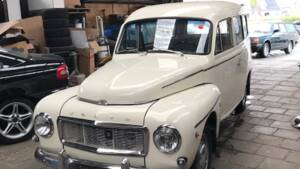
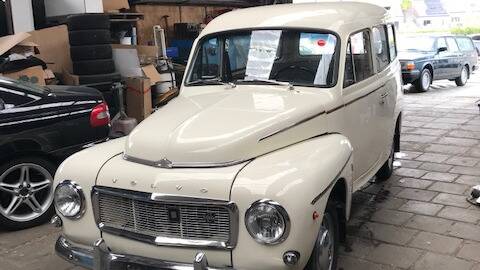
1965 | Volvo P 210 Duett
Prachtige Duett P210 b.j. 1965 met B18 motor

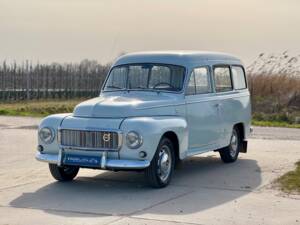
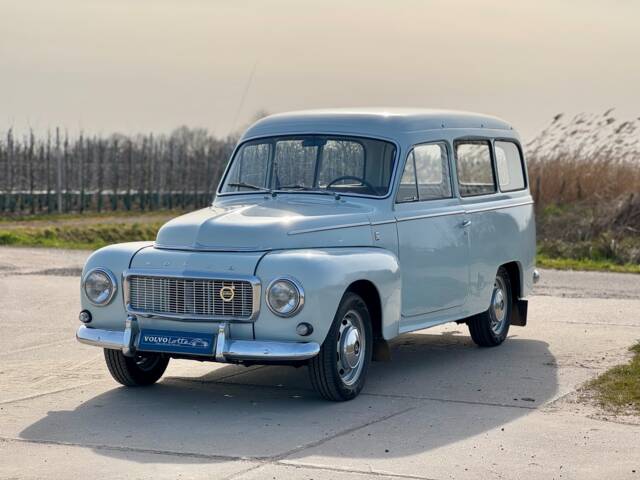
1967 | Volvo P 210 Duett
De Volvo P210 Duett is een icoon onder de praktische klassiekers. Oorspronkelijk ontworpen...

Volvo P 210 listing references from Classic Trader
Below you will find listings related to your search that are no longer available on Classic Trader. Use this information to gain insight into availability, value trends, and current pricing for a "Volvo P 210" to make a more informed purchasing decision.
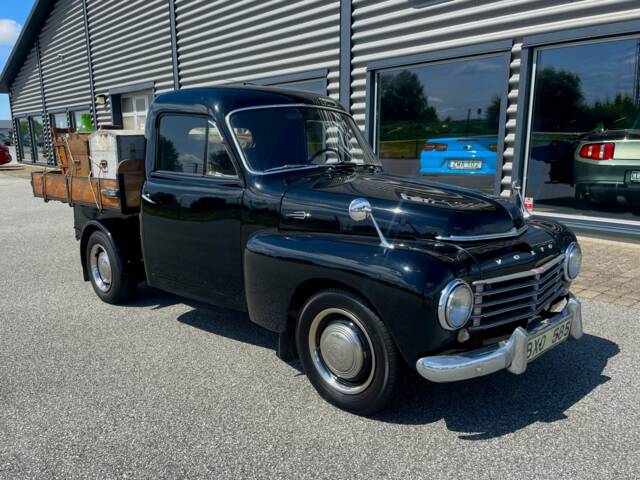
1967 | Volvo P 210 Duett
Volvo Duett 544 PickUp | 1967 | Route 66 Auctions - For sale by auction. Estimate 13500 EUR
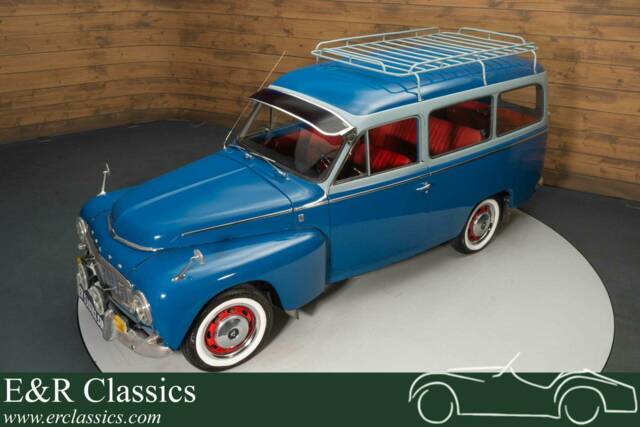
1965 | Volvo P 210 Duett
Volvo Duett | Gerestaureerd | 1965
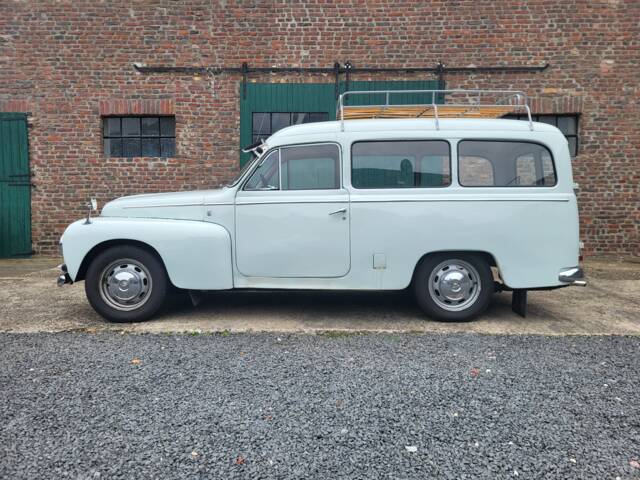
1968 | Volvo P 210 Duett
Volvo Duett P210 B20 Motor 544 Kombi

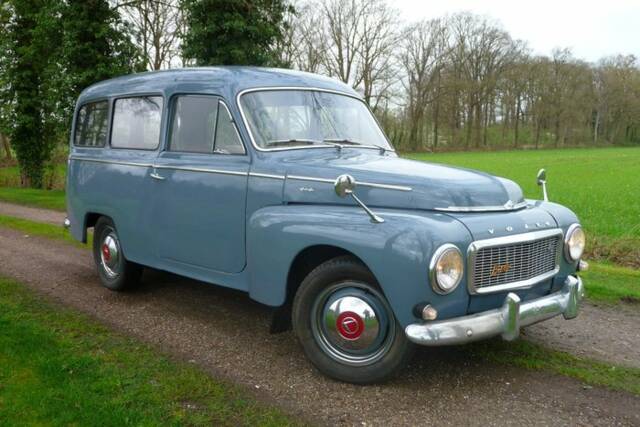
1962 | Volvo P 210 Duett
Volvo - P 210 - Duett - 1962
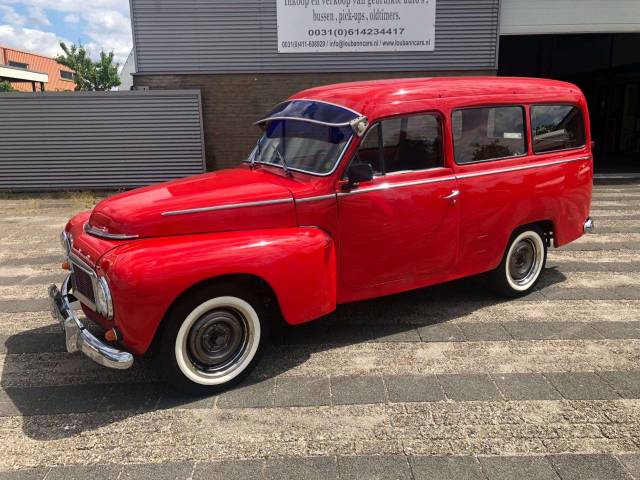
1967 | Volvo P 210 Duett
Volvo Duett 210 1967 Duet
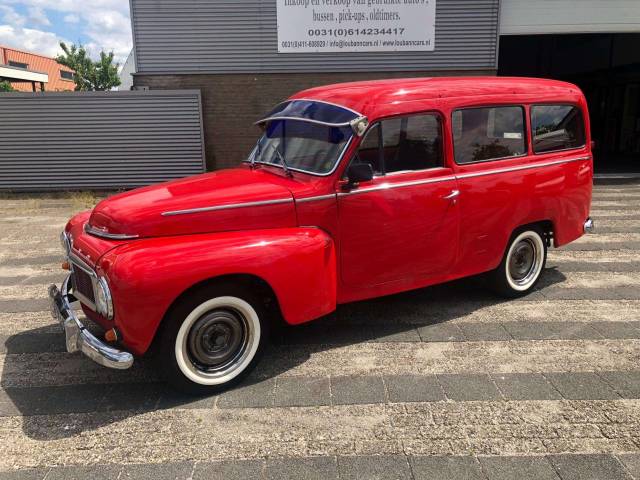
1967 | Volvo P 210 Duett
Volvo Duett 210 1967 Duet
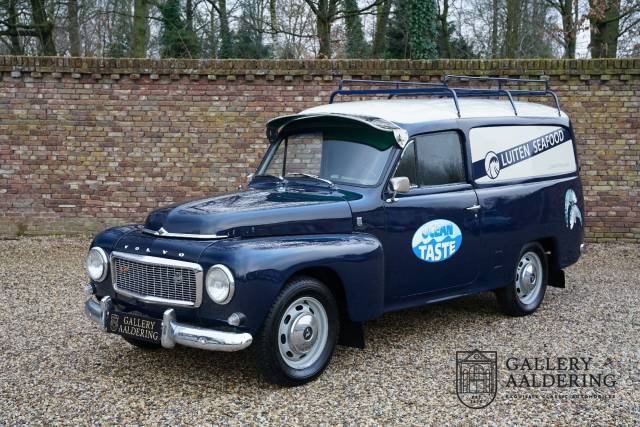
1966 | Volvo P 210 Duett
Volvo Duett 210 Restored and revised, very well documented
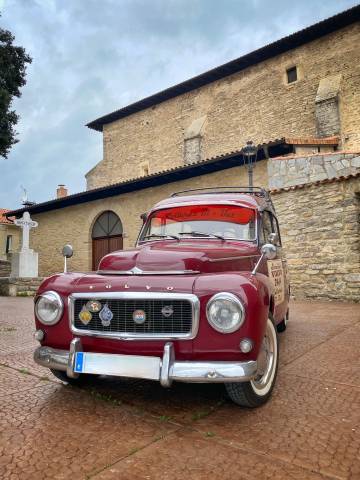
1968 | Volvo P 210 Duett
Pocas unidades en España

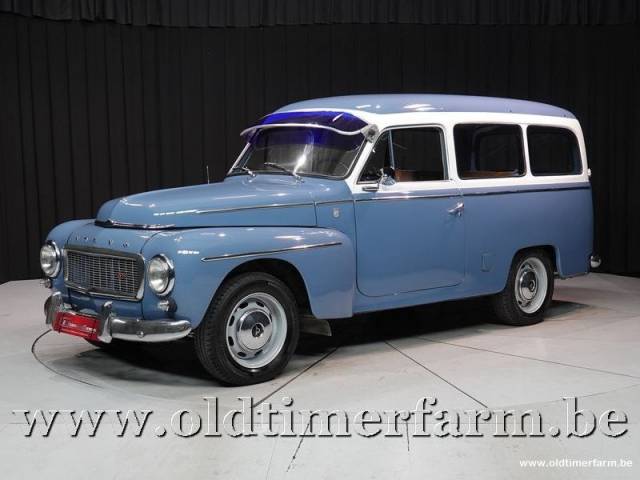
1967 | Volvo P 210 Duett
1967 Volvo P210 Duett '67
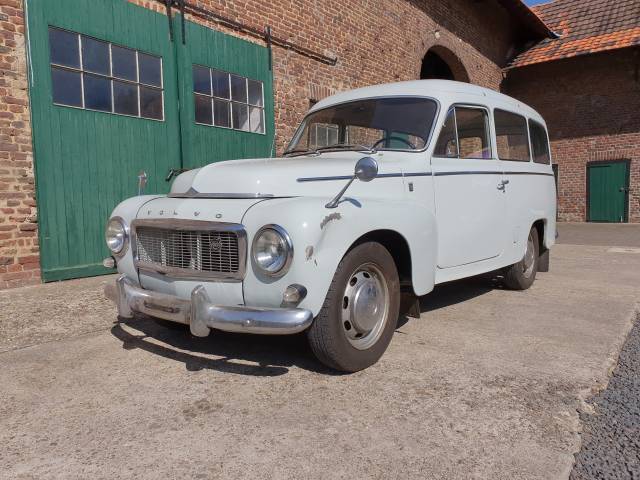
1968 | Volvo P 210 Duett
Volvo P210 Duett B20 544 Kombi
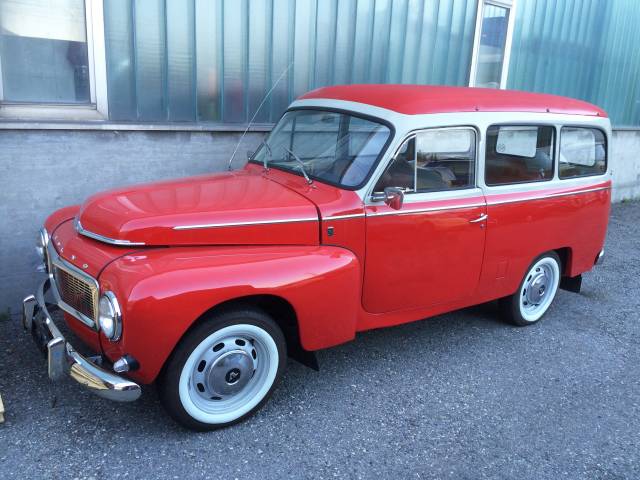
1968 | Volvo P 210 Duett

Volvo P 210 Classic Cars: Prices & Market Values
Introduction and history of the Volvo P210
The Volvo P210, also known by its nickname 'Duett', epitomises the dual-use concept by seamlessly functioning as both a commercial van and a family station wagon. Built between 1953 and 1969, it emerged as a practical evolution from the Volvo PV saloon, inheriting its drivetrain and chassis but utilising a ladder frame and robust leaf springs at the rear. This design allowed for an impressive adaptability—coachbuilders such as Grip, Valbo, and Nordbergs transformed the P210 into everything from pickups and convertibles to highly specialised vehicles for niche professions.
Replacing the PV445 in the autumn of 1960, the P210 introduced features such as a curved, single-piece windscreen similar to the PV544. The end of the P210’s production in 1969 marked the conclusion of an era for Volvo, as it gave way to the more modern Volvo 145 Express. Throughout its production run, the P210 earned a reputation for uncompromising reliability, making it a steadfast companion for both work and leisure.
Model history
The P210 was directly derived from its predecessor, the PV445, with the key distinction being the adoption of the curved front windscreen. Unlike the welded, unitary construction of the Volvo PV series, the P210 retained a ladder frame, fostering customisation. After the P210’s discontinuation in 1969, the Volvo 145 Express took over its versatile legacy. The P210’s adaptable platform led to numerous body configurations, including estate, delivery van, and bare chassis for bespoke builds—a factor which contributed greatly to its enduring popularity among both collectors and those seeking a practical classic.
Highlights of the Volvo P210
Unique for its flexible platform, the Volvo P210 could be ordered as a station wagon, a van, or even just a chassis cab, which coachbuilders transformed into bespoke vehicles. Its rugged ladder-frame chassis and leaf-spring rear suspension underline its roots as a reliable workhorse. The introduction of the curved, one-piece windscreen provided better visibility and a more modern look. Distinctive interior options—including robust materials and variations like wooden cargo spaces—offered additional appeal for enthusiasts seeking a combination of function and style.
Technical data
Special Editions and Collectible Models
A noteworthy aspect of the P210 range is the diversity of coach-built models. Swedish coachbuilders like Grip, Valbo, and Nordbergs produced rare versions, including pickups and convertibles, on the P210 chassis. Special order options—such as white-painted window frames or customised interior designs—add exclusivity for collectors and enthusiasts looking for something beyond the standard configurations.
Weak Spots and Common Issues
While the P210 is famed for its toughness and longevity, buyers should pay close attention to the condition of the ladder frame, rear leaf springs, and bodywork, especially in models exposed to strenuous use or harsh climates. Regular inspection of these elements ensures the preservation of roadworthiness and character in this practical classic.
Engine and Performance, Transmission and Handling
The P210’s B18 engine is well-known for its durability and adequate performance, producing up to 75 PS. The rear-wheel-drive setup and leaf-spring rear suspension offer a functional, if somewhat utilitarian, driving experience. With a top speed near 160 km/h, the P210 was competitive for its segment. Its four-speed manual transmission allows for robust yet predictable performance, making it manageable in a modern traffic setting yet notably old-school in its feel. - P210 B18: The standout model, equipped with the B18 engine, became synonymous with reliability in everyday service.
- Distinctive commercial versions and unique coach-built designs remain particularly desirable for those seeking rare body styles.
Interior, Comfort, Exterior and design
The P210 stands apart due to its curved, single-pane windscreen and traditional estate silhouette. The practical yet sturdy interior prioritised durability, often using tough materials and, in some cases, featuring wooden load-space liners. Optional accessories—such as factory tow bars and finishes like painted window frames—provided personalisation long before such choices became commonplace. Various load-area configurations enabled everything from goods transport to family travel, echoing its 'Duett' philosophy.
Other relevant features
The P210’s flexibility extended to factory and aftermarket accessories, making it particularly popular among buyers who required adaptability. Export models and special equipment variants (for instance, custom colour schemes or trim) further widened its appeal, and build quality is regarded as above average for its era.
Summary
The Volvo P210 'Duett' represents a unique intersection of utility and family life in classic automotive history. Revered for its robust construction, customisable formats, and steadfast B18 engine, it remains a favourite among those searching for a classic that was built to be used—whether as a wagon, van, or unique special edition. Its high share in classic Volvo listings and strong market attention confirm the continued interest in this practical, characterful car.