Volvo 240 classic cars for sale
The Volvo 240 is the Swedish estate and saloon that defined a generation, famed for its safety engineering, hardy rear-wheel drive layout, and sheer everyday practicality. Whether as a robust estate or a straightforward saloon, the 240 delivers Scandinavian solidity, technical longevity, and surprising comfort—making it a sought-after choice for classic car enthusiasts seeking true usability.
Search results
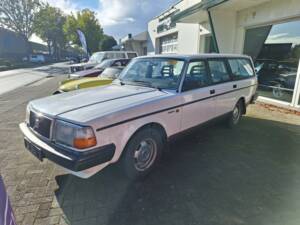
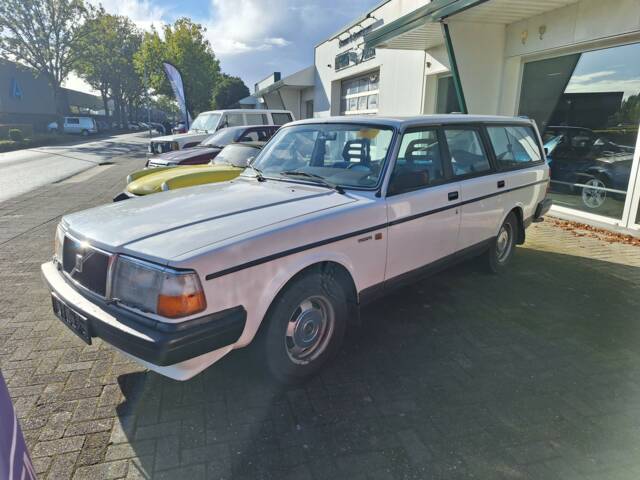
1986 | Volvo 240 GL
Volvo 240 2.3 GL 5 bak

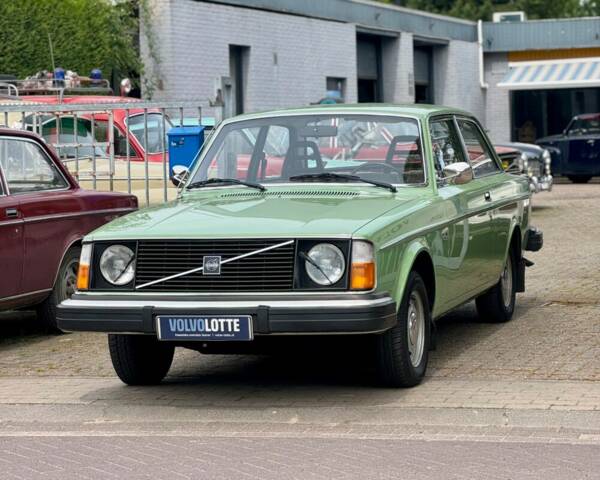
1975 | Volvo 244 DL
Unieke survivor, originele staat, slechts 74.500 km, prachtige kleurstelling
Auctions ending soon

Loading…
Loading…
Loading…
Loading…
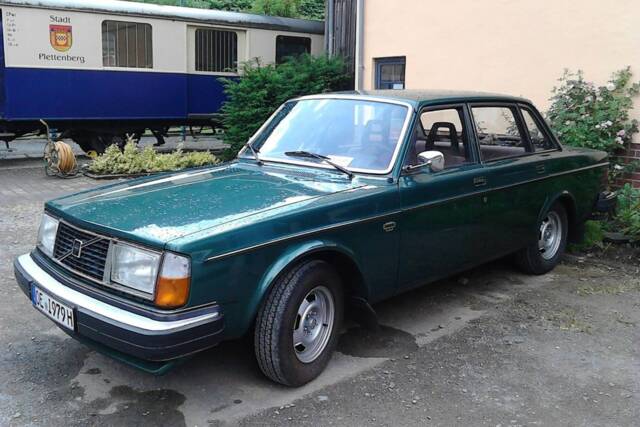
1979 | Volvo 244
Volvo 244 GL | 1979 | Route 66 Auctions - For sale by auction. Estimate 3600 EUR
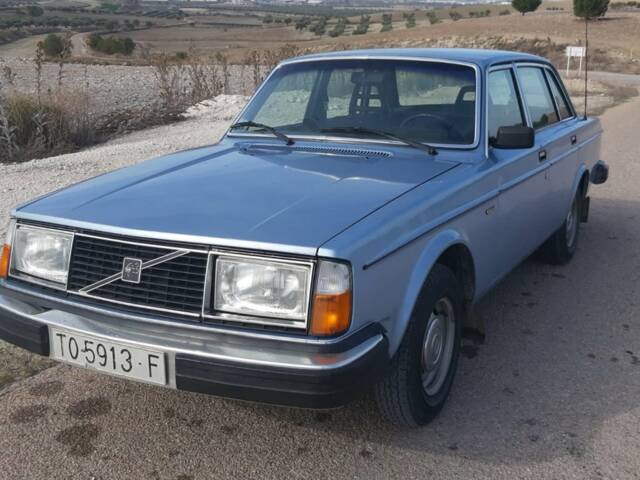
1980 | Volvo 244 GL D
Volvo 244 GL | 1980 | Route 66 Auctions - For sale by auction. Estimate 4200 EUR
Newsletter
The best Volvo listings, straight to your inbox
Get hand-picked Volvo listings, plus the best of cars, motorbikes, and auctions on Classic Trader — all in one place.
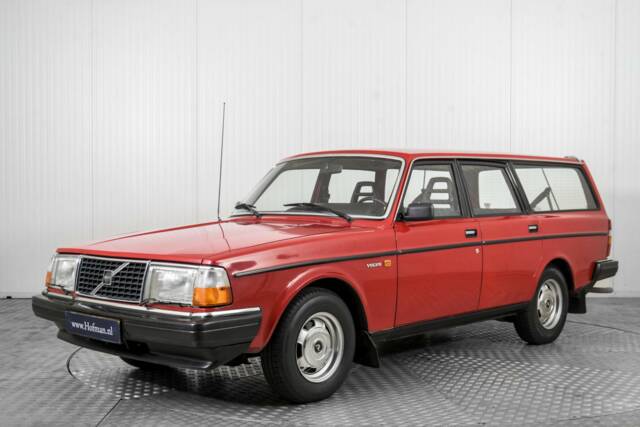
1983 | Volvo 240 Turbo
Volvo 240 245 station LPG
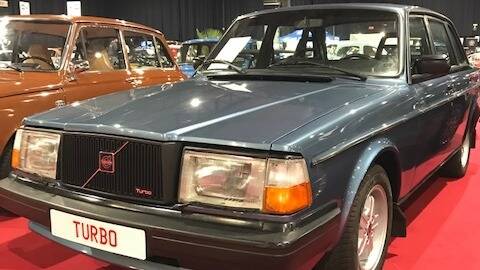
1983 | Volvo 240 Turbo
Volvo 240 Turbo in prachtige staat en slechts 178.000km !


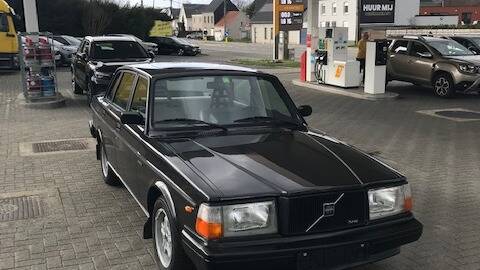
1983 | Volvo 240 Turbo
Belgische Volvo 244 Turbo 1983 met Oldtimer inschrijving
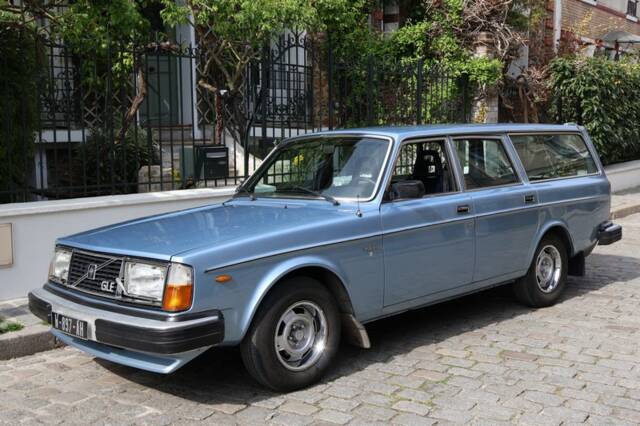
1979 | Volvo 245 GLE
En parfait état ! 3ème main

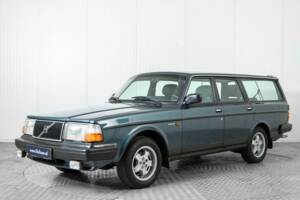
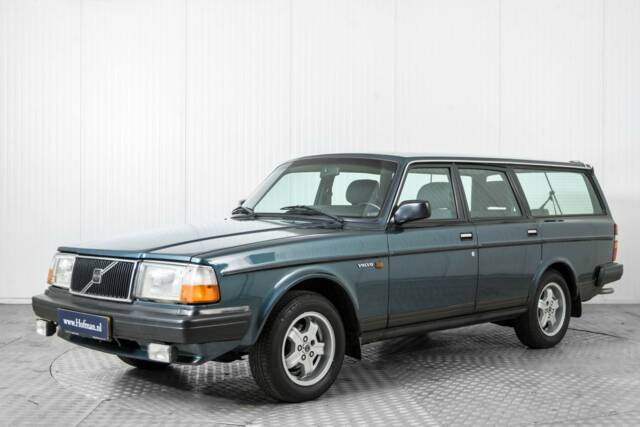
1990 | Volvo 240 GL
Volvo 240 2.3 DL Airco + cruise control
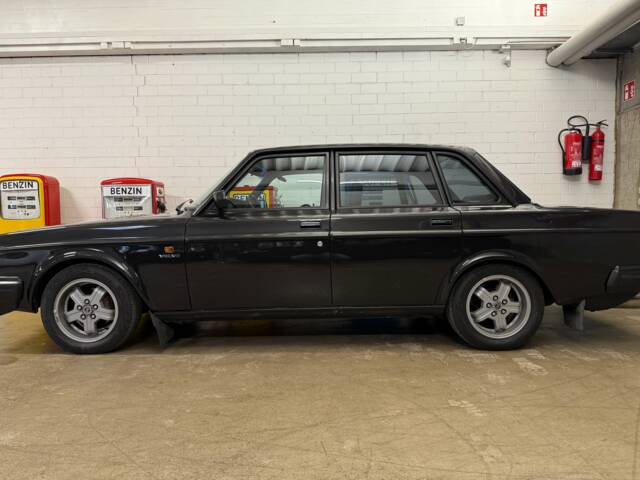
1983 | Volvo 240 Turbo
Volvo 244

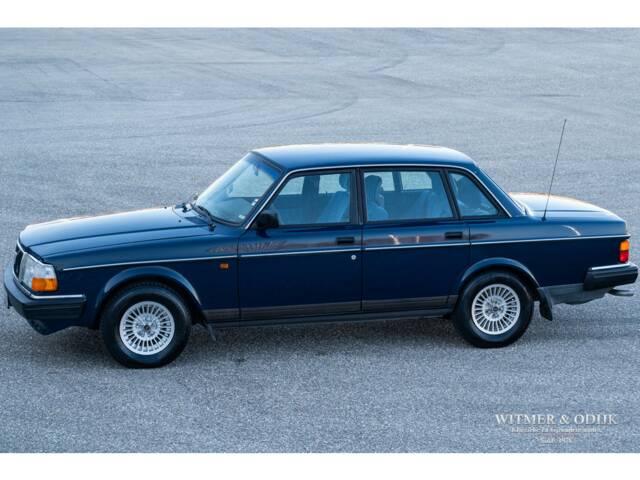
1992 | Volvo 240
2.3 GL automaat
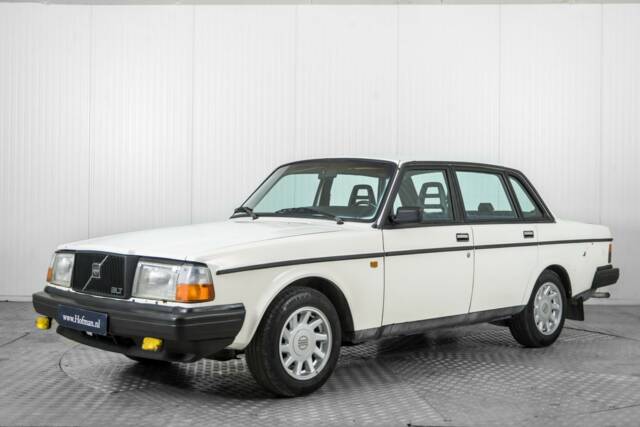
1984 | Volvo 244 GL D
Volvo 244 2.3 GLE Overdrive
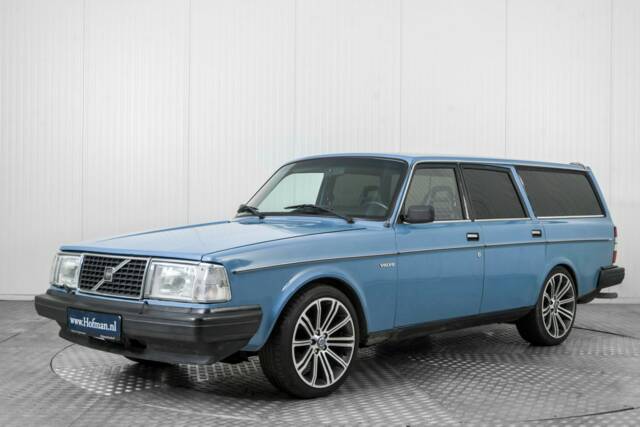
1980 | Volvo 245
Volvo 245 2.3 met vijfbak
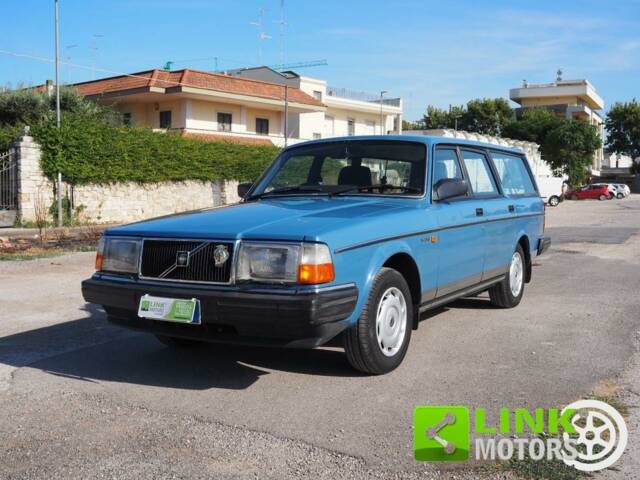
1988 | Volvo 240 Kombi
VOLVO 240 2.0 Station Wagon GL

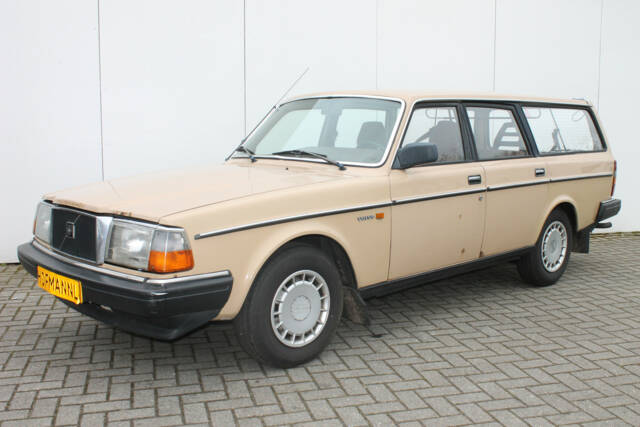
1984 | Volvo 245 GL D
Volvo 240 Diesel met Overdrive
Volvo 240 Classic Cars: Prices & Market Values
The market value of Volvo 240 classic cars is primarily determined by the specific manufacturer code and variant, as well as technical condition, originality and mileage. Additional factors include rarity, history and documentation. A well-maintained, largely original vehicle with low, verifiable mileage and complete history including appraisals and documentation typically achieves significantly higher prices than a comparable vehicle with deferred maintenance, many modifications or unclear provenance.
Volvo 240: Market Prices & Value Trends
Based on sales data from the Classic Trader marketplace, the Volvo 240 market in Europe has been broadly stable to gently rising over the period from January 2021 to January 2026, with a clear premium for desirable trims and well-presented cars. Most asking prices cluster in a realistic band of roughly €8,000 to €20,000, covering the mainstream 240/244/245 models from the late 1970s through the early 1990s in typical classic-car condition. At the lower end, higher-mileage or more work-needed estates and saloons can appear around €4,000–€7,000, while strong, original-looking examples and late “Polar” variants often sit in the mid-teens. Turbo models (such as the 240/244 Turbo, typically 1982–1984) frequently command €18,000–€25,000, and occasional high figures should be treated as outliers rather than the norm. Recent adverts from Germany, the Netherlands, Italy and Switzerland suggest steady demand driven by the 240’s reputation for durability, practicality and easy classic ownership, which is helping values to hold firm.
History of the Volvo 240
Launched in 1974, the Volvo 240 Series drew heavily from the outgoing 140 Series—the DNA is especially visible in the familiar silhouette. The 240 embodied cutting-edge safety research from Volvo’s VESC experimental vehicles, setting new benchmarks for crash protection and passive safety. Produced for almost two decades, the car was continually improved yet retained its unmistakable profile, making it instantly recognisable. Particularly in Europe, the estate version (245) established itself as the definitive family workhorse, while saloon and two-door variants catered to broader tastes. By the end of its production in 1993, more than 2.8 million 240s had rolled off the lines, making it one of Volvo's most successful models and propelling the brand’s reputation for no-nonsense durability and safety.
Model history
The 240’s lineage began as the spiritual successor to the Volvo 140. The model family included the two-door 242, the four-door 244, and the five-door 245 estate—with design tweaks through the years but core engineering unchanged. Predecessor: Volvo 140. Its successor, the 700 Series (Volvo 740), only began to phase out the 240 starting 1985, but Volvo kept the 240 in production alongside until 1993, further proof of the car's market pull. Notable highlights in development included the introduction of the diesel 240 (D6) with a Volkswagen engine in 1979, the appearance of the turbocharged versions in the early 1980s, and regular refinements to interiors and trim levels, culminating in simplified, catalysed injection engines by 1989.
Highlights and distinctive features
Volvo 240 models are known for their outstanding crash safety engineering and uncompromisingly practical approach to comfort and interior space. Estate versions gained particular acclaim for clever design, with features like integrated children’s seats in the load area and exceptional cargo capacity. Data from Classic Trader confirms the 240 accounts for over 89% of listing views for classic Volvos—a share unmatched by any other model series from the brand. This dominance is equally obvious on the market, where 91% of Volvo classics offered on the platform are 240s, dwarfing the supply and demand for rarer variants like the P245 or P244. For buyers, this means a large community, good availability of cars, and robust parts support.
Technical Data for the Volvo 240
Special Editions and Collectible Models
A small number of 240 variants stand out for collectors: rare factory models like the Turbo (B21ET, B19ET) offered higher performance. The 'Polar' and 'Super Polar', available in markets like Italy and the Netherlands, came factory-loaded with luxe options such as air conditioning, heated seats, and exclusive trim. Ultra-rare is the 243—built in 1982, with an unconventional door layout for Estonian export, with only ~30 made. Motorsport fans seek the 240 Turbo, which clinched the European Touring Car Championship in 1985 and remains a homologation hero. Estates with seven-seat arrangements and particular market-specific 'Pullman' specs also attract buyers.
Weak Spots and Common Issues
While a Volvo 240 is famously durable, certain weak spots must be checked during purchase. Bodywork rust is enemy number one—rear arches, spare wheel wells, tailgates (especially on estates), door bottoms, and inner wings are the hotspots. Check beneath plastic trims and thoroughly inspect likely repair areas. Cabin-wise, dashboards crack and original seat fabrics or plastics may be brittle—spare parts can be hard to source for specific trims. Mechanically, the B230K engine (1987) has a known timing belt vulnerability. Rear axles are nearly unkillable, but worn ball joints, track rods, aging bushes, and rusty struts are common. M47 5-speed manuals sometimes lose fifth gear. Original electrics are robust, but later models may suffer blower motor and ignition module faults. Meticulous inspection for hidden rust and mechanical neglect is key to avoiding expensive surprises.
Engine, Transmission and Driving Experience
Most 240s used the B19, B21, B23 or B230 series of inline-fours—a mechanical architecture famed for simplicity, torque and lifespan well over 300,000 kilometres if serviced. Turbos (from 1981–85, primarily for the North American market) brought markedly spirited acceleration, while Volvo diesels delivered relaxed high-mileage cruising. Rear-wheel-drive architecture with a simple, non-independent rear axle, meant predictable, stable roadholding—matched with soft springing and high-profile tyres for reserved comfort. Four- and five-speed manual transmissions were the weapon of choice, but automatics were numerous in later estate variants. The 240 is not a sports car, but rewards its driver with confidence, a tight turning circle, unobtrusive steering, and composed motorway manners. - 244 GL/GLT (petrol, up to 116 PS): balanced comfort and classic four-door saloon style.
- 245 Estate Diesel (D24): excellent for long-distance and utility, legendary for marathon mileage.
- 240 Turbo: most powerful in the range, especially prized by touring car fans.
- Super Polar: top-trim Italian/NL market estate with virtually every available luxury and comfort option.
Interior, Comfort, Exterior and Design
The 240 is pure Scandinavian form following function, penned by Jan Wilsgaard. Its boxy lines, upright glasshouse, and tall greenhouses were guided by safety and visibility first—giving the car excellent sightlines and immense practicality. Later models got premium exterior details: chrome, colour-coded bumpers, special alloy wheels. Early estates featured rear-facing fold-out children’s seats; GLT/GL trim brought plush corduroy or velour, sometimes leather. Factory options included sunroofs, electric windows, heated front seats, air conditioning, and (on some estates) unique roof rails and tailgate arrangements. Accessories culture runs deep—ranging from camping window kits to rare roof racks and ski holders. Instrument clusters with turbo boost gauges and even innovative features such as integrated headlamp wipers highlighted Volvo’s approach. Cabin build quality was robust if not extravagant; everything was engineered for utility and longevity.
Other Features
Notable for its extraordinarily supportive seats—designed in consultation with orthopaedic specialists—the Volvo 240 was a benchmark for driving comfort. Its rear-drive chassis enables an unusually tight turning circle for the class, a boon for city or country driving. Running cost-conscious owners benefit from an international owners’ community and a thriving supply of both original and reproduction parts, making daily driving, maintenance and even extensive restoration realistic for decades to come.
Summary
The Volvo 240 is more than a Swedish classic—it's a reference point for practical engineering, contrasts of utilitarianism and comfort, and family transport that lasts generations. Its overwhelming presence on both the classic Volvo supply and demand charts speaks volumes for its genuine, day-to-day appeal as a vintage car that can still be used as intended. Whether for enthusiasts seeking a project, a trustworthy old-school estate, or just the pure pleasure of dependable retro driving, the 240 stands in a class of its own.