- Car
- Rolls-Royce
- Rolls-Royce 25/30 HP (6 offers)
Rolls-Royce 25/30 HP Classic Cars for Sale
The Rolls-Royce 25/30 HP, produced from 1936 to 1938, embodies uncompromising mechanical quality, refined six-cylinder performance, and unmatched coachbuilt luxury. Each example reflects meticulous bespoke craftsmanship and exclusive technological updates of its era.
Search results
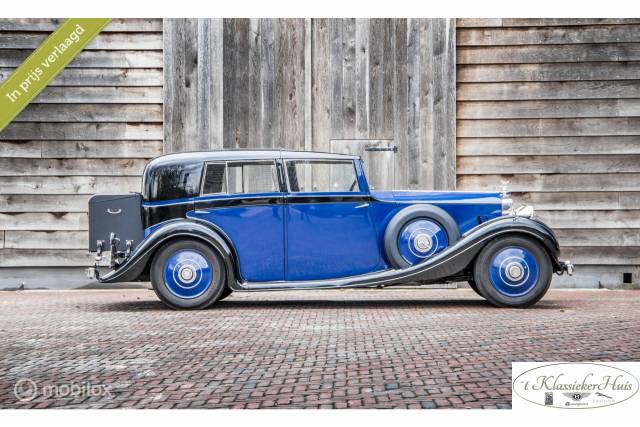
1937 | Rolls-Royce 25/30 HP
Rolls-Royce 25/30 Sedanca de Ville by Gurney Nutting

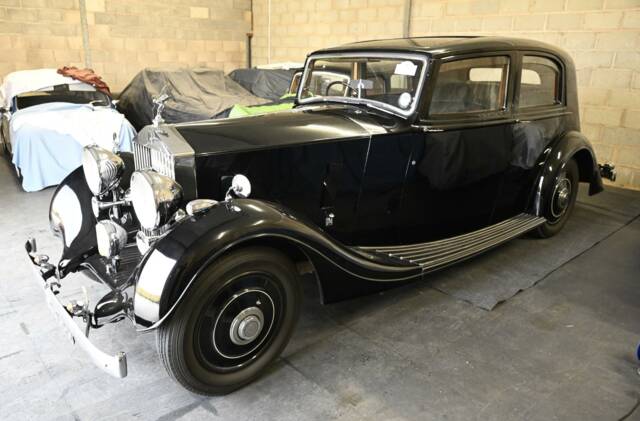

Auctions ending soon

Loading…
Loading…
Loading…
Loading…
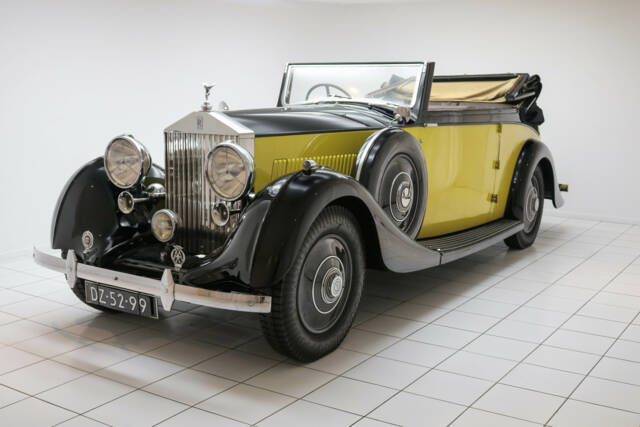
1937 | Rolls-Royce 25/30 HP
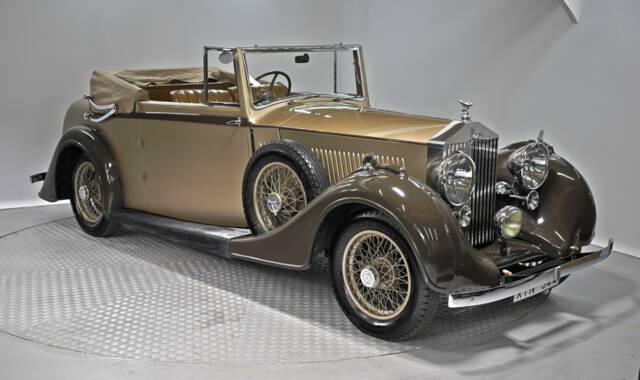
Coachwork by Barker – Good condition
Newsletter
The best Rolls-Royce listings, straight to your inbox
Get hand-picked Rolls-Royce listings, plus the best of cars, motorbikes, and auctions on Classic Trader — all in one place.
1937 | Rolls-Royce 25/30 HP
1937 Rolls Royce Thrupp & Maberly

Rolls-Royce 25/30 HP listing references from Classic Trader
Below you will find listings related to your search that are no longer available on Classic Trader. Use this information to gain insight into availability, value trends, and current pricing for a "Rolls-Royce 25/30 HP" to make a more informed purchasing decision.
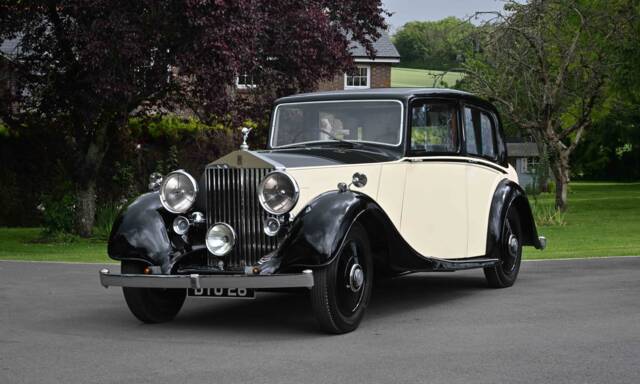
1937 | Rolls-Royce 25/30 HP
1937 Rolls-Royce 25/30 Saloon by Mann Egerton
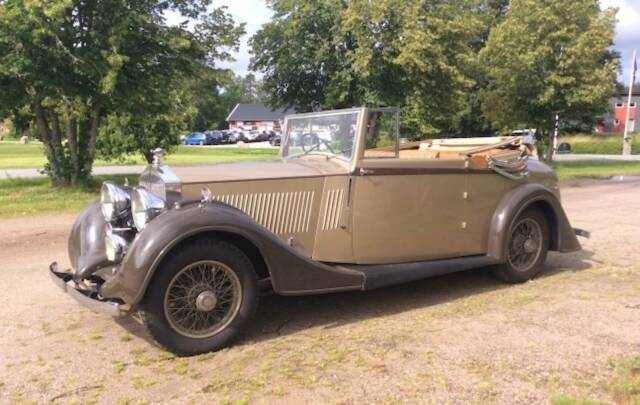
1937 | Rolls-Royce 25/30 HP
1937 Rolls-Royce 25/30 Windovers Three-Position Drophead / Dreipositionen-Verdeck
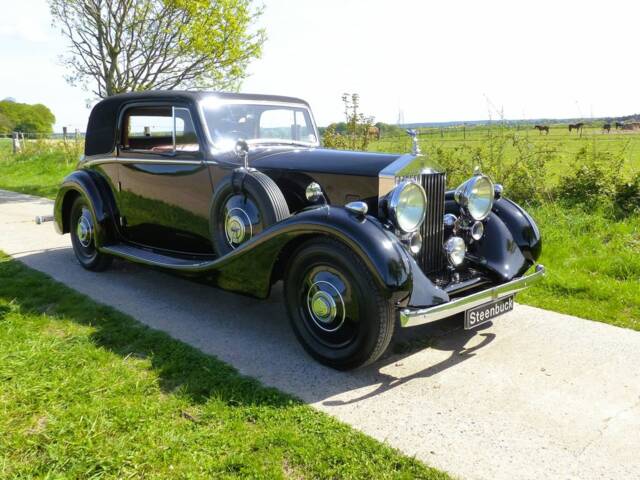
1936 | Rolls-Royce 25/30 HP
MATCHING NUMBERS; Overdrive

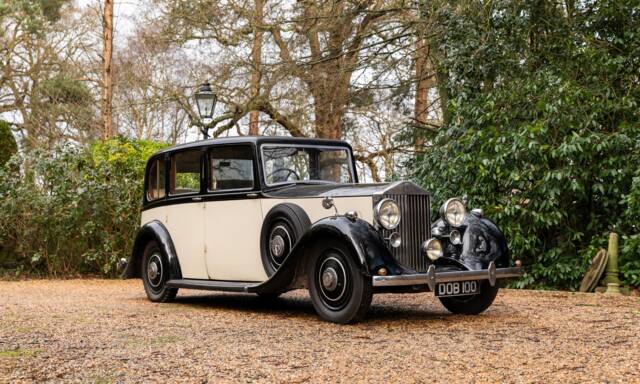
1937 | Rolls-Royce 25/30 HP
1937 Rolls-Royce 25/30 Barker Limousine
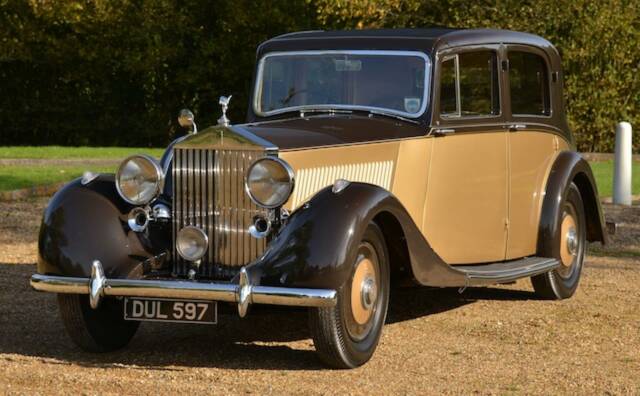
1937 | Rolls-Royce 25/30 HP
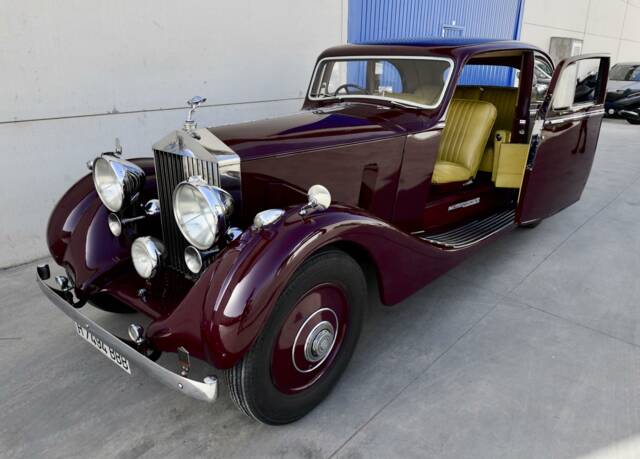
1937 | Rolls-Royce 25/30 HP
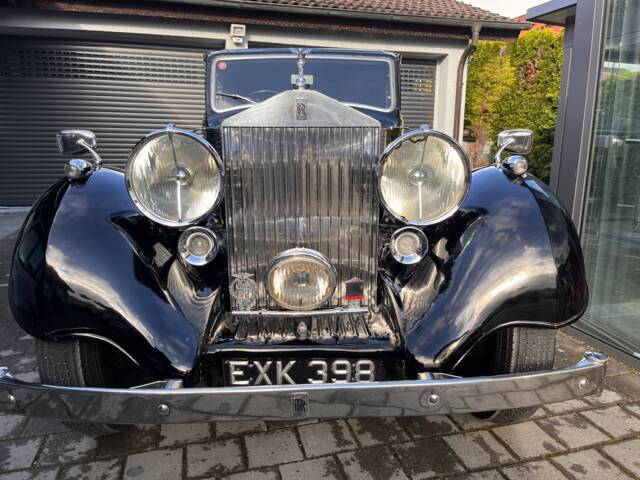
1938 | Rolls-Royce 25/30 HP
Thrupp & Maberly-Jack Barclay 4.3L. H-Zulasg. Tüv-09/2025 guter Zustand
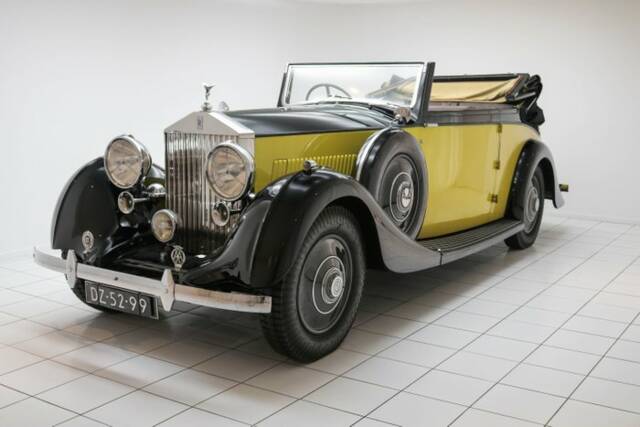
1937 | Rolls-Royce 25/30 HP
Rolls-Royce - 25/30 Convertible Coachwork by Barker - 1937
Rolls-Royce 25/30 HP Classic Cars: Prices & Market Values
History of the Rolls-Royce 25/30 HP
Released in 1936, the Rolls-Royce 25/30 HP was designed as a sophisticated evolution of its predecessors, the 20 HP and 20/25 HP. Built to accommodate increasingly luxurious—and heavier—custom coachwork, the model featured significant mechanical refinements over earlier series. Only 1,201 chassis were made over its short production span, which concluded in 1938, making every surviving example a rare statement of prestige. Key innovations included the adoption of a 4,257 cc overhead-valve straight-six engine and the gradual replacement of the traditional Rolls-Royce carburettor with a proprietary Stromberg downdraft unit, enhancing smoothness and reliability for long-distance touring.
Model Evolution and Series Development
The 25/30 HP directly followed the 20/25 HP, responding to a demand for more power as the custom coachwork by renowned firms like Gurney Nutting, Barker, and James Young became grander. The chassis construction remained a hallmark of the marque, with Rolls-Royce supplying only the rolling chassis and mechanicals while independent coachbuilders fulfilled individual client specifications. After the 25/30 HP, Rolls-Royce introduced the Wraith in 1938, ushering in further advances in refinement and chassis technology.
Distinctive Features and Market Data
The model is distinguished by its silent six-cylinder engine, thermostatically regulated radiator grille, and meticulously crafted interiors. The separation of mechanical and bodywork manufacture allowed for bespoke luxury, from sunroofs to cocktail cabinets. Notably, all 25/30 HP chassis are represented in current market supply and demand statistics for this series, reflecting a highly focused niche within the classic Rolls-Royce market.
Technical Data of the Rolls-Royce 25/30 HP
Special Editions and Notable Coachbuilt Variants
While not officially offered as factory special editions, the individual nature of coachbuilding on the 25/30 HP produced numerous one-off and unique-bodied vehicles. Limousine, coupe, and Sedanca de Ville bodies by celebrated coachbuilders are especially sought after for their artistry and exclusivity. Certain examples equipped with rare options—such as built-in cocktail bars or elaborate interior fittings—stand out among collectors.
Engine, Performance, and Driving Experience
The large-diameter, overhead-valve straight-six delivers effortless torque and quiet acceleration well-suited for heavy bespoke bodies. Gear changes in the synchromesh four-speed transmission are smooth, especially when paired with a properly maintained clutch. Handling reflects period standards: rigid axles and leaf springs provide dignified comfort rather than sporting agility, but advanced hydraulic dampers and a robust braking system ensure composed progress even over longer journeys.
The drivetrain's robust engineering contributes to long-term reliability when these cars are properly maintained, with surviving examples often benefitting from extensive documentation and careful stewardship. Saloons by Barker and James Young, open Sedanca de Ville by Gurney Nutting, and personalized limousines all offer variations in body style and luxurious detailing, matching mechanical excellence with bespoke aesthetics.
Interior, Comfort, and Exterior Design Details
Interiors of the 25/30 HP are symphonies in fine leather, polished wood veneers, sparkling chrome, and highly finished fittings. The Spirit of Ecstasy gracing the thermostatically regulated vertical-slat radiator remains a symbol of the car's status. Accessories such as original toolsets, manual packets, electrically operated sunroofs, built-in radios, and even rear-window automatic sunblinds were offered. Special livery and hand-painted finishes by leading coachbuilders further amplified individuality, and some vehicles featured rare color-matched interiors and fold-out cocktail bars—a testament to the period's emphasis on comfort and entertainment.
Other Specific Features
A notable number of 25/30 HP cars retain their full set of original documents, owner histories, and chassis sheets. Many have remained in the care of the same family or collectors for decades, underscoring their status as carefully preserved artifacts of pre-war luxury engineering. The emphasis on interior silence and ride smoothness was so central that even engineering details—such as the radiator grille's unique thermostatic angle adjustment—were optimized for quiet operation and engine efficiency.
Summary
The Rolls-Royce 25/30 HP merges robust six-cylinder technology with handmade, coachbuilt luxury, representing a milestone in bespoke motoring between 1936 and 1938. Its distinctive technical features, exclusive market focus, and wealth of period design options make each surviving example a highly individual reflection of pre-war British automotive craftsmanship and engineering.