Porsche 906 Classic Cars for Sale
The Porsche 906, also called Carrera 6, is a milestone in motorsport, standing out for its lightweight construction, remarkable racing pedigree, and road-legal homologation. With only 65 units built, the 906 is sought-after in the racing and collector circles. Powered by a 2.0-litre six-cylinder engine, its combination of performance and rarity creates an unmatched allure for enthusiasts.
Suchergebnisse
Zur Zeit sind keine passenden Inserate zu Ihrer Suche veröffentlicht.
Create search alert
Let yourself be notified as soon as a listing is published that matches your search filters.
Create listing
Do you have a Porsche 906 that you want to sell? Then create a listing now.
Create listingPorsche 906 listing references from Classic Trader
Below you will find listings related to your search that are no longer available on Classic Trader. Use this information to gain insight into availability, value trends, and current pricing for a "Porsche 906" to make a more informed purchasing decision.
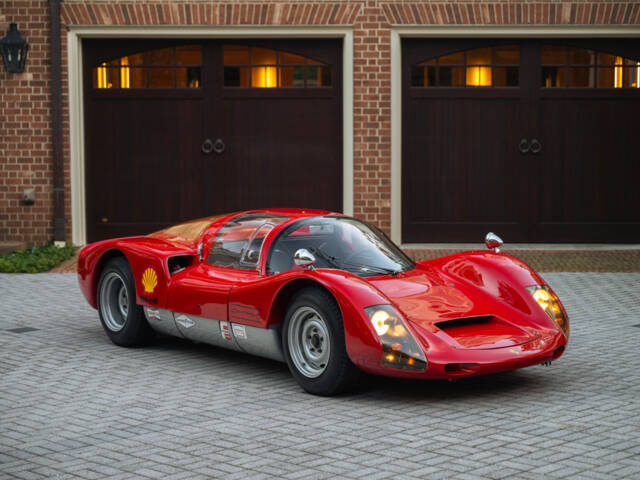
1966 | Porsche Carrera 6
1966 Porsche 906 Carrera 6

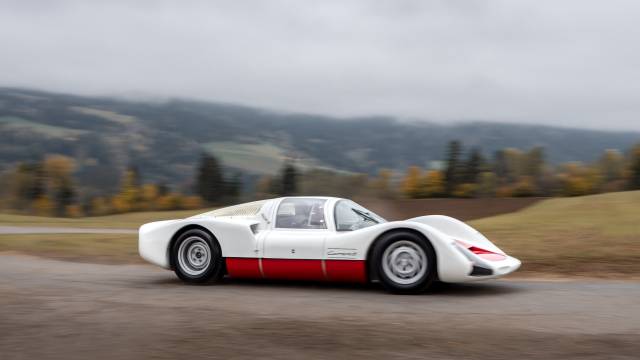
1966 | Porsche Carrera 6
Europameisterschaft Gewinner 1967 +++ getyourclassic.com +++

Create search alert
Let yourself be notified as soon as a listing is published that matches your search filters.
Create listing
Do you have a Porsche 906 that you want to sell? Then create a listing now.
Create listingPorsche 906 Classic Cars: Prices & Market Values
History of the Porsche 906
Unveiled in January 1966, the Porsche 906 (Carrera 6) was developed to conquer the World Sportscar Championship and build upon the legacy of its predecessor, the Porsche 904 GTS. The engineering team, led closely by Ferdinand Piëch, pushed boundaries with aluminium lightweight construction and a multi-tubular spaceframe chassis, delivering remarkable rigidity and agility. The glass-fibre reinforced plastic (GFK) bodywork resulted in a featherweight machine—about 560 kg dry—allowing the 2.0-litre flat-six engine to show its full potential. Meeting FIA Group 4 homologation, the 906 could be driven legally on public roads and required luggage space and a spare wheel. Out of 65 units produced, most were delivered to private racing teams, contributing to Porsche's racing dominance in the late 1960s.
Model History
The Porsche 906 followed the Porsche 904 and was itself succeeded by models such as the 910 and 907, all integral to Porsche's prototype racing era. As the first racing car developed from the Porsche 911 road car's DNA, the 906 set a new benchmark for combining road and race engineering. Most Carrera 6s featured the 2.0-litre flat-six engine, while a select few factory team cars received a more powerful eight-cylinder engine. From 1966, the 906 achieved international recognition with major victories, notably at the Targa Florio and a class win at Le Mans. Its engineering advancements later evolved into the Porsche Group 6 racers, solidifying Porsche’s reputation for innovation in motorsport.
Highlights of the Porsche 906
The Porsche 906 distinguishes itself with its tubular frame and moulded GFK bodywork, which provided an extraordinary power-to-weight ratio for its era. Recognisable for its pronounced side openings and ergonomic accommodation for drivers, the 906 excelled in FIA endurance and road races. Noteworthy wins in 1966 included the Targa Florio as well as Daytona, Sebring, Spa, Monza and a strong Le Mans performance. The 906 remained competitive in privateer hands through 1968, making it the last Porsche racing car homologated for street use. Originality is underscored by features such as the original Carrera 6 engine with twin ignition, factory frame, and authentic fittings. Documentation such as original Porsche factory records and FIA Historic Technical Passports often accompany surviving cars.
Technical Data
Special Editions and Collectible Models
Among the 65 Porsche 906 units produced, 52 were fitted with the 2.0-litre flat-six, while select works cars received factory-installed eight-cylinder engines rated at 270 hp, reserved for Porsche’s own team. Some racers have been thoroughly restored or reconstructed by specialists like Patrick Motorsports, who in 2011 revived three original models, reinforcing and modernising suspension and using cutting-edge materials for the glasshouse. Strict adherence to original factory plans and replacement parts ensures the ongoing legacy of the rarest examples.
Engine and Performance, Transmission and Handling
The 2.0-litre flat-six engine ensures lively throttle response and reliability, crucial for endurance racing. With roughly 220 hp and a dry weight near 560 kg, the 906 offers exceptional agility and balance, allowing high speeds through corners and rapid acceleration. The advanced tubular frame, light GFK body, and improved suspension system combine to offer precise feedback on both track and public road. The five-speed manual transmission complements the athletic driving dynamics.
The racing version equipped with the eight-cylinder engine pushed performance further, exclusively used by factory teams to challenge for overall victories. - 906 Carrera 6 with 2.0-litre flat-six: 210–220 hp, lightweight (560–580 kg), extensive endurance race victories.
- Special 8-cylinder works cars: up to 270 hp, restricted to official Porsche teams for marquee endurance events.
Interior, Comfort, Exterior and Design
The Porsche 906 stands out for its functional yet distinctive design. The glass fibre body, shaped with racing aerodynamics in mind, integrates large side cutaways for easy cockpit access and better visibility. The rear window is cleverly isolated, showing the emphasis on utility for racing. Original components like the tubular frame, dual-ignition engines, genuine wheel units, and GFK body panels are highly valued among restorers. Factory literature and FIA documentation mark the cars with uninterrupted provenance. Interiors are minimal yet built to withstand long endurance events, focusing on ergonomics and driver feedback. Period-accessories can include extra gauges, original race harnesses and spare wheel covers, and select cars remain equipped for street use.
Summary
With only 65 units built, the Porsche 906 (Carrera 6) occupies a rare position as a road-legal, highly competitive racing machine designed for endurance and FIA homologation. Recognised for dominance in world championships, advanced lightweight engineering, and a deep connection to both road and racing heritage, the 906 continues to be a reference point for enthusiasts and collectors seeking authenticity, performance, and uniqueness from the Porsche name.