Peugeot 402 Classic Cars for Sale
The Peugeot 402, produced between 1935 and 1942 in Sochaux, is renowned for its advanced streamlined design and versatile range of body styles. Notable are its technically innovative details, acclaimed Art Deco aesthetics, and special editions stemming from motorsport roots.
Search results
Currently, there are no matching listings for your search.
Create search alert
Let yourself be notified as soon as a listing is published that matches your search filters.
Create listing
Do you have a Peugeot 402 that you want to sell? Then create a listing now.
Create listingPeugeot 402 listing references from Classic Trader
Below you will find listings related to your search that are no longer available on Classic Trader. Use this information to gain insight into availability, value trends, and current pricing for a "Peugeot 402" to make a more informed purchasing decision.
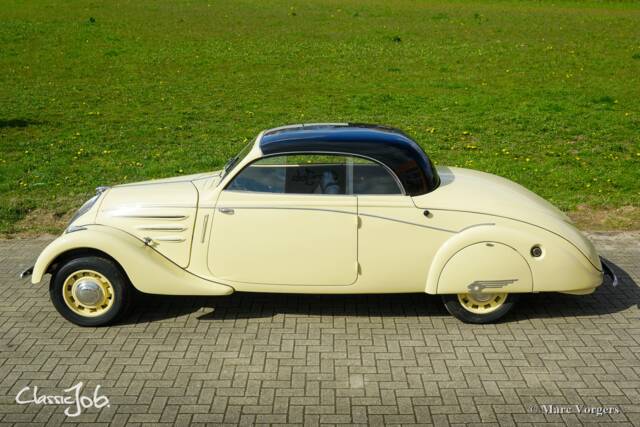
1935 | Peugeot 402 Eclipse
Peugeot 402 L Eclipse
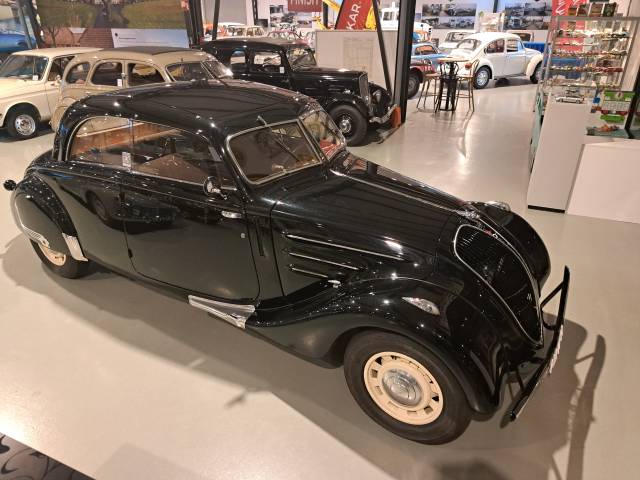
1939 | Peugeot 402 B
Coach (only 2.280 built)
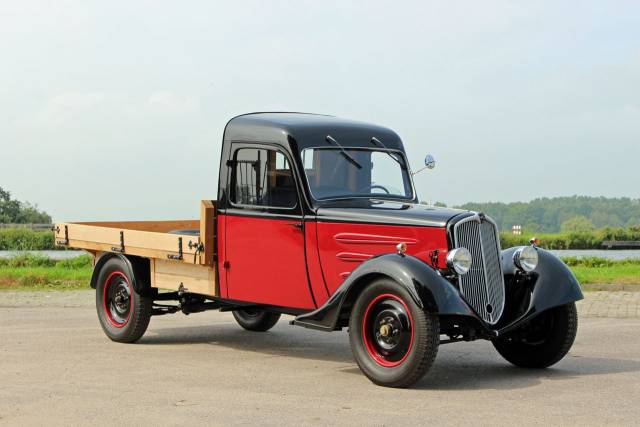
1936 | Peugeot 402
Peugeot MK4 U4C Chassis cabine
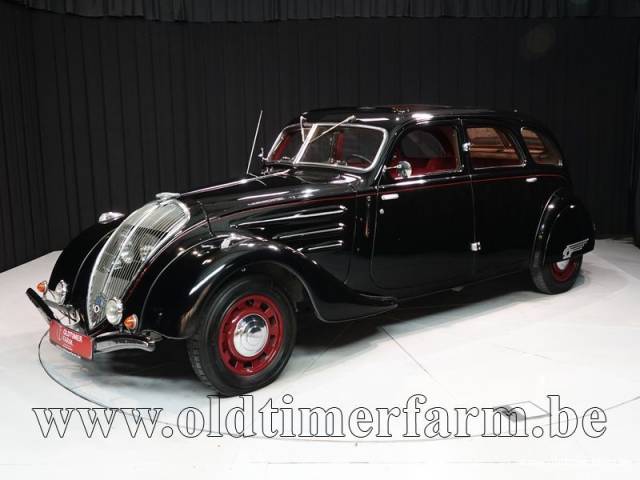
1938 | Peugeot 402 B
1938 Peugeot 402B Cottal '38

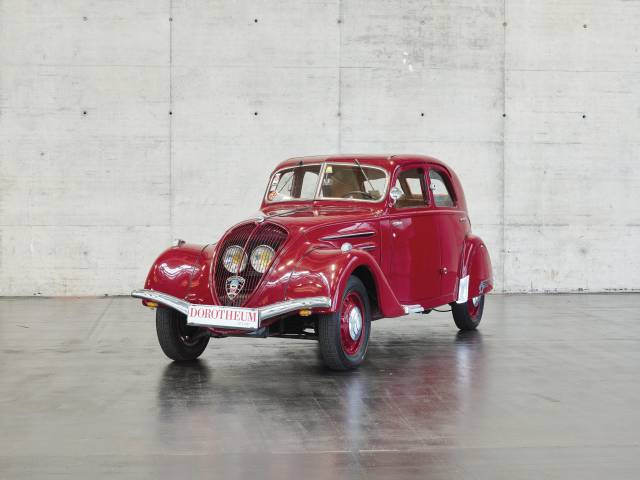
1937 | Peugeot 402 E légère
1937 Peugeot 402

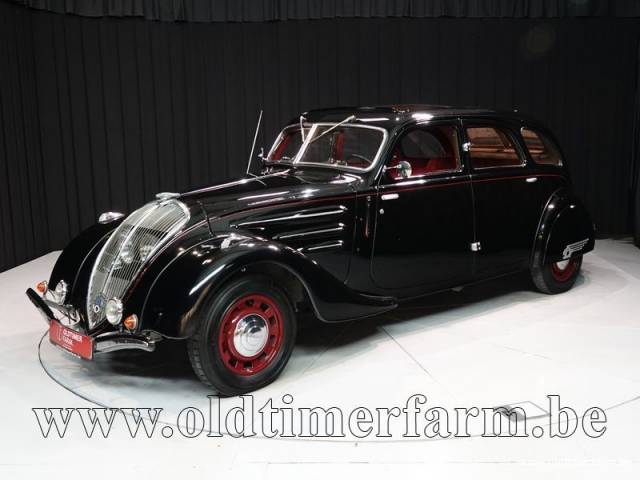
1938 | Peugeot 402 B
1938 Peugeot 402B Cottal '38
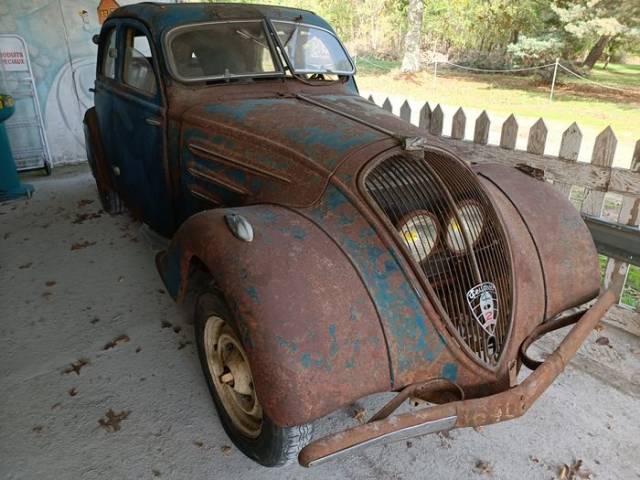
1938 | Peugeot 402
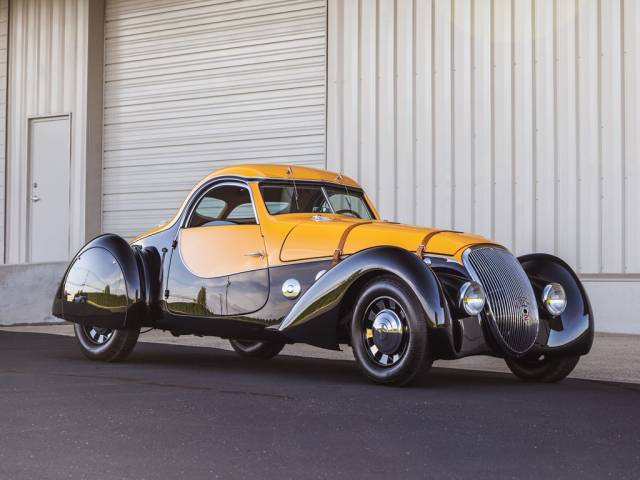
1938 | Peugeot 402 Darl'mat
1938 Peugeot 402 Darl’mat Special Coupe by Pourtout

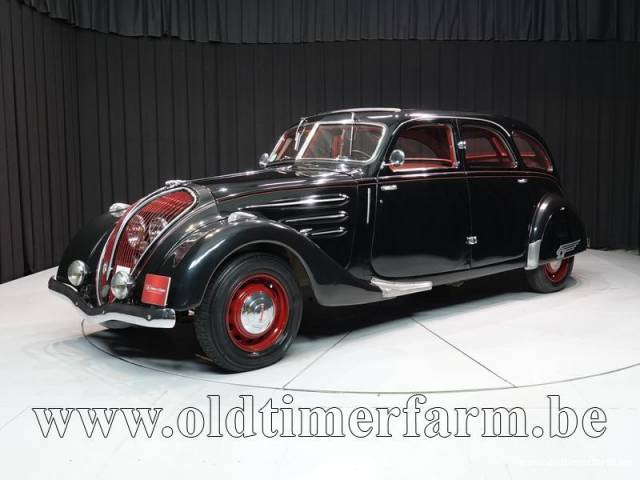
1939 | Peugeot 402 B
1939 Peugeot 402 B '39
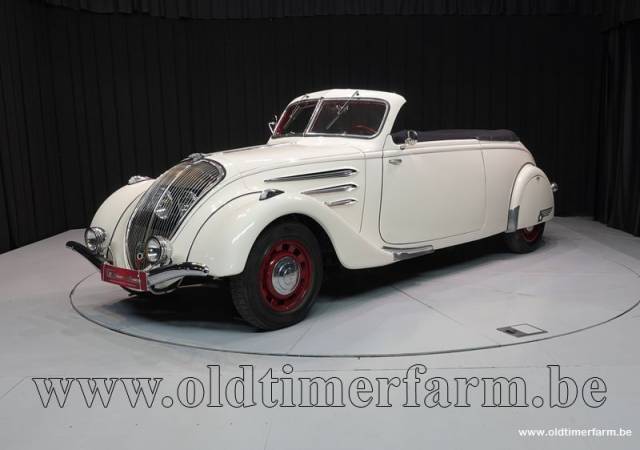
1936 | Peugeot 402
1936 Peugeot 402 Cabriolet '36
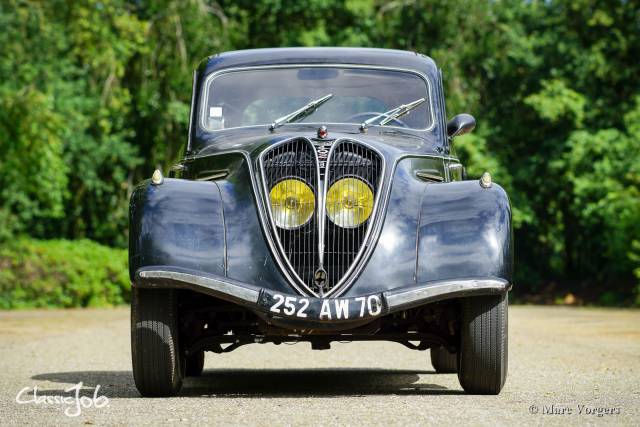
1938 | Peugeot 402 B
Legere
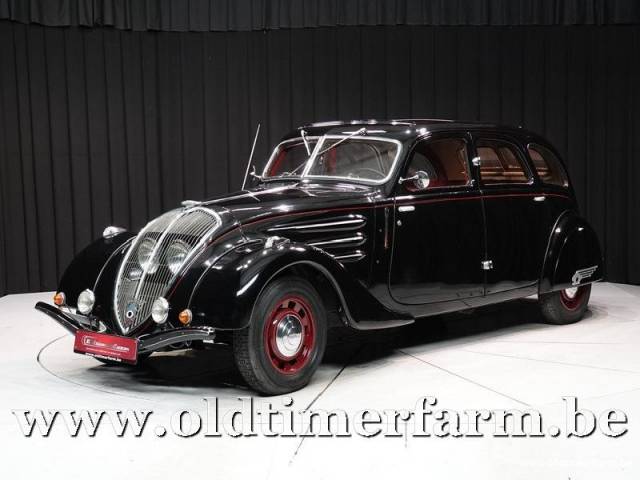
1938 | Peugeot 402
1938 Peugeot 402 '38
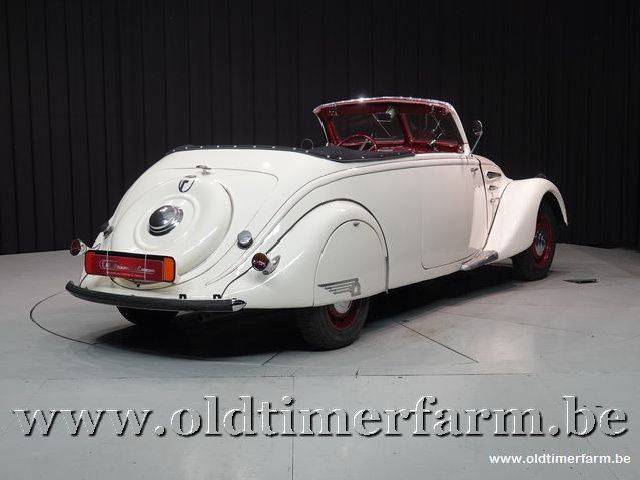
1936 | Peugeot 402
1936 Peugeot 402 Cabriolet '36
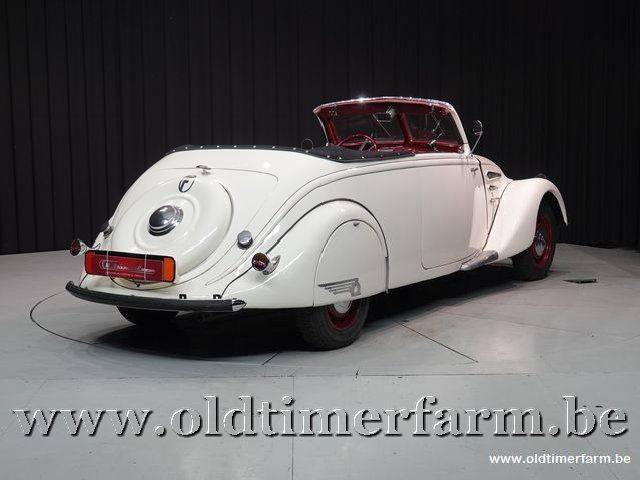
1936 | Peugeot 402
1936 Peugeot 402 Cabriolet '36
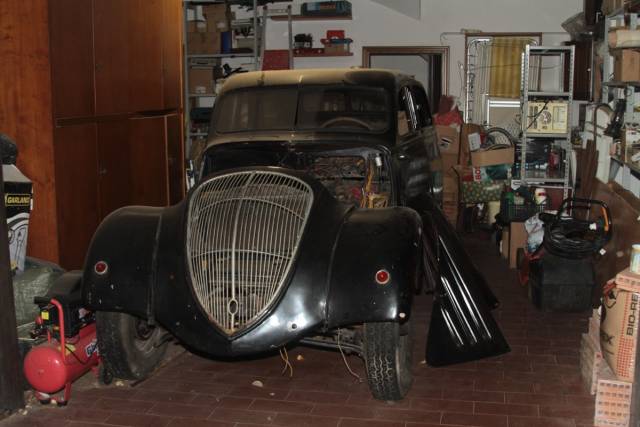
1937 | Peugeot 402
Auto da restaurare
Create search alert
Let yourself be notified as soon as a listing is published that matches your search filters.
Create listing
Do you have a Peugeot 402 that you want to sell? Then create a listing now.
Create listingPeugeot 402 Classic Cars: Prices & Market Values
History of the Peugeot 402
The Peugeot 402 made its debut at the 1935 Paris Motor Show, replacing the Peugeot 401. Manufactured in Sochaux from 1935 to 1942, the model was conceived for high sales volumes but positioned at the upper end of the mass-market segment. The vehicle is notable for its 'Fuseau Sochaux' (Sochaux spindle) nickname in France, reflecting its flowing, aerodynamic bodywork. Its streamlined silhouette was heavily influenced by contemporary trends and comparable to the American Chrysler Airflow, marking a significant step in European automotive design. Peugeot was among the pioneers of large-scale production streamlining, with the 402 setting the tone for subsequent French car styling. The car's technical standard innovations—such as two electric windscreen wipers and column indicators—demonstrated Peugeot's focus on comfort and modernity for its era.
Model History
The Peugeot 402’s lineage began by superseding the Peugeot 401 and offered various bodystyles: saloon, roadster, cabriolet, and coupé. From 1938, Peugeot introduced the 402 Légère, a shorter yet wider variant, which became the foundation for further high-performance and coachbuilt derivatives. Specialist coachbuilders such as Marcel Pourtout contributed particularly elegant versions, while the Darl’mat special editions drew attention due to their unique racing pedigree and advanced aluminium bodies. The Darl’mat Specials, built on both the 302 and 402 chassis, achieved notable motorsport success at events like Le Mans, reinforcing the sporting ambitions of the marque during that era.
Highlights and Unique Features
One of the most striking aspects of the Peugeot 402 is its distinctive sloping grille set back between the headlights, which was ahead of its time in the 1930s. The 402’s body was a direct embodiment of French streamlining philosophies, earning it cultural status and technical admiration. Series features included dual electric wipers, trafficators, an integrated dashboard clock, and practical innovations like a switchable fuel tank reserve. The 402B brought technical advancements, such as a larger 2142 cc engine and enhanced luggage space, with the spare wheel now housed within the boot. Darl’mat versions, with their teardrop fenders and pronounced Art Deco touches, showcased a particularly French form of luxury and sporting intent.
Technical Data
Special Editions and Collectible Models
The most sought-after special editions of the 402 were the Darl’mat models, based on the 402 and 302 underpinnings. Approximately 105 Darl’mat vehicles were crafted, split between 53 roadsters, 32 cabriolets, and 20 coupés, with six of the coupés based on the 402 Légère chassis. These featured streamlined aluminium bodies and racing tweaks, achieving remarkable results at Le Mans (including a fifth overall, and first in the 2-litre class in 1938) and showcasing French Art-Deco design at its peak. Models built by Marcel Pourtout and other Parisian coachbuilders also stand out for their bespoke craftsmanship and rare body configurations.
Engine, Performance, Transmission and Handling
With its four-cylinder engine (1991 cc for early models, 2142 cc for the 402B), the Peugeot 402 delivered up to 63 hp—impressive for a large 1930s saloon. Rear-wheel drive and a manual gearbox enabled prompt power delivery, while the long wheelbase and relatively low height contributed to stable handling at the time. The streamlined body not only enhanced aesthetics but also benefited high-speed cruising ability, a critical asset on the growing French autoroute network of the late 1930s. The motorsport-bred Darl’mat Specials, built for competition, were lighter, lower, and even more dynamically capable, as proven in their strong Le Mans finishes. - Peugeot 402B (2142 cc, 63 hp, extended boot, improved performance)
- Peugeot 402 Légère (shorter/wider chassis, basis for Darl’mat)
- Pourtout-bodied coupé/cabriolet (bespoke design and detailing)
- Darl’mat Special Roadsters and Coupés (racing heritage, aluminium bodywork)
Interior, Comfort, Exterior and Design
Georges Paulin, renowned for his innovative automotive design, shaped the 402’s distinct form. The vehicle features deeply set headlights behind the grille—a trait soon imitated by several manufacturers. The car’s silhouette, emphasised by fluid lines and integrated wings, mirrored the ambitious streamlining ideals prevalent in interwar France. High-level original specification included two sun visors, trafficators, and functional accessories like an instrument panel clock. In Darl’mat variants, materials like aluminium, elaborate chrome accents, and two-part rear windscreens underpinned a luxurious, performance-oriented ethos. Art Deco influences are evident in both exterior and interior details, with frequent appearances at Concours d’Elegance underscoring the visual and cultural impact of the design.
Other Noteworthy Features
402 models frequently received bespoke finishes or modifications by prominent French carrossiers, expanding the range of available trim and body styles. Luggage space improvements on later versions made the vehicle more suitable for longer journeys. The vehicle’s adaptability (from family saloons to competition roadsters) makes it a significant artefact of European automotive ingenuity during the pre-war years.
Summary
The Peugeot 402 stands as a benchmark of 1930s French engineering, melding aerodynamic innovation, practical family transport, and motorsport-derived exclusivity. Its prevalence among Peugeot classics today confirms both its impact at launch and continuing appeal for collectors and enthusiasts alike.