Peugeot 206 classic cars for sale
The Peugeot 206 stands out in the compact car segment with an agile chassis, distinctive design, and a wide choice of body styles, making it a French classic from the late 1990s and early 2000s. On Classic Trader, you’ll find numerous well-maintained examples from different series, with strong supply and demand shown in our database. Enthusiasts appreciate its mechanical simplicity, reliable front-wheel drive, and practical everyday use.
Search results
Currently, there are no matching listings for your search.
Create search alert
Let yourself be notified as soon as a listing is published that matches your search filters.
Create listing
Do you have a Peugeot 206 that you want to sell? Then create a listing now.
Create listingPeugeot 206 listing references from Classic Trader
Below you will find listings related to your search that are no longer available on Classic Trader. Use this information to gain insight into availability, value trends, and current pricing for a "Peugeot 206" to make a more informed purchasing decision.
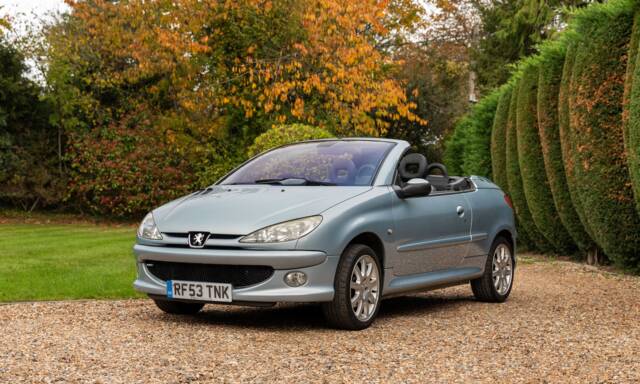
2003 | Peugeot 206 CC 1.6 16V
2003 Peugeot 206 Allure

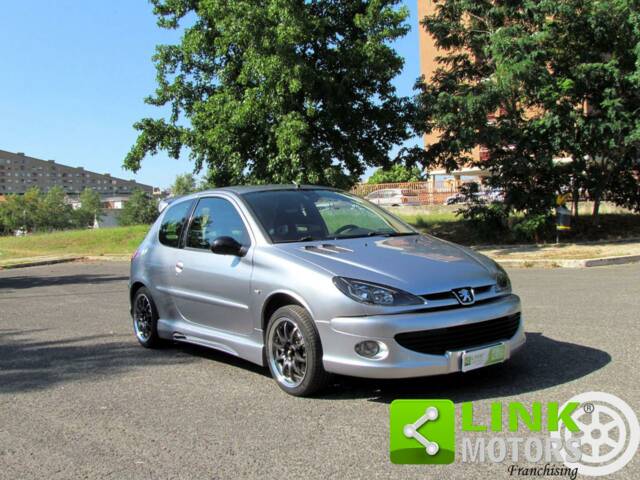
2000 | Peugeot 206 2.0
PEUGEOT 206 2.0 16V 3p. GT

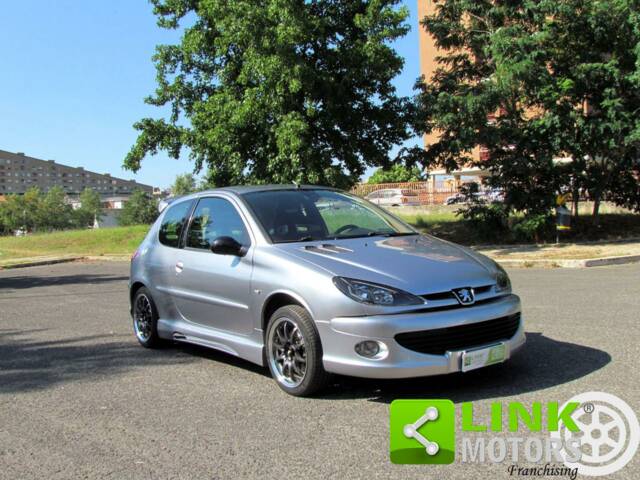
2000 | Peugeot 206 2.0
PEUGEOT 206 2.0 16V 3p. GT
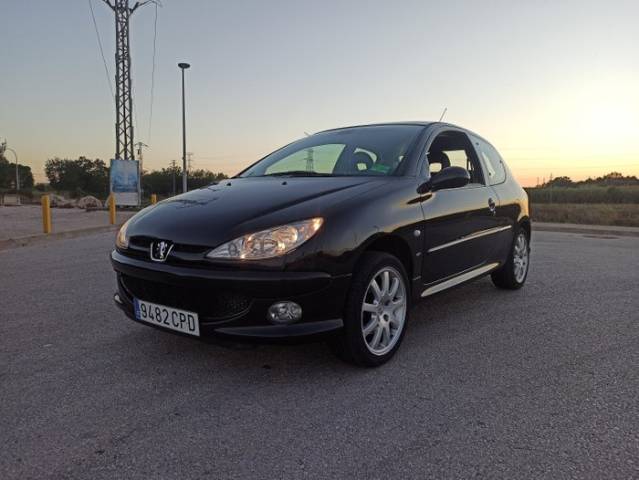
2003 | Peugeot 206 GTI 2.0 16v
Peugeot - 206 GTI - NO RESERVE - 2003

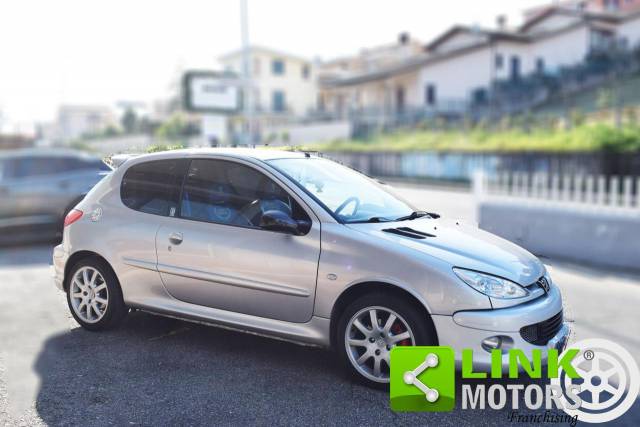
1999 | Peugeot 206 2.0
PEUGEOT 206 2.0 16V 3p. GT WRC
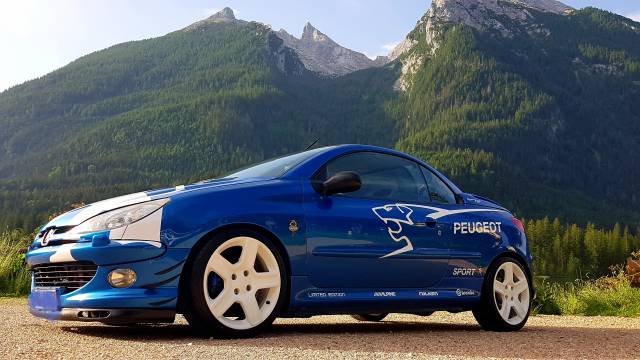
2002 | Peugeot 206 CC 2.0 16V S16
Peugeot 206 CC S16, mit TÜV, RC Sportsitze Alcantara!

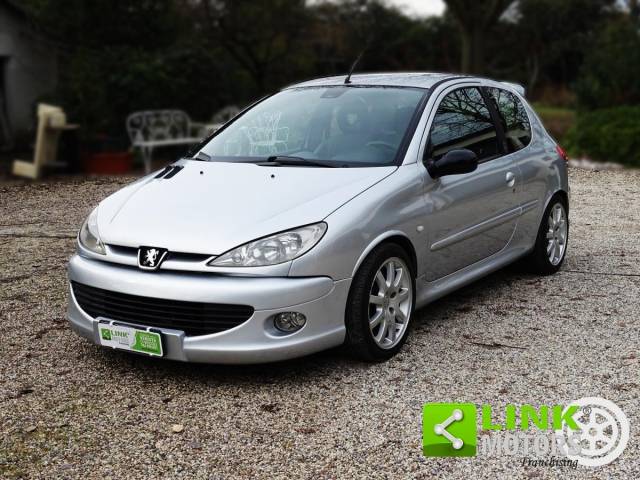
1999 | Peugeot 206 2.0
PEUGEOT - 206 - GT WRC NUMERATA
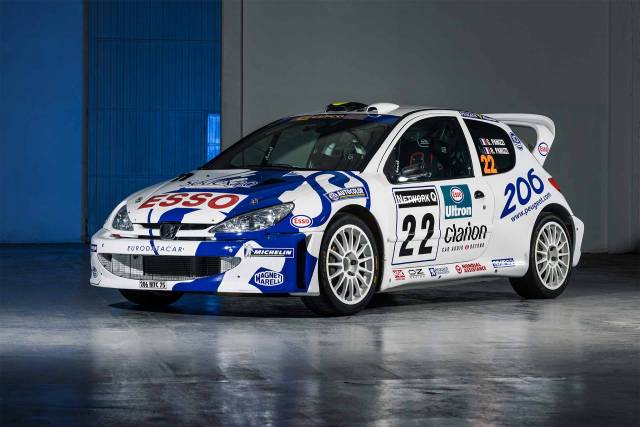
1999 | Peugeot 206 2.0
A Works Peugeot Esso World Rally Team entrant in the 1999 World Rally Champion
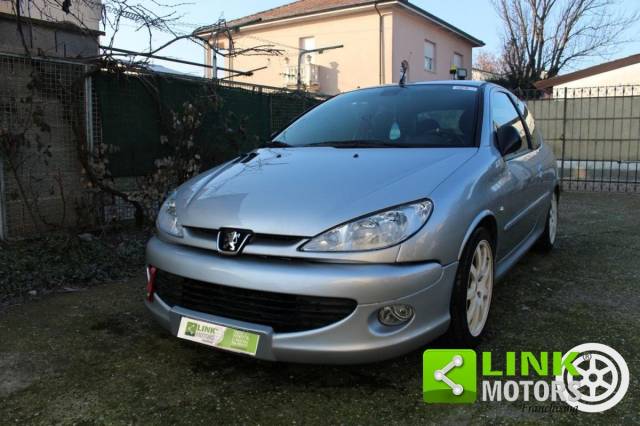
2000 | Peugeot 206 2.0
PEUGEOT - 206 - 16V 3p. GT
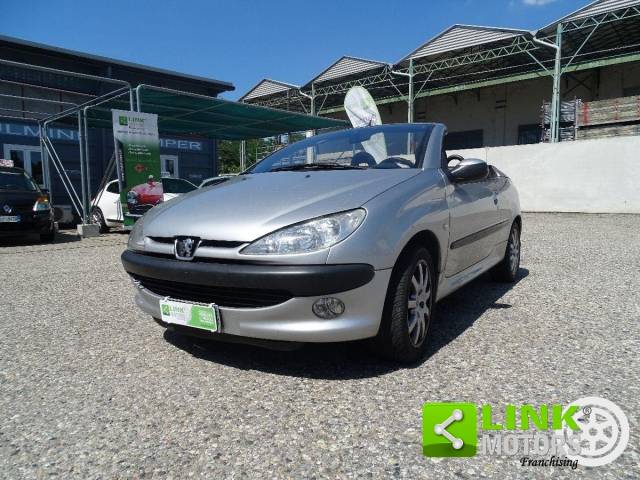
2001 | Peugeot 206 CC 1.6 16V
PEUGEOT - 206 - 16V CC
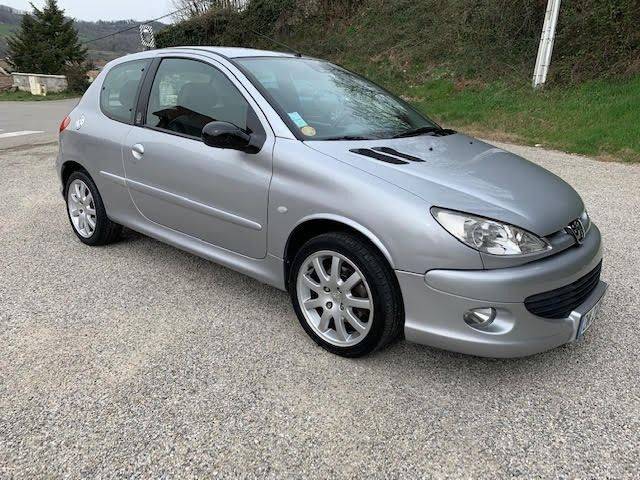
1999 | Peugeot 206 2.0
Create search alert
Let yourself be notified as soon as a listing is published that matches your search filters.
Create listing
Do you have a Peugeot 206 that you want to sell? Then create a listing now.
Create listingPeugeot 206 Classic Cars: Prices & Market Values
History of the Peugeot 206
Unveiled in 1998, the Peugeot 206 quickly replaced the 205, introducing a refreshed, more modern design into the European B-segment. Born under the T1 codename, the 206 arrived first as a three- or five-door hatchback, with the coupé cabriolet following in 2000, the practical station wagon in 2001, and a four-door sedan by 2005. Its production continued until the arrival of the 207 in April 2006, but the 206 continued to find popularity in many markets, especially for drivers seeking a blend of French flair and urban versatility.
Model History
The 206’s lineage began as a strategic successor to the wildly successful Peugeot 205. The model series is defined by several major phases: initial launch (1998-2003), mid-life updates (2002-2007), and a late production run (2007-2008). The 206 outlasted its expected lifespan due to high demand, especially for practical variants like the SW (station wagon) and the coupé cabriolet (CC). Its successor, the 207, inherited many design cues but aimed at a more upmarket segment.
Highlights and Unique Features
The Peugeot 206 was known for its dynamic driving characteristics, thanks to a finely tuned chassis and direct steering. It offered a remarkable variety of body styles: hatchback, coupé cabriolet (CC), station wagon (SW), and sedan. Its low kerb weight (925–1,115 kg) provided lively performance in city traffic. The 206 holds a significant spot in classic car supply and demand:
Technical Data
Special Editions and Collectible Models
The 206 CC (coupé cabriolet) brought hardtop convertible technology to a broader market, while limited series like the Roland Garros and Quiksilver stood out with unique trim, special colours, and branded options. Performance-oriented trims, such as the GTi and RC, offered more powerful engines and sportier chassis tuning, appealing to enthusiasts looking for a true driver’s car experience.
Weak Spots and Common Issues
Common issues for the Peugeot 206 include wear on the suspension, particularly bushings and anti-roll bar links due to typical city use. Electrical gremlins, especially in the dashboard and central locking system, are not uncommon as the vehicles age. Corrosion can occur, especially on earlier models and in wheel arches. Regular inspection of the timing belt, brakes, and cooling system is essential for reliable operation. Checking for leaks in the roof mechanisms is crucial for the CC models.
Engine, Performance, Transmission and Handling
The heartbeat of the Peugeot 206 is its front-wheel drive layout and responsive 5-speed manual transmission. The modest weight coupled with 120 Nm or 147 Nm of torque generates nimble dynamics and reliable handling in curves. Depending on the chosen drivetrain, drivers could see acceleration times from 0–100 km/h ranging from 10.6 to 12.2 seconds and achieve top speeds from 170 km/h to 193 km/h. Fuel economy is also a highlight, with official averages between 6.3 and 7 l/100 km depending on the engine variant. Enthusiasts often favour the 206 GTi and RC for their stronger output and a chassis set up for sportier drive. - 206 GTi: 2.0-litre engine, 180+ hp (RC version), sharpened handling.
- 206 CC: Retractable hardtop, ideal for enthusiasts wanting open-air driving.
- 206 SW: Larger boot for practical needs, yet retaining agile handling.
Interior, Comfort, Exterior and Design
Styled by Peugeot’s in-house design team, the 206 introduced sweeping lines and a high rear end, setting a new tone in the B-segment. Interiors feature practical layouts, with options including sport seats, digital climate control, and leather trim in higher-spec models. Special editions boasted unique colour schemes—such as metallic greens for Roland Garros or branded upholstery for Quiksilver models. Equipment could include alloy wheels, panoramic sunroof, and proprietary Peugeot sound systems. Accessories covered everything from roof racks to distinctive body kits, catering to individual tastes. The clear headlight glass and sculpted rear lights gave it a recognisable on-road presence.
Other Features
The modularity of the 206, from everyday hatchback to convertible coupé cabriolet, set it apart in its class. Options like split-folding rear seats maximised boot space for daily usability. Specific models allowed for tow hooks and increased luggage capacity. The sedan version, less common in western Europe, found appreciation in international markets where traditional saloons had strong demand.
Summary
On Classic Trader, the Peugeot 206 offers broad variety, with strong supply and near-total share of listings and demand, making it a favourite among classic Peugeot enthusiasts. Whether buyers seek the practicality of a SW, the relaxed drive of a hatchback, or the dynamic feel of a GTi, the 206 series covers all bases in a French compact with a clear footprint in automotive history.