Packard Single Six classic cars for sale
The Packard Single Six stands as a testament to American automotive luxury of the early 1920s. This vehicle series, with its six-cylinder engine, defined its era with reliability, elegance, and technical finesse. Explore available models for a deep dive into automotive craftsmanship.
Search results
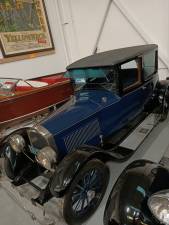
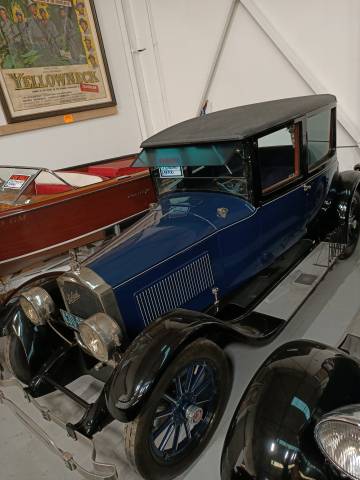
1923 | Packard Single Six
1923 Packard 'Doctor's' Coupe

Packard Single Six listing references from Classic Trader
Below you will find listings related to your search that are no longer available on Classic Trader. Use this information to gain insight into availability, value trends, and current pricing for a "Packard Single Six" to make a more informed purchasing decision.
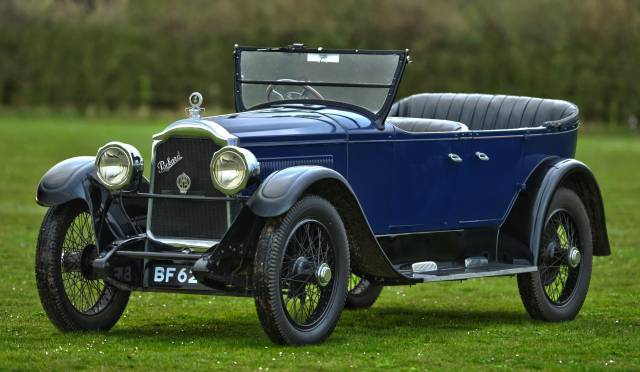
1922 | Packard Single Six
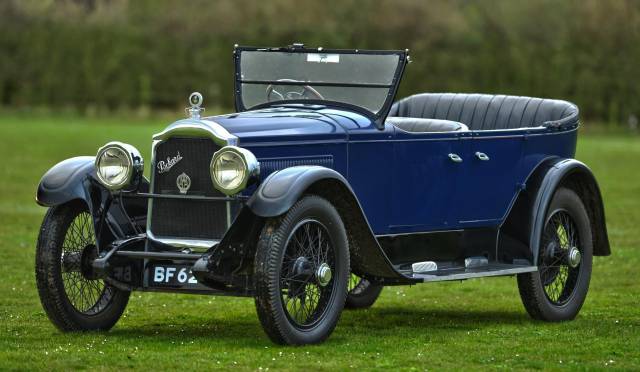
1922 | Packard Single Six
Packard Single Six Classic Cars: Prices & Market Values
History of the Packard Single Six
Packard introduced the Single Six in 1920, aiming to broaden its customer base beyond the eight-cylinder models for which the brand was renowned. The Single Six was developed to provide the high standards of comfort and engineering typically associated with Packard, but at a lower cost. This model quickly gained a reputation in North America and abroad for its robust handling, durable drivetrain, and refined appearance, marking Packard as a leader in early 20th-century prestige automobiles. Key to the Single Six's historical role was its ability to bridge the technological gap between pre-war simplicity and the increasing complexity of 1920s motoring.
Model History: Packard Single Six
The Packard Single Six debuted for the 1921 model year and was produced through 1928, at which point it was succeeded by the Six (or Junior Six). The original Single Six replaced the earlier Twin Six, which had a V12. The Single Six simplified Packard's lineup and established a template for refined, reliable luxury vehicles. Over its production run, the Single Six underwent several minor technical revisions but retained its signature six-cylinder L-head engine. It was eventually replaced by more advanced models as market demands shifted towards more powerful and technologically complex vehicles.
Highlights of the Packard Single Six
The defining features of the Single Six include its smooth-running inline six-cylinder engine, advanced braking for the era, and bespoke bodywork from prestigious coachbuilders. Packard's reputation for build quality and engineering excellence is especially apparent in the Single Six, as it was both more affordable and approachable than the marque's larger luxury offerings while retaining high standards of detail and comfort.
Technical data
Special Editions and Collectible Models
Certain coachbuilt versions of the Single Six, especially those with custom bodies by European or North American specialists, are considered particularly desirable due to their unique features and craftsmanship. Some models featured enhanced trim, special bodywork, or rare options, but production numbers for such editions remain very limited.
Weak Spots and Common Issues
Information on specific weaknesses of the Single Six is limited, but as with most vehicles of this vintage, buyers should pay close attention to the state of the wooden body frames, the integrity of the mechanical brakes, and the correct functioning of the inline-six engine. Age-related wear in the electrical system and corrosion on the chassis are typical concerns. Maintenance requires attention to lubrication points and period-correct mechanical systems.
Engine and Performance, Transmission and Handling
The Packard Single Six's L-head inline six engine provided smooth, reliable power delivery, ideal for touring. While performance was modest by contemporary standards—most cars could cruise comfortably at 45–55 mph—its torque and mechanical refinement made it stand out in a period when such traits were rare. The mechanical brakes required some effort but were advanced for their era, and ride comfort was supported by long leaf springs. Notable configurations include the Packard Single Six Touring, Roadster, and Sedan models. Each offered variations in bodywork, seating capacity, and luxury features, making them the preferred choice for buyers seeking period-correct Packard luxury with mechanical simplicity.
Interior, Comfort, Exterior, and Design
Packard Single Six models are distinguished by their stately proportions, vertical radiator grilles, and elegant, flowing fenders. Interiors were typically upholstered in fine wool or leather, with wood detailing on the dashboard and doors. Some high-end coachbuilt bodies boasted custom upholstery, etched glass, or unique body accessories. The dashboard instrumentation was precise, and exterior design elements like the Packard mascot, distinctive radiator cap, and two-tone paint schemes contributed to the platform’s upmarket appeal.
Other relevant features
The modular chassis of the Single Six could be customised extensively, leading to great diversity in surviving examples. Options included auxiliary lighting, luggage racks, wire wheels, and in some cases, side-mounted spares or bespoke badging. Factory and aftermarket upgrades may be present on individual cars, adding further historical intrigue.
Summary
The Packard Single Six combines robust pre-war engineering with the craftsmanship and road presence demanded by discerning buyers of its time. As the only Packard model currently represented in our listings, it stands as the benchmark for classic American luxury, appealing equally to collectors and historic motoring enthusiasts seeking authenticity and tradition in a classic car.