Packard Six Classic Cars for Sale
The Packard Six stands for American luxury and robust engineering from 1913 to 1947. Known for its variety of body styles—including rare coupes and right- or left-hand drive options—the Packard Six features a straight-six engine and high-quality craftsmanship. These vehicles are often found in original or partially restored condition, retaining authentic documentation and accessories.
Search results
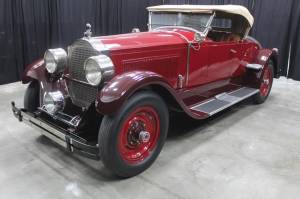
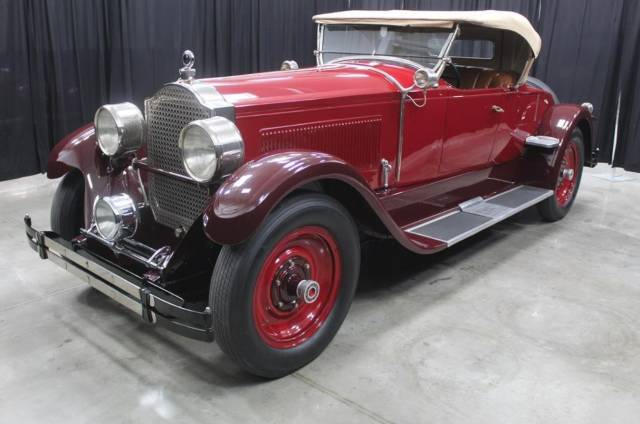
1926 | Packard Six
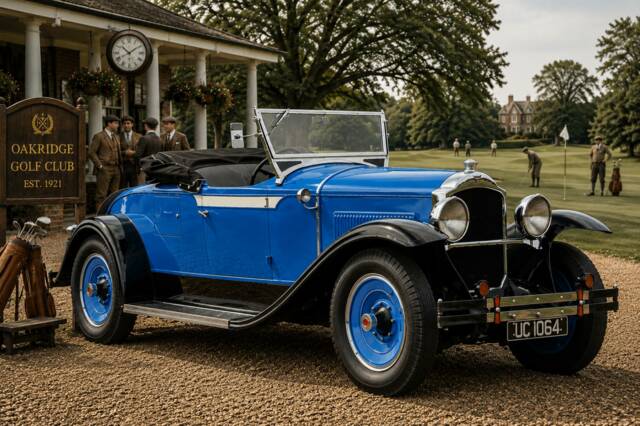
1926 Packard 236 V8 Roadster

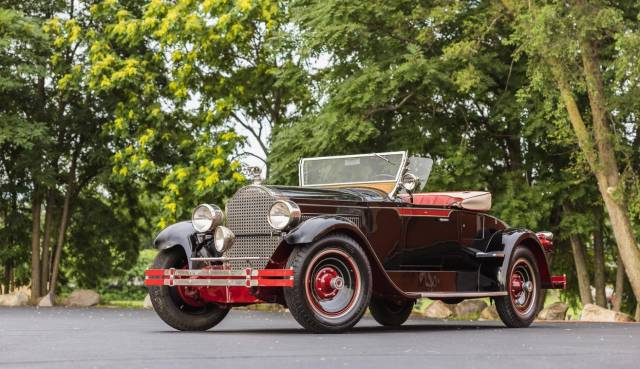
1928 | Packard Six Model 526
1928 Packard Series 526 Convertible Coupe
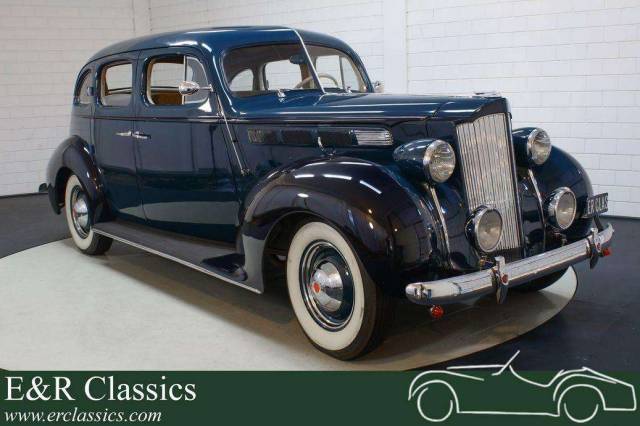
1938 | Packard Six
Oldtimer Packard Six | Gerestaureerd| Zeer goede staat| Two-tone| 1

Newsletter
The best Packard listings, straight to your inbox
Get hand-picked Packard listings, plus the best of cars, motorbikes, and auctions on Classic Trader — all in one place.
Packard Six listing references from Classic Trader
Below you will find listings related to your search that are no longer available on Classic Trader. Use this information to gain insight into availability, value trends, and current pricing for a "Packard Six" to make a more informed purchasing decision.
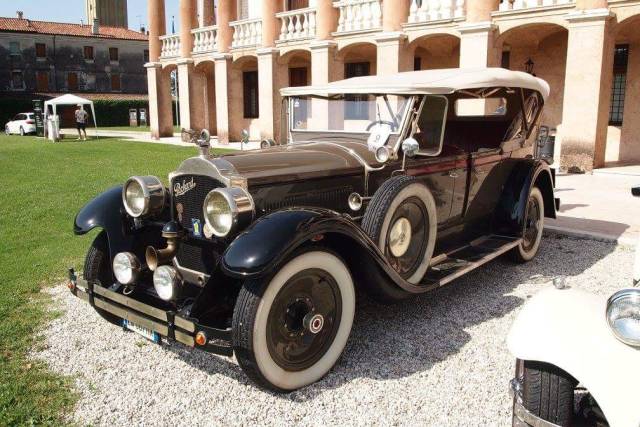
1927 | Packard Six
PACKARD TORPEDO 1927

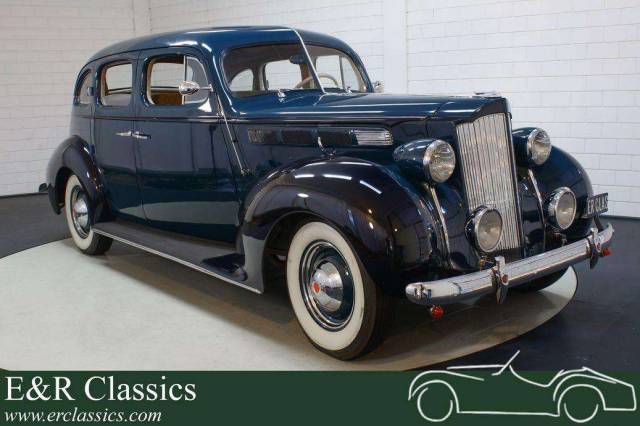
1938 | Packard Six
Oldtimer Packard Six | Gerestaureerd | Zeer goede staat | 1938
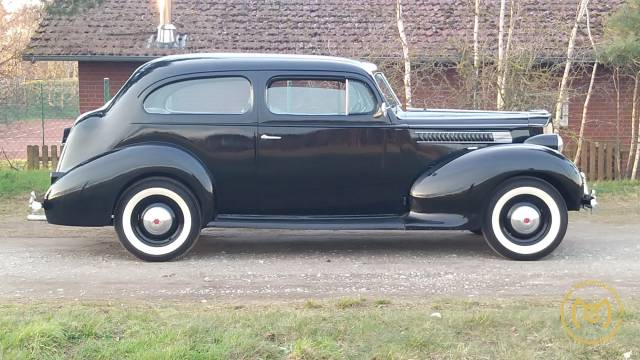
1939 | Packard Six
Extrem seltener 2 Door Touring, Vollrestaurierung, Motorrevision, 6 Zylinder

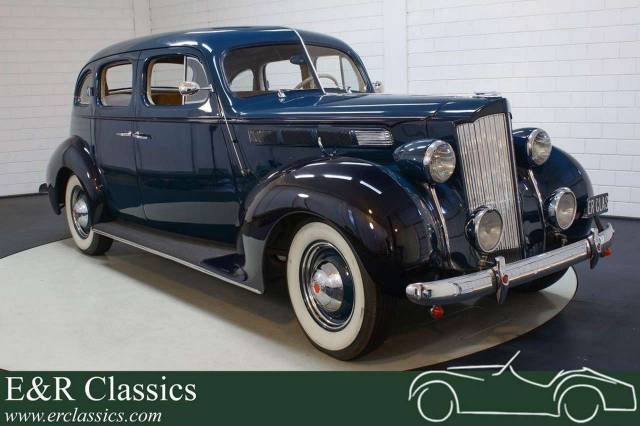
1938 | Packard Six
Oldtimer Packard Six | Gerestaureerd | Zeer goede staat | 1938
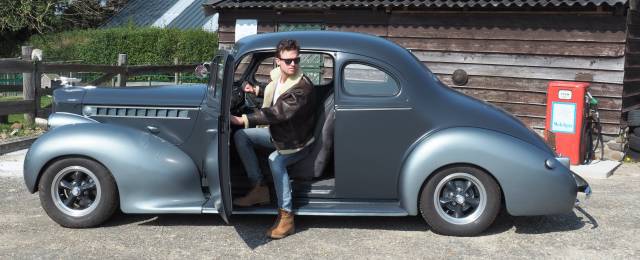
1939 | Packard Six
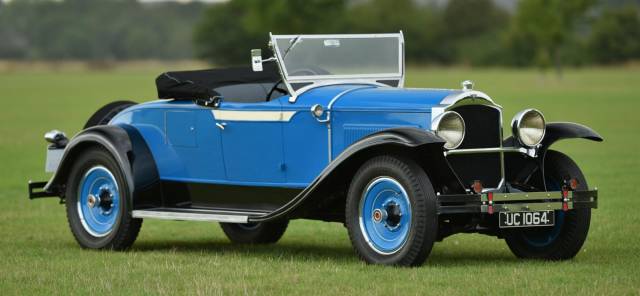
1928 | Packard 5-33 Runabout
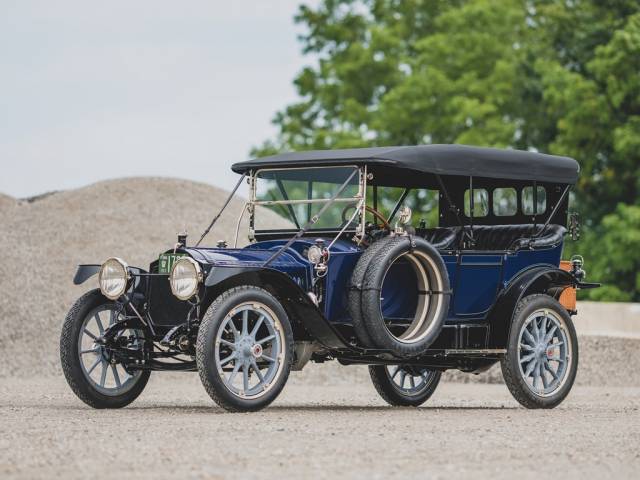
1913 | Packard 1-38
1913 Packard Model 1-38 Five-Passenger Phaeton
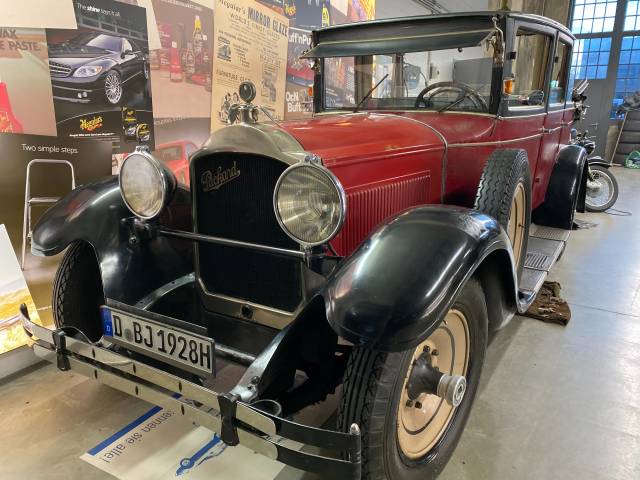
1928 | Packard Six Model 443
Landaulet - umrestaurierter Originalzustand-H Kennzeichen-deutsche Ausführung-
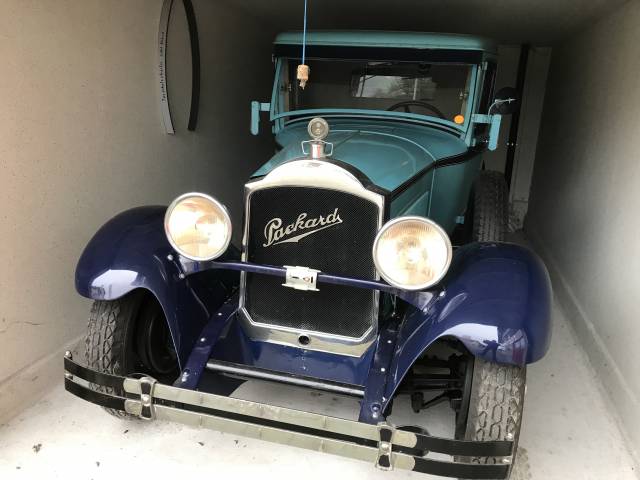
1928 | Packard 5-33 Runabout

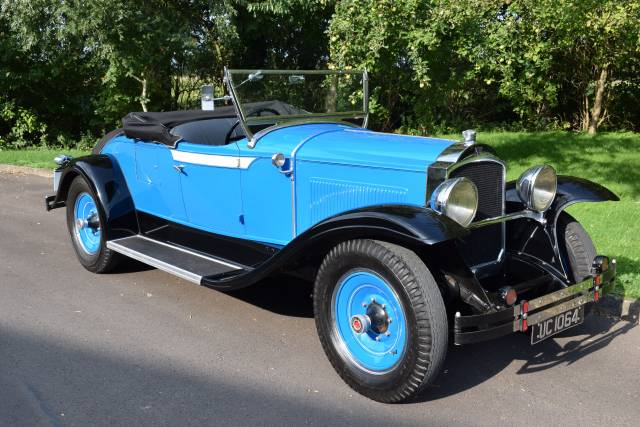
1928 | Packard 5-33 Runabout
A superb example of a genuine UK supplied right-hand drive Packard 533
Packard Six Classic Cars: Prices & Market Values
History of the Packard Six
First introduced in 1913, the Packard Six marked Packard’s entry into the six-cylinder luxury car market, it was built through to 1947. Initially, each year brought changes in wheelbase and series numbers to match market competition. Through these decades, the Six established itself in both the American and international markets. Its flexibility—available in multiple body types and seat layouts—mirrored shifting needs and tastes across generations. The Six is closely associated with luxury, especially visible in versions such as chauffeur-driven sedans with partition glass, as well as more sporting coupés aimed at the independent driver.
Model History
Over successive generations from 1913 to 1947, the Packard Six evolved with both technical and stylistic updates. Early models were large, premium vehicles with body options ranging from sedans to open tourers and rare configurations like the Golfers Coupe, offering space for passengers and golf equipment. Both right- and left-hand drive versions existed, reflecting international appeal. After WWII, production ended, succeeded by newer Packard models with further advanced engineering. Reference chassis numbers and body variants for specifics within each production year.
Highlights and Special Features
Packard Six models present various rare features: robust, often rust-free chassis, distinctive body styles (e.g., 7-seaters with fold-out seats, or leather-skinned bodywork), and bespoke options like partition glass between driver and passengers. Many survivors include original toolkits, mechanical or electrical semaphore indicators (winkers), and authentic registration documents tracing back to their initial ownership. Some come equipped with improved systems like stainless exhausts or hydraulic brakes, depending on restoration level. Particular variants—like the Golfers Coupe or versions boasting a 'Double Duck Hood'—stand out for their rarity and function.
Technical Data
Special Editions and Collectible Models
Within the Packard Six range, models like the 'Golfers Coupe' were specially designed to carry not only passengers but golf equipment in a dedicated rear compartment. Certain chauffeur-driven sedans, often with partition glass, were tailored for the luxury market and featured uncommon seating arrangements. Right-hand drive models, particularly those delivered to export markets, are less frequently found today and are prized for their rarity.
Weak Spots and Common Issues
Despite their reputation for robust chassis and rust resistance, Packard Six cars—depending on storage history—may occasionally show wear in suspension components and electrical systems. Original leather upholstery and trim can deteriorate without careful maintenance. The straight-six engine is reliable when serviced, but periodic attention to the carburettor, water pump, and ignition system is needed. As many cars are unrestored, buyers should check documentation, previous restoration work, and originality of major components. Spare parts for drivetrain and mechanical parts are generally available but should be verified for the specific model year.
Engine and Performance, Transmission and Handling
Packard Six models are powered by an inline six-cylinder engine, offering smooth power delivery for the era. Displacements vary, but a 4.3-litre version was commonly used. Driving characteristics reflect the period—a comfortable ride, with long wheelbase models providing ample rear legroom and soft, compliant suspension. Some examples feature overdrive gearboxes for more relaxed long-distance cruising. Handling is confident but best enjoyed at moderate speeds, consistent with 1920–1940s luxury vehicles. Notable highlights include the 1928 Packard 533 Golfers Coupe, distinguished by its special cargo space and seating; seven-seater sedans for family or chauffeur-driven use; and variants with period-correct accessories such as mechanical winkers and original toolkits.
Interior, Comfort, Exterior and Design
Interiors vary from sumptuous original leather to well-maintained restorations, some with original carpets and wood inlays. Fold-out seating in larger sedans and partition glass for privacy in chauffeur models are traditional luxury features. Exteriors may include rare leather-skinned bodywork or unique paint and fabric tops such as the 'Double Duck Hood'. Accessories like period-correct winkers, tool rolls, and original books complement the models. Restoration levels range, but the preference among collectors is often for originality and verified provenance.
Other Relevant Features
Packard Six classics are found both with original German and international registrations, reflecting their export history. Many vehicles retain family documentation and full ownership records, which enhances their historical value. They are regularly offered in renowned classic car centres and auctions, providing opportunities for verification and professional inspection before purchase.
Summary
The Packard Six characterises the evolution of American luxury between 1913 and 1947, offering a wealth of genuine historical details. With body versions ranging from sporting coupes to prestige long-wheelbase sedans, and with robust straight-six reliability, it draws both enthusiasts of original and expertly restored vehicles. Complete documentation, unique options, and availability of spare parts make the Six a widely represented—and technically fascinating—classic on the market.