Packard Super Eight Classic Cars for Sale
The Packard Super Eight represents the pinnacle of American luxury engineering between the 1930s and early 1950s, combining robust straight-eight performance with a broad range of period-specific body styles and custom finish options. Distinguished by technical sophistication and hand-finished detail, the Super Eight remains a standout in classic car circles for its mechanical elegance and authentic period craftsmanship.
Search results
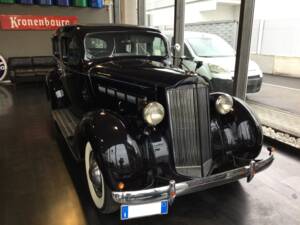
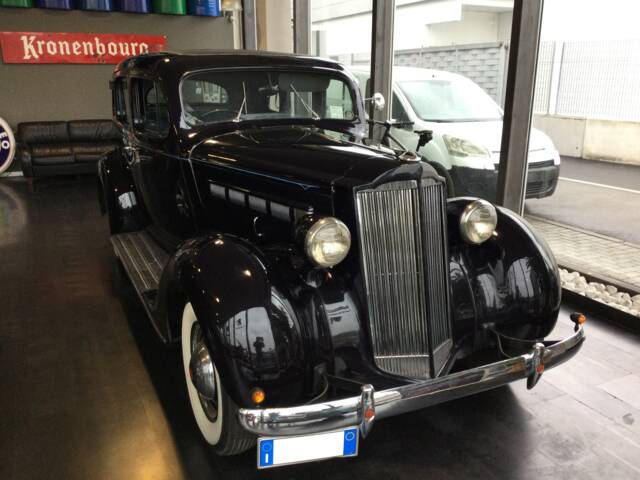

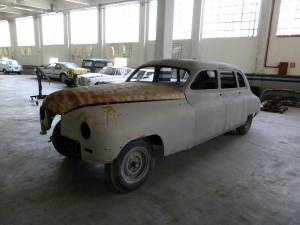
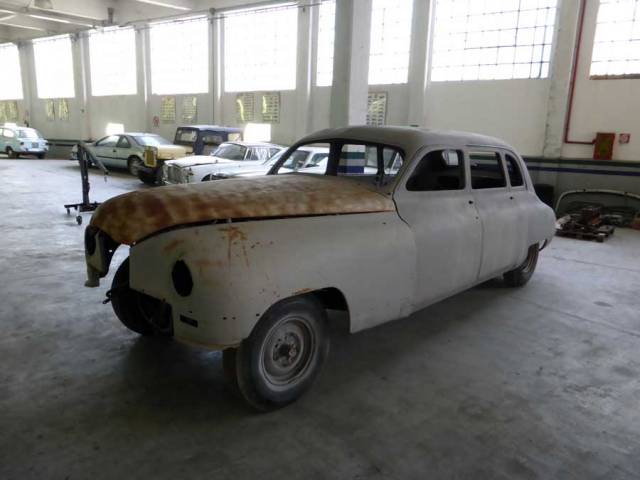
1949 | Packard Super Eight
SUMMER PRICE 2026 @ CITY MOTORS
Auctions ending soon

Loading…
Loading…
Loading…
Loading…
Packard Super Eight listing references from Classic Trader
Below you will find listings related to your search that are no longer available on Classic Trader. Use this information to gain insight into availability, value trends, and current pricing for a "Packard Super Eight" to make a more informed purchasing decision.
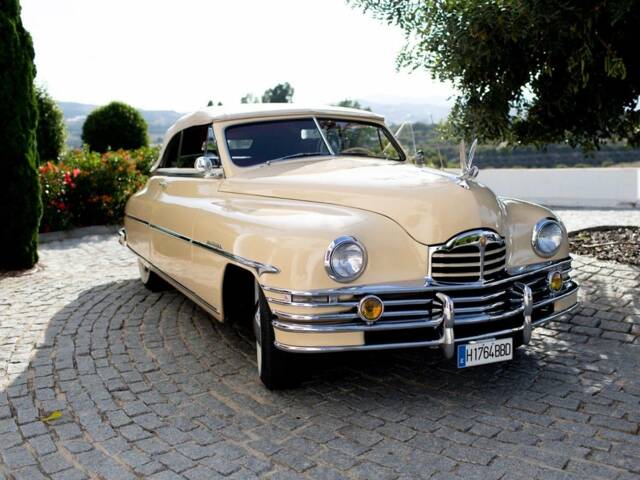
1948 | Packard Super Eight Convertible
Packard Super Eight | 1948 | Route 66 Auctions - For sale by auction. Estimate 38500 EUR

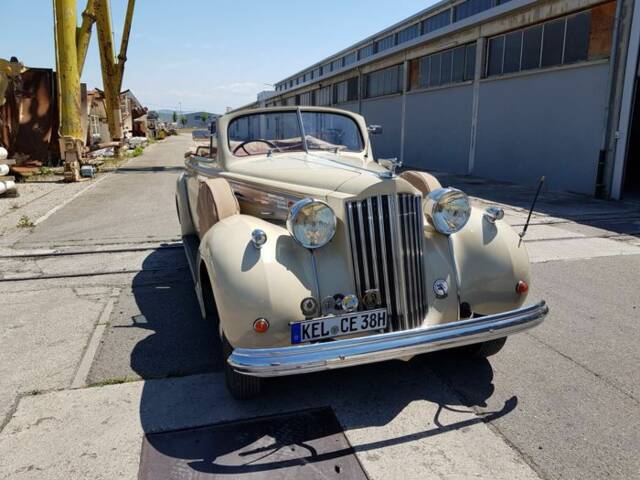
1938 | Packard Super Eight
Packard Super Eight | 1938 | Route 66 Auctions - For sale by auction. Estimate 46500 EUR
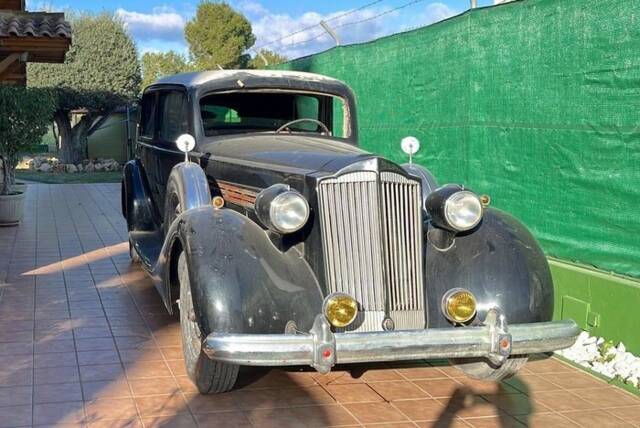
1937 | Packard Super Eight
Packard - Super Eight Formal Sedan Limousine - 1937
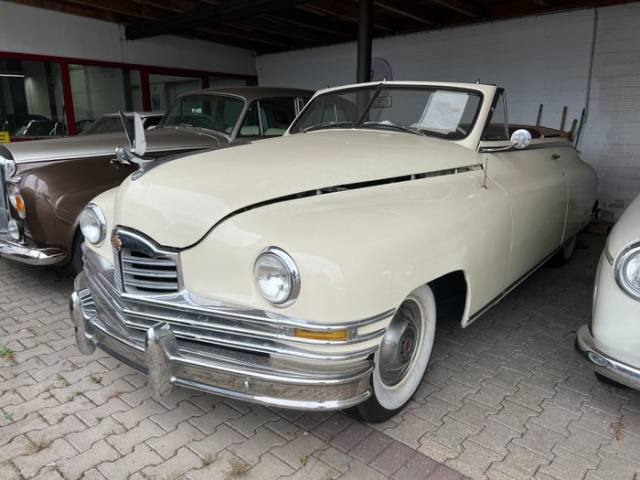
1949 | Packard Super Eight Convertible
Packard - Eight Cabriolet - 1949
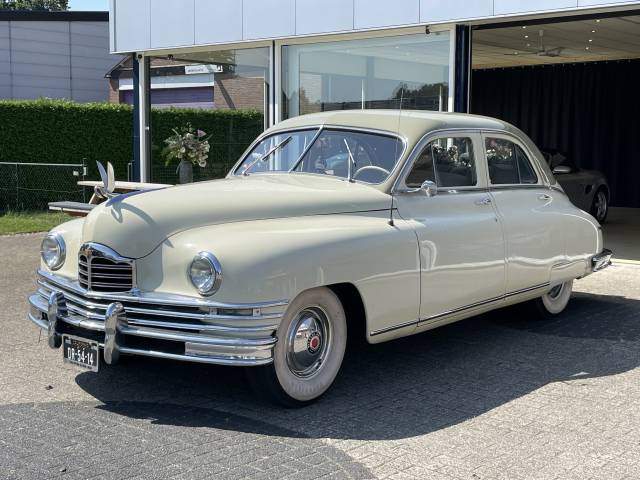
1948 | Packard Super Eight
Packard Super Eiight de Luxe type 22 26
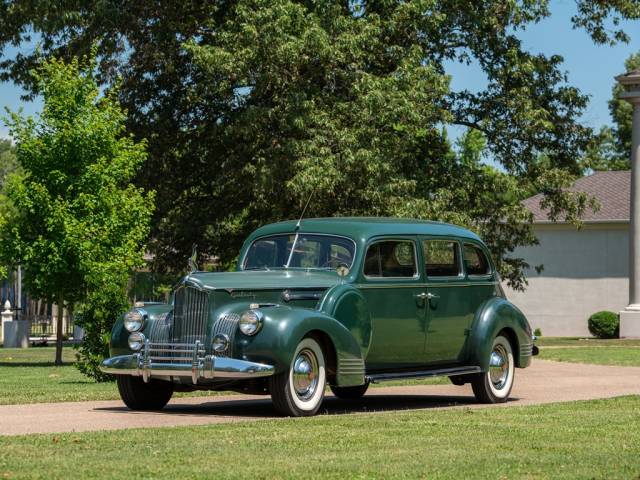
1941 | Packard Super Eight
1941 Packard Super Eight One-Sixty Seven-Passenger Touring Sedan

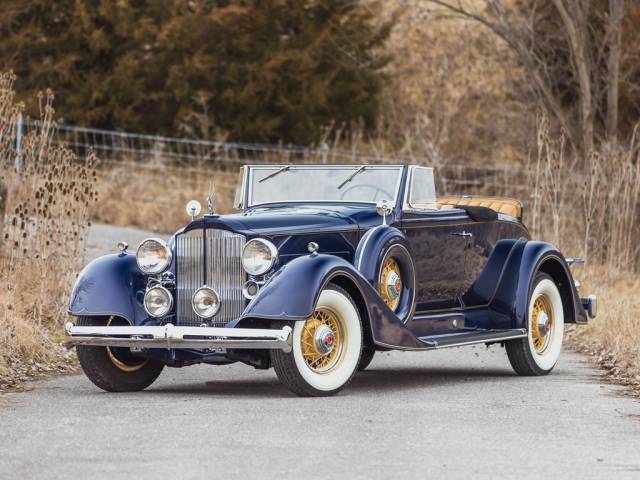
1934 | Packard Super Eight
1934 Packard Super Eight Coupe Roadster
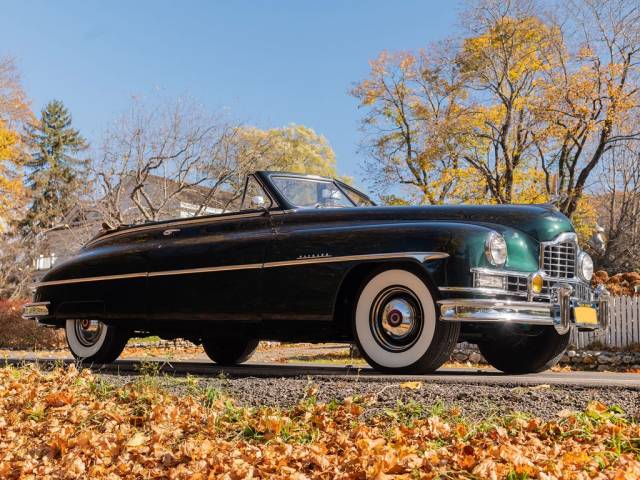
1949 | Packard Super Eight Convertible
1949 Packard Super Deluxe Eight Victoria Convertible Coupe
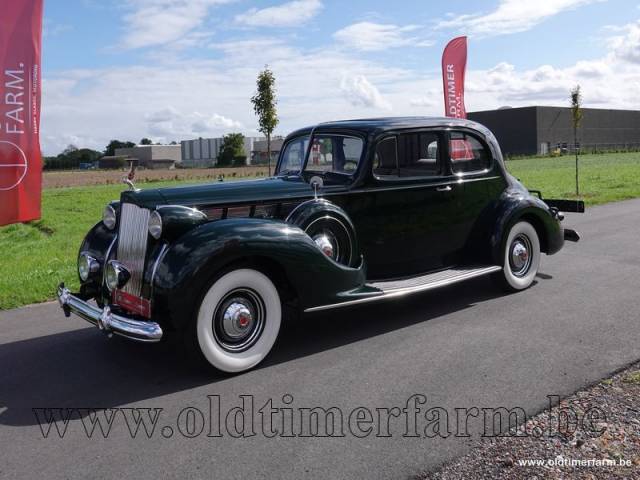
1938 | Packard Super Eight
1938 Packard Eight-Super 8 Coupé '38

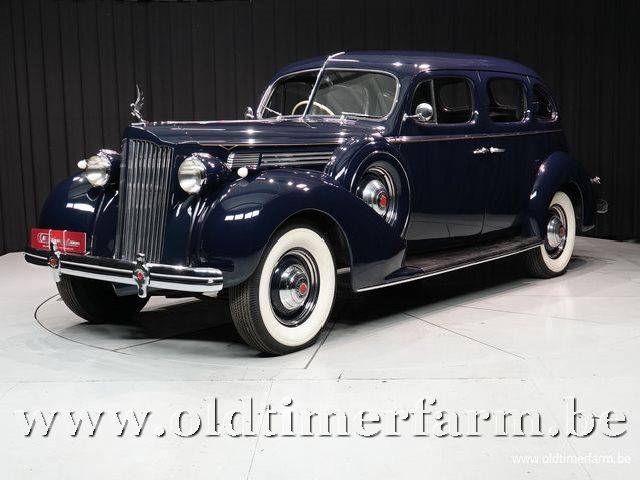
1938 | Packard Super Eight
1938 Packard Eight Saloon '38
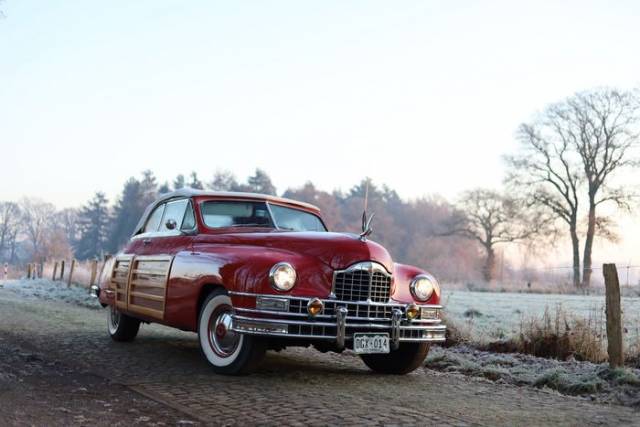
1949 | Packard Super Eight Convertible
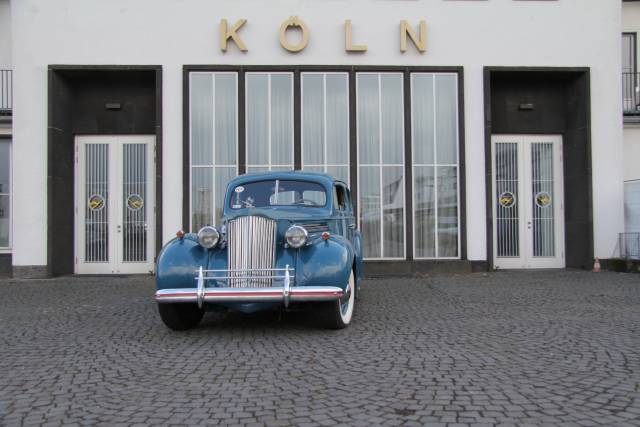
1939 | Packard Super Eight
Benefiz-Auktion ohne Mindestpreis: Promi-Vorbesitz Dita von Teese

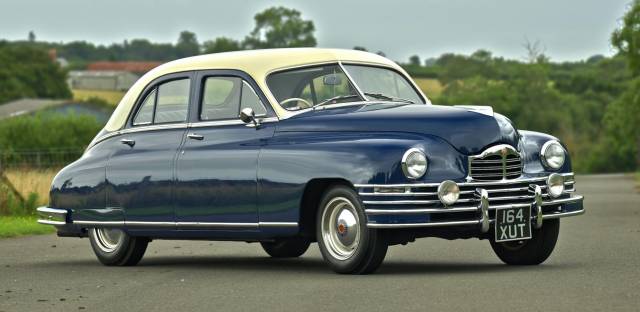
1948 | Packard Super Eight
Packard Super Eight Classic Cars: Prices & Market Values
History of the Packard Super Eight
Packard introduced the Super Eight in 1933 as the flagship eight-cylinder luxury model, positioned just below the famous Packard Twelve. The model was pivotal throughout the 1930s, blending advanced engineering with refined aesthetics and was available in a striking array of body types, from coupés and sedans to glamorous cabriolets. Early Super Eights utilised robust inline-eight engines, initially offering 5.2-litre or 6.1-litre displacements. The second world war paused production, with Packard switching focus to wartime manufacturing. When car production resumed in 1948, the Super Eight returned, displaying updated bodywork that reflected postwar styling cues. Throughout its run, the Super Eight remained at the heart of the Packard range, ultimately replaced in 1951 as company model codes shifted. The Super Eight lineage is notable for collaboration with European coachbuilders in limited numbers and for influencing contemporary American luxury standards.
Model Series History
The Packard Super Eight evolved from the Packard Eight lineage (dating to 1924) and stood as a senior model through the marque’s golden years. Key milestones include the introduction of advanced chassis and suspension designs, the shift from large 17-inch wheels and classic ‘bullet’ headlights in the mid-1930s, to streamlined postwar bodywork in the late 1940s. Earlier years featured the monumental 385 cubic inch (6.3-litre) straight-eight; by 1937, a more compact 320-cubic inch (5.2-litre) engine was standard. The Super Eight shared chassis and luxury trim with the upper-echelon Twelve until its discontinuation. It carried on with the Super Eight One-Sixty and One-Eighty, which incorporated Clipper-styled bodies and convenience features like Electromatic clutch and overdrive. The line concluded in 1951 when Packard rebranded its luxury sedans as the 400, and its direct successor became the Patrician series.
Highlights and Special Features
Among Packard Super Eight’s most prized features are its in-line eight-cylinder engines, hand-built body configurations, and period-correct luxury appointments such as ride control dampers and the Bijur chassis lubrication system. Classic prewar models stand out for 17-inch spoke wheels, round fenders, detachable running boards, and detailed instrument panels often finished in woodgrain. Early examples sported chrome twin-spare covers, Packard cormorant mascots, and elaborate luggage racks. Postwar Super Eights reflect the 'Clipper' aesthetic with concealed running boards and integrated headlights. Certain years’ models are recognised by the Classic Car Club of America as ‘Full Classics’. Special options like the Packard Aero Drive overdrive and Electromatic clutch underlined the technical edge.
Technical Data
Special Editions and Collectible Models
Several notable special variants of the Packard Super Eight stand out: the Custom Super Eight One-Eighty (the brand’s top car after the V12 was discontinued in 1939) and limited-production examples with European coachwork—particularly those on Swiss-built chassis. Collectors also seek early 'Fourteenth Series' cars with 385-ci engines and late production cars featuring rare option packages or special factory accessories such as the Cormorant radiator mascot, dual-bullet taillights, and Trippe entrance lights.
Weak Spots and Common Issues
The Packard Super Eight’s robust construction is frequently praised. However, its age means potential buyers should check for proper function of the chassis lubrication system (Bijur), condition of classic ride control dampers, wear on original manual transmissions, and possible wood frame element deterioration in prewar cars. Body and chassis integrity is crucial, as rust damage or incorrect restoration work can compromise originality and value. Authenticity of rare features like original chrome elements or period interior upholstery adds to collectability but can be challenging to source or restore.
Engine, Performance, Transmission and Handling
The Super Eight's straight-eight engines deliver smooth, consistent torque, befitting their luxury orientation. Power outputs ranged from roughly 130hp in early models to 165hp in late prewar versions with the larger 385-ci engine. Allied to rear-wheel drive and a three-speed manual gearbox (often with optional overdrive in postwar models), the Super Eight was capable of sustained cruising and effortless low-speed acceleration. Ride control, advanced independent front suspension (for its era), and factory options like the Electromatic clutch contributed to comfortable, controlled driving. Notable models include the 1936 Fourteenth Series Super Eight with the final 385-ci engine, postwar 1948-1951 sedans and convertibles with 356-ci engines, and one-off coachbuilt variants. Technical details such as 320- and 356-cu in engine variants, multiple body styles (including convertible Victoria and ‘Sedan Limousine’), and overall chassis refinement distinguish these models.
Interior, Comfort, Exterior and Design
Packard Super Eights exhibit numerous design signatures: slanted radiators, full flowing wings, ‘bullet’ headlamps (early models), and later integrated headlamps post-1941. Wheel offerings shifted from 17-inch spoke wheels to 15-inch steel wheels. Interiors often feature veneered dashboards, original instrument clusters, wood trim door accents, leather upholstery (on select years), and accessory options like luggage racks, spotlights, or rumble seats in convertible coupes. Collectible accessories include the Cormorant mascot, dual rear view mirrors, running board lamps, and superlative fit and finish on convertibles’ canvas tops. Interior layouts emphasised comfort and passenger space, with a reputation for smoothness and low cabin noise.
Other Features and Notable Facts
Unique among US luxury cars, the Super Eight was sometimes bodied by European coachbuilders—examples from Switzerland’s Tüscher are especially collectible. Packard issued detailed chassis plaques documenting model codes and delivery history, an essential detail for provenance. The car’s period-correct accessories, from Trippe lights to Deluxe heaters, help showcase the wide scope of individualisation possible for original buyers. Pop culture references include on-screen roles in ‘The Last Convertible’ and Doc Brown’s 1949 yellow Super Eight in ‘Back to the Future’, cementing its visual place in 20th-century Americana.
Summary
The Packard Super Eight defined luxury transport between 1933 and 1951, evolving through technical, stylistic, and mechanical advances while retaining an uncompromised focus on refinement and customisability. From its in-line eight-cylinder power, innovative features, and comprehensive comfort options to its celebrated bodywork and accessories—both factory and custom—the Super Eight encapsulates an era of American prestige motoring. Continued interest among classic car buyers and a significant share of existing Packard listings underscore its enduring relevance.