Packard Twin-Six classic cars for sale
The Packard Twin-Six stands as a benchmark in luxury automotive engineering of its era, combining a unique V12 engine configuration with detailed craftsmanship. Imposing presence, rare coachbuilt variants and a focus on authenticity and originality make every Twin-Six a statement car for collectors seeking depth in provenance and mechanical sophistication.
Search results
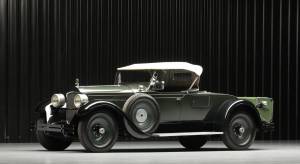
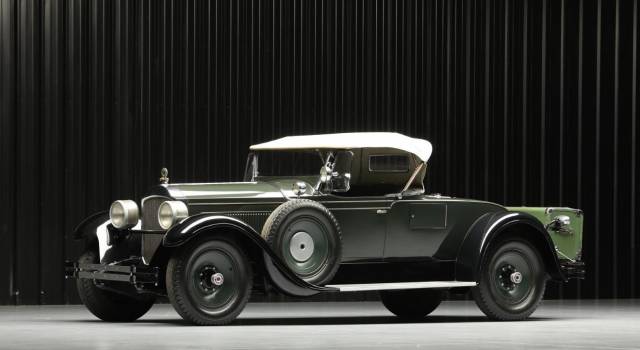
1928 | Packard Twin-Six
1928 Packard Model 6 Sport Roadster

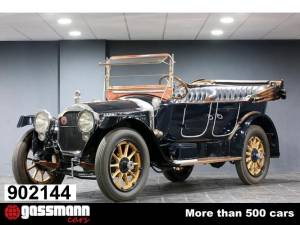
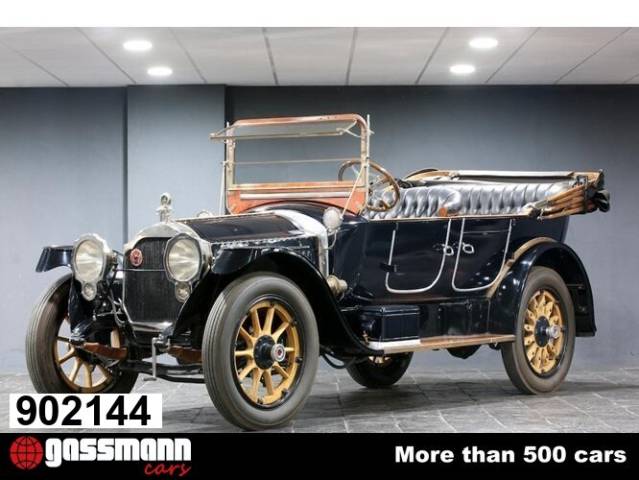
1916 | Packard Twin-Six
PACKARD Twin Six Phaéton Cabriolet

Packard Twin-Six listing references from Classic Trader
Below you will find listings related to your search that are no longer available on Classic Trader. Use this information to gain insight into availability, value trends, and current pricing for a "Packard Twin-Six" to make a more informed purchasing decision.
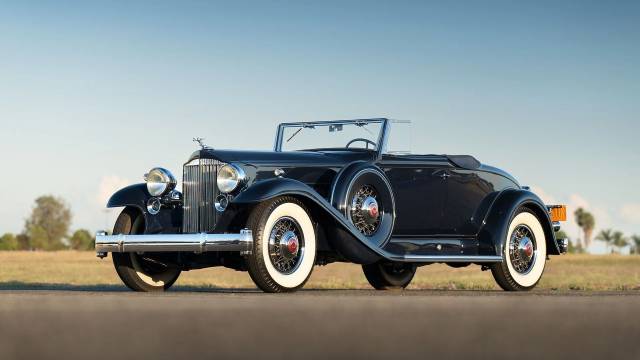
1932 | Packard Twin-Six
1932 Packard Twin Six Coupe Roadster
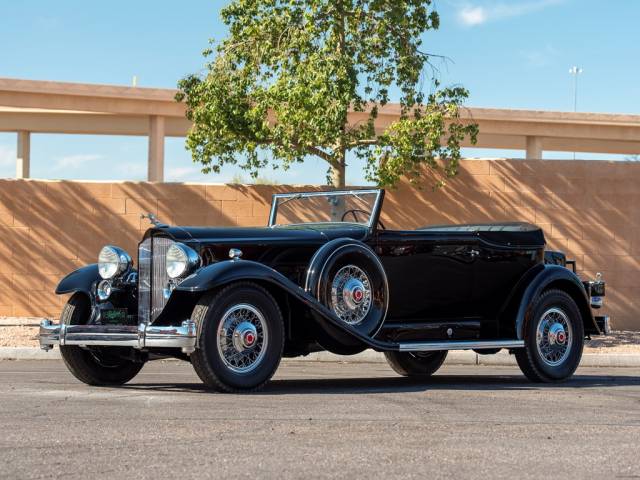
1932 | Packard Twin-Six
1932 Packard Twin Six Convertible Victoria
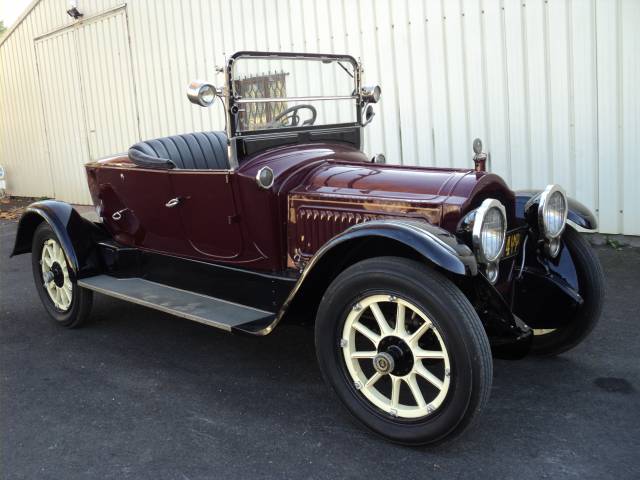
1917 | Packard Twin-Six
Tres rare - Double allumage.

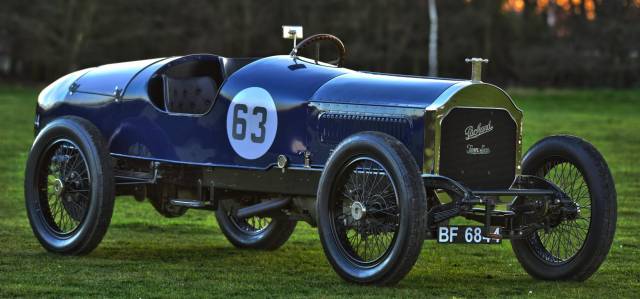
1916 | Packard Twin-Six
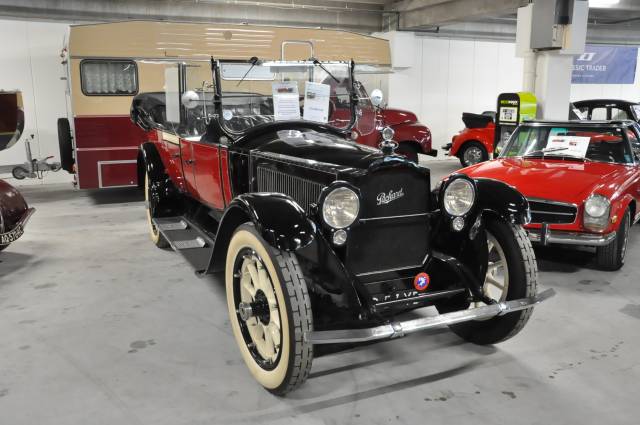
1922 | Packard Twin-Six
On sale in the Classic Car Pop-Up Store in the Metropole Druten

Packard Twin-Six Classic Cars: Prices & Market Values
History of the Packard Twin-Six
Packard, recognised globally for crafting some of the finest luxury automobiles, launched the Twin-Six at the beginning of the 1930s—during a time marked by economic uncertainty. Unlike rivals who shifted towards more budget-oriented vehicles, Packard remained firmly rooted in the construction of premium, technologically advanced models. The Twin-Six, introduced as the manufacturer's flagship, embodied this ethos. Its name derived from its innovative L-Head V12 engine, renowned for both refinement and mechanical reliability. The model continued Packard's tradition of appealing to high-profile clientele, including Hollywood personalities, through an unmatched blend of style, power, and bespoke options. Many cars featured elaborate coachwork and a host of factory accessories, underlining Packard’s devotion to detail and luxury even during challenging times.
Model History of the Twin-Six Series
The Twin-Six continued Packard’s pursuit of luxury after its earlier six- and eight-cylinder lines. Positioned as a successor to earlier premium offerings, the Twin-Six solidified Packard’s image among leading manufacturers by focusing on the V12 platform. This approach outlived competition that attempted to capture market share with smaller engines and lighter build quality. The Twin-Six was available in several highly individualised configurations: from Coupe Roadsters to rare Convertible Victorias, often bodied by some of the most renowned coachbuilders of the era. Certain models, like the Twin Six 905 Convertible Victoria, are unusually scarce, with possibly only three surviving examples worldwide, making them highly recognised in concours and classic car circles.
Highlights of the Packard Twin-Six
Every Twin-Six carries not only sophisticated engineering but a distinct presence, reinforced by the use of matching numbers for chassis, engine, and other crucial assemblies—an attribute highly prized among collectors. Documentation is typically exemplary, often detailing owners’ histories that include well-known personalities and dedicated collectors. Original factory paintwork, interiors, or identification plates on preserved cars add further value. Both accessories and design flourishes—from period-correct wheel covers to signature Pilot-Ray driving lamps—set the Twin-Six apart from contemporary luxury competition. Vehicles are frequently restored to award-winning standards and have achieved top honours at events such as Pebble Beach, Amelia Island, and Meadow Brook.
Technical Data
Special Editions and Collectible Models
Packard Twin-Six models bodied by notable coachbuilders and rare body configurations—such as the Twin Six 905 Convertible Victoria—stand out as some of the most collectible. With as few as three surviving examples known of certain body styles, these editions command tremendous interest. Such vehicles are commonly restored to concours standard, achieving top-level recognition and awards from the Classic Car Club of America and other judging panels.
Engine, Performance, Transmission and Handling
Under the bonnet, the L-Head V12 set new standards for balanced output and effortless motoring in its class. Renowned for both refinement and reliability, this engine allowed smooth acceleration and was carefully matched to robust transmissions, permitting relaxed yet authoritative progress. Handling characteristics were considered advanced, benefitting from substantial chassis engineering and a focus on ride comfort. Many Twin-Six vehicles retain their original mechanical components, attesting to the durability of Packard’s designs. Notable models include the Twin Six 905 Convertible Victoria, which remains extraordinary for its rarity, and various Coupe and Roadster configurations, each offering subtle variations in layout and period features.
Interior, Comfort, Exterior and Design
Packard’s commitment to luxury was evident in every design detail of the Twin-Six series. Renowned coachbuilders tailored individual cars to their owners, using premium materials, unique colour combinations, and special trims. Original accessories—such as era-correct wheel covers, rear-mounted luggage trunks, and authentic convertible mechanisms—were frequently specified. Surviving examples sometimes boast factory paint and upholstery, reflecting the brand’s exacting standards and the care of subsequent custodians. Details such as matching painted wheels or double whitewall striping further mark out the series as genuinely distinctive in a classic context.
Other Notable Features
A number of Twin-Six vehicles have their entire documentation and provenance meticulously recorded, with original firewall data plates and identification numbers still affixed. Matching numbers throughout body, engine, and chassis are common, a point of pride for discerning collectors. Many examples have been recognised for authenticity and restoration quality with CCCA Premier Awards and perfect concours evaluations.
Summary
The Packard Twin-Six occupies a unique space in classic motoring—a vehicle built without compromise at a time of economic upheaval, reflecting Packard’s elite engineering, luxury, and heritage. Available exclusively in this model series from the marque, it remains highly desirable for its quality, rarity and the remarkable stories each survivor carries. From pre-war American grandeur to award-winning concours star, the Twin-Six has become a true reference point for enthusiasts of both technical ingenuity and bespoke craftsmanship.