- Car
- Mercedes-Benz
- Mercedes-Benz T2 (10 offers)
Mercedes-Benz T2 classic vehicles for sale
The Mercedes-Benz T2, known as the 'Düsseldorfer Transporter', is prized for its functional design, diverse body variants, and reliability as a commercial or camper vehicle. Originally built for professionals and authorities, many T2s now serve as robust classic campers or transporters, valued for their versatility and straightforward engineering.
Search results
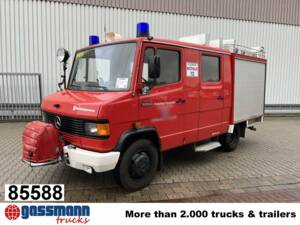
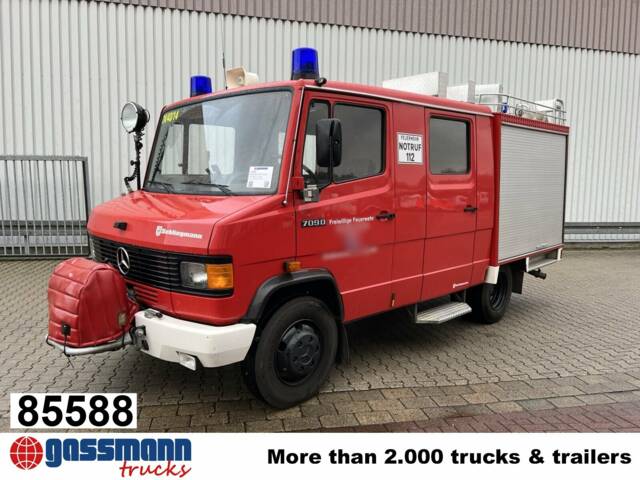
1991 | Mercedes-Benz T2 709 D
709 D 4x2 Doka, LF 8, Feuerwehr

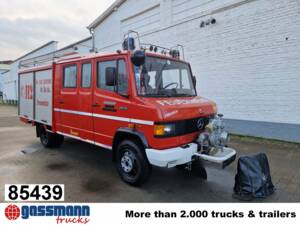
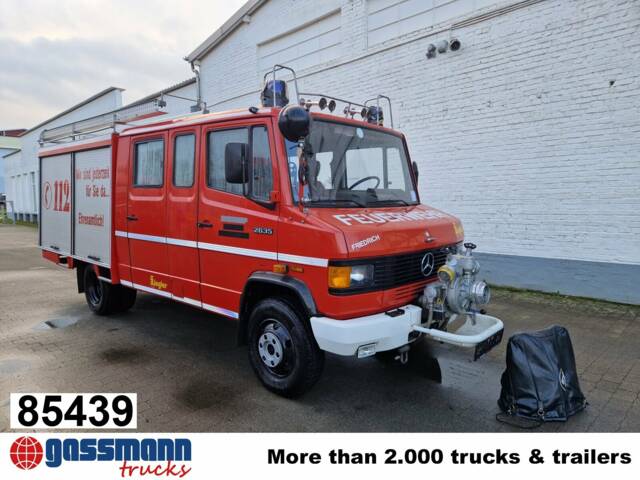
1988 | Mercedes-Benz T2 711 D
711 D 4x2 Doka, LF 8, Feuerwehr
Auctions ending soon

Loading…
Loading…
Loading…
Loading…
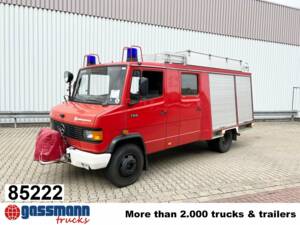
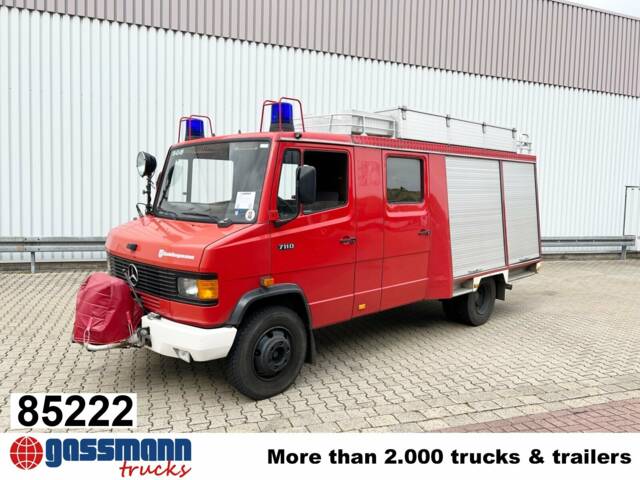
1988 | Mercedes-Benz T2 711 D
711 D 4x2 Doka, LF 8, Feuerwehr
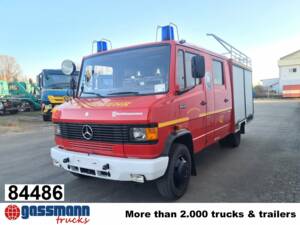
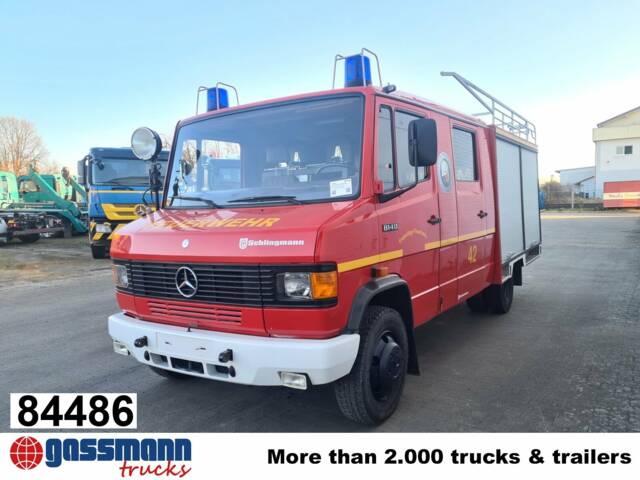
1992 | Mercedes-Benz T2 814 D
814 D 4x2 Doka, LF 8/6, Feuerwehr
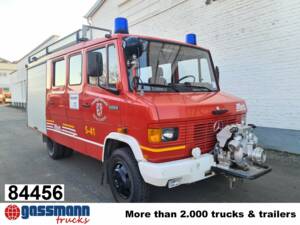
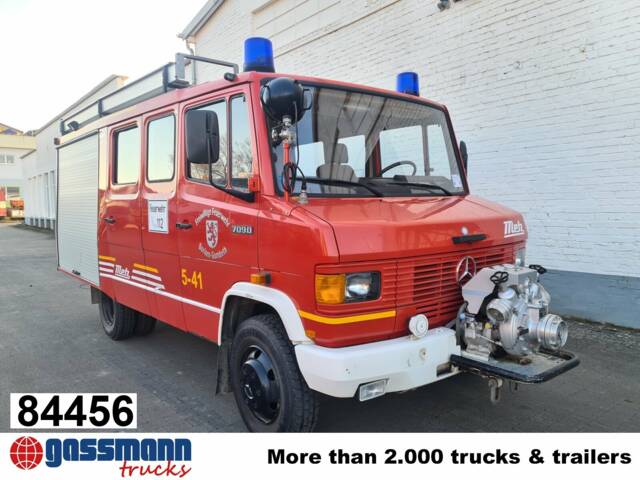
1988 | Mercedes-Benz T2 709 D
709 D 4x2 Doka, LF 8, Feuerwehr
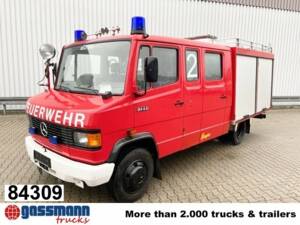
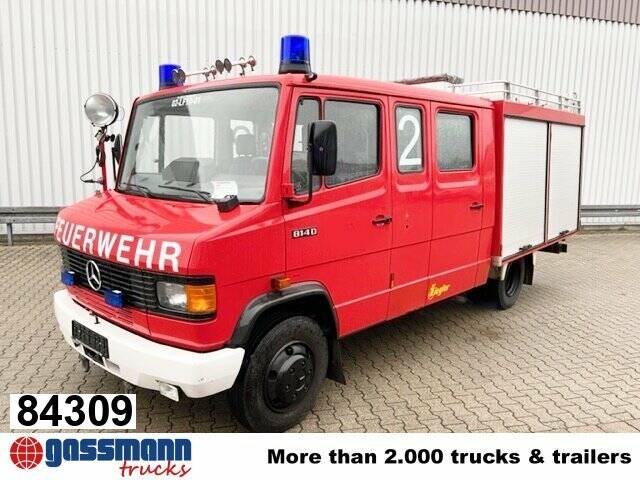
1994 | Mercedes-Benz T2 814 D
814 D 4x2 Doka, TLF 8, Feuerwehr
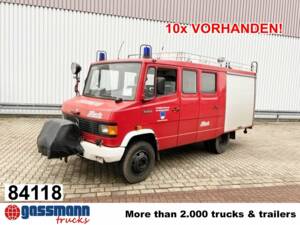
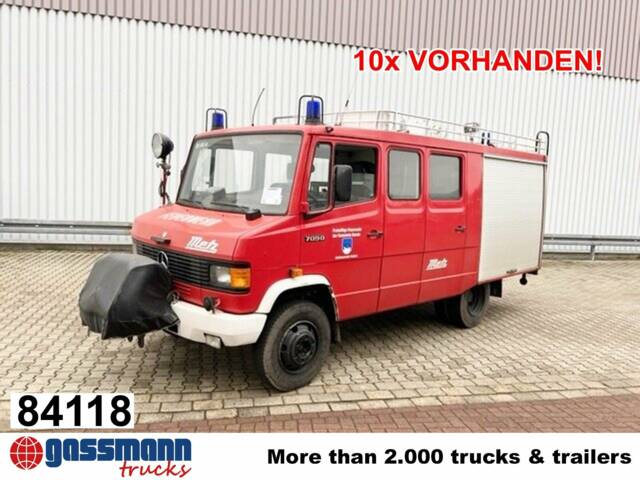
1988 | Mercedes-Benz T2 709 D
709 D 4x2 Doka, LF 8, Feuerwehr
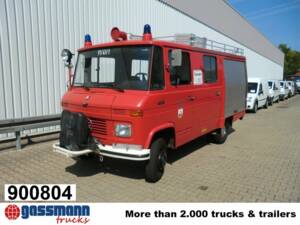
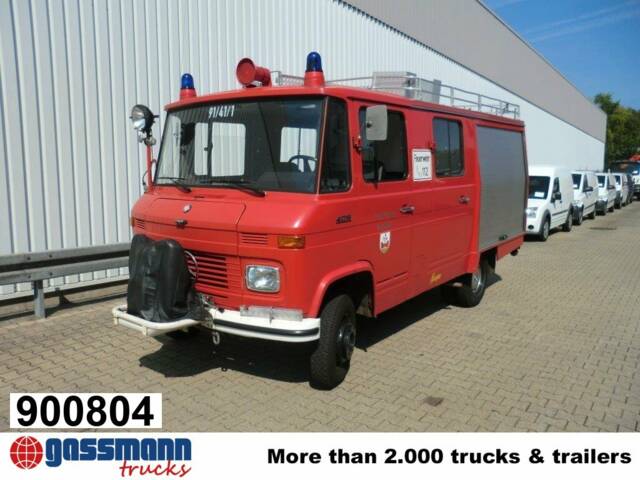
1980 | Mercedes-Benz T2 409
LF 409 4x2 Löschwagen / Feuerwehr Benziner!
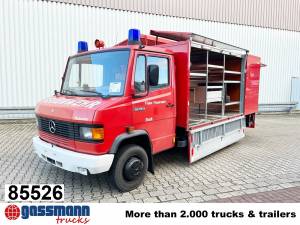
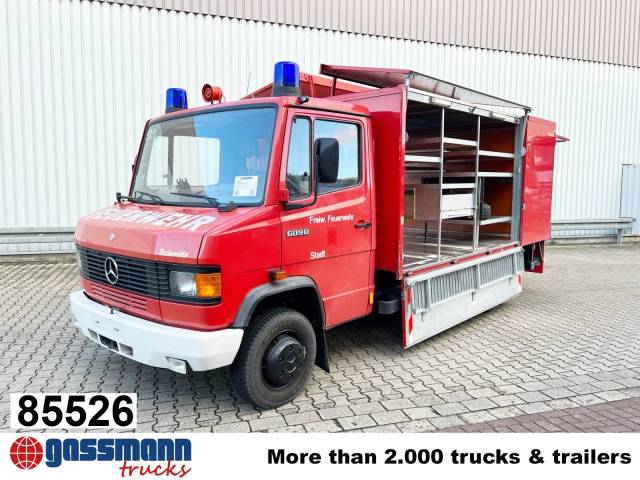
1993 | Mercedes-Benz T2 609 D
609 D 4x2, Feuerwehr Gerätewagen
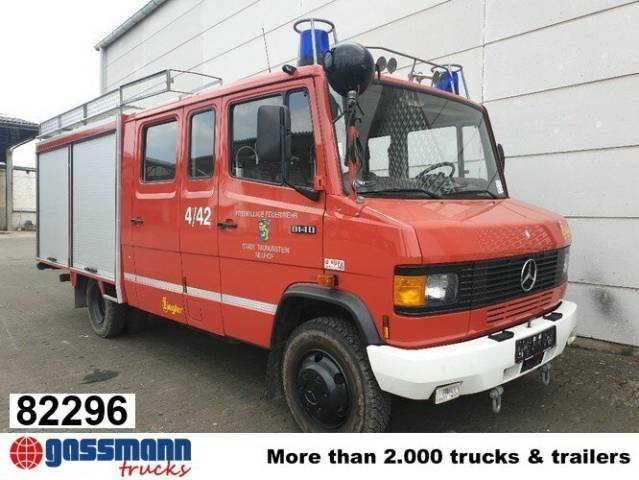
1992 | Mercedes-Benz T2 814 D
814 D TLF 8/6 4x2, DOKA, Feuerwehr
Mercedes-Benz T2 listing references from Classic Trader
Below you will find listings related to your search that are no longer available on Classic Trader. Use this information to gain insight into availability, value trends, and current pricing for a "Mercedes-Benz T2" to make a more informed purchasing decision.
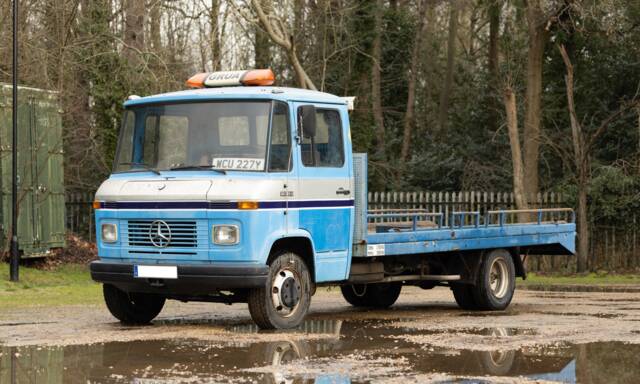
1982 | Mercedes-Benz T2 608 D
1982 Mercedes-Benz 608D (Flatbed)

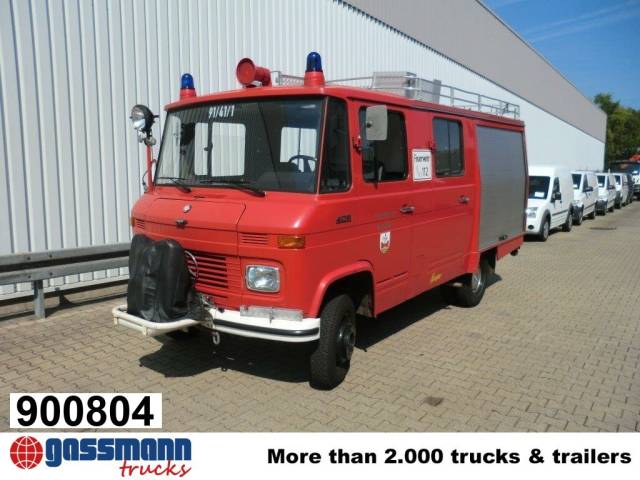
1980 | Mercedes-Benz T2 409
LF 409 4x2 Löschwagen, Benziner!
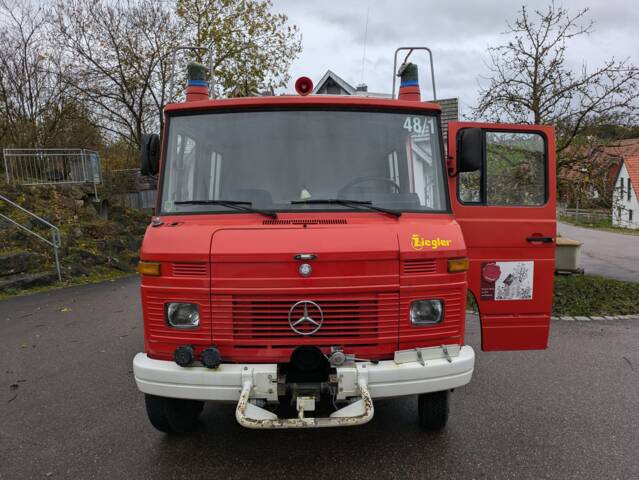
1986 | Mercedes-Benz T2 608 D
Düdo
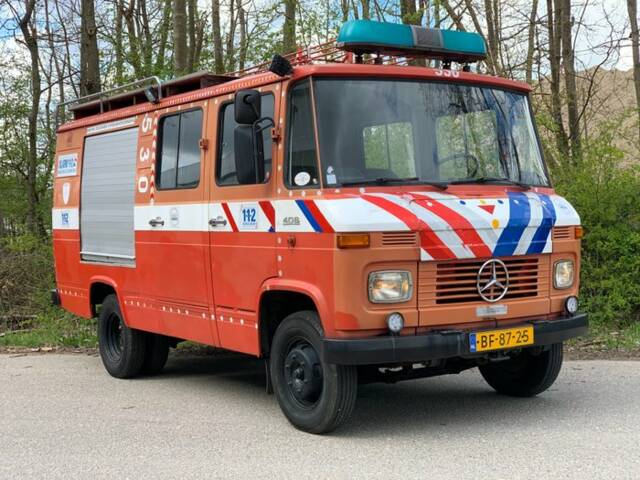
1971 | Mercedes-Benz T2 408
Mercedes-Benz - LF 408 G29 brandweerwagen - 1971

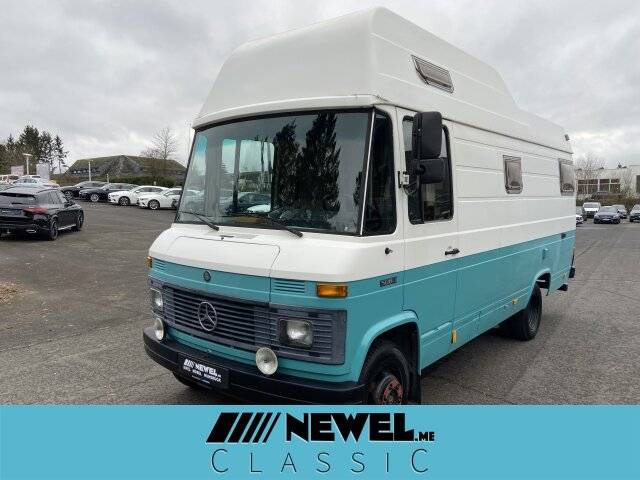
1984 | Mercedes-Benz T2 508 D
L508DKA 3500 *WOHNMOBIL*HOCHDACH*WESTFALIA*3,5t*
Mercedes-Benz T2 Classic Cars: Prices & Market Values
History of the Mercedes-Benz T2
Mercedes-Benz introduced the T2 in 1967 at the Düsseldorf plant as a semi-bonneted, front-engined commercial vehicle. It marked Mercedes’ response to the growing demand for adaptable and durable transporters in post-war Europe. Built until 1991, the T2 became ubiquitous across various sectors, from public service fleets to trades, offering countless variants: buses, box vans, flatbeds, and especially conversions as campers. The T2’s famed robustness is rooted in its simple, easily serviced construction and the use of powerful, proven engines. The vehicle's expansive glass surfaces not only aid urban visibility but made it highly suitable for leisure applications. Its production legacy continued as the Vario after 1996, emphasizing Mercedes' ongoing commitment to the segment.
Model History of the T2 Series
The T2 represents the second generation of post-war Mercedes-Benz commercial vehicles, following the L/O 319. It covers several decades and a multitude of variations, each adapted to changing demands in goods and passenger transport. In 1996, production shifted to Ludwigsfelde and was rebranded as the Mercedes-Benz Vario, aligning with technical updates and continued focus on versatility. Typical T2s feature rear-wheel-drive chassis, high ground clearance, and robust frames suitable for conversions—including campers and specialist vehicles. Earlier models leaned towards utilitarian simplicity, while late variants often boasted upgraded features and more powerful diesel engines such as the OM 314 and OM 617.
Highlights of the Mercedes-Benz T2
Few vehicles match the adaptability of the T2. Its cab-over design enables a compact length-to-load ratio, suitable for both city and long-distance work. Characteristic features include a choice of bus, transporter, lorry or motorhome bodywork, with impressive payload and versatile seat layouts—from basic two-seaters to 14-seat buses. The T2 is famed for its reliability, generous cargo space, and suitability for customisation, especially in motorhome conversions which commonly offer sleeping, cooking, and sanitary facilities. T2s often feature large panoramic windows, practical storage solutions, and optional upgrades such as solar panels, auxiliary batteries, swivelling seats, and winter-capable diesel heaters.
Technical Data
Special Editions and Collectible Models
Within the T2 line, some models stand out due to their specific configuration or conversion, especially factory-built minibuses or rare long-wheelbase camper factory versions. T2 units previously used by public authorities—such as police, firebrigades, or road services—are often highly sought-after and make ideal bases for unique camper or expedition builds. Special extended roof or luxury bus conversions, though rare, represent attractive collector options.
Weak Spots and Common Issues
With age, sourcing parts for the T2 can be challenging, as many components are now rare. Buyers should pay attention to rust, especially around structural areas such as the chassis, cab floor, wheel arches, and sills—common to commercial vehicles with hard use. Check for wear in the suspension and on axle mounts. Documentation can be inconsistent, particularly on vehicles with multiple owners or conversions. For campers and converted units, inspect water installations and aftermarket electrical systems for home-fitted modifications which may not meet professional safety standards.
Engine and Performance, Transmission and Handling
Performance reflects the T2’s practical heritage—it’s not quick but excels in dependable delivery of goods and people. Diesel engines like the OM 314 and OM 617 are known for their endurance and basic maintenance. The chassis and high ground clearance favour heavy loads and rural or rough road operation. Handling is straightforward—responsive if unremarkable, with a typically firm ride and robust brakes suitable for frequent stops. Transmission is usually a manual unit matched to rear-wheel drive, supporting the versatile body types and conversion options. - T2 Campervans: Especially those professionally converted or with rare long-wheelbase chassis.
- Ex-authority Buses: Noted for regular servicing histories and adaptable layouts.
- Flatbed and Box Vans: Sought for restoration projects as authentic classic commercial vehicles.
Interior, Comfort, Exterior and Design
The T2 features a functional cab-over-engine silhouette, with its iconic upright front and expansive glazing. Interiors prioritise hardy, easy-to-clean surfaces and modular layouts adaptable to client requirements. Many later T2s or well-done conversions include bespoke furniture, rotating cab seats, kitchen installations, and custom storage. Factory paint schemes tended to be utilitarian—white, grey, blue, or red for authority use—though custom camper conversions regularly introduce brighter or period-specific colours. Genuine Mercedes accessories can still appear on specialist or original models: roof racks, interior luggage shelves, auxiliary heaters, and even rare factory-installed tachographs or Becker radios.
Other Notable Features of the T2
The T2’s load-flexible chassis, extensive parts compatibility with other Mercedes commercial ranges, and robust mechanical layout make it a preferred base for specialist conversions. Many T2s offer trailer hitches, reinforced rear axles, and extensive underfloor stowage. The availability of adjustable driver seats, independent heating, and tank systems further establish the T2 as a platform open to imaginative uses from continental touring to expedition travel.
Summary
The Mercedes-Benz T2 stands alone as the reference point for classic commercial vehicles due to its versatility, solid engineering, and adaptability. With total market supply and demand dominance in its class, it remains the preferred choice for users seeking a proven platform for restoration, conversion, or day-to-day classic use.