- Car
- Mercedes-Benz
- Mercedes-Benz SK (3 offers)
Mercedes-Benz SK classic trucks for sale
The Mercedes-Benz SK stands as the final evolution of Mercedes’ heavy-duty truck legacy before the arrival of the Actros, merging robust NG technology with improved driver comfort and advanced electronic systems. These trucks are valued by enthusiasts for their durability, driving ease, and the engineering transition they represent from purely mechanical to more electronic workhorses.
Search results
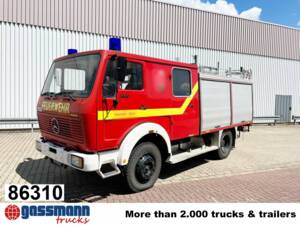
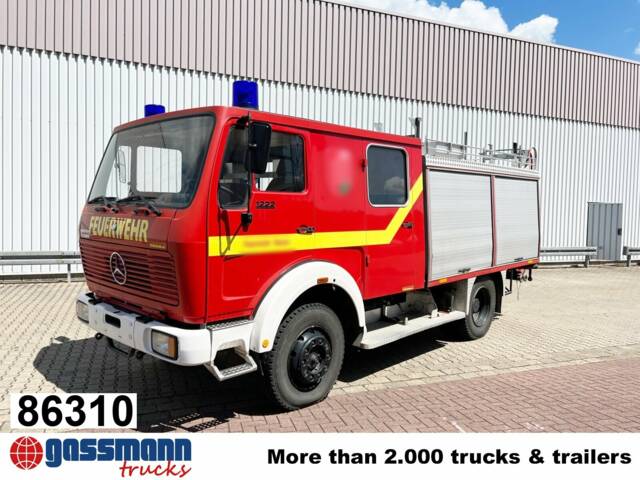
1984 | Mercedes-Benz 1222 AF
1222 AF 4x4 Feuerwehr Doka, LHF 16

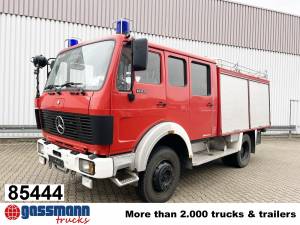
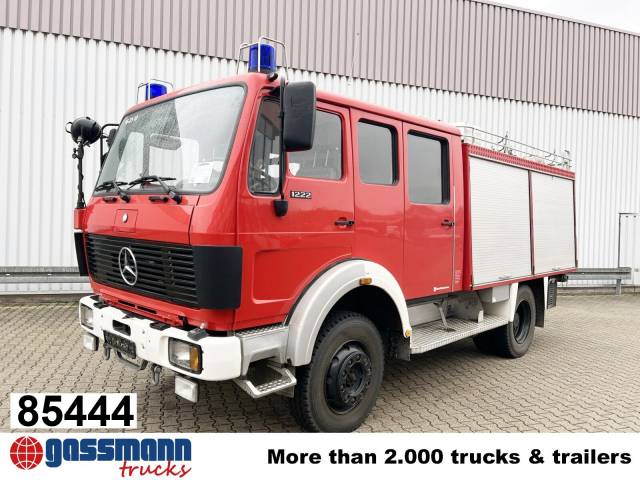
1991 | Mercedes-Benz 1222 AF
SK 1222 AF 4x4 Doka, TLF16/25
Auctions ending soon

Loading…
Loading…
Loading…
Loading…
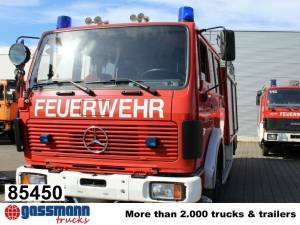
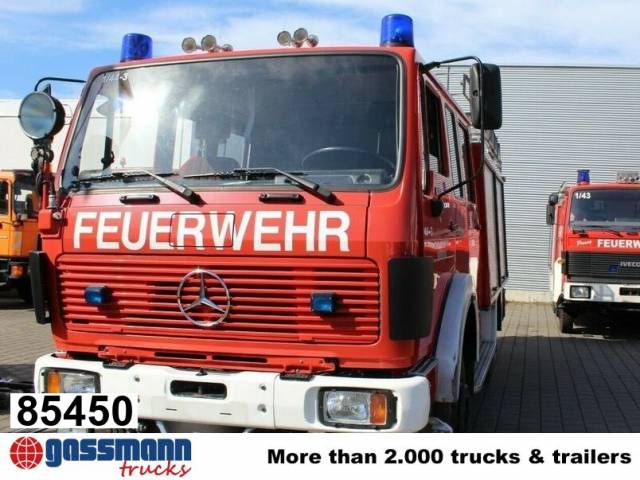
1988 | Mercedes-Benz 1222 AF
SK 1222 AF 4x4 Doka, TLF 1200l
Mercedes-Benz SK listing references from Classic Trader
Below you will find listings related to your search that are no longer available on Classic Trader. Use this information to gain insight into availability, value trends, and current pricing for a "Mercedes-Benz SK" to make a more informed purchasing decision.
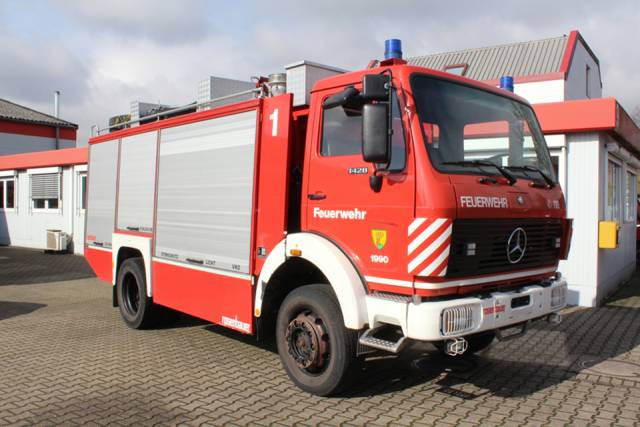
1990 | Mercedes-Benz 1428 AF
MB 1428AF
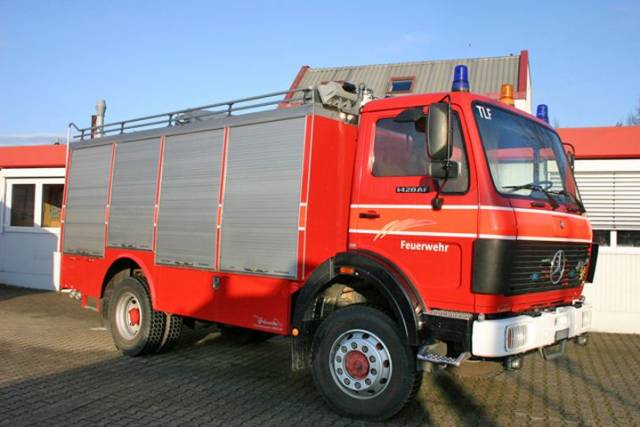
1987 | Mercedes-Benz 1428 AF
TLF MB 1428AF
Mercedes-Benz SK Classic Cars: Prices & Market Values
History of the Mercedes-Benz SK
Introduced in 1989, the Mercedes-Benz SK—short for 'Schwere Klasse' or 'Heavy Class'—picked up the baton from the preceding NG (Neue Generation) series. The SK series marked a shift towards greater comfort and driver assistance, responding to the changing needs of long-haul transport operators in the late 20th century. While it retained the rugged NG chassis design, the SK integrated new electronics for diagnostics and driving support, reflecting broader trends in the truck industry. Production continued until 1998, after which the innovative Actros series took centre stage, ushering in a next generation of Mercedes heavy trucks.
Model History and Evolution
The SK was born out of the proven Mercedes-Benz NG platform, refining it with modern comforts and up-to-date technology for its era. As the last major heavy truck series before the launch of the Actros, the SK serves as a bridge between classic mechanical robustness and the digitalisation that would dominate future Mercedes trucks. Licensed production of the SK also took place elsewhere—evidence of its broad impact beyond Germany.
Highlights and Market Share of the Mercedes-Benz SK
The Mercedes-Benz SK is distinguished by its blend of mechanical reliability and nascent electronic assistance, making it easier to operate and maintain compared to its purely mechanical predecessor. The longstanding NG chassis architecture ensured long-term durability, while upgrades like electronic diagnosis and improved cab comforts made life behind the wheel considerably easier. Some international licensing underlines its reputation among truck specialists beyond Mercedes’ own factories.
Technical Data
Special Editions and Collectible Models
Certain SK models that were produced under license outside of Mercedes’ main plants are sought after for their local adaptations or unique specifications. These licensed versions may feature differences in cab design, engine tuning, or chassis options tailored for regional markets, and are especially appealing to collectors interested in rare or unusual variants.
Engine, Transmission, and Handling
The SK range is lauded for its dependable diesel engines—many owners favour their straightforward construction and longevity. Mercedes introduced electronic engine management systems on some SK variants, enhancing reliability when properly maintained. Gear shifts are firm but direct, typical of the period, and the truck’s steering and brakes set a standard for operator confidence in heavy vehicles of the 1990s. The modular approach to chassis configurations allowed for well-tuned handling characteristics tailored to a wide array of transport uses. The most notable configurations include the long-haul tractor units with turbocharged inline-six diesel engines. Some hauliers and enthusiasts particularly seek out the rarer 6x4 chassis for off-road or extreme-duty applications, where the SK’s robust axles and drivetrain shine.
Interior, Comfort, Exterior and Design
Mercedes-Benz designed the SK cab for improved ergonomics and operator comfort compared to earlier models. Upgraded seat designs, better sound insulation, and more convenient dashboard layouts are notable features. Externally, the SK presents an imposing yet practical profile, with the angular cab and reinforced bumper structure that became its signature. Accessory options ranged from roof-mounted air horns and light bars to auxiliary heating and storage solutions, depending on market specification and end customer preference.
Unique paint schemes were an option direct from the factory or through licensed manufacturers, whilst interior upgrades such as additional dials, period air-conditioning, and factory-fit radios gave drivers a touch of luxury and utility for long-haul tasks.
Other Features
Two international licensees manufactured the SK, creating versions that sometimes received unusual features or re-engineering for specific transport regulations abroad. This broadens the appeal of the series to enthusiasts who appreciate vehicles with distinct production histories. Additionally, the gradual move to more advanced digital fault diagnosis systems paved the way for what would become standard in commercial vehicles just a few years later.
Summary
The Mercedes-Benz SK represents a turning point in the development of heavy-duty trucks, fusing tried-and-tested NG mechanicals with new features that anticipated the digital future of commercial vehicles. Its technical simplicity, excellent driving characteristics, and rare international versions make it a firm favourite for collectors and those seeking a piece of late 20th-century transport history.