- Car
- Mercedes-Benz
- Mercedes-Benz O 302 (0 offers)
Mercedes-Benz O 302 classic buses for sale
The Mercedes-Benz O 302 stands as a defining model in the history of intercity and touring buses, renowned for its robust engineering and wide-ranging service across Europe and beyond. Its combination of a reliable drivetrain, thoughtful passenger comfort, and flexible configurations makes it a sought-after vehicle for commercial restoration and enthusiasts looking to own a piece of 1970s coachbuilding excellence.
Search results
Currently, there are no matching listings for your search.
Create search alert
Let yourself be notified as soon as a listing is published that matches your search filters.
Create listing
Do you have a Mercedes-Benz O 302 that you want to sell? Then create a listing now.
Create listingMercedes-Benz O 302 listing references from Classic Trader
Below you will find listings related to your search that are no longer available on Classic Trader. Use this information to gain insight into availability, value trends, and current pricing for a "Mercedes-Benz O 302" to make a more informed purchasing decision.
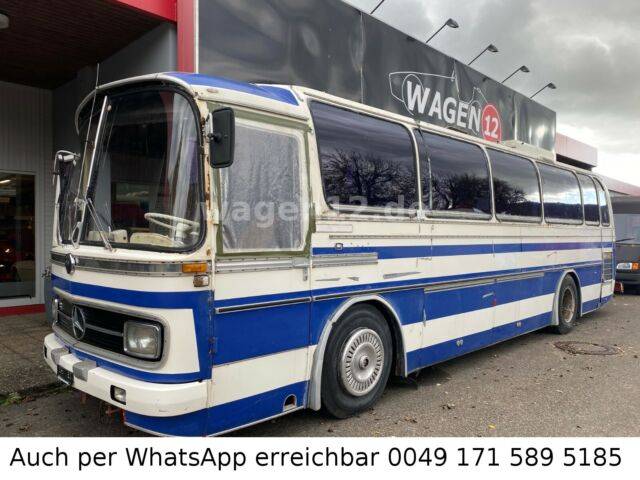
1968 | Mercedes-Benz O 302
Create search alert
Let yourself be notified as soon as a listing is published that matches your search filters.
Create listing
Do you have a Mercedes-Benz O 302 that you want to sell? Then create a listing now.
Create listingMercedes-Benz O 302 Classic Cars: Prices & Market Values
Introduction and history of the Mercedes-Benz O 302
Introduced in the mid-1960s, the Mercedes-Benz O 302 quickly became the backbone of European coach and bus fleets. Primarily produced from 1965 to 1976, the O 302 was known for its adaptability: from standard intercity bus variants to fully equipped tourist coaches. Its design focused on meeting the expanding needs for public and private passenger transport in post-war Europe. Mercedes-Benz engineered the O 302 to deliver exceptional reliability, long service life, and low operating costs—features that contributed to its widespread use across markets, including appearances in the 1974 FIFA World Cup as the official team transport bus.
Model history
The O 302 followed the highly regarded O 321 model and introduced significant technical improvements, especially in terms of safety and passenger comfort. As the predecessor to the O 303 series, the O 302 bridged an era from utilitarian public transport to coaches with more ergonomics, advanced ventilation, and flexible seating layouts. Over its production run, various engine specifications and lengths were available to meet local requirements across export markets.
Highlights of the Mercedes-Benz O 302
A major highlight of the O 302 is its modular approach to coachbuilding, which allowed for numerous factory and aftermarket conversions. Operators appreciated the robust frame design and corrosion protection measures, while passengers benefited from the early adoption of pneumatic suspension and forced-air ventilation. Unique for its time was the integration of advanced heating and optional air conditioning. The O 302 also left a mark as the official World Cup team bus in 1974, endearing it to football fans and collectors alike.
Technical data
Special Editions and Collectible Models
Special editions of the O 302 include limited runs outfitted as luxury coaches for long-distance touring, as well as a series specifically built for the 1974 FIFA World Cup, which are highly recognisable due to their custom livery and enhanced passenger features. Furthermore, some O 302s have been preserved or restored as historic vehicles for public events, film, and promotional use.
Engine and Performance, Transmission and Handling
The O 302 is known for smooth ride quality thanks to its air suspension and robust chassis. Its diesel engines are engineered for longevity and low-end torque rather than outright speed, which suits its role in heavy-duty intercity and touring service. The steering is precise for a vehicle of its size, and transmission options range from manual to semi-automatic, depending on build year and variant. Fuel consumption is moderate when compared to modern coaches, and parts availability depends largely on regional suppliers and dedicated classic bus specialists. Popular variants include the OM 352-powered standard length O 302 and extended versions built for high-capacity routes. Coachbuilders across Europe customised the base chassis for specific needs, such as the post-1974 luxury tour coaches.
Interior, Comfort, Exeterior and design
The exterior of the O 302 is characterised by its sweeping panoramic windows, subtle chrome accents, and prominent Mercedes-Benz front grille. Interiors varied by intended use—from rows of practical, hard-wearing seats in city buses to plush recliners, reading lights, and luggage racks in long-distance coaches. Modular layouts made it possible to adapt to different passenger numbers and luggage requirements. Optional equipment included high-specification heaters, upgraded seat upholstery, audio systems, and, for certain markets or special contracts, integrated bar areas or restrooms. The most distinctive design feature remains the large, circular-based side windows and the flowing roofline, which created a bright, inviting cabin environment.
Other relevant features
The O 302's global reach resulted in unique variants for export markets in Africa, Asia, and the Middle East, with adaptations such as tropical cooling systems and reinforced suspension. A number of heritage fleets operate restored examples today, especially in Germany and Turkey, where they remain symbols of reliable long-distance travel from a transformative era.
Summary
The Mercedes-Benz O 302 stands as a milestone in European commercial vehicle history, balancing technical innovation, practical engineering, and passenger comfort. Its strong presence in historic bus collections, versatility in use, and recognisable design ensure it remains a reference point for enthusiasts and a practical choice for classic fleet operators.