- Car
- Mercedes-Benz
- Mercedes-Benz 320 (5 offers)
Mercedes-Benz 320 classic car for sale
The Mercedes-Benz 320 (W 142) stands as one of the most advanced touring cars of the late 1930s, combining technical refinement, exceptional craftsmanship, and a range of luxurious body styles, from the exclusive Cabriolet A to elegant Pullman limousines. With robust engineering, distinct pre-war design elements, and surviving in remarkably low numbers, each 320 offers a direct connection to the grand German coachbuilding tradition.
Search results
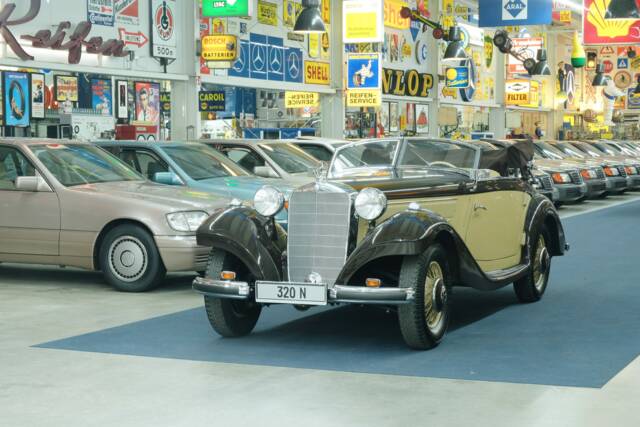
1938 | Mercedes-Benz 320n Cabriolet A
1938 Mercedes-Benz 320 N Cabriolet A · beige / tabakbraun · 5.000 km · Manual · No reserve

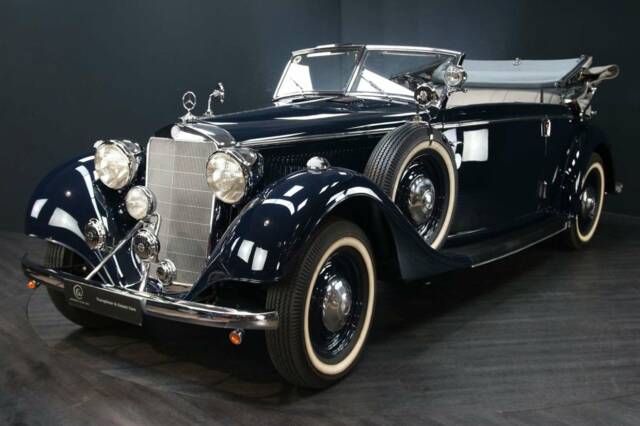
1939 | Mercedes-Benz 320 Cabriolet B
Mercedes-Benz 320

Auctions ending soon

Loading…
Loading…
Loading…
Loading…
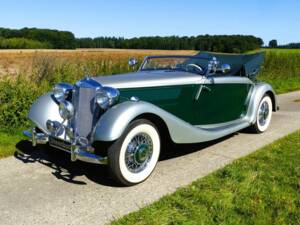
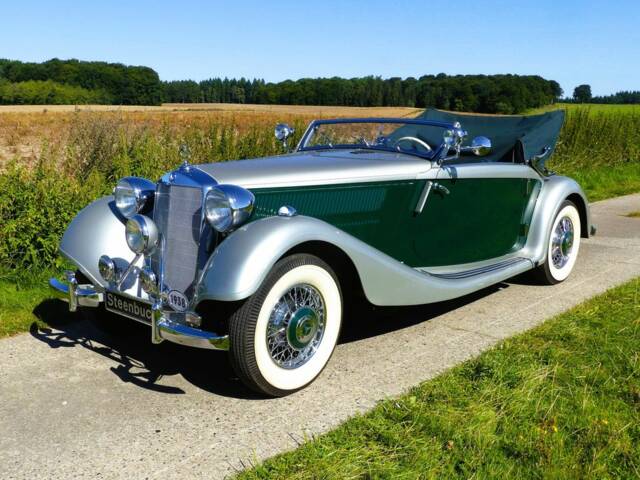
1938 | Mercedes-Benz 320 Cabriolet A
Very representative
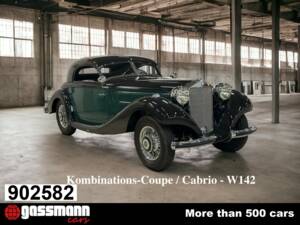
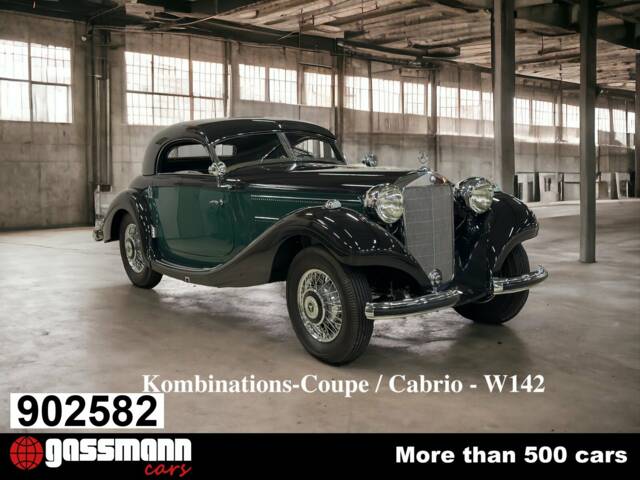
1938 | Mercedes-Benz 320n Spezial Roadster
320 n Kombinations-Coupe/Cabrio mit HardtopW142
Newsletter
The best Mercedes-Benz listings, straight to your inbox
Get hand-picked Mercedes-Benz listings, plus the best of cars, motorbikes, and auctions on Classic Trader — all in one place.
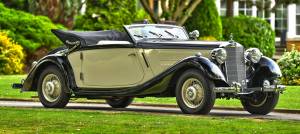
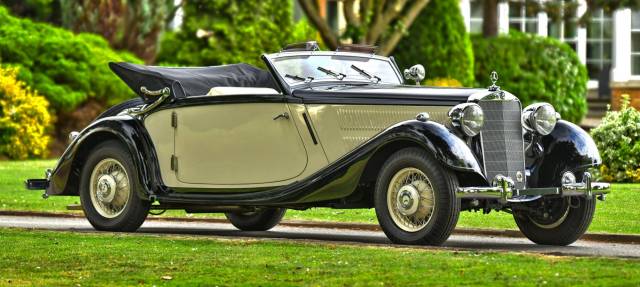

Mercedes-Benz 320 listing references from Classic Trader
Below you will find listings related to your search that are no longer available on Classic Trader. Use this information to gain insight into availability, value trends, and current pricing for a "Mercedes-Benz 320" to make a more informed purchasing decision.
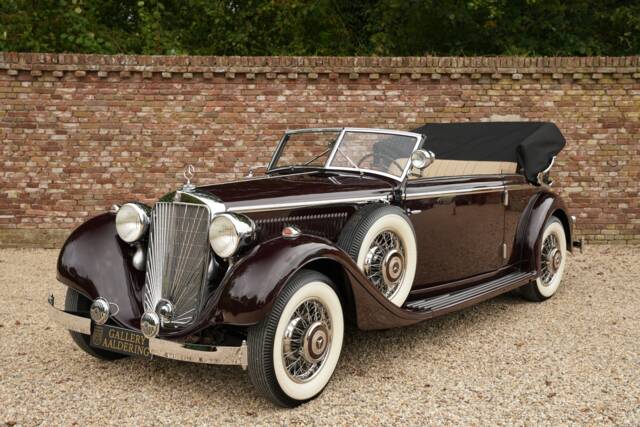
1939 | Mercedes-Benz 320 Cabriolet B
Mercedes-Benz 320 Cabriolet B An exceptional restoration over several years, Interesting history of hiding from communism (during Ceausescu regime), Elegant and appropriate color combination, A showpiece in pristine condition, Matching chassis and engine numbers, Unequalled pre-war style, Only 56 examples of the 320B were built

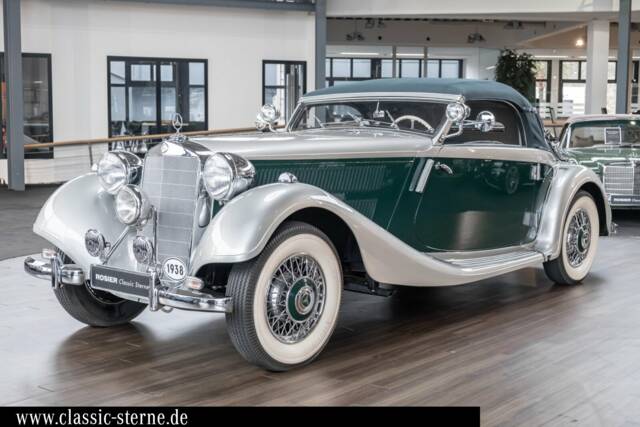
1938 | Mercedes-Benz 320n Cabriolet A
320 N Cabrio A W142
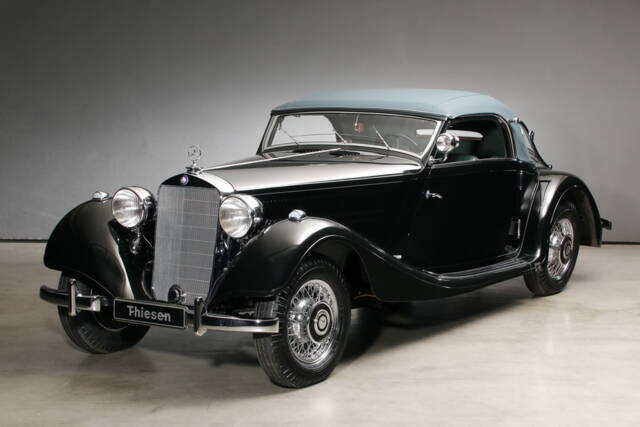
1938 | Mercedes-Benz 320 Cabriolet A
320 / 340 Cabriolet A
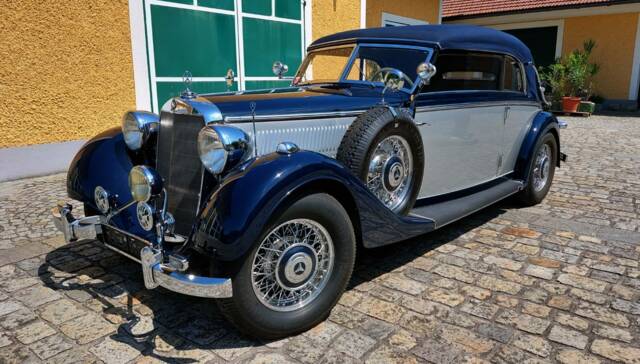
1939 | Mercedes-Benz 320 Cabriolet B
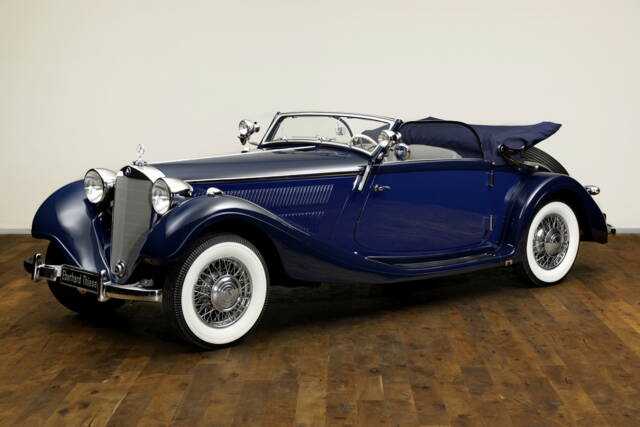
1938 | Mercedes-Benz 320 Cabriolet A
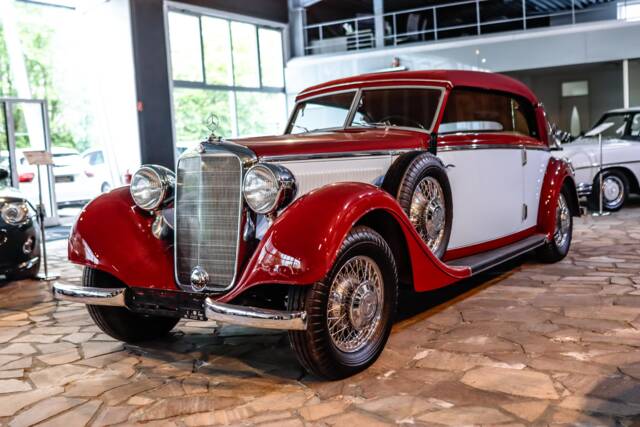
1939 | Mercedes-Benz 320 Cabriolet B
Mercedes-Benz W142 IV 3.4 320 Cabrio B Restauriert H-Kennzeichen TÜV 19.000 € Investitionen Sehr Gepflegter Zustand
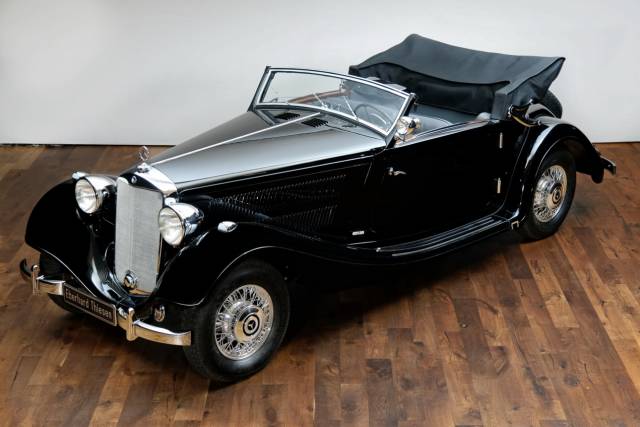
1937 | Mercedes-Benz 320 Cabriolet A
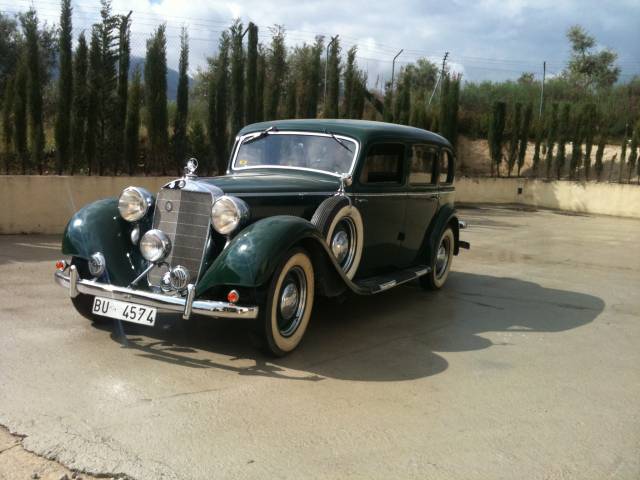
1939 | Mercedes-Benz 320
Mercedes Benz 320

Mercedes-Benz 320 Classic Cars: Prices & Market Values
History of the Mercedes-Benz 320 (W 142)
Launched at the 1937 Berlin Motor Show, the Mercedes-Benz 320 (W 142) was conceived as a substantial upgrade to the Typ 290. Built primarily in Mannheim, the 320 became a hallmark of luxury and touring comfort just before WWII disrupted automotive progress. The introduction of multiple chassis lengths and over half a dozen body styles, ranging from a stately limousine to the Cabriolet A and D, reflected buyers’ desire for individuality and bespoke design. The model quickly made its mark for smooth long-distance touring, robust mechanical reliability, and exceptional interior details. Production spanned until 1942, with the line later adapted for military purposes—nearly a third of the total 6,861 vehicles built served military roles before most records were lost in the wartime destruction of Mannheim plant.
Model History and Lineage
The Mercedes-Benz 320 followed the successful Typ 290, maintaining many design cues but increasing in dimension and technical sophistication. After the original short- and long-chassis models arrived, in 1938 the company updated the lineup, deploying expanded six-cylinder engines with larger displacement but similar output—responding to the new low-octane, coal-synthesis fuels of the era. Multiple iterations emerged: W 142 I, II, and IV, each identified by subtle technical and design changes. Eventually, the 320 became recognized as a 'little brother' to the prestigious 540 K, featuring similar visual language and quality, albeit with a more moderate engine size and less flamboyant proportions. Production ceased in 1942, with no direct successor until after the war.
Special Features and Highlights
The Mercedes-Benz 320 distinguished itself in a crowded field of 1930s touring cars through its exceptional chassis options, advanced straight-six engines, and hand-finished interiors. Features such as the fully synchronized 4-speed gearbox (with Autobahn overdrive from 1938), four-wheel hydraulic brakes, and the 'Reichsautobahn Ferngang' illustrated Mercedes’ technical ambition. Perfection in fit and finish—fine wood, leather, and even pearl inlays—placed the 320 in the highest league of pre-war luxury. Convertible, coupe, and limousine models offered varying seating arrangements, from two-seat roadsters to seven-seat Pullmans, underlining motorisation for all upper-class purposes.
Technical Data
Special Editions and Collectible Models
Among the rarest Mercedes-Benz 320 derivatives are the Cabriolet A and cabriolet-based roadsters, produced in exceptionally low numbers—some with tallies as low as 30 units. These stand out for their sporty, elongated hoods and bodywork inspired by the revered 540 K. The streamlined saloon and Pullman limousine variants are also viewed as highly collectable, particularly in original or unrestored condition, due to their lavish details, custom options, and connections to period coachbuilders.
Weak Spots and Known Issues
No specific weak spots are documented in the available resources. However, technical literature and club expertise suggest that, as with many pre-war vehicles, bodywork prone to rot (owing to the wood-steel composite), outdated hydraulic brake components, and engine wear from improper maintenance can pose challenges. Restoration quality varies due to long and complex supply chains for original parts.
Engine and Performance, Transmission and Handling
The 320’s hallmark is an exceptionally smooth ride, courtesy of its advanced suspension tuning and balanced chassis. The straight-six engine, paired from 1938 with a fully synchronized four-speed gearbox and the rare 'Reichsautobahn Ferngang' overdrive, provides serene long-distance cruising and excellent reliability during touring. Models equipped with long wheelbases are particularly praised for their stability on poor surfaces. Period test figures confirm top speeds approaching 130 km/h—a remarkable figure for the early 1940s—while the quiet, low-vibration ride and precise handling defined Mercedes' pre-war engineering prowess. - Cabriolet A (notable for its sporty character and coachbuilt details).
- Pullman limousine and Cabriolet D (emphasising luxury and multi-seat practicality).
- W 142 IV (with updated overdrive gearbox, offering enhanced motorway performance).
Interior, Comfort, Exterior and Design
Designing the Mercedes-Benz 320 involved extensive use of ash wood and steel, all finished with deep nitrocellulose paint and detailed with chrome or painted wire wheels. Interiors featured high-grade leather, veneered walnut or rootwood dashboards, and period-correct inlays. Large, split or V-shaped windscreens, fold-out glass partitions in Pullman limousines, and luxurious bench seats typify the model family. Available extras included whitewall tyres, factory radios, auxiliary lighting (Notek or foglamps), lockable gloveboxes, and, for diplomatic customers, mascot stands. Fit and finish matched the highest German standards, with tight panel gaps and minimal wind noise even at speed. The Cabriolet A gained notoriety for its distinctive, extended bonnet and swept-back two-seater design—stylistically inspired by the legendary 540 K.
Other Noteworthy Features
The 320 was among the last luxury Mercedes models conceived entirely before WWII, marking the end of an era for hand-built German automotive luxury. Contemporary owners often chose bespoke paintwork and luggage, particularly on the Cabriolet and Pullman models. Several 320s adopted for Wehrmacht use were modified for durability and special equipment, including military radios or additional lighting, further increasing historical interest.
Summary
The Mercedes-Benz 320 W 142 series holds a distinguished place in German automotive history, valued for its technical sophistication, flexible model array, and hand-built luxury. Rare, especially in convertible and top-trim saloon variants, the model today serves as a benchmark in classic Mercedes pre-war luxury, with high demand evidenced by market share figures and continued interest from serious collectors.