Maserati Tipo 151 classic cars for sale
The Maserati Tipo 151 was purpose-built for the 1962 Le Mans season, representing Maserati's technical response to the competitive world of GT racing. With only three handcrafted examples, this machine embodies exclusivity and racing heritage. Dive into the story of the Tipo 151 to uncover what makes it an outstanding contender on and off the track.
Search results
Currently, there are no matching listings for your search.
Create search alert
Let yourself be notified as soon as a listing is published that matches your search filters.
Create listing
Do you have a Maserati Tipo 151 that you want to sell? Then create a listing now.
Create listingMaserati Tipo 151 listing references from Classic Trader
Below you will find listings related to your search that are no longer available on Classic Trader. Use this information to gain insight into availability, value trends, and current pricing for a "Maserati Tipo 151" to make a more informed purchasing decision.
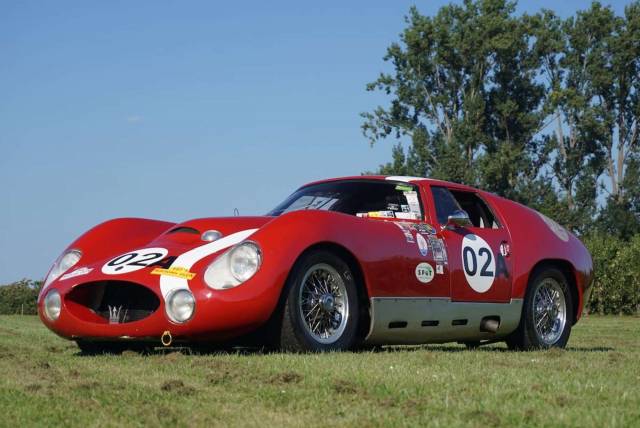
1965 | Maserati Tipo 151
1965 Maserati Tipo 151 ●
Create search alert
Let yourself be notified as soon as a listing is published that matches your search filters.
Create listing
Do you have a Maserati Tipo 151 that you want to sell? Then create a listing now.
Create listingMaserati Tipo 151 Classic Cars: Prices & Market Values
History of the Maserati Tipo 151
The Maserati Tipo 151 sprung from a period at Maserati when racing technology was evolving rapidly to meet the demands of international endurance events. Conceived for the experimental GT class at the 24 Hours of Le Mans in 1962, its development was driven by the need for high speed, robust handling, and technical innovation. Two cars were commissioned for the American Briggs Cunningham team, while a third went to Johnny Simone of Maserati France. Each chassis not only bridged the gap between Maserati’s earlier grand tourers and its later prototypes, but also marked the brand's persistent presence in top-tier motorsport competitions.
Model History of the Maserati Tipo 151
The Tipo 151’s short production run—only three units—was a focused experiment rather than an ongoing series. As a one-off Le Mans project, it followed in the wake of Maserati's 450S, pushing further into aerodynamic bodywork and chassis stiffness required for high-speed endurance. Its immediate successors in spirit would be the ever more refined sport prototypes such as the Tipo 65, illustrating a lineage of continual technological progression at Maserati.
Highlights of the Maserati Tipo 151
What sets the Maserati Tipo 151 apart is its racing exclusivity: built specifically for the 1962 Le Mans season with only three ever made. The cars carried distinct liveries for their respective teams—Cunningham’s entries in white with blue stripes, Simone’s with a red finish and white tri-stripes—making each a unique artefact from the golden era of motorsport.
Technical Data
Special Editions and Collectible Models
Each Maserati Tipo 151 is essentially a special edition due to their individual specification and racing provenance. Cunningham’s two entries with distinctive blue stripes and Johnny Simone’s tri-striped red car are immediately recognisable, with race history and livery contributing to their individual legacy.
Weak Spots and Common Issues
Due to the absence of direct data on weak spots, potential buyers should focus on standard issues faced by early 1960s racing prototypes: bespoke chassis components, unique body panels, and period race modifications can complicate restoration. Sourcing original parts or technical knowledge requires access to specialist Maserati resources.
Engine, Transmission and Handling
The Maserati Tipo 151 was engineered for the rigours of endurance racing. Its V8 engine delivered the high power required for the long straights of Le Mans, combined with a manual transmission optimised for reliability and quick shifting. The handling package favoured high-speed stability through advanced suspension geometries, while braking systems were tuned for repeated heavy use in a race context. All three examples—two Cunningham cars, one Simone—are valuable not only for their engineering but also for their race entries, with individual cars recognised for their participation and livery.
Interior, Comfort, Exterior and Design
Function dictated every line of the Tipo 151’s design: a long, aerodynamic nose, compact cockpit, and signature racing stripes accentuate the model’s competitive intent. Interiors were stripped to essentials, prioritising weight saving and driver ergonomics for endurance racing. The unique liveries—Cunningham’s white with blue stripes, Simone’s red with white tri-stripes—distinguish each car visually and historically. Materials used were exclusively focused on durability and performance, leaving little room for luxury touches.
Other features
With such a limited build, each Tipo 151 carries unique racing stories and modifications made during its career. Documentation and provenance are particularly critical, as is tracking original components or changes over years of competition and possible restoration.
Summary
The Maserati Tipo 151 sits at the nexus of exclusivity, competition heritage, and technical experimentation from 1962. With only three chassis built for major teams, its presence in today’s classic racing market is unparalleled. Each car reflects Maserati’s engineering ambitions in period GT racing and stands as a singular piece for serious collectors and connoisseurs.