FIAT Tipo 2B classic cars for sale
The FIAT Tipo 2B stands out as a key figure in early automotive history. Its combination of technical advancements and classic design makes it a sought-after classic for true enthusiasts. Discover what makes the Tipo 2B an outstanding chapter in FIAT's heritage.
Search results
Currently, there are no matching listings for your search.
Create search alert
Let yourself be notified as soon as a listing is published that matches your search filters.
Create listing
Do you have a FIAT Tipo 2B that you want to sell? Then create a listing now.
Create listingFIAT Tipo 2B listing references from Classic Trader
Below you will find listings related to your search that are no longer available on Classic Trader. Use this information to gain insight into availability, value trends, and current pricing for a "FIAT Tipo 2B" to make a more informed purchasing decision.
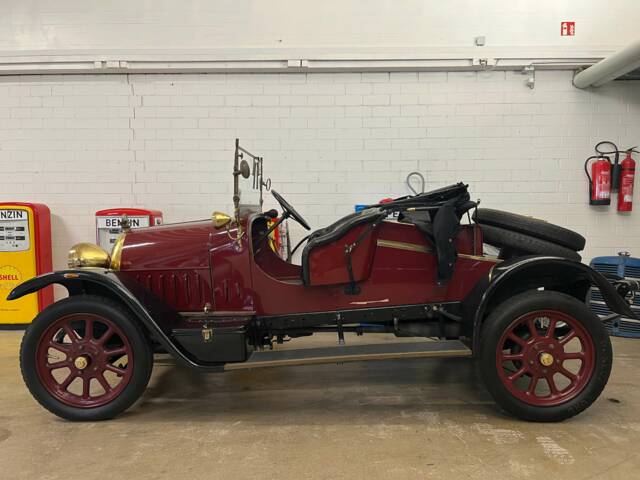
1916 | FIAT Tipo 2B
Fiat Tipo 2B 1916

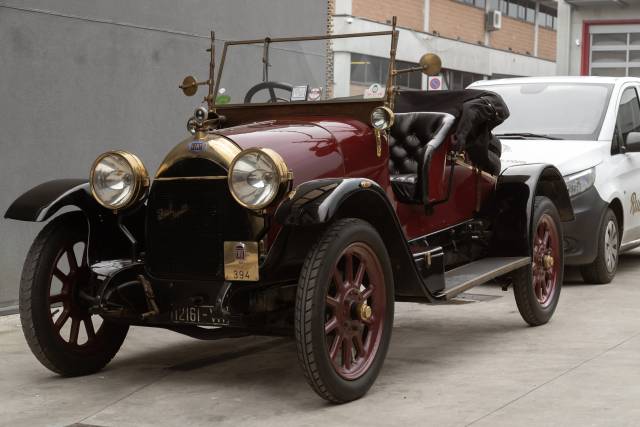
1916 | FIAT Tipo 2B

1916 | FIAT Tipo 2B
1916 | FIAT Tipo 2B
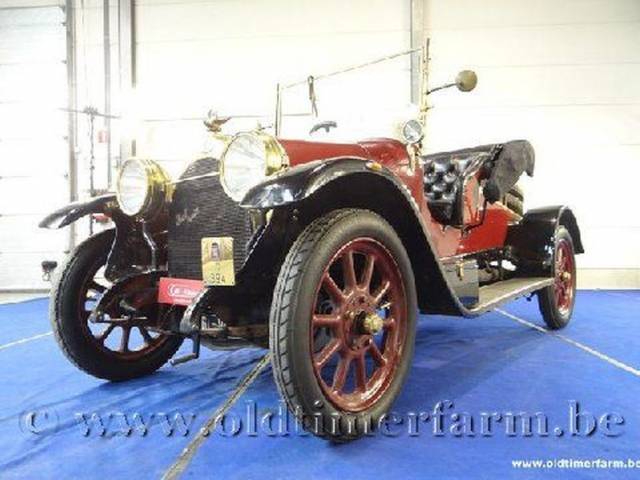
1916 | FIAT Tipo 2B
Fiat 2 B Sport Bordeaux '16

Create search alert
Let yourself be notified as soon as a listing is published that matches your search filters.
Create listing
Do you have a FIAT Tipo 2B that you want to sell? Then create a listing now.
Create listingFIAT Tipo 2B Classic Cars: Prices & Market Values
History of the FIAT Tipo 2B
The FIAT Tipo 2B emerged during a transitional phase for the Italian manufacturer, reflecting both early 20th-century engineering ambition and the growing appetite for versatile private transport. Introduced in the early 1910s, the Tipo 2B built on the technological strides made by previous FIAT models and catered to a market eager for reliable, robust touring cars. Its development mirrored the industrial energy of pre-war Europe, shaping FIAT’s identity as a pioneer in accessible, practical and innovative motoring.
Model History of the Tipo 2B
The Tipo 2B was an evolution of the earlier Tipo 2, offering improved mechanical reliability and comfort. As FIAT embraced mass-production techniques, the Tipo 2B helped pave the way towards the company’s later models. While its predecessor, the Tipo 2, set the groundwork, the 2B represented refinement and engineering progress in chassis and engine design. It remained in production until more advanced FIAT touring cars took its place in the lineup, cementing its role as a crucial connector in the evolution of the brand’s early cars.
Highlights and Market Data
The FIAT Tipo 2B stands out for its robust construction, advanced engineering for its era, and historical significance as part of FIAT's expansion beyond the Italian market. Key points include a sturdy chassis, user-friendly controls for its time, and a reputation for reliability among early FIAT models.
Technical Data
Special Editions and Collectible Models
There are no documented factory special editions for the FIAT Tipo 2B. However, due to the age and rarity of surviving units, cars with unique provenance, period-correct features or well-documented restoration histories are often considered more desirable within collector circles.
Weak Spots and Common Issues
No specific weak spots have been documented in available sources. However, as with most vehicles from this early era, buyers should closely inspect for chassis corrosion, drivetrain wear, and authenticity of mechanical and body components. Sourcing original or period-correct parts may require expert assistance and patience due to the model's age.
Engine, Performance and Handling
The FIAT Tipo 2B delivers an authentic pre-war driving experience, characterised by its longitudinally mounted engine, manual controls and upright seating position. Performance metrics reflect the period—modest horsepower, straightforward suspension and predictable but unassisted handling. The model was appreciated in its day for ease of maintenance and mechanical robustness. Within the scope of classic FIAT models, the Tipo 2B represents a touchstone for the brand’s early efforts at building reliable touring vehicles.
Interior, Comfort, Exterior and Design
Typical for the period, the Tipo 2B features a high-set body with practical proportions and minimalistic lines. Interiors are utilitarian, with features such as a black interior—offering durability and straightforward maintenance. Body styles generally include open touring and saloon formats. Special materials or design elements are rare, but custom coachwork may be found on surviving examples, depending on period modifications. Accessories and extras are typically limited to period-appropriate lamps, tool kits, and simple instrumentation.
Other Information
Due to the vehicle’s age, ownership is often linked with historic registration, vintage rallies, or exhibition participation. Prospective buyers should familiarise themselves with applicable regulations for historic vehicles and anticipated restoration or preservation needs.
Summary
The FIAT Tipo 2B captures a formative phase of automotive history. It combines robust early FIAT engineering with straightforward design and remains a fascinating choice for dedicated collectors and aficionados of brass-era vehicles.