Citroën Type 23 classic cars for sale
The Citroën Type 23 stands out as a robust French commercial vehicle, introduced just before World War II. Beloved among collectors for its characterful combination of classic utility, Gallic engineering, and strong presence, it marks a high point in mid-20th-century Citroën utility design. Discover available examples and the unique story behind this pivotal model.
Search results
Currently, there are no matching listings for your search.
Create search alert
Let yourself be notified as soon as a listing is published that matches your search filters.
Create listing
Do you have a Citroën Type 23 that you want to sell? Then create a listing now.
Create listingCitroën Type 23 listing references from Classic Trader
Below you will find listings related to your search that are no longer available on Classic Trader. Use this information to gain insight into availability, value trends, and current pricing for a "Citroën Type 23" to make a more informed purchasing decision.
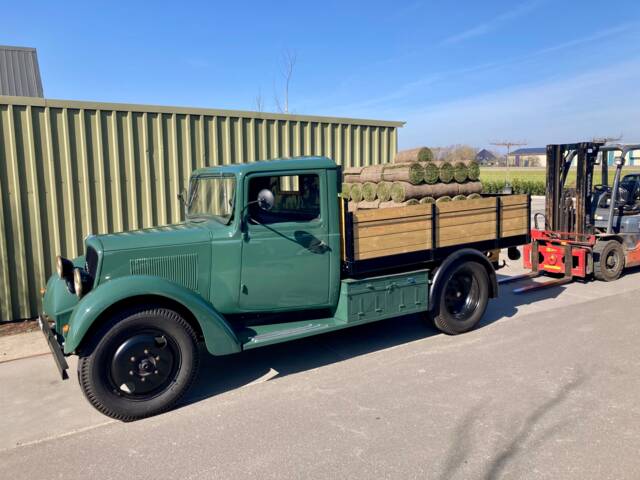
1940 | Citroën 23
Fully Restored | Known History | Matching Numbers

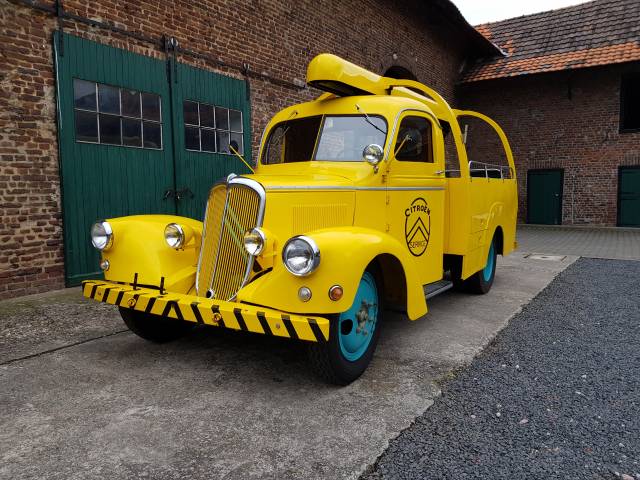
1949 | Citroën Type 23 R
Citroën Typ 23 depanneuse historischer Abschleppwagen U23 Show Car

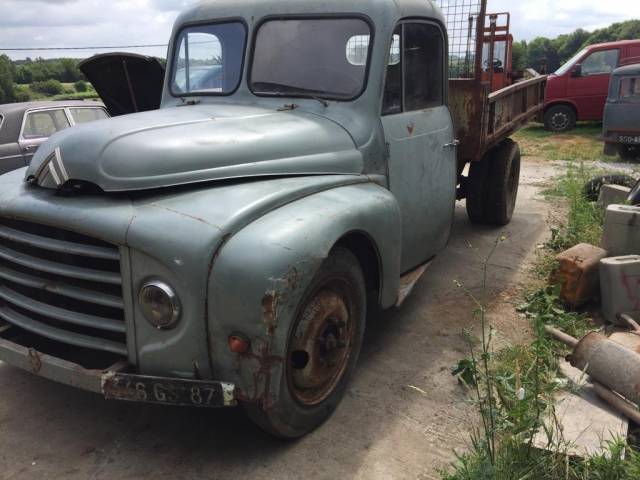
1951 | Citroën 23
UT 23 TIPPER

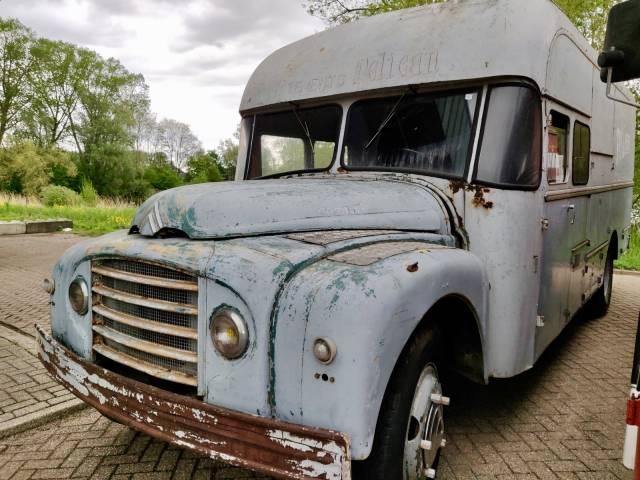
1954 | Citroën Type 23 R
Online Auction "Classics, Sports Cars & Specials". From 9th to 22nd of May
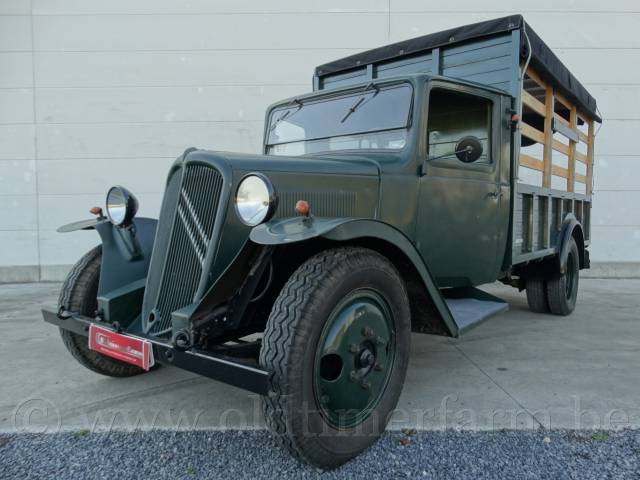
1947 | Citroën 23
Citroën T23 Camion

Create search alert
Let yourself be notified as soon as a listing is published that matches your search filters.
Create listing
Do you have a Citroën Type 23 that you want to sell? Then create a listing now.
Create listingCitroën Type 23 Classic Cars: Prices & Market Values
History of the Citroën Type 23
Citroën launched the Type 23 in 1935 as a response to the demand for a modern, medium-duty commercial vehicle. Drawing on experience from its pioneering front-wheel-drive passenger cars but opting for a conventional rear-wheel-drive layout, the Type 23 quickly found its place within fleets and businesses across France. With the onset of the Second World War, the model became a key logistical asset for both civilian and military use, especially as a troop and goods transporter within the French army. Its mechanical design reflected both reliability and Citroën’s drive for technical excellence, surviving through the war and remaining in production, with several refinements, until 1969.
Model History
The Type 23 replaced Citroën’s earlier commercial vehicles, arriving at an era when practical needs and versatility determined success. It went through a number of mechanical updates, notably in 1941 with modifications for military use and later, in 1947, accommodating post-war commercial needs. The Type 23 did not see a direct successor in the same sense, as Citroën’s commercial line diversified considerably afterward, though later vans such as the Citroën Type H would inherit its spirit of utility and robustness.
Highlights and Unique Features
The Citroën Type 23 is known for its robust ladder frame, leaf-sprung live axles and reliable petrol as well as diesel engine options. Its layout allowed for remarkable versatility, with configurations ranging from flatbeds and ambulances to buses and vans. The model’s longevity in production—spanning over three decades—speaks to a strong reputation among tradesmen and transporters in France and abroad. A unique detail lies in the distinctive pressed-steel grille and Citroën double chevron badge, instantly identifying it as a true product of the marque’s golden era.
Technical Data
Special Editions and Collectible Models
Some Type 23s served as ambulances during the war and as buses or fire engines in the postwar era. These coachbuilt versions, as well as rare configurations like horseboxes or extended chassis, are particularly sought after among specialists and enthusiasts because of their unique historical value and bespoke craftsmanship.
Weak Spots and Common Issues
No specific weak spots are currently recorded in available sources. However, potential buyers should pay careful attention to the condition of the chassis for rust and previous repairs, particularly in commercial vehicles that may have seen heavy use. Spare parts for mechanicals remain accessible due to the Type 23's robust supply network, especially in France, but original coachbuilt elements may be more challenging to restore authentically.
Engine and Performance, Transmission and Handling
The Type 23 was engineered for steadfast reliability rather than speed, with its four-cylinder engines optimised for torque to handle significant payloads and demanding road conditions. The 4-speed manual gearbox provided flexibility for both urban delivery and rural transport, while the conventional rear-wheel-drive set-up allowed for predictable handling even under full load. Leaf spring suspension guaranteed longevity and ease of service, though ride comfort reflects a commercial character rather than that of a passenger Citroën. Popular variants include the postwar diesel-engined models for their improved economy and the various specialist conversions (e.g., ambulances, buses) that highlight the adaptability and historical context of the Type 23.
Interior, Comfort, Exterior and Design
The Citroën Type 23’s design is utilitarian yet unmistakable, with a cab and coachwork that emphasise durability and adaptability. Inside, the cabin is stripped back, reflecting its workhorse role, often featuring easy-to-clean materials, basic instrumentation, and practical storage. Externally, the prominent Citroën grille, steel wheels, and square-edged bodywork establish its forthright aesthetic. Some versions featured custom paint schemes (especially for public service use) or added accessories such as toolboxes, roof racks, or extended mirrors, tailored to the needs of its first owner. Specialist coachbuilders sometimes provided upgraded upholstery or wood-panelled bodies for bespoke uses.
Other Notable Features
The Type 23 is noteworthy for its adaptability to a vast array of commercial needs: from rural post delivery vehicles to urban minibuses. Its simple mechanical layout and the modular nature of the chassis made it a favourite among French coachbuilders for anything from rescue vehicles to horseboxes.
Summary
The Citroën Type 23 remains a benchmark in French vintage commercial vehicle history thanks to its engineering longevity, adaptable design and irreplaceable role in both civilian and wartime logistics. With a share of 100% among Citroën’s historic commercial listings on our platform, its significance for collectors and classic utility vehicle enthusiasts is unmatched.