Chevrolet Deluxe Classic Cars for Sale
The Chevrolet Deluxe series, spanning 1941 to 1952, stands out for its robust straight-six engines, extensive body style options, and a reputation for easy maintenance. From elegant saloons to converted hot rods, the Deluxe offers a slice of post-war American motoring with distinctive styling and impressive variety.
Search results
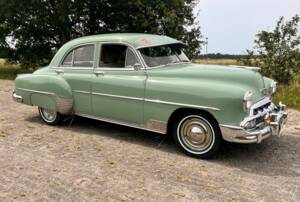
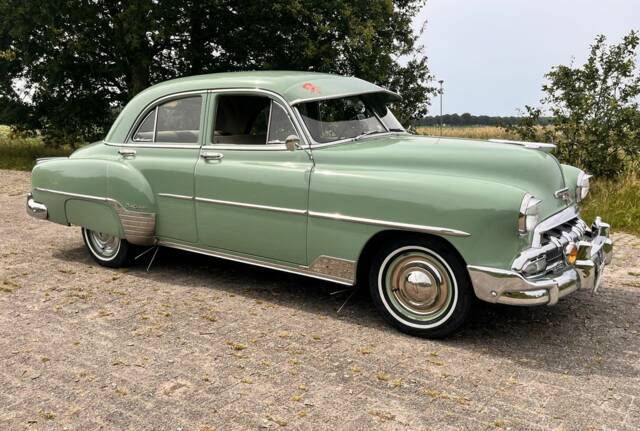
1952 | Chevrolet Deluxe Styleline
Chevrolet Styleline Deluxe | 1952 | Route 66 Auctions - For sale by auction. Estimate 11400 EUR

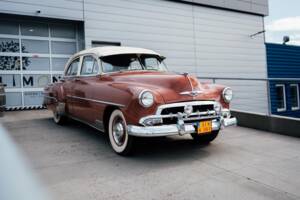
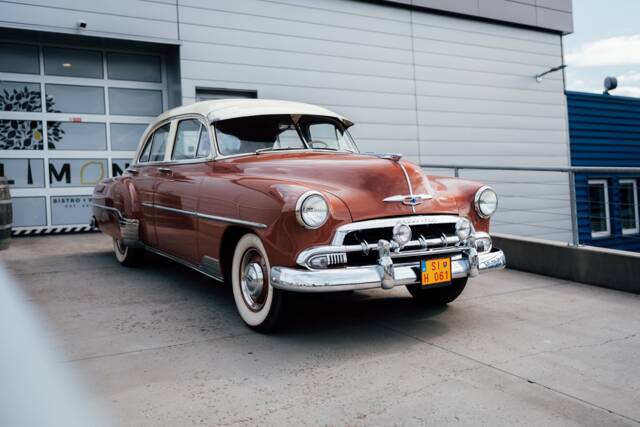
1952 | Chevrolet Deluxe Styleline
Chevrolet Styline Deluxe
Auctions ending soon

Loading…
Loading…
Loading…
Loading…
Chevrolet Deluxe listing references from Classic Trader
Below you will find listings related to your search that are no longer available on Classic Trader. Use this information to gain insight into availability, value trends, and current pricing for a "Chevrolet Deluxe" to make a more informed purchasing decision.
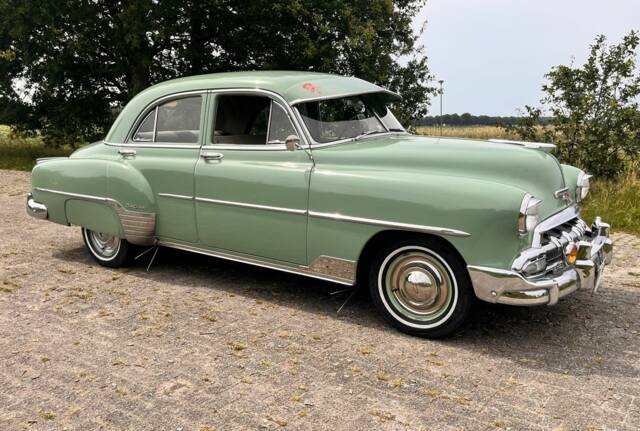
1952 | Chevrolet Deluxe Styleline
Chevrolet Styleline Deluxe | 1952 | Route 66 Auctions - For sale by auction. Estimate 11400 EUR
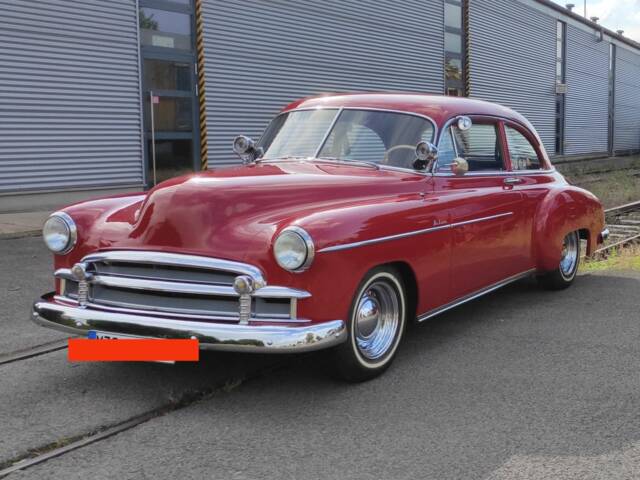
1950 | Chevrolet Deluxe Styleline
Chevrolet Styleline Deluxe | 1950 | Route 66 Auctions - For sale by auction. Estimate 8500 EUR
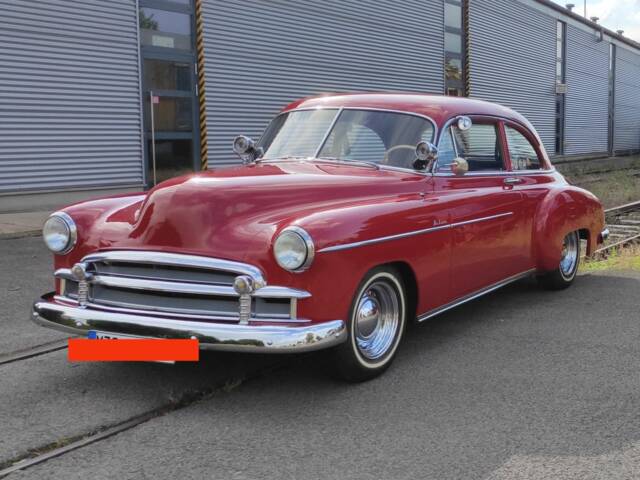
1950 | Chevrolet Deluxe Styleline
Chevrolet Styleline Deluxe | 1950 | Route 66 Auctions - For sale by auction. Estimate 8500 EUR
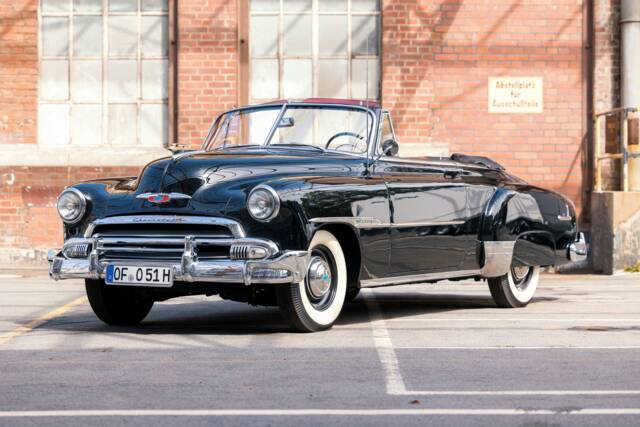
1951 | Chevrolet Deluxe Styleline

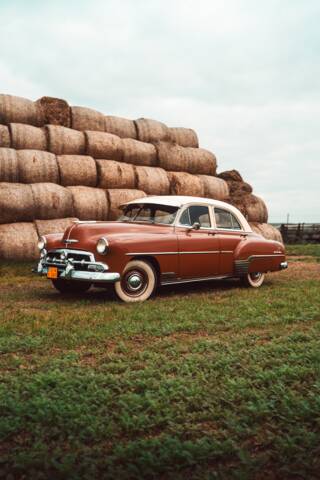
1952 | Chevrolet Deluxe Styleline
Chevrolet Styleline Deluxe 1952
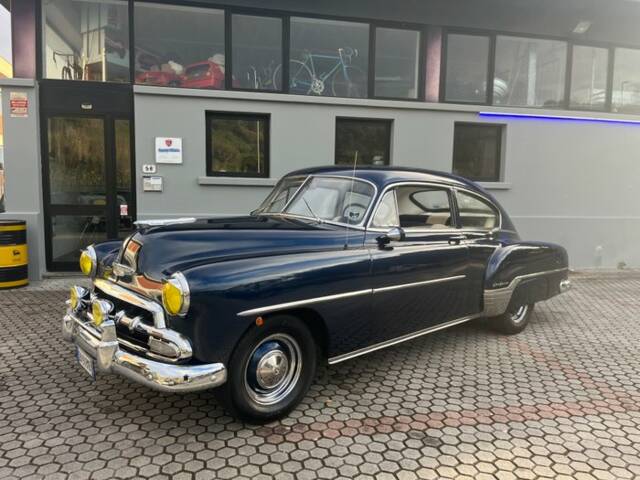
1952 | Chevrolet Deluxe Fleetline
Chevrolet - Deluxe Fleetline manuale - 1952
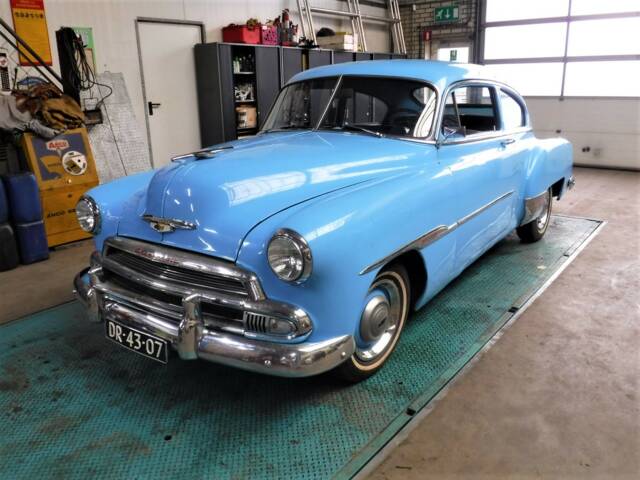
1951 | Chevrolet Deluxe Fleetline
Chevrolet-Bel Air Deluxe Fastback
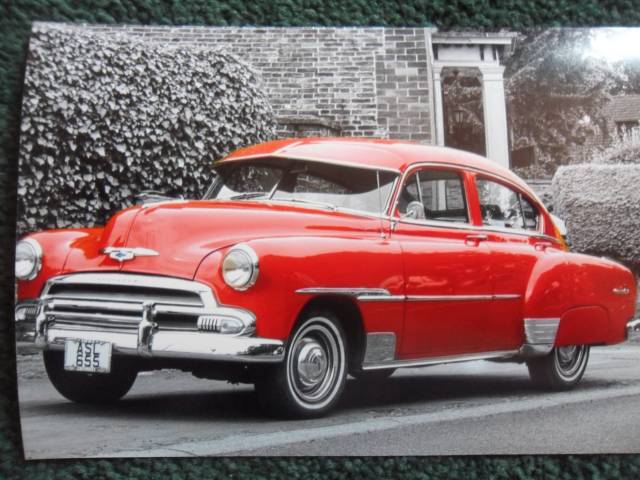
1951 | Chevrolet Deluxe Fleetline
51 chevy fleetline

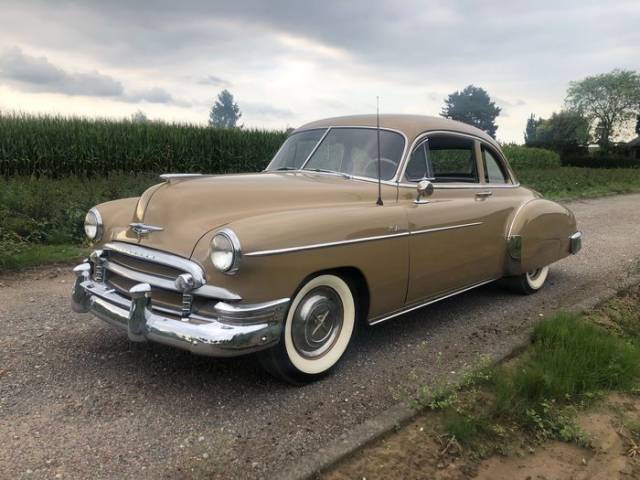
1950 | Chevrolet Deluxe Styleline
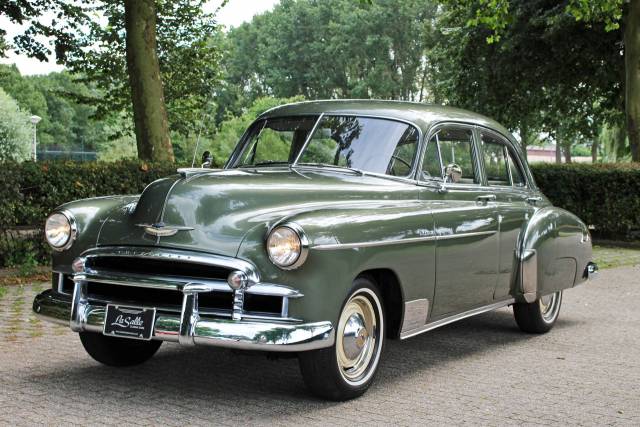
1950 | Chevrolet Deluxe Styleline
Restored condition!
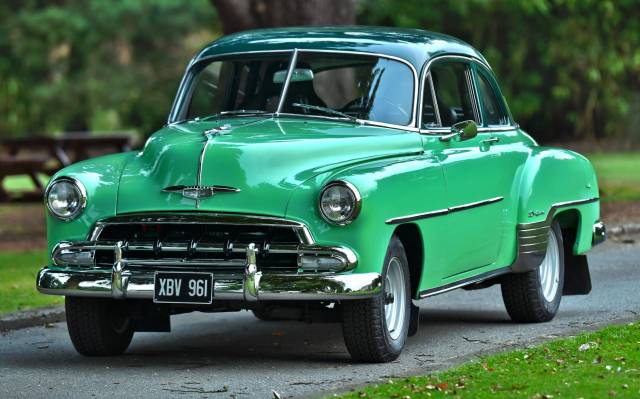
1952 | Chevrolet Deluxe Styleline
Coachwork by Fisher, Rally Ready
Chevrolet Deluxe Classic Cars: Prices & Market Values
History of the Chevrolet Deluxe
Introduced in 1941 as the successor to the Chevrolet Master, the Deluxe quickly established itself as a leading seller during the 1940s. It marked the separation of Chevrolet’s passenger cars from truck styling, a significant evolutionary step for the brand. Civilian production was interrupted in 1942 due to World War II but returned robustly post-war. The Deluxe was Chevrolet’s flagship trim, aimed at buyers looking for comfort and style at an attainable price. Key developments included the 1949 restyling and the 1950 introduction of the Bel Air coupe and Powerglide automatic transmission. The series concluded in 1952, making way for the newer 150 and 210 models.
Model History and Evolution
The Deluxe began as a four-door sedan and was gradually joined by other variants, including the aerosedan fastback, convertible, station wagon ('Handyman'), and the sleek 'Fleetline' body. Early models shared several components with Chevrolet trucks, but exclusive styling after 1941 set them apart. Notable milestones include expanded colour and trim options—such as the ten roof and ten body colours available in the final production year—and continually improved comfort and technology. The 1952 model year represents the culmination of this generation, with enhanced styling elements and additional luxury features before it was replaced by the 150 and 210 series.
Highlights and Unique Features
Chevrolet Deluxe models are celebrated for their straight-six engines, notably the 216.5 cu in (3,547 cm³) and later the 235 cu in (3.8L) 'Blue Flame'. Their smooth, 'Centerpoise Power' ride, robust manual transmissions ('three on the tree'), and versatile body constructions have contributed to their survival as showpieces and custom builds. Originally sold at a comparatively low price point, the Deluxe now attracts buyers due to its heritage, dependable mechanics, and eye-catching bodywork with generous use of chrome. Extensive customisation—from original restoration to hot rod conversion—is a hallmark of surviving examples.
Technical Data
Special Editions and Collectible Models
Several body styles stand out as particularly desirable: the 'Bel Air' hardtop, introduced in 1950, brought full carpeting and luxury touches; the convertible (Cabriolet) offered premium features like electric power tops; the 'Fleetline' fastback remains popular for its distinctive silhouette. Models maintained in original specification, as well as professionally restored or preserved station wagons ('Handyman'), are highly valued—especially those retaining rare paint or trim options from the 1952 model year.
Engine, Performance, Transmission and Handling
Early Deluxe models are renowned for their forgiving ride quality, achieved through 'Centerpoise Power' mounting and supple suspension tuning. The straight-six 'Blue Flame' engines earned a reputation for reliability and ease of repair. Manual transmissions ('three on the tree') are straightforward to maintain, with some vehicles offering later Powerglide automatics for a smoother drive. Vehicles often had drum brakes, which may require attention or upgrade to discs for modern road safety. Custom exhaust and brake systems are common on survivors. - Chevrolet Deluxe Serie 2100 JK: Most demand in the market, noted for its engine options and frequent use in high-visibility custom projects.
- Serie 2100 HK and KK: Significant supply, standard mechanical setups and diverse bodywork forms make them attractive for restoration.
Interior, Comfort, Exterior and Design
The Deluxe series presented flowing lines, integrated fenders, substantial chrome detailing, and a body-coloured grille design from 1952 onwards. Interiors were functional yet durable, using bench seats in vinyl or cloth and metal dashboards. Accessories, such as external sunshades, were often added aftermarket due to dashboard glare. Standout features include broad paint palettes, especially in the last production years, and details like split front bumpers, stylish hubcaps, and roof contrast colours. Station wagons featured five doors, while convertibles provided premium fabric tops and, occasionally, leather upholstery. Original accessories are now sought after in the collector community.
Other Features
Deluxe models frequently appear at auctions and are offered both as European imports and US originals. Many vehicles benefit from tax exemption under classic car registration, and often qualify for historic or veteran registration in many markets. Their robust technical layout and low-emission classification ('Euro 0' or similar) reflect their era, and properly maintained examples prove extremely reliable—an important consideration for long-term ownership.
Summary
The Chevrolet Deluxe stands as a technically significant, highly customisable, and culturally important post-war saloon. With a broad range of variants and engines, distinctive '40s and early '50s styling, and mechanical setups that encourage both restoration and modification, the Deluxe continues to be a fixture among enthusiasts and collectors. The strong demand for specific series—most notably the Serie 2100 JK—illustrates its ongoing appeal in today’s classic car market.