Bugatti Type 40 classic cars for sale
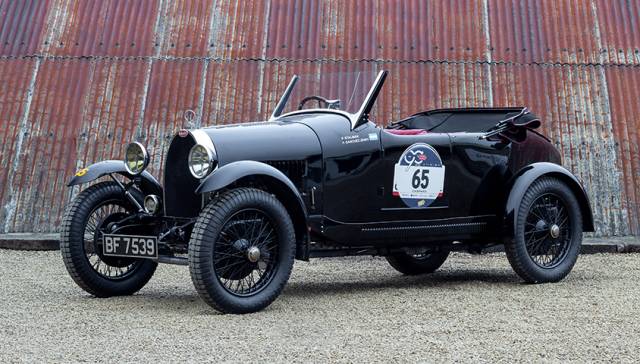
The Bugatti Type 40, produced between 1926 and 1930, captivates with its advanced engineering and distinctive aluminium bodywork. With only 830 units built, it stands out through its use of an inline eight-cylinder engine and innovative braking and suspension systems. This series embodies Bugatti’s philosophy of technical progress in sportscar construction.
Search results
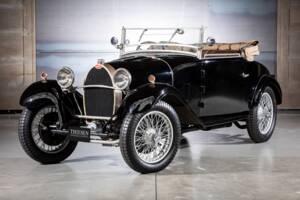
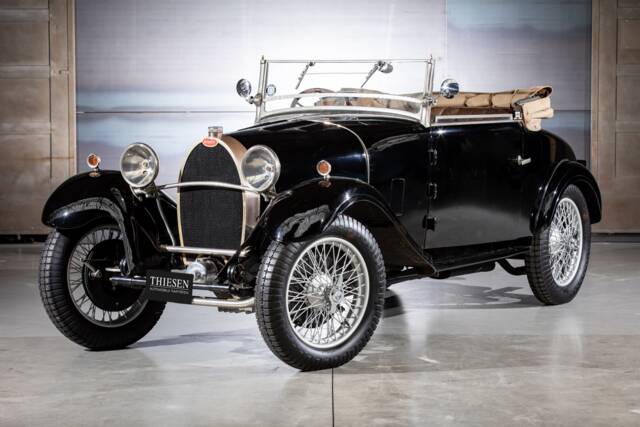
1931 | Bugatti Type 40 A Chapron
40A Roadster by Chapron

Bugatti Type 40 listing references from Classic Trader
Below you will find listings related to your search that are no longer available on Classic Trader. Use this information to gain insight into availability, value trends, and current pricing for a "Bugatti Type 40" to make a more informed purchasing decision.
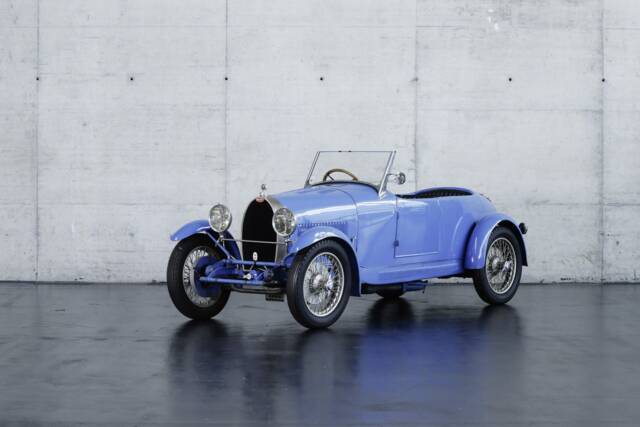
1930 | Bugatti Type 40
1930 Bugatti Type 40 Grand Sport. Im Auktionsverkauf. Schätzwert: 150.000 € - 250.000 €.

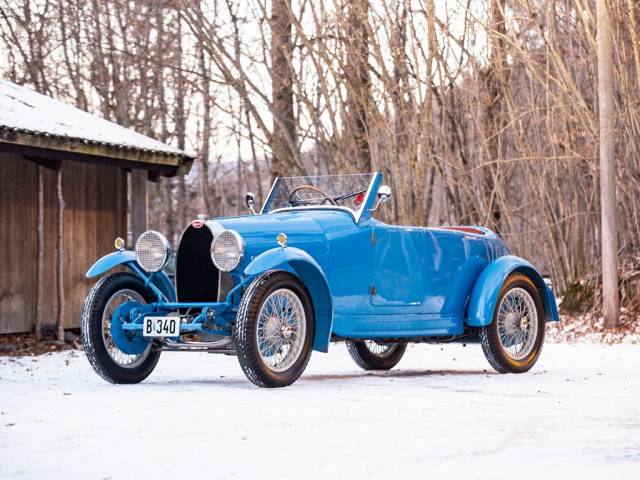
1926 | Bugatti Type 40
1926 Bugatti Type 40

1927 | Bugatti Type 40
Bugatti Type 40 Classic Cars: Prices & Market Values
History of the Bugatti Type 40
The Bugatti Type 40 forms part of the first series of Bugatti production vehicles to feature an eight-cylinder engine. Based on concepts introduced with the 1922 Type 30, this model continued Bugatti's ambition for motorsport excellence during the 1920s. The series introduced cable-operated brakes for all four wheels, following earlier experiments with front-wheel hydraulic systems. The technical direction and use of the proven 2,850 mm wheelbase and suspension geometry stem from earlier Bugatti designs such as the Type 23 "Brescia."
Model History
The Type 40 follows the Type 30 and shares its foundational mechanical concepts with later Bugatti models such as the Type 38, Type 43, Type 44, and Type 49. For this generation, the Type 40 occupied the role of a lighter, more agile sports model, powered by an engine closely related to the Type 37. Its direct predecessor, the Type 30, introduced four-wheel brakes using cable actuation, which the Type 40 retained. The Type 40 was succeeded by larger, more powerful models like the Type 44. It was produced for a short span, from 1926 to 1930, with 830 units built.
Highlights and Statistics
The Bugatti Type 40 sits apart in automotive history for its lightweight aluminium construction, cable-operated drum brakes on all wheels, and a 1.5-litre inline eight-cylinder engine. During its production, Bugatti experimented extensively with brake and suspension systems, refining handling and stopping power to match its motorsport ambitions. The Type 40 achieved speeds of approximately 120 km/h, powered through a four-speed manual gearbox and live rear axle. Its supply and demand statistics underline its present-day uniqueness among Bugattis:
Technical Data
Special Editions
Within the production run of the Bugatti Type 40, no separate factory special editions are documented. However, given Bugatti’s tradition, a significant number of cars were delivered as rolling chassis to be individually bodied by renowned coachbuilders, leading to a high level of customisation and unique vehicles within the series.
Weak Spots and Common Issues
No documented common issues or weaknesses particular to the Type 40 are available in the source material. As with most cars of this vintage, mechanical wear in the cable brake system, lubrication requirements for the complex engine, and structural integrity of aluminium bodies should be thoroughly checked in any inspection.
Engine and Performance, Transmission and Handling
The Bugatti Type 40 delivers lively performance typical of small-displacement Bugattis of the 1920s. The 1.5-litre inline eight is mated to a four-speed manual transmission, transmitting power to the rear wheels. Rigid axles suspended on carefully tuned leaf springs provide the precise, sporting handling that defined this era of Grand Prix-inspired road cars. Drum brakes act on all wheels via a robust cable system. Ride quality remains firmly on the sporting end, but allows for the responsiveness demanded by experienced drivers. Highlights within the series centre on the standard Type 40, as all known cars in the supply and demand statistics are of this single variant, reflecting its pure, factory-intended specification.
Interior, Comfort, Exterior and Design
The design of the Bugatti Type 40 is defined by its open aluminium bodywork, typically realised in light two-seater or elegant four-seater touring configurations. Star designer Jean Bugatti’s influence is evident in the styling language and craftsmanship, which typically included prominent horseshoe grilles, simple yet elegant dials, and minimalist interiors. Each chassis frequently received bespoke coachwork, meaning no two surviving cars are exactly alike. Materials were chosen for lightness and durability: aluminium panels, fine leather, and precise instrument clusters. Accessories and features often depended on the wishes of the original buyer or coachbuilder.
Other Features
The Bugatti Type 40 is notable for its importance in Bugatti’s development from specialised racing machines toward technically advanced road vehicles. Innovative features such as experiments with hydraulic front brakes (ultimately not adopted for production), advancements in cable-braking technology, and aluminium body construction marked the technical progression of the marque.
Summary
With its combination of advanced engineering, limited production, and significant historical role in Bugatti’s evolution, the Type 40 quintessentially represents the marque’s spirit during the late 1920s. Its eight-cylinder propulsion, lightweight construction, and mechanical sophistication ensure lasting interest from serious collectors and enthusiasts.