Bugatti Type 13 classic cars for sale
The Bugatti Type 13, built from 1910 to 1920, is the pioneering model that established Bugatti’s reputation. With its innovative multi-valve engine and remarkable racing history, it laid the foundation for future Bugatti masterpieces. Every Type 13 represents a unique piece of automotive evolution.
Search results
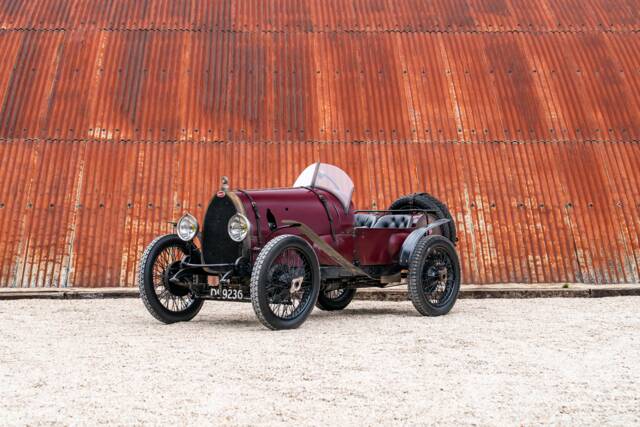
1924 | Bugatti Type 13 Brescia
1924 Bugatti Brescia

Bugatti Type 13 listing references from Classic Trader
Below you will find listings related to your search that are no longer available on Classic Trader. Use this information to gain insight into availability, value trends, and current pricing for a "Bugatti Type 13" to make a more informed purchasing decision.
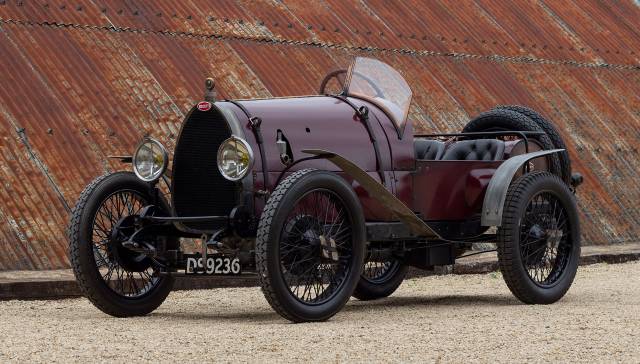
1924 | Bugatti Type 13 Brescia
Bugatti Type 13 Classic Cars: Prices & Market Values
History of the Bugatti Type 13
The Bugatti Type 13 holds a unique position as the first production vehicle from the Bugatti marque, debuting in 1910. Ettore Bugatti’s vision began with the Type 10 prototype, but it was the sophistication of the Type 13—featuring a revolutionary 4-valve cylinder head—that marked Bugatti’s breakthrough in both engineering and performance. Initial production was impacted by World War I, forcing Bugatti to safeguard his work by relocating vehicles and burying components near the Molsheim factory. After the war, assembly resumed, and the Type 13 quickly proved its worth on public roads and European racetracks.
Model History of the Bugatti Type 13
The Type 13 is the direct successor to the Type 10 prototype. Its success led to an expansion of the range, inspiring next-generation models such as the Type 15, 17, 22, and 23, all of which share key mechanical concepts with the original. Production covered a decade, ending in 1920 after 435 examples had been completed. Later models like the Type 23 "Brescia Tourer" adopted advancements first seen in the Type 13, such as multi-valve technology.
Highlights and Achievements of the Bugatti Type 13
The Type 13 became renowned for its advanced engineering: the early adoption of a four-valve-per-cylinder engine set a new standard in the industry. The car shone on the track, achieving second place at the 1911 Grand Prix de la Sarthe and later dominating the 1921 Voiturette Grand Prix at Brescia. These victories prompted Bugatti to refer to its high-performance four-cylinder models as "Brescia." The model’s minimalist chassis and low weight provided superior handling compared to larger, heavier competitors.
Technical Data
Special Editions and Collectible Models
The rarest variants of the Type 13 are the five original factory racing cars with 16-valve heads, among the world’s first to feature this design. Later, the Brescia models, particularly the Type 23 Brescia Tourer, gained prominence due to their racing lineage and historic technical evolution from the Type 13.
Weak Spots and Common Issues
Detailed information about typical weak spots or maintenance issues specific to the Type 13 is limited. Like many pre-war models, expect traditional challenges such as sourcing authentic spares, managing wear in the engine’s valvetrain, and maintaining the early chassis components. Given the design’s age and mechanical complexity for the period, specialist inspection and period-correct restoration are essential.
Engine and Performance, Transmission and Handling
Thanks to its lightweight construction and advanced multi-valve engine, the Type 13 provided precise handling and lively on-track behaviour, setting it apart from most contemporaries. Its chassis layout ensured agility, particularly on twisty circuits, which contributed to its racing victories. The reliability and performance of the Type 13 built the foundation for Bugatti’s enduring motorsport reputation. Highlight: The 16-valve competition-engine Type 13s are noteworthy for their early technological innovation and directly contributed to how Bugatti’s later models, such as the celebrated Type 23, approached road and racing challenges.
Design: Interior, Comfort, Exterior and Special Features
The Type 13 features a minimalist open two-seater body, with a focus on weight reduction and aerodynamics. Interiors were utilitarian, with lightweight materials and Spartan furnishings intended for performance rather than comfort. The layout and simplicity prefigured the brand’s racing ethos and set design priorities for subsequent Bugatti sports cars. Colours and finishes varied, with factory and customer-ordered custom touches. Accessories were typically functional, aligned with the vehicle’s competitive ambitions.
Other Features
The Type 13’s reputation as Bugatti’s main production car until 1920 is unmatched. Its technical solutions, such as the four-valve-per-cylinder technology, influenced European car design. Its manufacturing story, including concealment of parts during WWI and postwar assembly, adds to its legendary status among connoisseurs.
Summary
The Bugatti Type 13 is not just the foundation of the Bugatti brand, but an early benchmark for engineering ingenuity, competitive achievement and technical bravery. Its integration of multi-valve technology, lightweight construction and proven racing pedigree make it a key chapter in automotive development, reflected in exceptionally strong interest among dedicated collectors and enthusiasts.